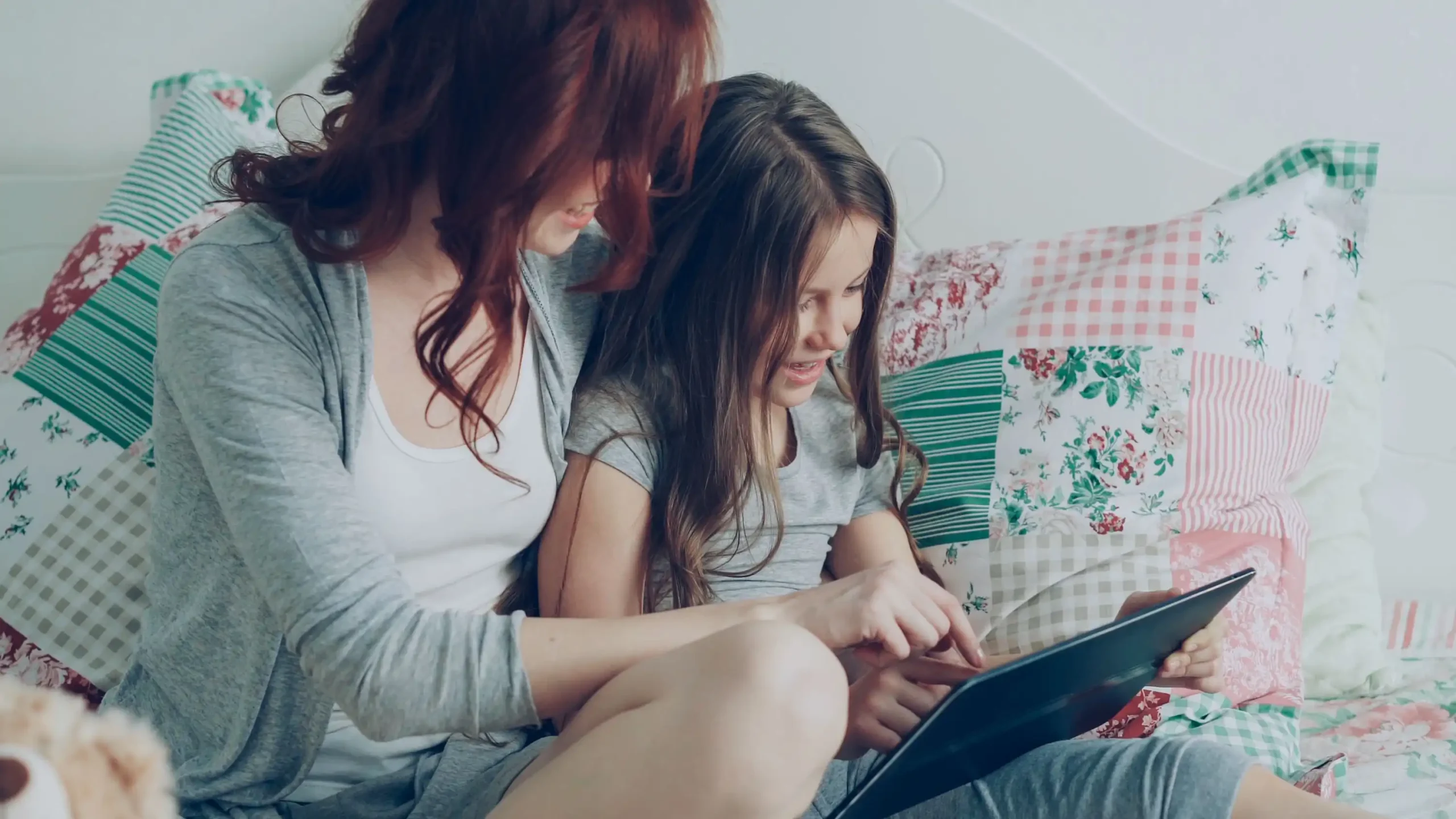
Parenting in the TikTok Era: What’s Trending vs. What’s Truly Helpful



How parents can filter digital noise and focus on what really matters.
The scene’s familiar: we’re up late, phone in hand, on TikTok (or whatever social media we prefer) and trying to get the kids (or ourselves) to sleep. Around twenty to thirty reels later, we gasp in shock at the clock–it’s an ungodly hour.
We try to put it down and sleep, but can’t. All we see replaying, as we close our eyes, is probably all the TikTok, Facebook, and Instagram parenting content presented by someone with perfect lighting and skin.
In our hearts and minds, we know that a lot of these things may not apply. Yet, we consume it. With a carefully developed algorithm and pleasing aesthetic, social media reels became bite-sized versions of “chicken soup for the parenting soul.”
Welcome to parenting in the TikTok era—where wisdom is algorithmic, advice is aesthetic, and every parent is both student and spectator.

What’s Trending: The Rise of the TikTok Parent Coach
TikTok has become a parenting classroom without walls. With millions of views on hashtags like #ParentTok, #GentleParenting, and #MomHack, it’s clear that Filipino parents are tuning in. The appeal is obvious: quick tips, relatable humor, and the sense that you’re not alone in the chaos.
But like every trend, not all advice survives outside the screen.
Many parenting “hacks” rely on Western frameworks that don’t always translate to the Filipino family dynamic—where extended families live under one roof, and lola’s wisdom still holds weight. “Use time-outs instead of sermons” might sound nice, but what happens when Tita Baby insists on sermons anyway?
TikTok offers tools, but context remains king.
What’s Truly Helpful: Evidence Over Virality
Experts agree: evidence-based parenting still trumps what’s trending. While digital content can spark helpful conversations, it should never replace professional guidance or lived experience.
Yet, many hesitate to find professional guidance or heed the advice of parents before. Although it’s rational to pick the ones that work and reject the advices that don’t, the motive behind the rejection can sometimes be because of something–whether unresolved trauma or others.
That’s where most digital content swoops in to save the day: personalities are perfect-looking, bubbly, and everything seems to go their way. With no past connections or intimate knowledge about the personality, it’s easy to “fall in love” with the one on the reels.
It’s why many Filipino parents need to learn how to fact-check before leaving a heart reaction. The question isn’t “Does this sound right?” but “Does this apply to our family?”
The Digital Double-Edged Sword
The TikTok era offers both visibility and vulnerability.
Parents find community, yes—but they also face comparison. The mother who homeschools with grace and the dad who packs Bento-box lunches might inspire one person and overwhelm another.
Even children now grow up watching their parents curate “parenting moments” online. The line between sharing and oversharing blurs quickly. What begins as connection can turn into digital fatigue, especially when every act of care becomes content.
The antidote? Digital discernment. Just because it’s trending doesn’t mean it’s truth.

Filtering the Noise: Parenting by Intuition and Intention
Instead of following trends, Filipino parents can follow principles:
- Don’t be afraid to use the “hide” button. Whenever we go through reels, there’s an option to “hide” reels so we don’t see that particular content. If it’s rotting our brains, then we click “hide.” It’s usually found on the three button icon.
- Check the source. Everyone will claim some sort of authority, but always follow the “rule of three” – if over three agree and say the same thing, then there’s at least some credibility.
- Adapt, don’t adopt. What works for another family may not work for yours. Modify the ideas to fit our kids’ personality and the household’s rhythm.
- Model balance. Children learn by imitation. When they see us put down our phones, they’ll learn that presence is more powerful than posting.
Parenting, after all, isn’t about perfection. It’s about participation.
The Filipino Way: Raising Children with Heart and Heritage
In the Philippines, parenting has always been communal, rooted in pakikipagkapwa or what we know as “companionship.” The digital world has changed how we connect, but not why we care.
Behind every viral parenting trend lies a truth our ancestors already knew: that raising a child takes patience, humor, and the wisdom to know when to listen and when to simply love.
So yes, scroll if you must. Learn if you can. But remember: the most effective parenting advice doesn’t always fit in fifteen seconds. It’s when we actually try to figure it out ourselves.
Frequently Asked Questions (FAQs)
It’s short and easy to watch. Plus, social media gives this sense of being connected even if we don’t have intimate knowledge of the parent.
It’ll be a difficult habit to break, but try going old school: go back to books. It doesn’t have to be the self-help books right away. It can be fiction novels then something else.
What others do is they charge their phone in another room. That way, the bedroom becomes a place of peace–not digital brain rot.
As many tech-savvy people will say, “Post at your own risk.” Crueler but tech-savvy people have used Deepfake by using photos available to incrimate. They’ve even used kids’ faces for more indecent videos and sold those pieces for money.
Choose your content creators carefully. Go through their profiles. If we can’t find at least five videos we like, then there’s no need to follow. Scroll past and manage your preferences from the settings menu.
Another trick is just to read the caption and scroll past if it doesn’t fit. A more drastic way is just to deactivate your account temporarily.
More about social media and the digital space?
10 Commandments for Every Kid and Teen Netizen
Types of Netizens That Kids or Teens Meet On Social Media
Every Parent’s Nightmare: Their Child Becoming a “Deepfake” Victim