She Loves Books, but Reading Doesn’t Come Easy


This National Reading Month, a Filipino mother shares how her daughter’s experience with dyslexia changed the way she looks at reading, learning, and the belief that every child deserves a book
Amanda loves books and stories. Learning to read them has never been easy.
Some days, she cried because she wanted so badly to read the words on a page and couldn’t. It wasn’t that she didn’t like books. She needed a different way to learn.
Amanda, now 8, has been diagnosed with dyslexia and dyscalculia, specific learning disabilities that affect reading and mathematics. Her journey has changed how her mother, Ley Almeda, understands what it means to make reading accessible.
The signs started early
Ley first noticed concerns about Amanda’s language development when her youngest was about 2, during the pandemic. By 3, Amanda had a language disorder diagnosis and had started receiving support.
As she grew older, new challenges surfaced. Reading and math took far more effort, and assessments eventually identified specific learning difficulties in both.Ley, who has also homeschooled her children, learned that age, grade level, and how quickly a child finishes schoolwork don’t always reflect what that child can do.
Amanda is creative and curious, and stories pull her in. Now in third grade, she reads closer to an earlier grade level. Many parents of children with learning differences know this tension well: A child can be bright, capable, and eager to learn while still struggling with skills her classmates take for granted.
A first “Dog Man” book, and a family celebration
Amanda wanted to read on her own, but the words could frustrate her. Her family has lived through tears, repeated practice, assessments, and a patient search for the right support.
They have also celebrated. One of the happiest moments came when Amanda finished her first “Dog Man” book. For another child, it might have been an ordinary afternoon. For Amanda and the people who love her, it capped years of effort and progress.
Today, she reads more independently and chooses her own books. Her journey continues, and her love for stories hasn’t dimmed. That, Ley says, matters most: A child who struggles to read isn’t necessarily a child who doesn’t love books.
Keeping reading joyful
Children with dyslexia can have trouble recognizing words, decoding sounds, spelling, and reading fluently. None of that reflects intelligence or motivation.
Evidence-based reading instruction remains essential. Parents can also help children keep a warm relationship with books by reading aloudReading AloudReading books to a child every day, from infancy onward. It grows vocabulary, imagination, and focus, and sets up a lifelong love of books, especially when parents use funny voices together, exploring illustrated stories, playing audiobooks, and letting children pick books that match their interests.
For a child who struggles, a book shouldn’t always feel like another test. Sometimes, curling up with a parent and a good story is progress enough.
Why every child deserves a book
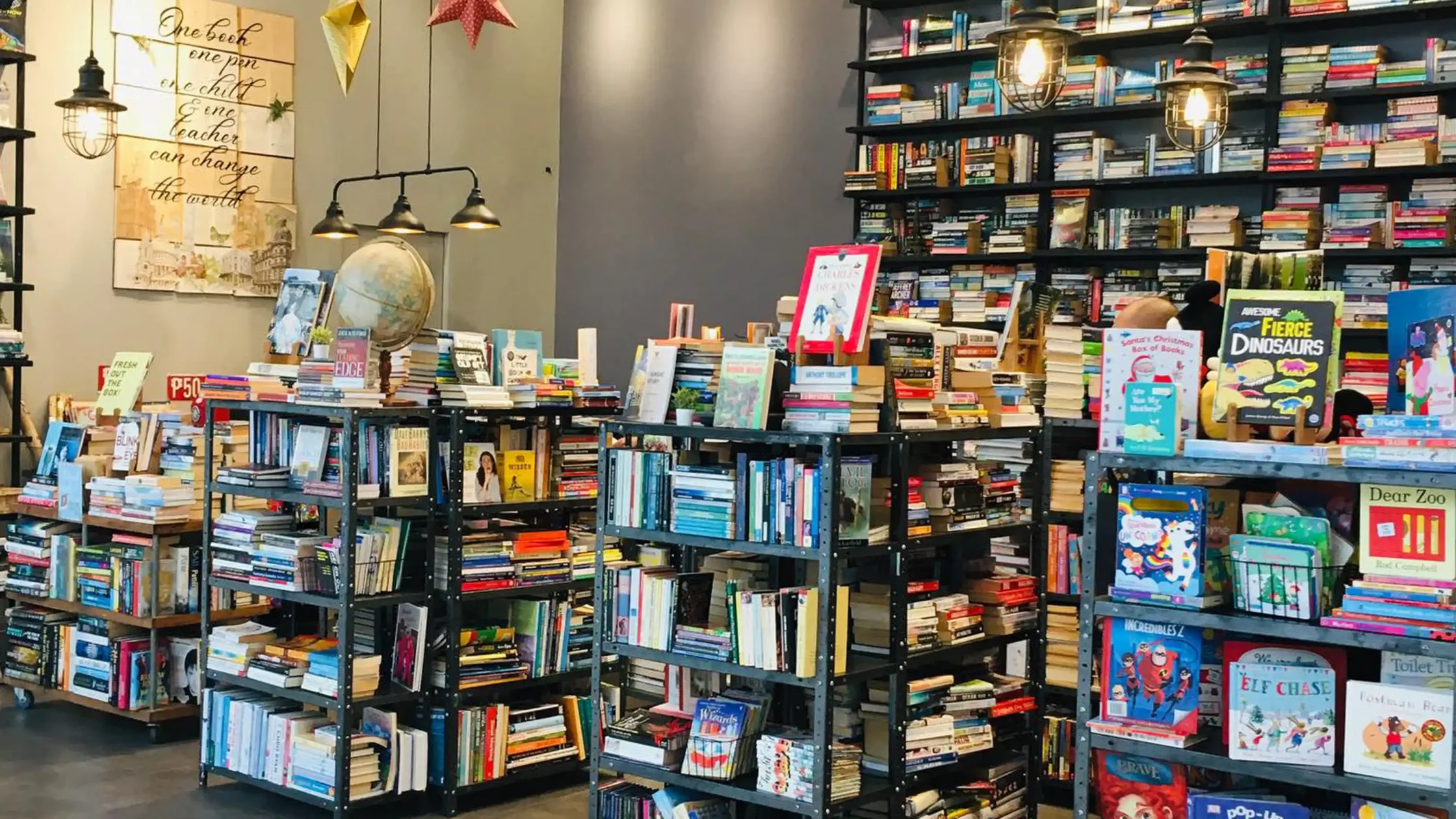
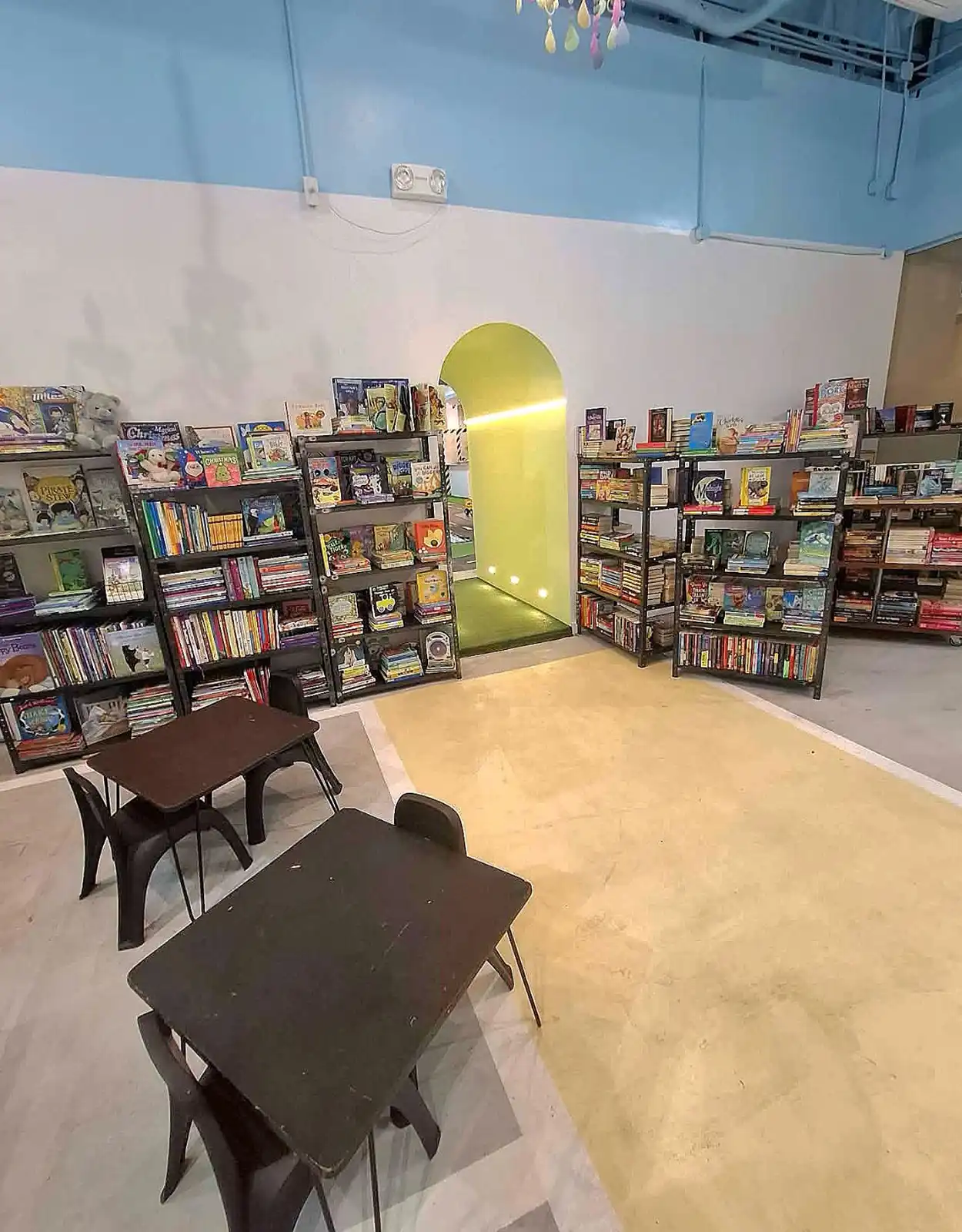
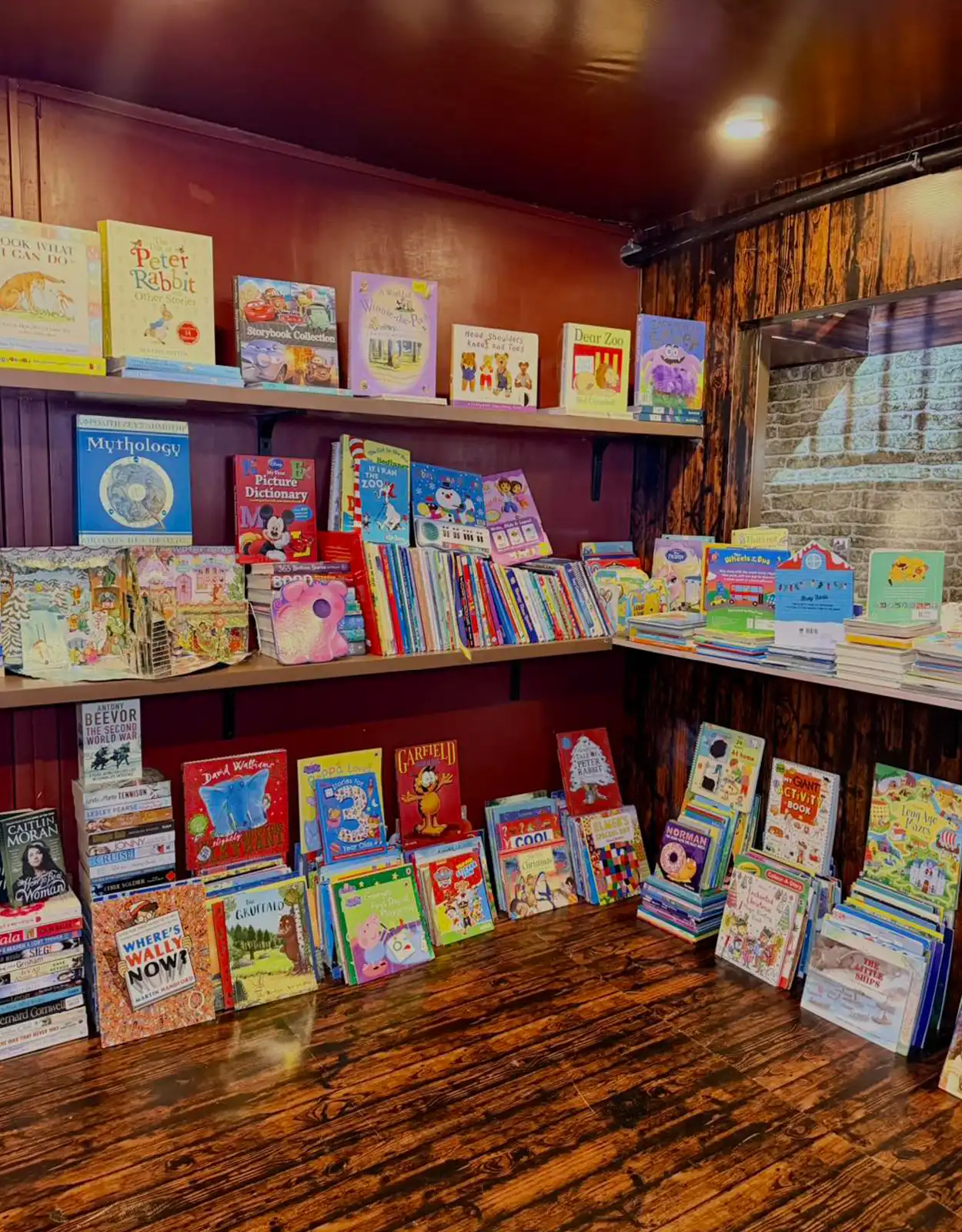
Biblio, founded in 2016, specializes in affordable pre-loved and remaindered books and keeps them in circulation for new readers. Its advocacy, “Every Filipino Deserves a Book,” means something different to Ley now that she sees it through Amanda’s eyes.
Pre-loved books let families try different subjects, genres, and reading levels without always buying new copies. But Ley sees accessibility as more than price. Some children read independently early, while others need more time, specialized instruction, or books in formats that suit their interests and abilities. Every child deserves the chance to find stories without feeling shut out because reading is hard.
A bookstore can’t replace educational intervention, but it can put more books within reach of families still discovering what works.
Through Nov. 30, all Biblio branches are offering two promotions while stocks last:
- Buy one, get one free on eligible books with code numbers 160 and below
- Five books for ₱300 on eligible books with red stickers
Small milestones, big celebrations
Amanda’s journey is far from over. Reading and math still call for support, practice, and patience, and some days remain hard. But the small wins keep coming, and her family celebrates every one: choosing a book, reading a page with a little more confidence, finishing a favorite story.
Ley hopes more families will remember that a love of books doesn’t always begin with perfect reading. Sometimes it begins with a child who wants to read, a parent who keeps encouraging her, and a story worth discovering.
Frequently Asked Questions
Dyslexia is a specific learning disability that affects reading
Dyscalculia is a learning disorder affects a person’s ability to do math.
More on reading
How to Build Kids’ Reading Stamina: A Modern Parent’s Research-Backed Guide
10 Important Things Parents Need to Know About Dyslexia
The National Library Reopens A New Children’s Section in Honor of National Children’s Month
A Tutor’s Perspective: Why Are Kids Having a Hard Time Reading?