Raising Children in a Region on the Rise


Angelina Jolie shows us why inclusive growth starts at home
When Angelina Jolie speaks at the 2026 ASEAN Inclusive Growth Summit in Manila on November 11, the agenda will sound like it belongs in a boardroom: financial health, digital tools for small businesses, and the region’s next wave of growth. Her own story points somewhere more familiar. It asks what happens inside a family when opportunity is within reach, and what happens when it isn’t.
Jolie arrives in the Philippines as an actress, filmmaker, humanitarian, and most importantly, a mother. During more than two decades with the UN Refugee Agency, she carried out over 60 field missions and traveled to nearly 50 countries. She met displaced families and championed children’s education, women’s rights, and protection from violence.
Mastercard made her visit possible and is presenting the summit with the ASEAN Business Advisory Council Philippines. The event brings together 51 speakers across 30 sessions to build a more resilient and inclusive Southeast Asia.

Where It Started for Jolie
Jolie’s work began with a child. She adopted her eldest son, Maddox, from Cambodia, and she has called the experience eye-opening. Poverty and displacement stopped being issues she read about and became something she saw through a family’s eyes.
She now has six children: Maddox, 25; Pax, 22; Zahara, 21; Shiloh, 20; and twins Vivienne and Knox, 18. They grew up watching their mother treat humanitarian work as part of ordinary family life.
Filipino parents don’t need a passport or a famous name to do something similar. Dinner is enough. Ask your kids who in the neighborhood might fall behind. Ask what a child needs to stay healthy and stay in school. Then ask what your family could do about it.
What Progress Looks Like at Home
The subject of inclusive growth can be as simple as talking about a mother getting prenatal carePrenatal CareMedical care and healthy habits during pregnancy, including checkups, vitamins, balanced meals, rest, and avoiding harmful substances. Regular visits help doctors monitor mother and baby and catch problems early., a child who eats well enough to focus in class, and a teenager who can stay in school because it isn’t hours away. It’s about a parent whose paycheck covers the monthly dues.
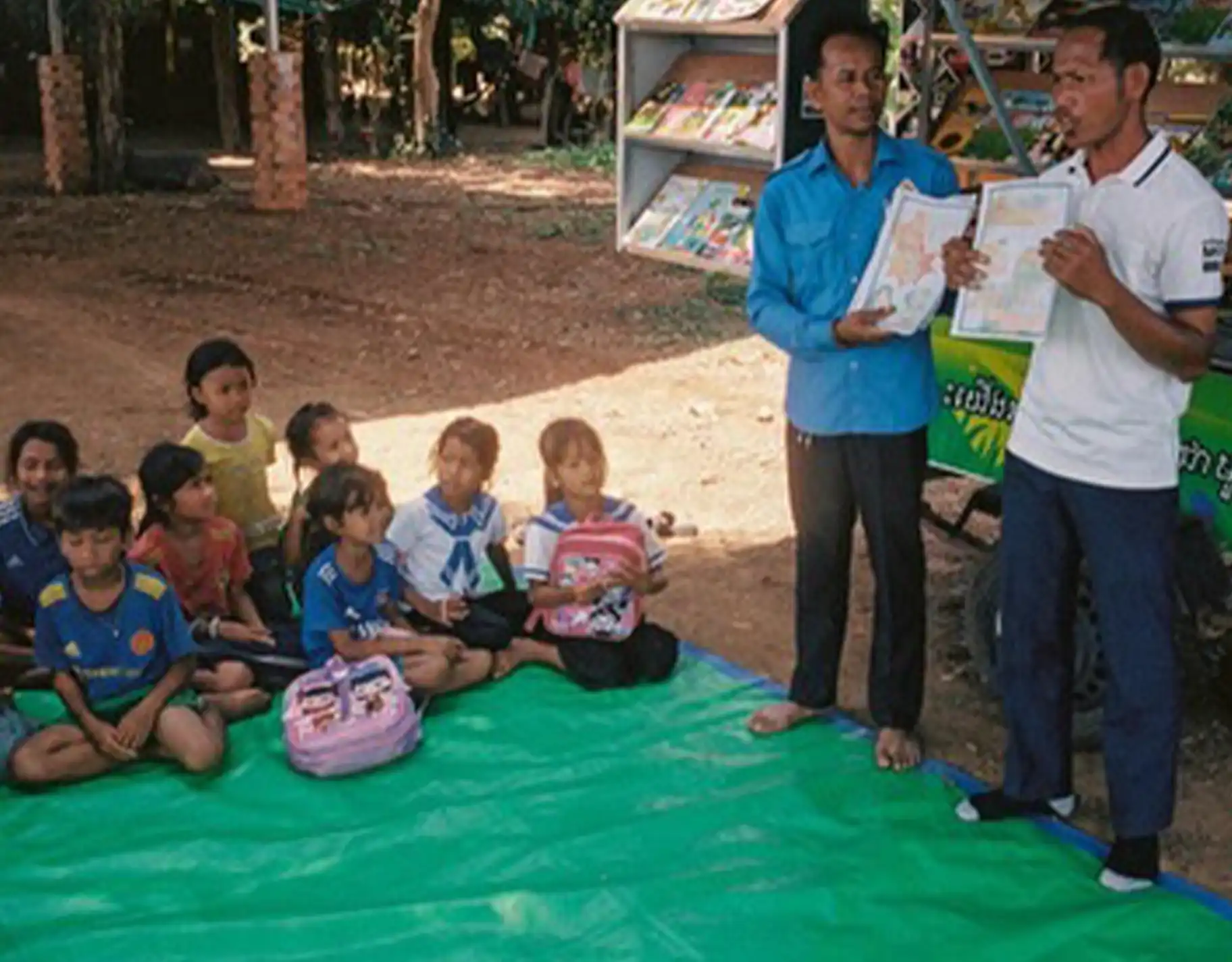
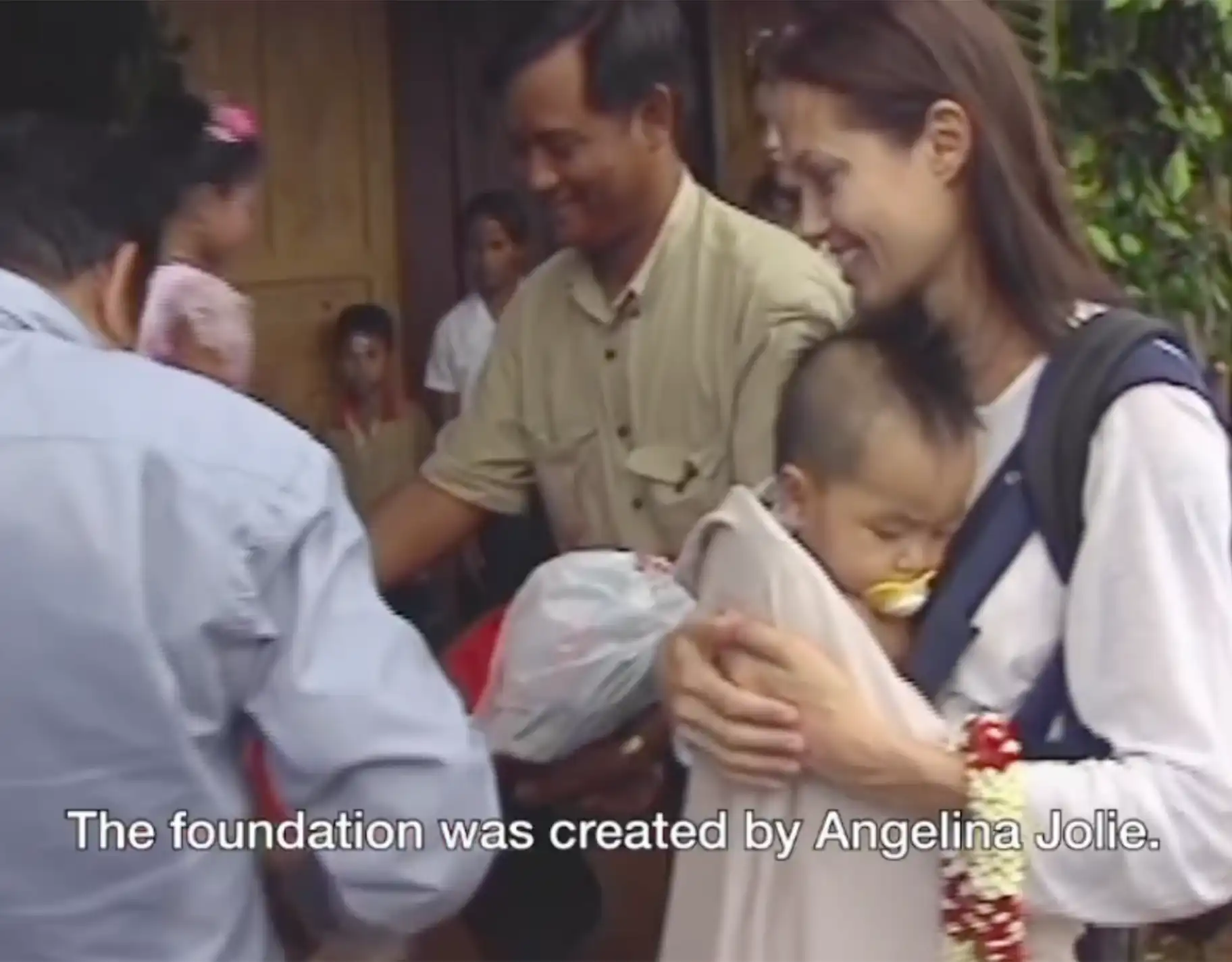
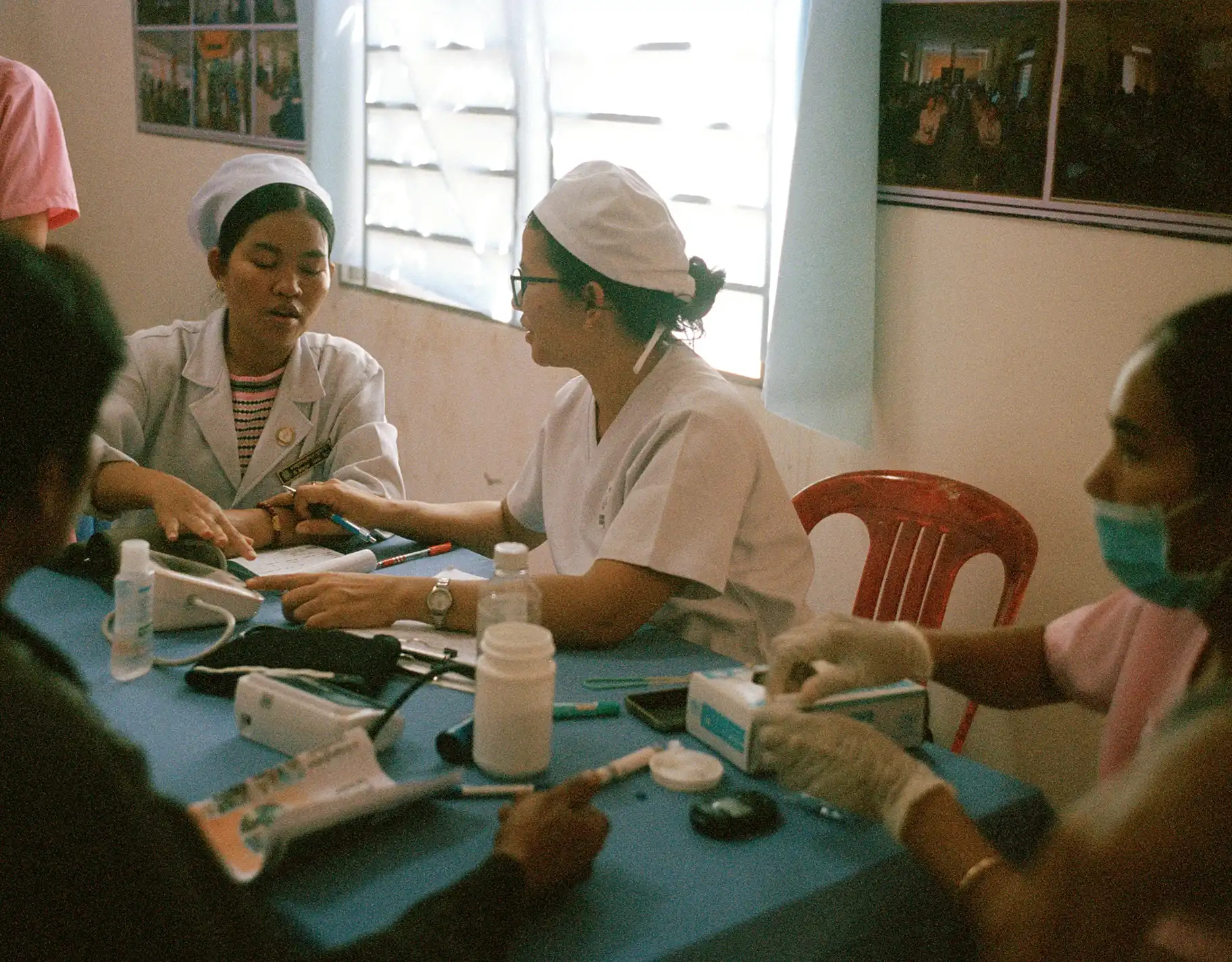
Jolie’s foundation in Cambodia works from that same view. Its Cambodian-led team handles demining, environmental conservation, healthcare, education, and rural development. It also runs a dormitory for students from remote areas and supports healthcare for mothers and young children.
For a teenager from a remote village, a dormitory can mean finishing school. For a newborn, good care for mother and baby shapes the first years. When services sit far away, small things like these can break the cycle of poverty.
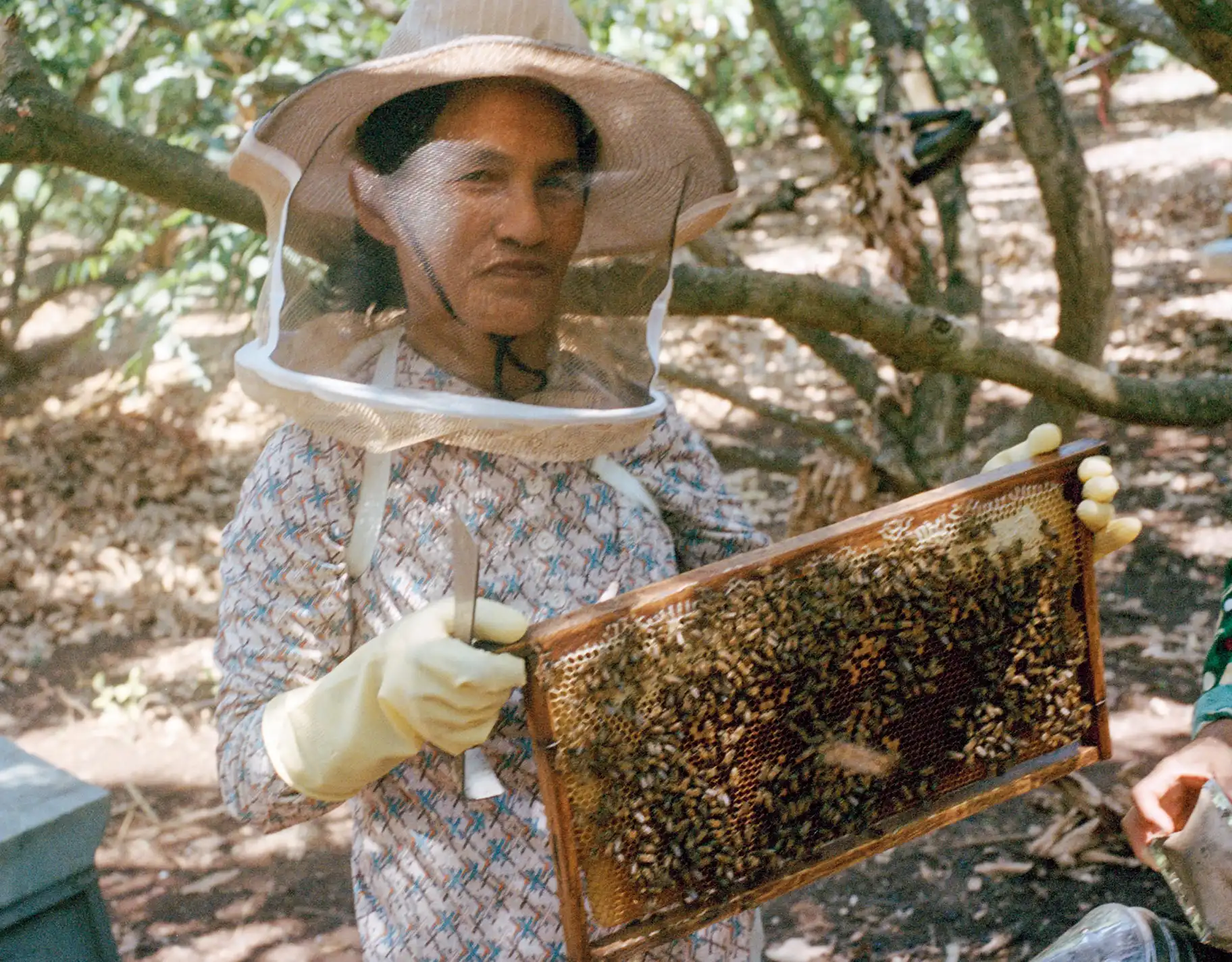
Work That Keeps Families Together
In Battambang, Cambodia, her foundation supports a beekeeping project that gives local communities a source of income.
Many Filipino households run on similar efforts. Women-led microenterprises, farmers, weavers, food producers, and artisans often carry the household budget and keep the community going. Goodwill helps, but they also need fair markets, capital, training, digital tools, and supply chains that value their work.
Jolie’s creative house, Atelier Jolie, launched in 2023 with a circular fashion model that tackles textile waste and humanitarian issues. She has said she wants to grow the brand globally and open new non-profit hubs abroad.
Filipino artisans and small business owners don’t have to copy the model. The part worth borrowing is that craft, culture, and community knowledge can bring in income and dignity once someone backs them.
What Cambodia Can Teach the Region
Cambodia belongs to ASEAN, and Jolie has worked there for years. Her foundation relies on Cambodian leadership and supports local teams instead of replacing them.
The summit carries the same idea: development lasts when communities help build it. The people closest to a problem usually know what a family needs, whether that’s a safer road to school, a clinic nearby, childcare so mothers can work, or digital tools that include small sellers.
The agenda covers financial health, digitalization for small businesses, and artificial intelligence. Families will judge inclusive growth by whether those topics reach the mother running a sari-sari store, the farmer recovering from a typhoon, or the student studying by lamplight in a remote barangay.
What Kids Pick Up From Us
Nobody expects every parent to become a humanitarian. Still, children learn values by watching what the adults around them notice.
A child who sees a parent chip in for a neighborhood drive, buy from a local maker, pay household helpers fairly, or speak up for someone others overlook learns that growth belongs to everyone, not just one household.
As ASEAN talks about becoming more resilient and inclusive, Jolie argues that economies rise when families have the tools to rise too. For parents, that can start at the dinner table, with one question about who in the neighborhood needs a hand.