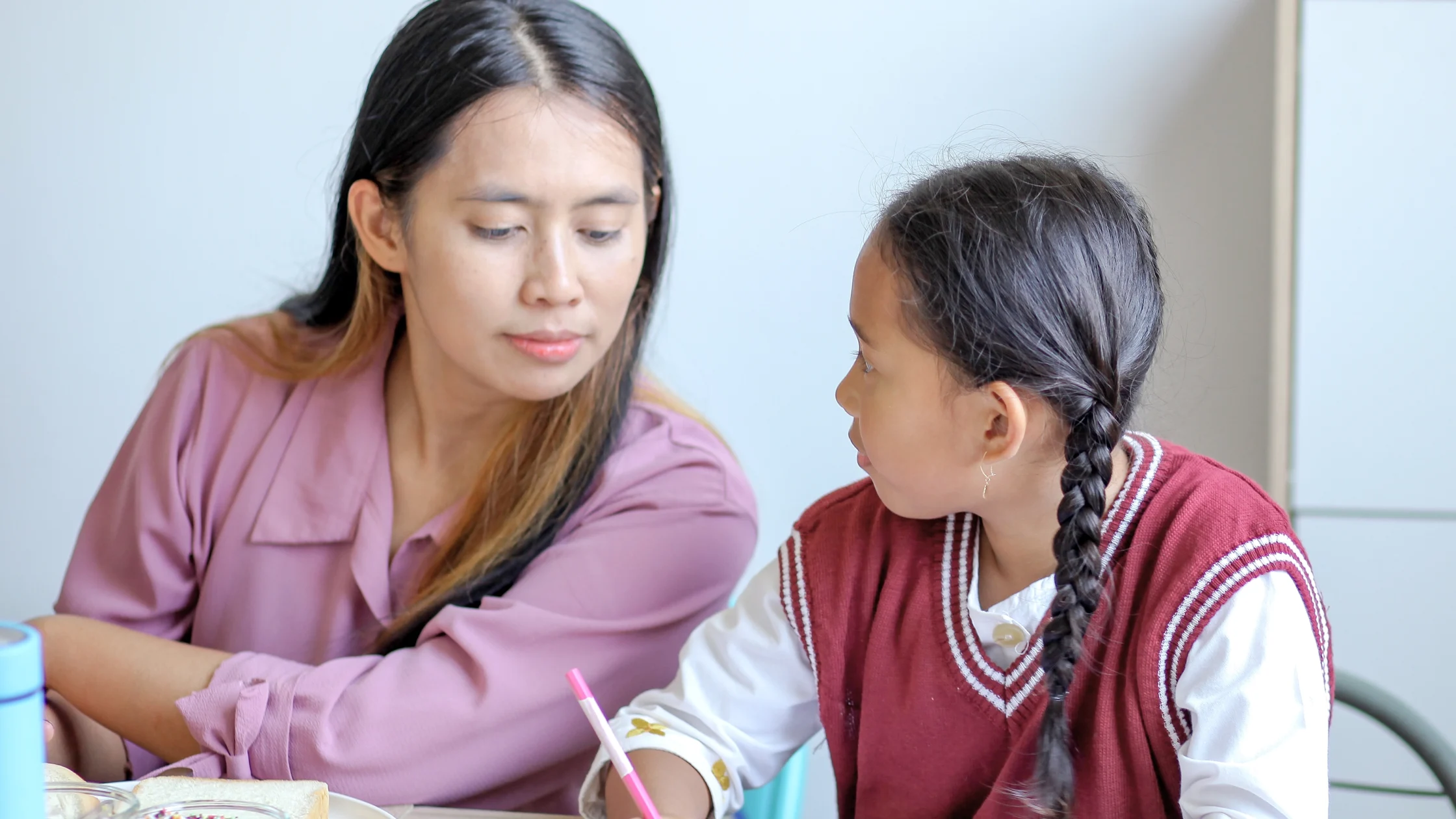
Solo Parent Benefits Process Being Streamlined For Easier Claiming


Even with the Expanded Solo Parents Welfare Act, some processes still need to be streamlined.
For many Filipino solo parents, the hardest part about government assistance is often not the parenting itself—it is the paperwork, long lines, repeated requirements, and bureaucratic maze attached to claiming benefits.
Recently, several measures filed in the House of Representatives of the Philippines are drawing attention for seeking to simplify applications and improve access to benefits under the country’s solo parentSolo ParentSolo parent is a specific Philippine legal designation under the Solo Parents' Welfare Act, recognizing individuals raising children alone due to circumstances like death, separation, or abandonment. The law provides welfare programs.
The proposals come as more solo mothers openly discuss the exhausting reality of balancing childcare, work, side hustles, and government requirements all at once. Many single parents juggle multiple “rakets” just to keep up with rent, tuition, medicine, and daily expenses—making time-consuming application processes another burden added to already stretched schedules.
What Is the Expanded Solo Parents Welfare Act?
Expanded Solo Parents Welfare Act or Republic Act No. 11861 was signed into law in June 2022 under the administration of former President Rodrigo Duterte. The law expanded the benefits first introduced under the Solo Parents’ Welfare Act of 2000.
The measure was primarily authored and championed in the Senate by Risa Hontiveros alongside other lawmakers advocating stronger protections for solo-parent households.
The law grants qualified solo parents additional support such as:
- PHP 1,000 monthly cash subsidy for low-income solo parents
- Additional parental leave benefits
- Discounts on baby products, medicine, and milk supplements
- Priority access to housing, scholarships, and livelihood programs
However, despite the law’s broader protections, many parents have reported difficulty accessing these benefits because of complicated verification systems, inconsistent local implementation, and repeated documentary requirements.
Recent proposals in Congress aim to streamline the process, reduce unnecessary barriers, and improve coordination between local government offices handling solo parentSolo ParentSolo parent is a specific Philippine legal designation under the Solo Parents' Welfare Act, recognizing individuals raising children alone due to circumstances like death, separation, or abandonment. The law provides applications. Some of the House Bills include the following:
- House Bills No. 6328 and 8256 seek stronger enforcement of existing solo parent laws.
- House Bill No. 2372 proposes simplifying solo parent registration under Republic Acts No. 8972 and 11861.
- House Bill No. 1030 wants to remove barangay certification requirements for solo parent ID issuance. House Bills No. 240, 2059, 2231, 3059, 4088, 5331, 6979, 6995, 7310, and 8088 aim to expand solo parent benefits, including:
- Financial assistance
- Mental health and wellness support
- Parking fee exemptions
- House Bill No. 1423 proposes allocating 6% of barangay budgets for solo parents and sectoral programs.
- House Bill No. 2057 seeks to include solo parents in the Social Reform and Poverty Alleviation Act.
- House Bill No. 6330 aims to penalize derogatory remarks against solo parents based on social status.
- House Bill No. 8120 seeks free tertiary education and mandatory tuition discounts for children of solo parents.
- House Bill No. 2057 has been referred to a technical working group.
- House Bill No. 6979 would also expand travel tax exemptions to include solo parents.
Making the Lives of Single Parents Easier
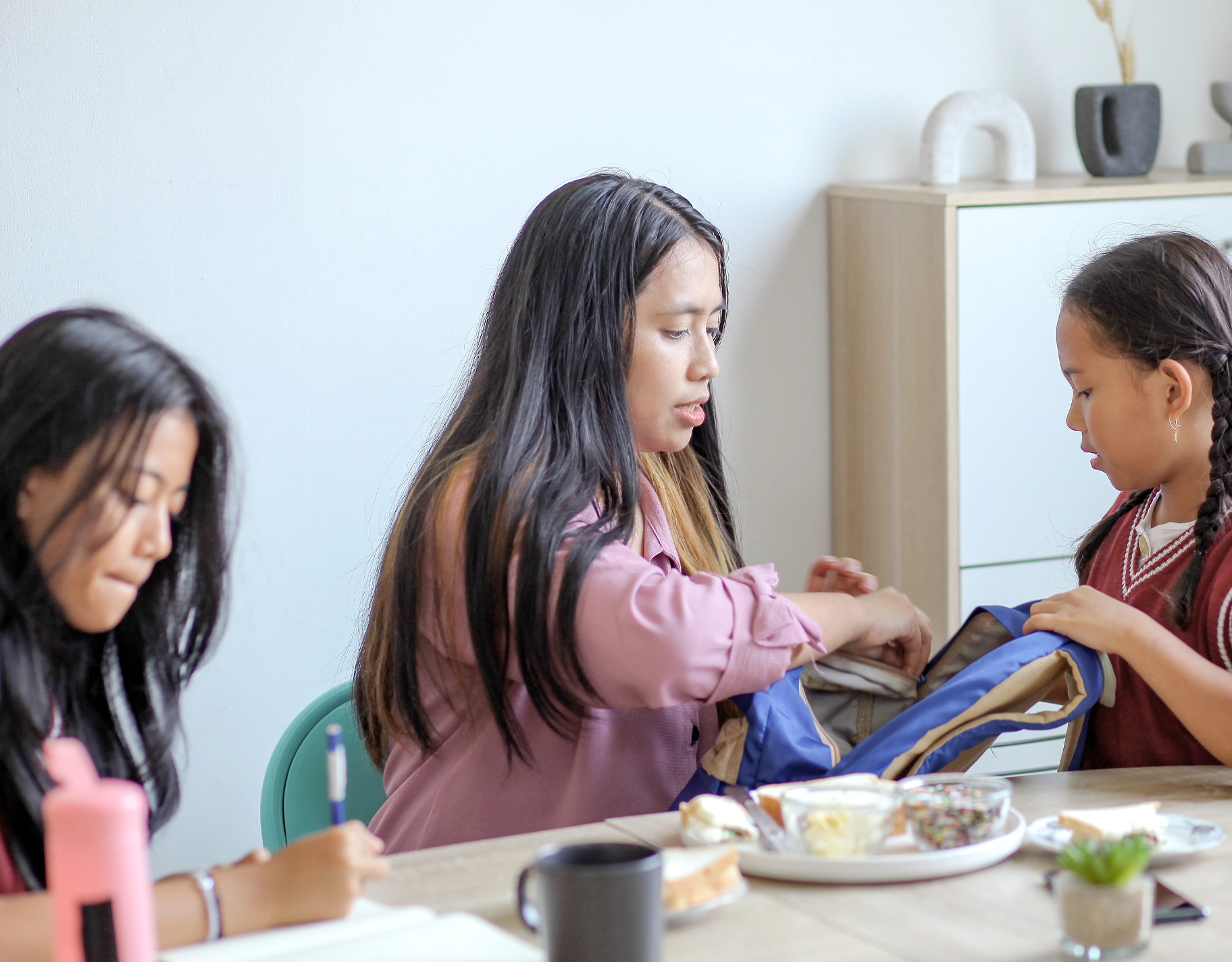
Behind every solo parentSolo ParentSolo parent is a specific Philippine legal designation under the Solo Parents' Welfare Act, recognizing individuals raising children alone due to circumstances like death, separation, or abandonment. The law provides ID application is usually a single mother or father making “just enough” to either break even for the day or the month. It’s also a lot more for parents raising children with medical needs, developmental conditions, or ongoing therapy expenses. Every delayed subsidy or difficult application process directly affects the household budget.
Solo parenting already demands emotional, financial, and physical labor daily. The goal of the law was never simply to create benefits on paper—but to make support genuinely reachable for the families who need it most.
Frequently Asked Questions
It is a Philippine law that expanded benefits and protections for qualified solo parents, including subsidies, parental leave, and discounts on essential goods.
The law was signed in June 2022.
Qualified solo parents include widowed, abandoned, separated, unmarried, or primary caregivers solely responsible for raising a child.
The proposed measures aim to simplify applications and reduce bureaucratic barriers that make claiming benefits difficult for many solo parents.
Many solo parents manage childcare and household expenses alone while juggling multiple jobs or rakets to support their children.
More about being a solo parent?
Kylie Padilla On Encantadia Return and Raising Two Kids
Jean and Jennica Garcia on Life As Single Parents
Risa Hontiveros: The Single Parents’ Voice and Champion