South Korea’s Phone Ban in Schools: What It Means for Kids and Parents Everywhere



The new law will take effect in 2026 to curb smartphone addiction, backed by multiple studies
It’s become nearly impossible to go a day without using a smartphone. We message, call, scroll, and take photos with them. But for many parents and educators, growing reliance on smartphones—especially among children—has become a serious concern. And in South Korea, that’s about to change.
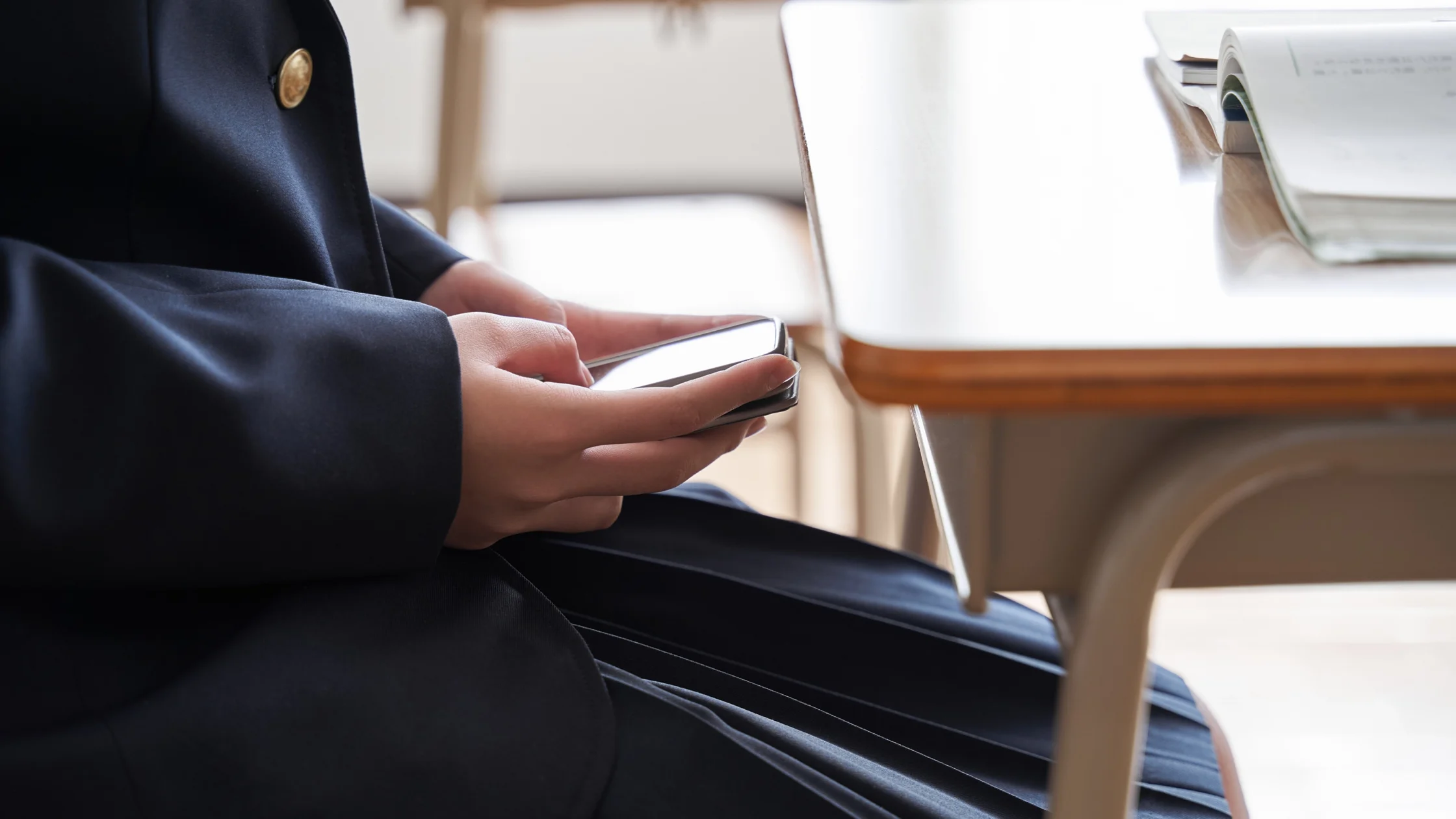
In a bold move to address smartphone addiction among students, South Korea has passed a law banning smartphone use in schools, set to take effect in March 2026. The bipartisan legislation targets the rising impact of screen timeScreen TimeThe hours a child spends on phones, tablets, TV, and games. Pediatric groups advise little to no screen use for toddlers and limited, high-quality content for older kids, with family on students’ mental healthMental HealthA person's emotional, psychological, and social well-being, which affects how children and parents think, feel, and cope. Open conversations, regular routines, and timely help from professionals make it easier for, sleep patterns, and academic performance.
But the question remains: Will it work?
Lawmakers Say the Problem Is Urgent
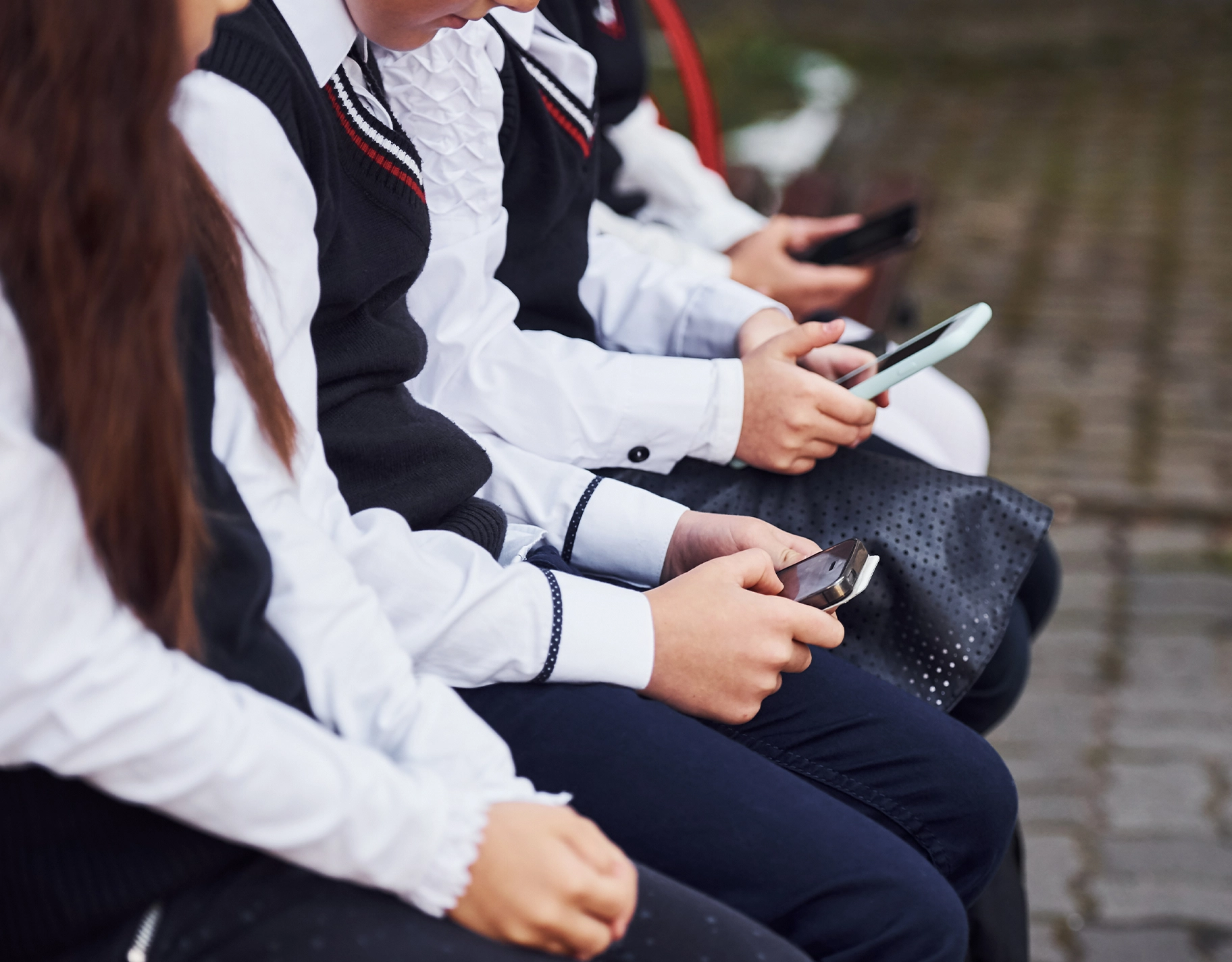
Lawmakers, parents, and teachers have long expressed concerns that excessive phone use is negatively impacting students’ studies and overall well-being.
In a Reuters report, lawmaker and bill sponsor Cho Jung-hun called the addiction “a serious level.”
“Our kids, their eyes are red every morning. They are on Instagram until 2 or 3 a.m.,” he told Parliament.
Data from South Korea’s Ministry of Education supports these concerns:
- 37% of middle and high school students said social media negatively affects their daily lives
- 22% reported feeling anxious when they can’t access it
While some schools in South Korea had already implemented phone restrictions, the new law formalizes a nationwide policy. Exceptions will be made for students with disabilities or for educational use under teacher supervision.
Mixed Reactions from Teachers and Students
Though many educators and parents welcomed the law, not everyone agrees with an outright ban. Some students and youth groups argue that it restricts their freedom and fails to address the root problem—how smartphones are used.
The Korean Teachers and Educational Workers’ Union has yet to take an official stance, but individual members have raised concerns about limiting access to phones.
“In the current reality, students have no place to meet friends outside of cram schools except through KakaoTalk or Instagram,” said Cho Young-sun, a high school teacher, in an interview with BBC News. “They are constantly pushed into competition at school.”
One student interviewed by the BBC added that banning phones in school ignores the reality that students still use them on the commute home or late at night. Instead, they suggest education on responsible usage would be more effective.
A Global Debate: Where Do Other Countries Stand?
South Korea is not alone in rethinking kids’ relationship with screens.
In 2024, Australia passed a law restricting social media access for teens under 16. The use of platforms like YouTube is also under challenge.
Meanwhile, the Philippines is considering similar measures with a bill proposed by Senator Ping Lacson, modeled after Australia, that aims to regulate minors’ use of social media, impose age restrictions, and introduce penalties for violations.
Child rights advocates in Southeast Asia, however, are cautious. During a TikTok forum last July, Hazel Joy Bitaña, deputy regional executive director of Child Rights Coalition Asia, emphasized the need to examine such laws in a broader social context.
“Because, for example, where do they follow the hashtag #walangpasok when they pass off things like that? But, you know, especially in our context in the Philippines, we have a lot of migrant parents, and social media is a way to connect. So we also need to look at this in a more holistic perspective.”
Many schools have already adopted their own rules about phone use—some limiting it, others integrating it into classroom learning.

Why This Matters for Parents Everywhere
Smartphones are here to stay. For parents, the challenge isn’t just about removing devices—it’s about teaching kids how to use them wisely.
Digital habits start early. Setting clear rules, modeling mindful screen use, and talking openly about online behavior can make a significant difference. As South Korea’s new law takes shape, it opens up a larger conversation: How do we guide kids in a digital world without disconnecting them entirely?
More on social media and tech issues!
What Role Does AI Play In Education?
Hey Kids! Social Media Is A Big Responsibility
3 Important Laws Parents Should Know Protecting Their Kids On and Offline