Stronger Together: Perimenopause Without Shame



At an event for perimenopause awareness, Onelife’s Tanya Aguila and SecondSpring’s Jasmin Vinculado answered the questions many women are afraid to ask
Tanya Aguila works in women’s health and movement, and she still missed it. At 42, she says she “didn’t realize I could be postpartum, pursuing fertility, and already experiencing perimenopause at the same time.”
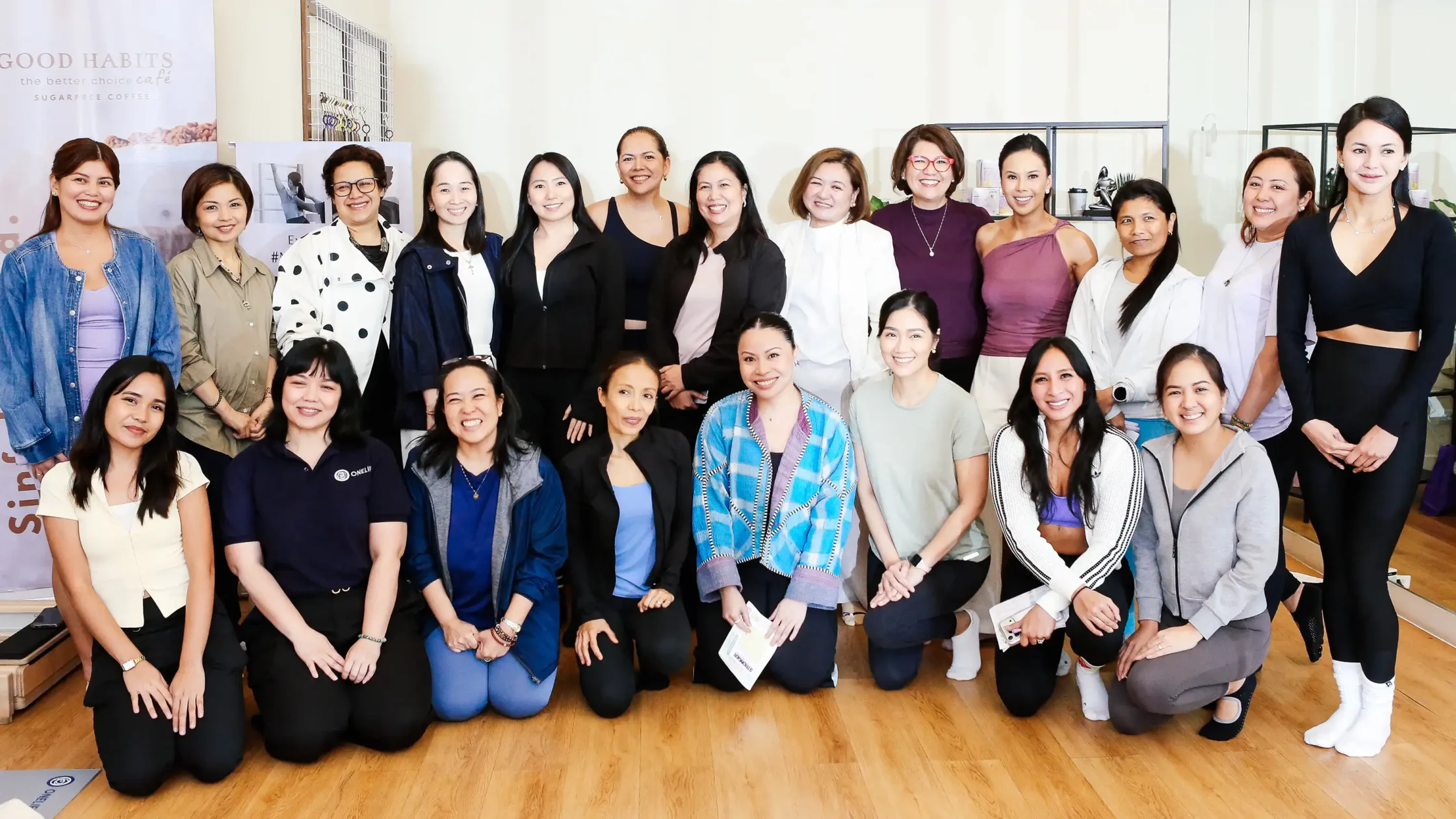
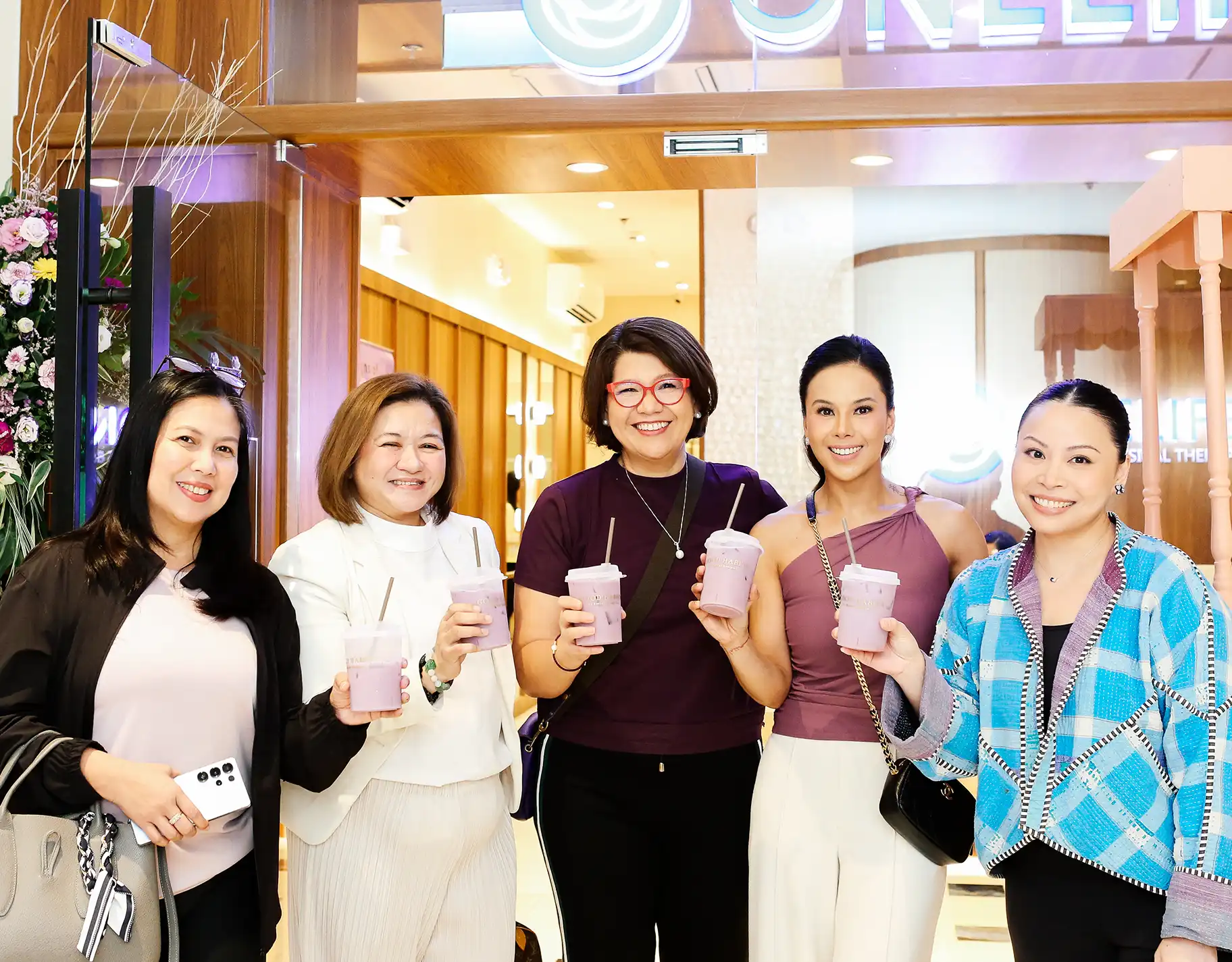
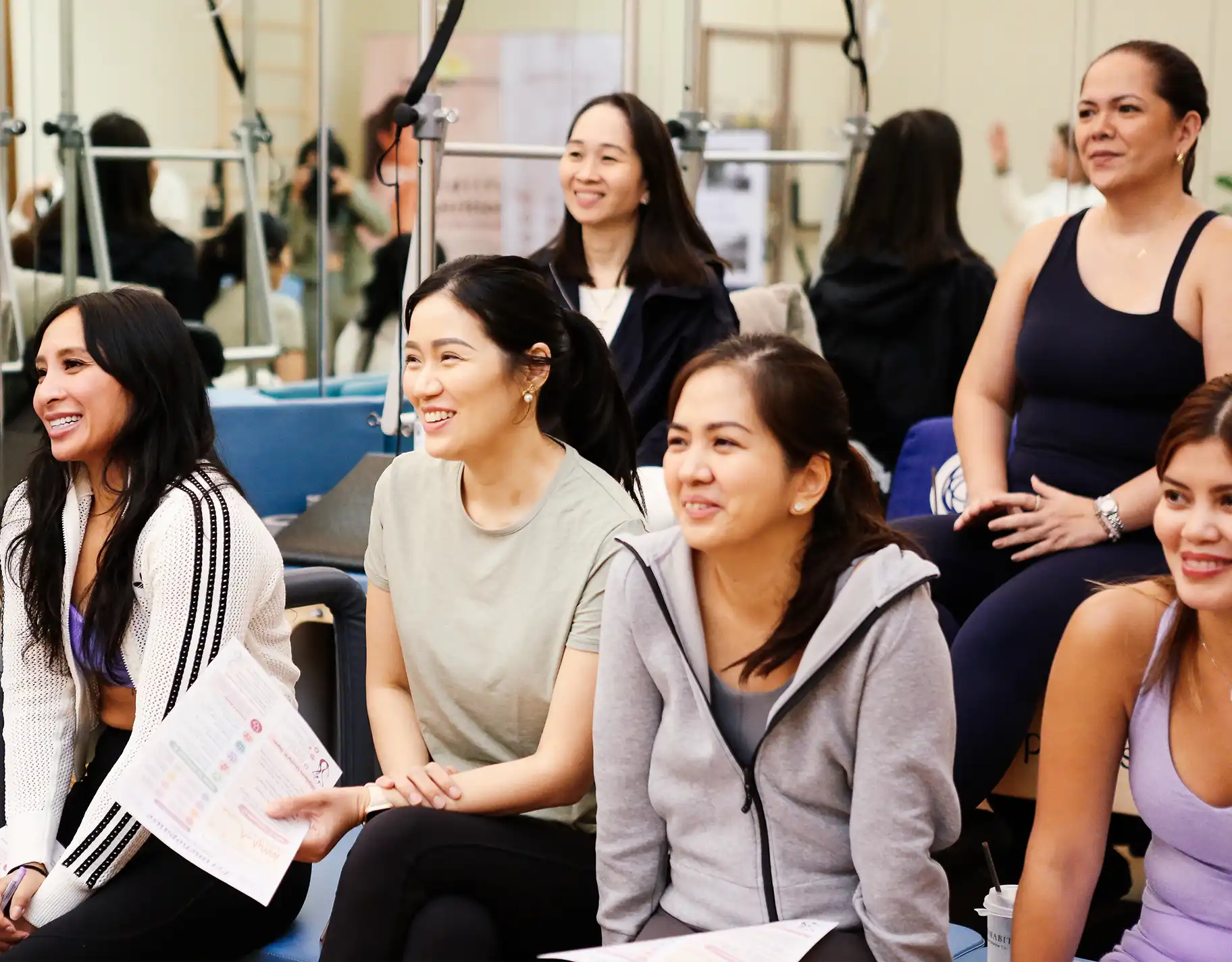
Her story is why “Stronger Together” happened. During Perimenopause Awareness Month, Onelife and SecondSpring, with support from Good Habits PH, gathered women at Shangri-La Plaza to talk about a life stage that still gets whispered about. Tanya spoke for movement. Jasmin Vinculado of SecondSpring, a nutritionNutritionThe process of obtaining and using nutrients from food to support growth, energy, overall health, and proper body function. brand formulated for peri/menopause, spoke for food.
Why Does Perimenopause Go Unnoticed?
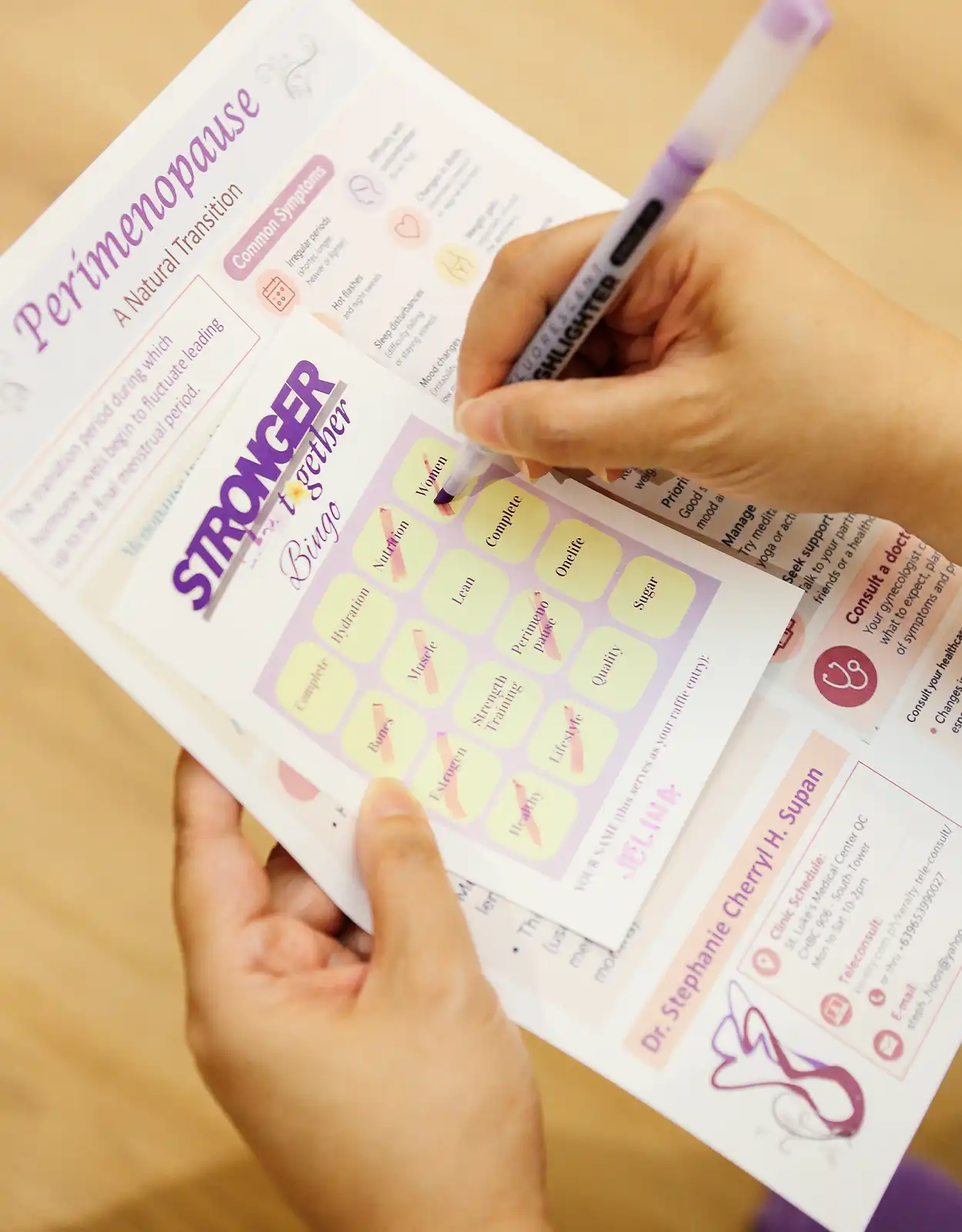
Because it doesn’t look the way we expect. Most of us link menopause to a missed period, Tanya explains, when perimenopause can begin up to 10 years earlier. Filipinas reach menopause in their late 40s on average.
The symptoms are easy to blame on something else: anxiety, panic attacks, poor sleep, brain fog, fatigue, joint aches, a change in body odor. “Is this stress? Am I just getting older? What is happening to me?” Tanya says women ask themselves.
Jasmin says that exactly how it gets dismissed, as stress or aging, something our moms and lolas endured in their time. Her answer: “Perimenopause is inevitable, but it doesn’t have to be unbearable.”
What Does Movement Look Like Now?
For Tanya, the shift starts with why. Estrogen swings touch muscle, bone density, recovery, sleep, and joint comfort. Pelvic floor changes can appear for the first time, too: leaking, urgency, a feeling of heaviness. Exercise, she says, stops being about calories and starts being about protecting what you want to keep.
That means a mix, not a single best workout. Strength work such as Pilates or weights protects muscle and bone. Walking and mobility keep joints comfortable. After a bad night’s sleep, a gentler session is the smarter call.
“Instead of asking, ‘What workout should I be doing?’, I prefer, ‘What does my body need right now?”, Tanya adds.
For a first-time, she suggests an assessment, then one to two personal training sessions a week and 15 to 30 minutes of walking. Her mantra: “Consistency over intensity, progress over perfection.
How Much Protein Do You Need?
Jasmin picks up where movement leaves off. After 40, she explains, muscles respond less efficiently to protein, a shift called anabolic resistance. The body needs more just to keep what it has, not to build.
Her target is at least 1 to 1.2 grams per kilogram of body weight daily, or 1.2 to 1.6 grams if you strength train. Spread it out, 20 to 30 grams per meal, rather than a light breakfast and a big dinner.
And it isn’t for gym days only. “Protein is not a gym thing,” she says.
Filipino kitchens have the tools. Eggs, tokwa, taho, monggo, bangus, tilapia, and chicken all count. Let the ulam lead and the rice play support, and try eggs and kesong puti with your pandesal instead of coffee alone. Supplements can close a gap, she says, but they’re backup.
Where Do Movement and Nutrition Meet?
Jasmin calls it “midlife math.” Protein times strength training equals muscle. “If either one is zero, so is the result.”
Tanya reaches the same place from the other side. Both, she says, should be about nourishment, not punishment.
What Small Habit Can Women Start Today?
Tanya: Notice. Pay attention to your sleep, energy, mood, and the aches you used to brush off, before your body forces the issue.
Jasmin: Eat protein at breakfast. It’s what she’d tell her 35-year-old self, who thought a pastry and coffee was enough.
The event also included an open Q&A, room for women to share stories without judgment, and health-minded treats from Good Habits PH.
Frequently Asked Questions
It can start as early as the mid-30s, and up to 10 years before menopause, which averages the late 40s among Filipinas.
Anxiety, poor sleep, brain fog, fatigue, joint aches, body odor changes, and pelvic floor issues such as leaking are common.
At least 1 to 1.2 grams per kilogram of body weight daily, or 1.2 to 1.6 if you strength train.
Tanya describes it as a controlled, adaptable way to build strength while supporting balance, mobility, and joint health. Get assessed first, especially with low bone density or recurring pain.
Yes. Muscle loss continues without exercise, and protein helps you keep muscle on inactive days.
More on perimenopause
Why It’s Time We Talk About Perimenopause
Everyday Habits That Can Make Menopause Easier for Women
SecondSpring PH: Empowering Filipino Women Through Midlife