TikTok’s New Family Guide Gives Parents a Better Way to Talk to Kids About Online Safety



Worried about TikTok’s influence on your child? The new #ThinkTwice Family Guide encourages Filipino parents to build safer digital habits through trust, conversation, and practical boundaries—not just restrictions.
It’s kind of unnerving for some to use TikTok and kids in the same sentence. For many parents, TikTok can feel like opening the door to an endless stream of videos and hoping nothing unpleasant walks in. One clip may be funny and harmless; the next could expose a kid to content they are not ready to understand.
But completely cutting kids off from technology isn’t necessarily the answer. Not all TikTok content is bad. The warning bells should start ringing when children begin doomscrolling without understanding what they are watching—or when scrolling starts affecting sleep, school, play, and family time.
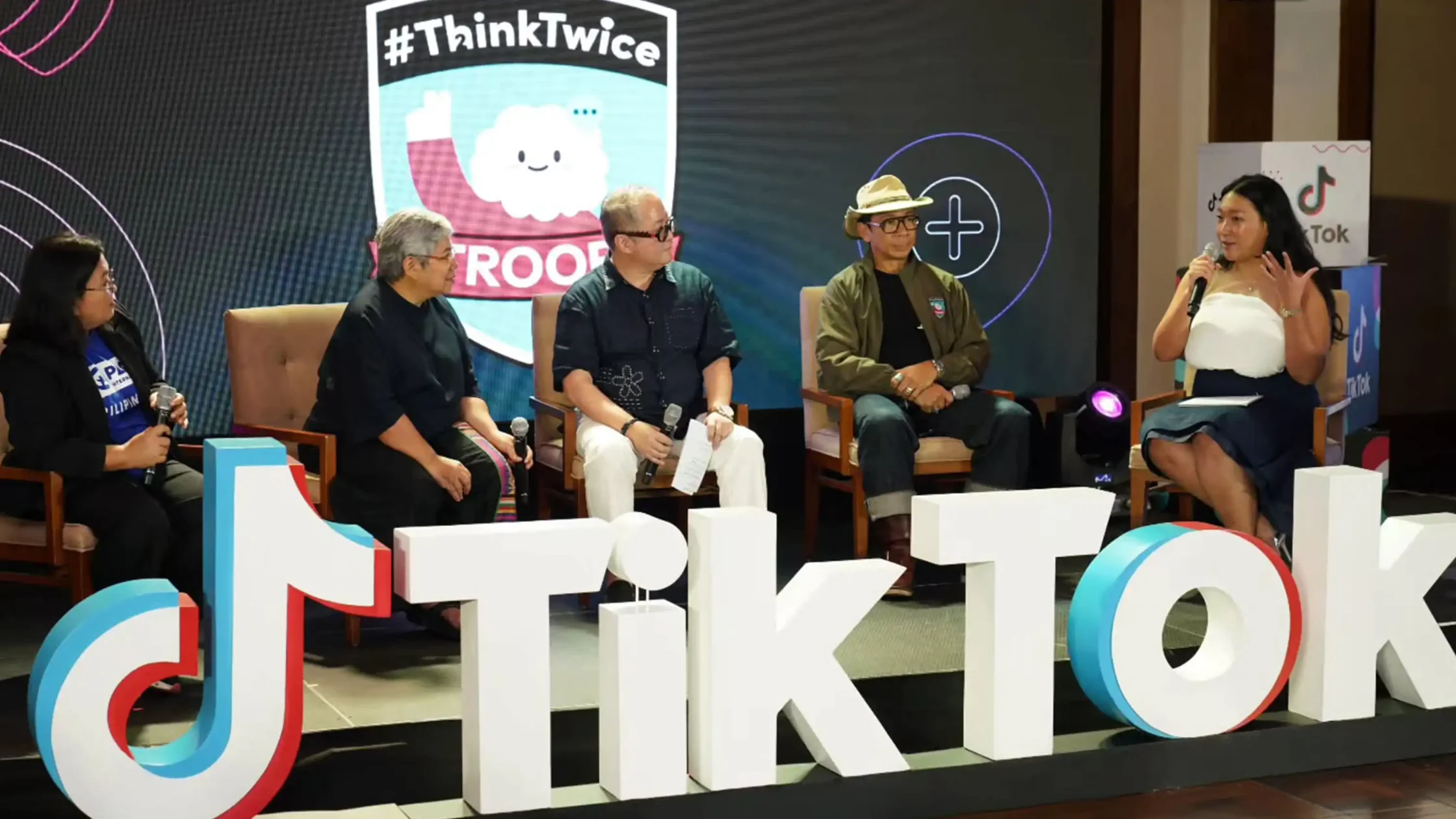
TikTok recently launched its #ThinkTwice Family Guide in the Philippines with Child Rights Coalition-Asia, Child Rights Network, and Plan International Pilipinas. The guide offers conversation starters, reflection activities, digital safety tips, and information about TikTok’s safety and privacy features.
The guide can be accessed by searching “Think Twice” on TikTok, which leads families to the #ThinkTwice Digital Check-In Hub.
As TikTok Public Policy Head for the Philippines Yves Gonzalez explained, the initiative is rooted in the idea that “building healthier digital habits requires more than rules—it requires open conversations, mutual understanding, and practical tools that families can use together.”
Why Do Kids Love TikTok?
The appeal isn’t exactly a mystery. TikTok is fast, colorful, musical, and constantly changing. Songs, memes, trends, filters, and video edits can make ordinary moments look like a hyperactive modern-day Looney Tunes—everything sped up, exaggerated, and engineered to keep young eyes watching.
The bigger concern is that kids don’t always understand the content being peddled to them. Younger children may rarely have an account of their own and instead watch through a parent’s account, potentially giving them access to content intended for older audiences.
That is why simply saying “Don’t watch that” may not be enough. Parents need to understand what attracts their children to the platform in the first place.

Teaching Kids How to Self-Moderate
Digital parentingDigital ParentingGuiding children's use of phones, tablets, games, and social media with rules, tools, and conversation. Parent controls, shared screen spaces, and honest talks about online risks teach kids to be doesn’t mean becoming the internet’s security guard.
Council for the Welfare of Children Undersecretary Angelo Tapales emphasized that parents aren’t expected to monitor every click or know every application. Instead, he stressed that “what matters most is building trust so children feel safe to ask questions, seek guidance, and report concerns when something online doesn’t feel right.”
Plan International Pilipinas similarly encouraged parents to become trusted digital guides, rather than “technology police.” The goal isn’t to remove children from the digital world but to give them the skills to navigate it critically and responsibly.
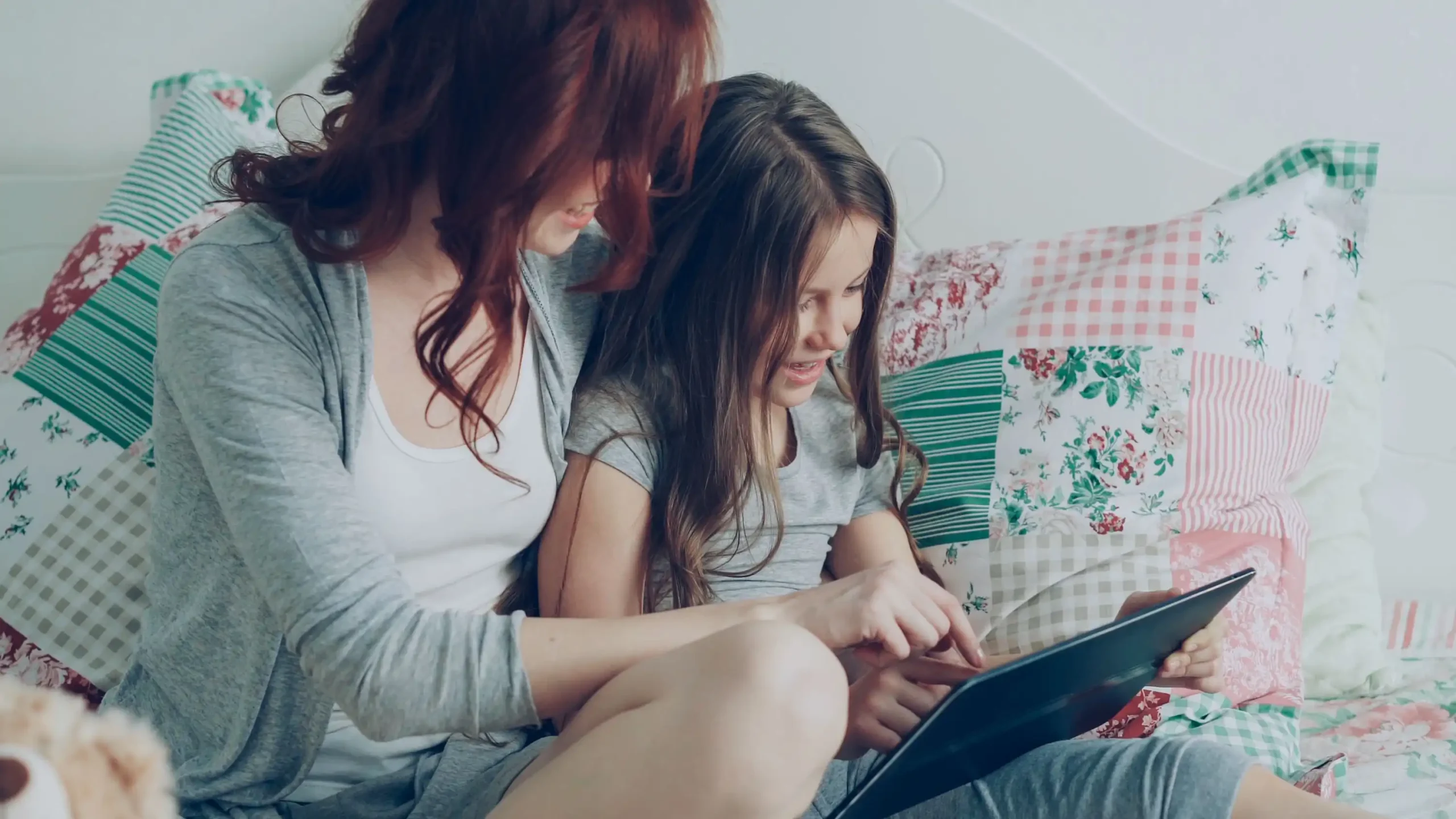
Parents can start small: watch TikTok together, ask children what they enjoy, explain why certain videos keep appearing, and establish routines around sleep and screen timeScreen TimeThe hours a child spends on phones, tablets, TV, and games. Pediatric groups advise little to no screen use for toddlers and limited, high-quality content for older kids, with family.
Developmental and behavioral pediatricianPediatricianA doctor who specializes in the health of babies, children, and teens. Regular visits for checkups, growth tracking, and vaccines give parents a trusted guide, and a good pediatrician listens Dr. Francis Dimalanta offered a useful TEEN reminder: put Teens first, Establish daily routines, support Emotional regulation, be Now or present, and Spark conversations.
TikTok also says teen accounts have more than 50 preset safety and privacy features, including private accounts, content restrictions, and daily screen-time limits. As the platform notes, these tools are designed so that “families can make informed choices and shape a safer, more age-appropriate experience for teens.”
Technology isn’t going away. The better goal is raising children who know when to put the phone down—and, just as importantly, know they can come to Mom or Dad when something online doesn’t feel right.
Frequently Asked Questions
Some studies will argue that the shortened form of the content does affect attention span. However, not all content is necessarily bad.
It is a localized resource for Filipino families featuring conversation starters, reflection activities, digital safety tips, and information about TikTok’s safety tools.
Doomscrolling, difficulty stopping, disrupted sleep, declining school engagement, and reduced family or offline activities can be warning signs.
Not necessarily. Teaching children how to recognize inappropriate content and regulate their own use can prepare them to navigate technology more independently.
Use privacy and content controls, establish healthy routines, explore the platform together, listen without immediately judging, and encourage children to report uncomfortable experiences.
More about TikTok?
TikTok’s New Safety Features Help Parents Guide Teens Online
Gaming, YouTube & TikTok: What Filipino Kids Really Watch
Parenting in the TikTok Era: What Really Matters