Touch the Weave, Play the Beat


Museo Pambata marks National Children’s Month with two exhibits opening on November 24
For parents, taking their children to see the country’s culture has to be interactive and visual. Kids want to touch, tap, and try. This is why many museums have been coming up with exhibits and showcases to introduce the country’s textiles and music in ways little hands can actually reach.
Here’s the good news: at Museo Pambata’s newest exhibits, touching is the whole point.
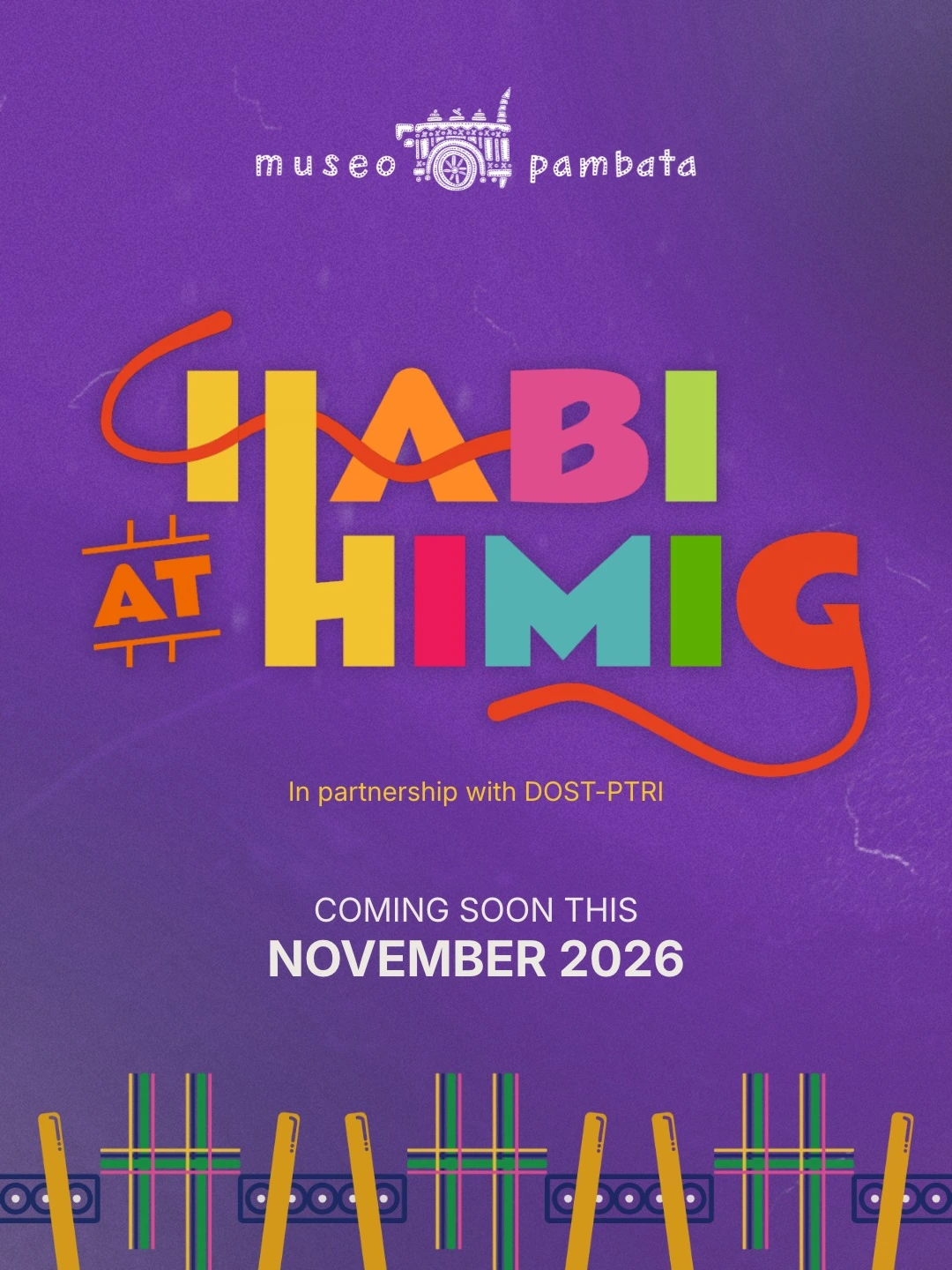
To mark National Children’s Month, the country’s pioneering interactive children’s museum is holding its first-ever day festival, Likha’t Laro sa Museo, on November 24. Headlining the day are two new exhibitions, Habi at Himig and Tik, Tak, Tak-a-Tak, both built for curious hands and busy ears.
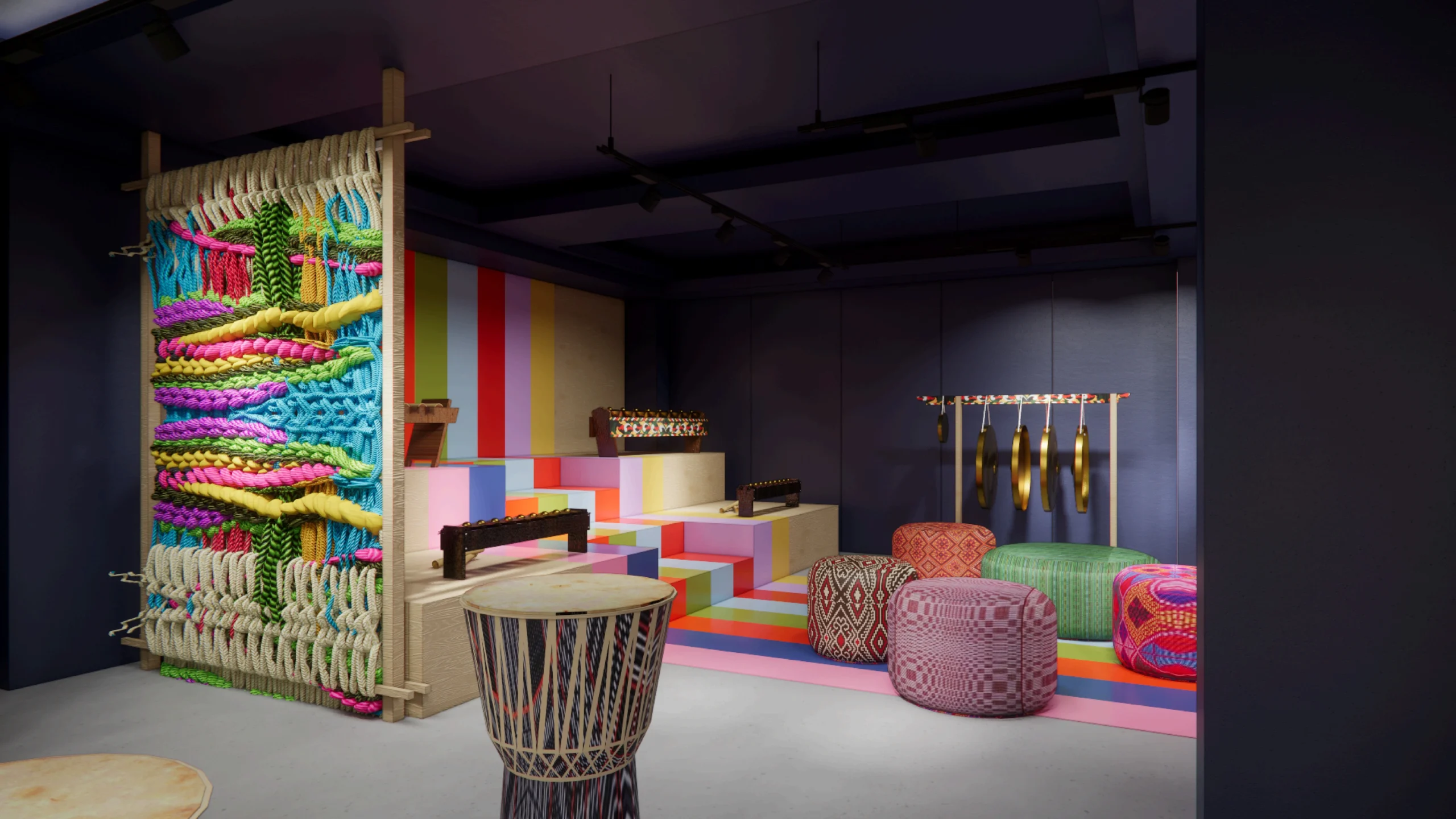
Habi at Himig renders from Lichauco Nazareno
A playground for the senses
Habi at Himig pairs Philippine heritage weaves with traditional instruments, and the idea behind it is lovely in its simplicity: weaving and music share a rhythm. A pattern repeats on a loom the way a beat repeats on a gong.
“We wanted to create a playground for the senses,” says Wilma Huang, President of Museo Pambata. “Filipino children can touch the handwoven fabrics and play the traditional instruments.”
The room was developed with the Department of Science and Technology–Philippine Textile Research Institute (DOST-PTRI) and designed by Nazareno-Lichauco. Its concept draws from the Philippine Pavilion at the Venice Biennale, Andi taku e sana, Amung taku di sana (All of us present, This is our gathering), reworked into a space made for kids.
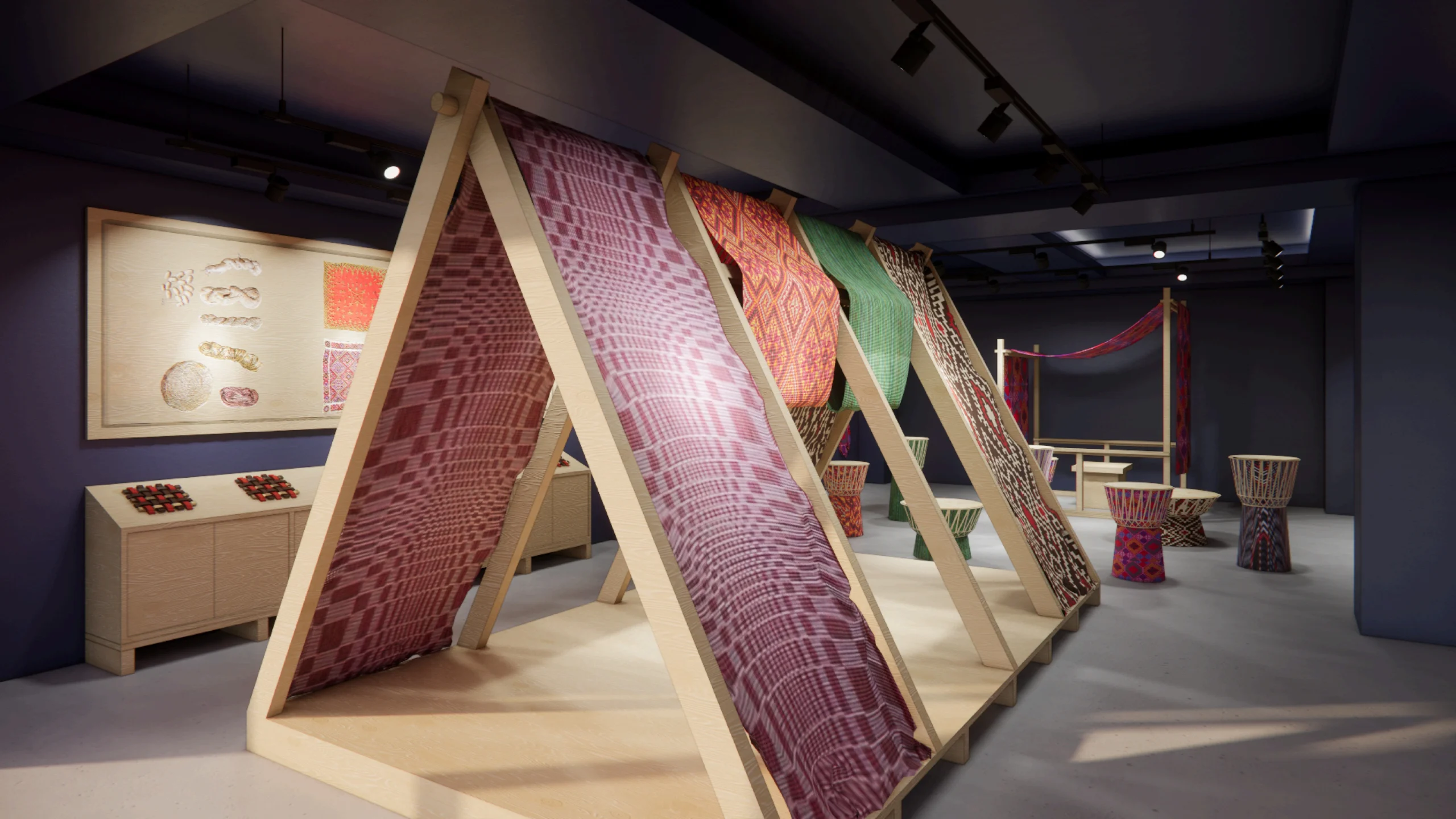
Habi at Himig renders from Lichauco Nazareno
A tour of the islands, one fabric at a time
Little fingers get to explore textiles from all three major island groups:
- Luzon: Inabel (Binakol and Kantarines), Ifugao Ikat, and Kundiman
- Visayas: Piña Seda
- Mindanao: Inaul, Yakan, Binaludan, and the abaca-based T’nalak and Dagmay
“We want to show children that these indigenous materials are not ‘old’ relics,” Wilma says. “They are living, functional, and beautiful crafts.”
Here’s a good tip for your kids. Ask them how each fabric feels. Rough? Smooth? Shiny? It’s an easy way to turn a quick touch into a real conversation about where it came from.
Music from two cultures
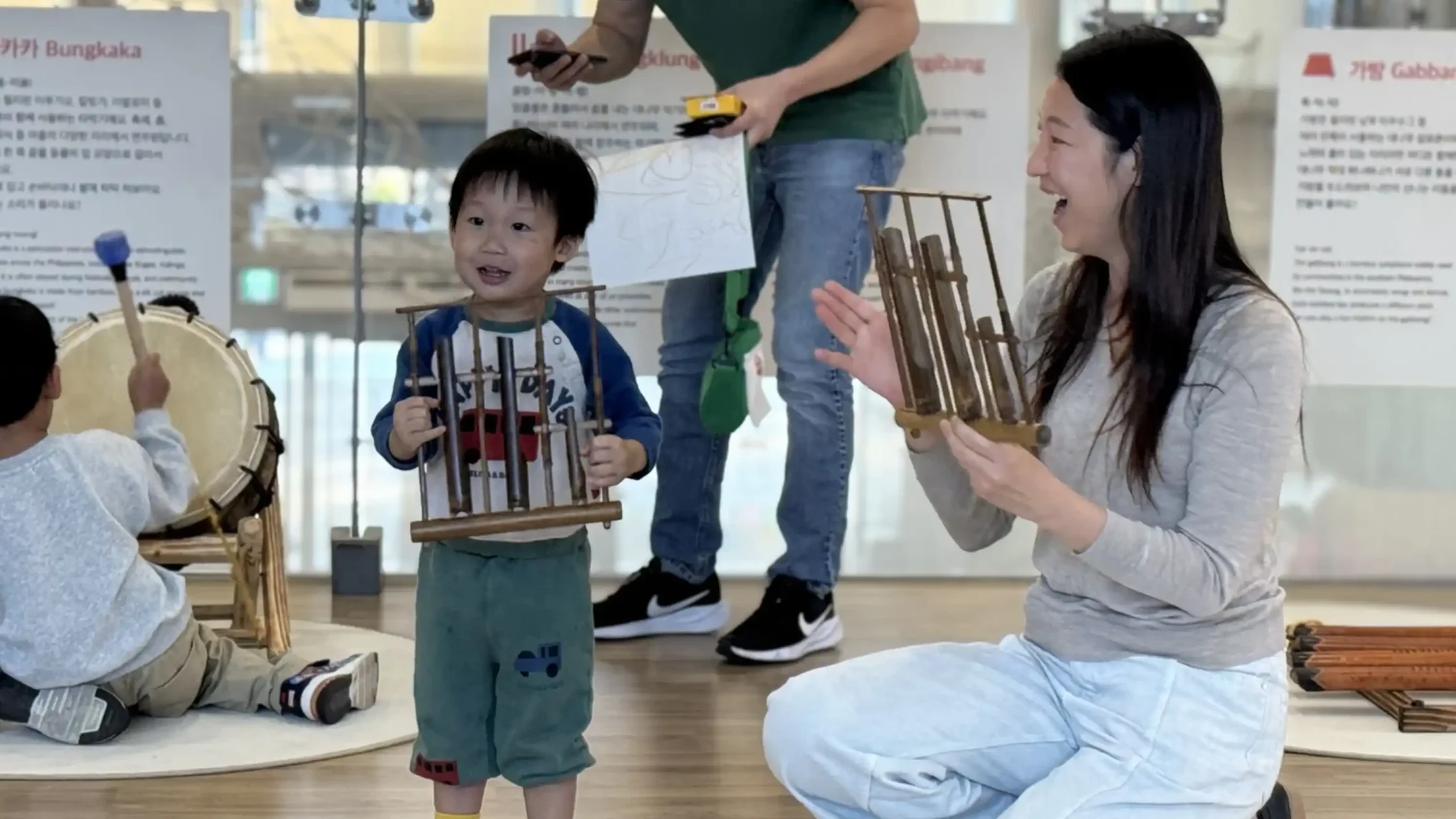
The music corner is all percussion, which means one thing: it’s going to be loud, and your kids are going to love it. They can try the gangsa, the kulintang (a row of small gongs laid out in a line), and the bangibang (a wooden percussion bar used in northern rituals).
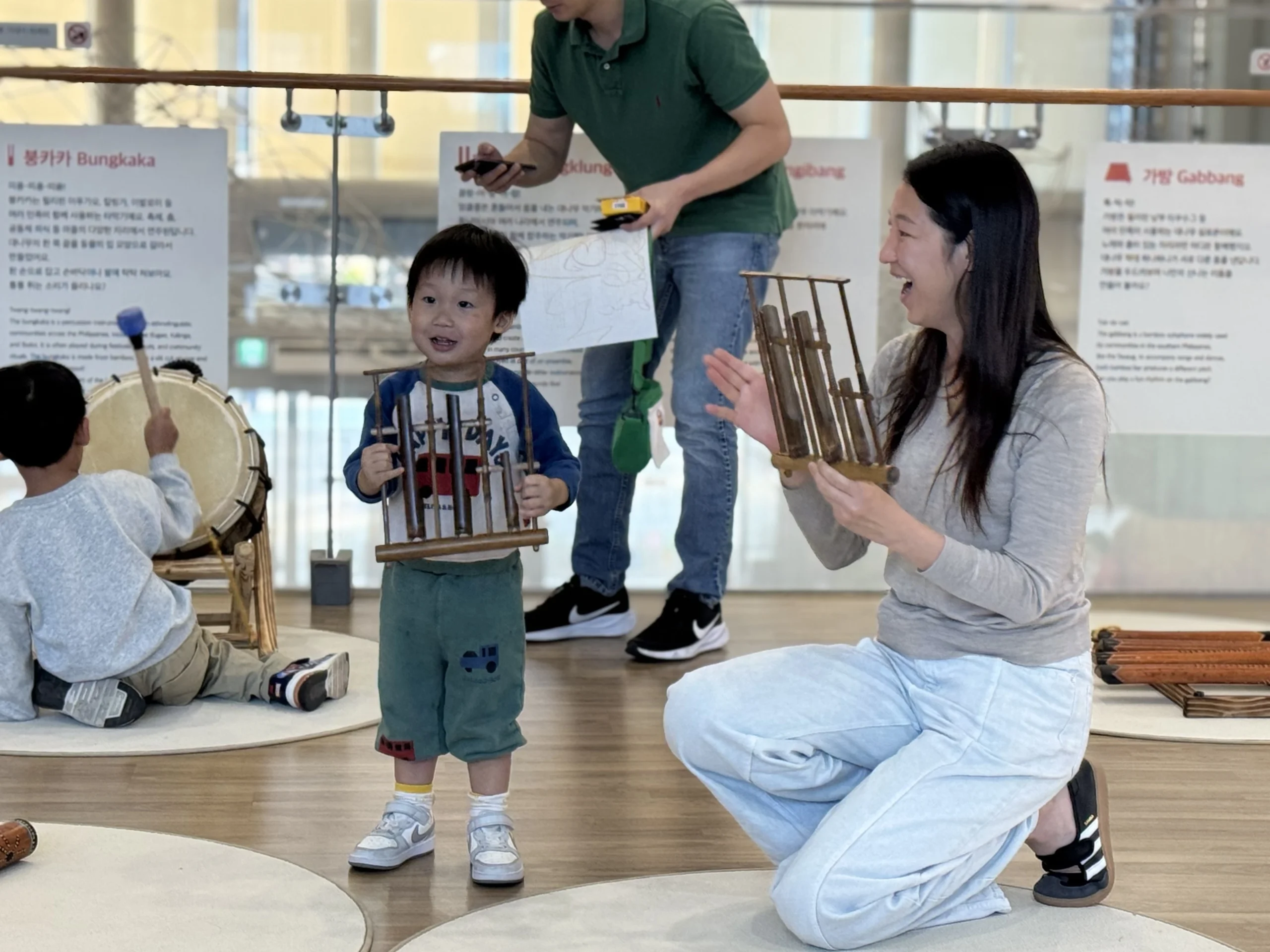
The exhibition “Twelve Instruments, Two Cultures” was presented by the Seoul Children’s Museum in October 2026, in collaboration with Museo Pambata.
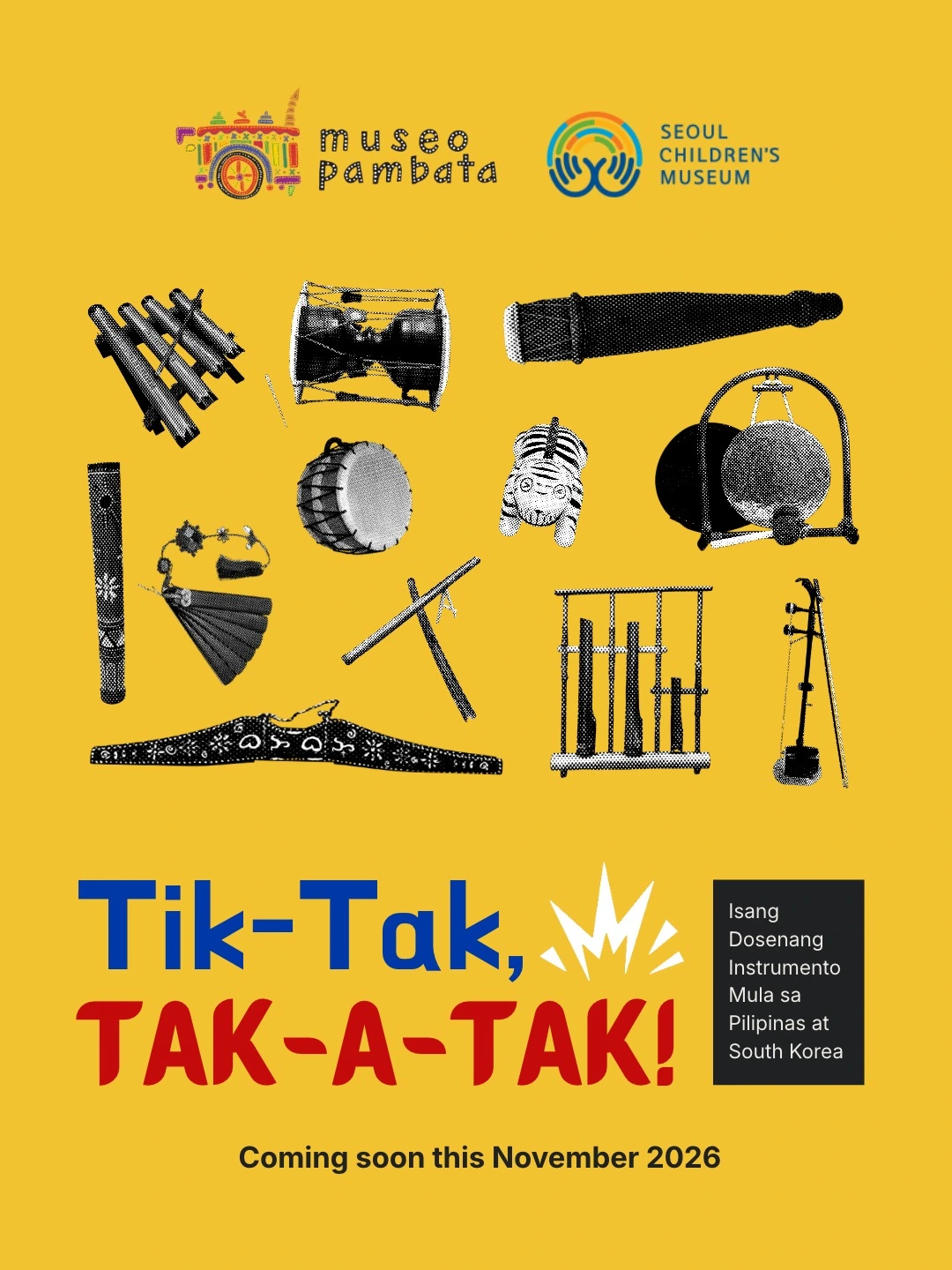
Next door, Tik, Tak, Tak-a-Tak places six sets of traditional Philippine percussion instruments beside six from South Korea. It’s Museo Pambata’s first exhibition exchange with an international children’s museum, created with the Seoul Children’s Museum, which opened its own version, Twelve Instruments, Two Cultures, in October.
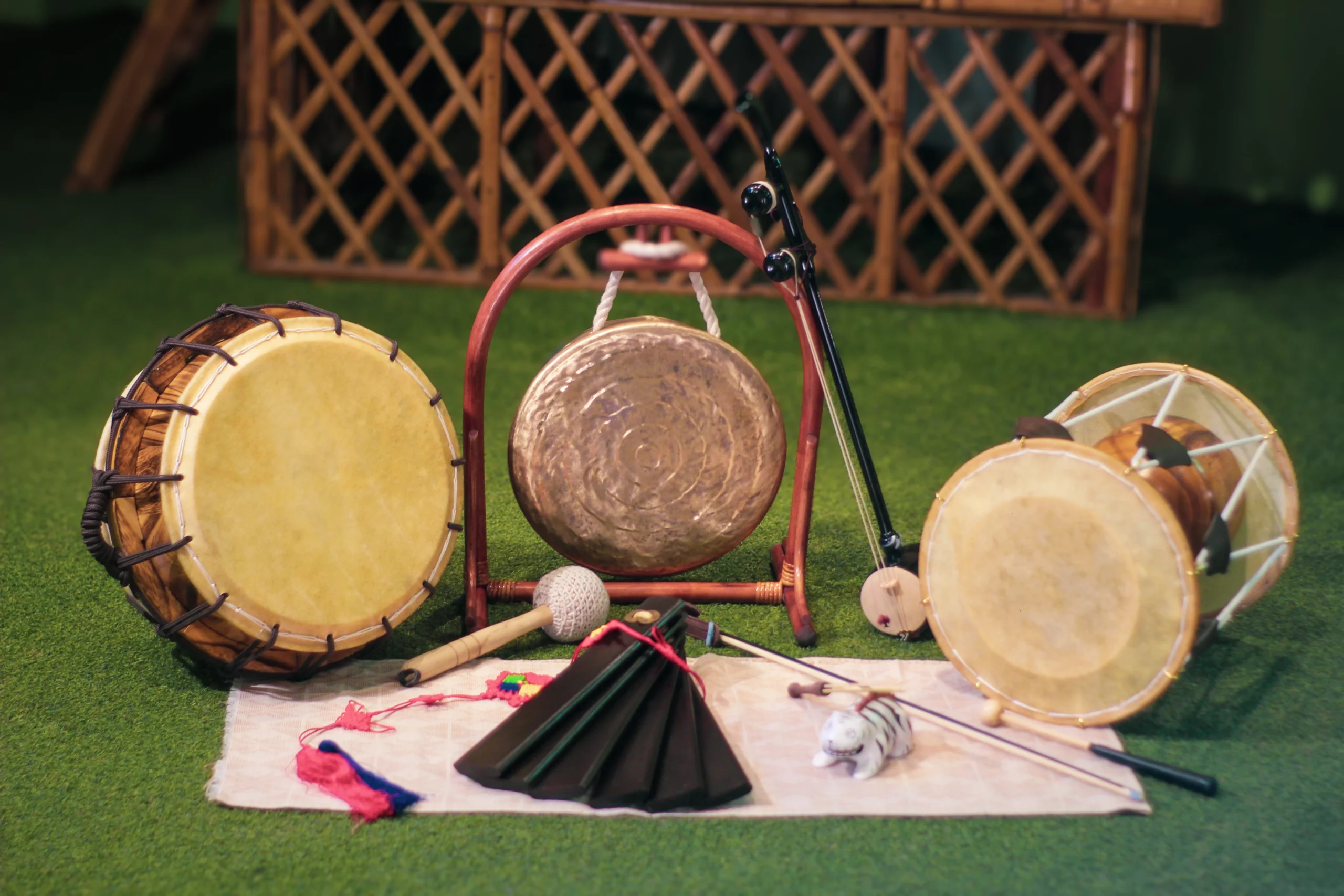
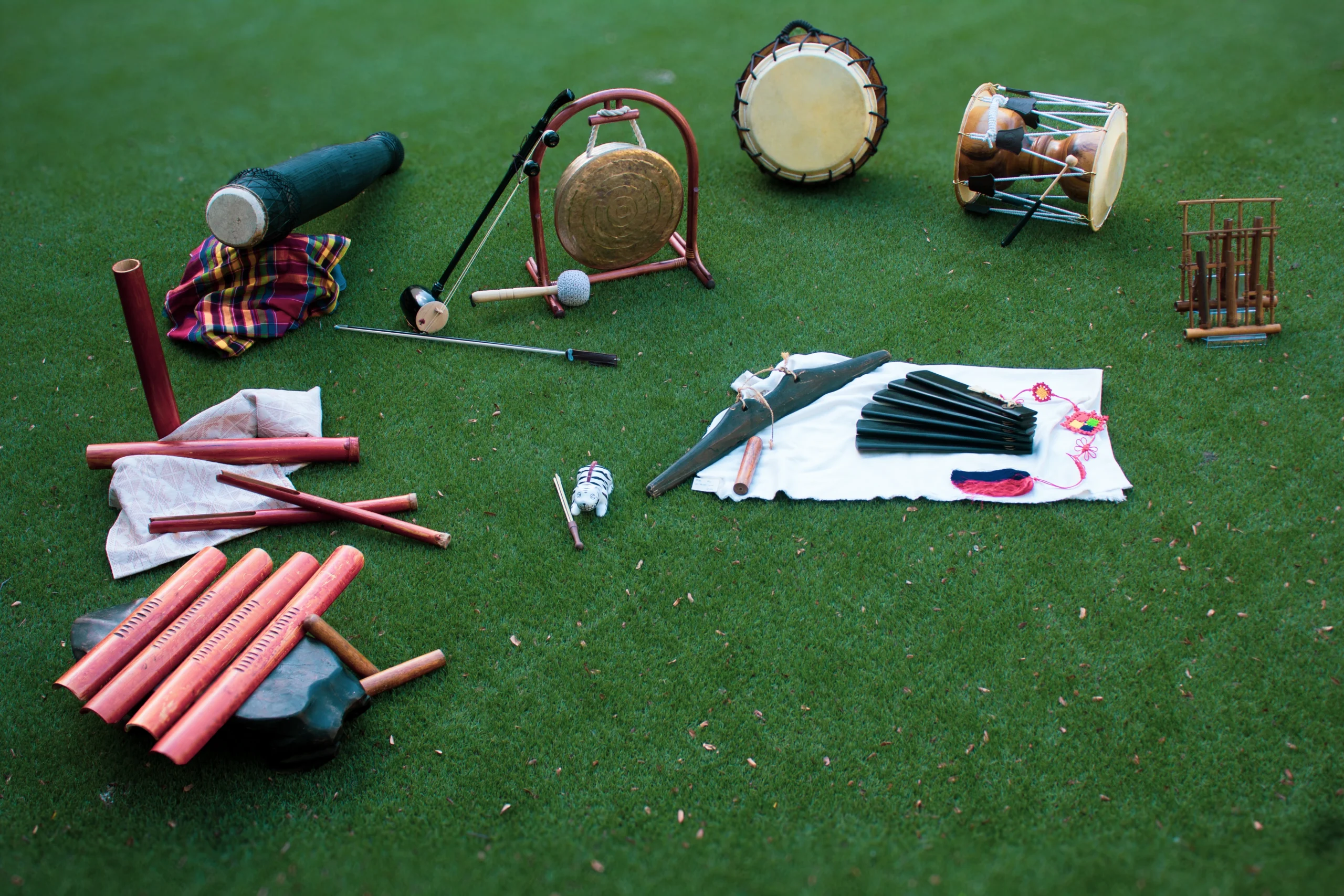
Tik-Tak, Tak-a-Tak showcases percussion instruments from both the Philippines and South Korea. The exhibition was created in collaboration with the Seoul Children’s Museum.
“Just as play can connect children across cultures in every corner of the world, music can do the same,” Wilma says.
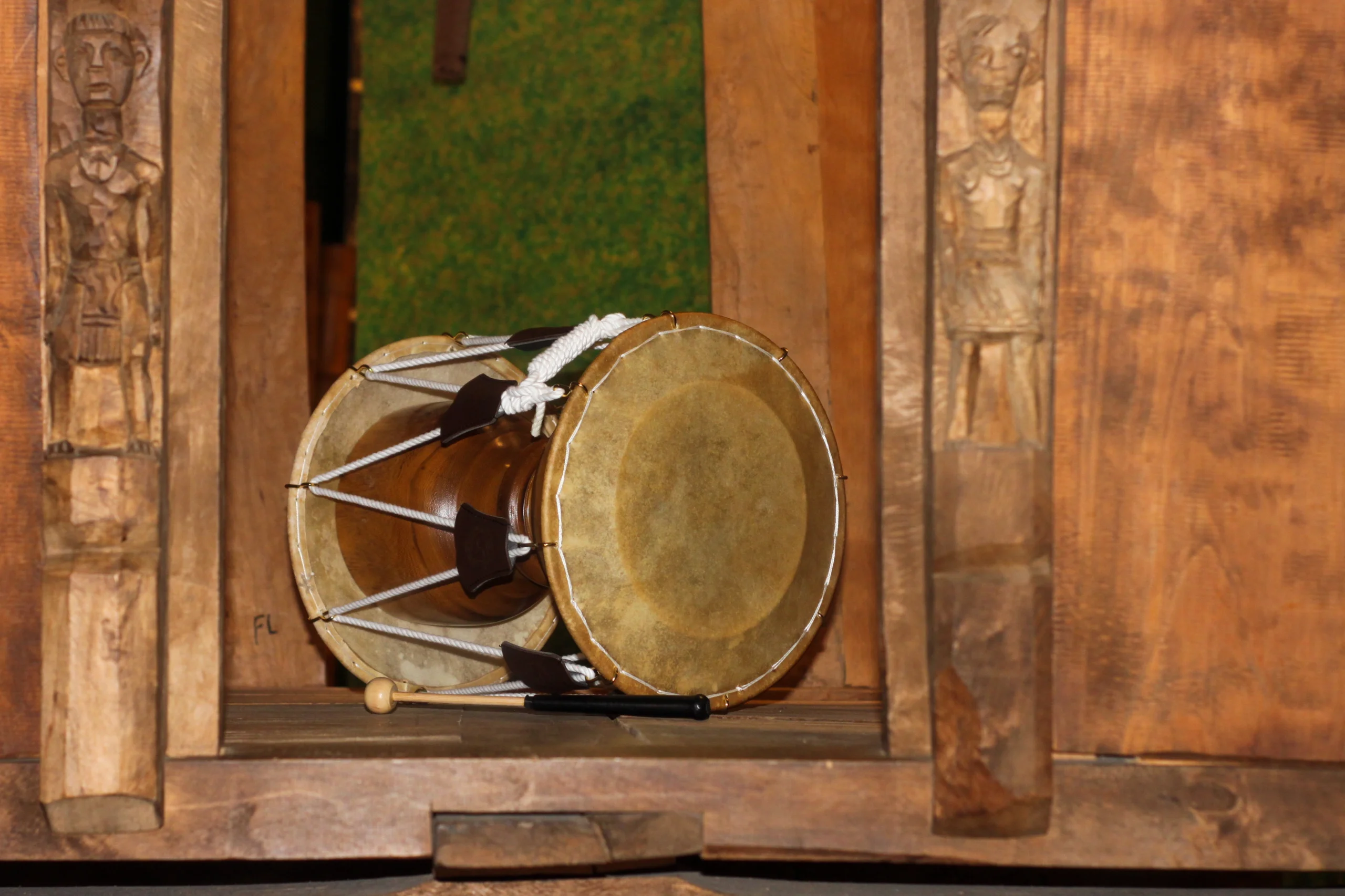
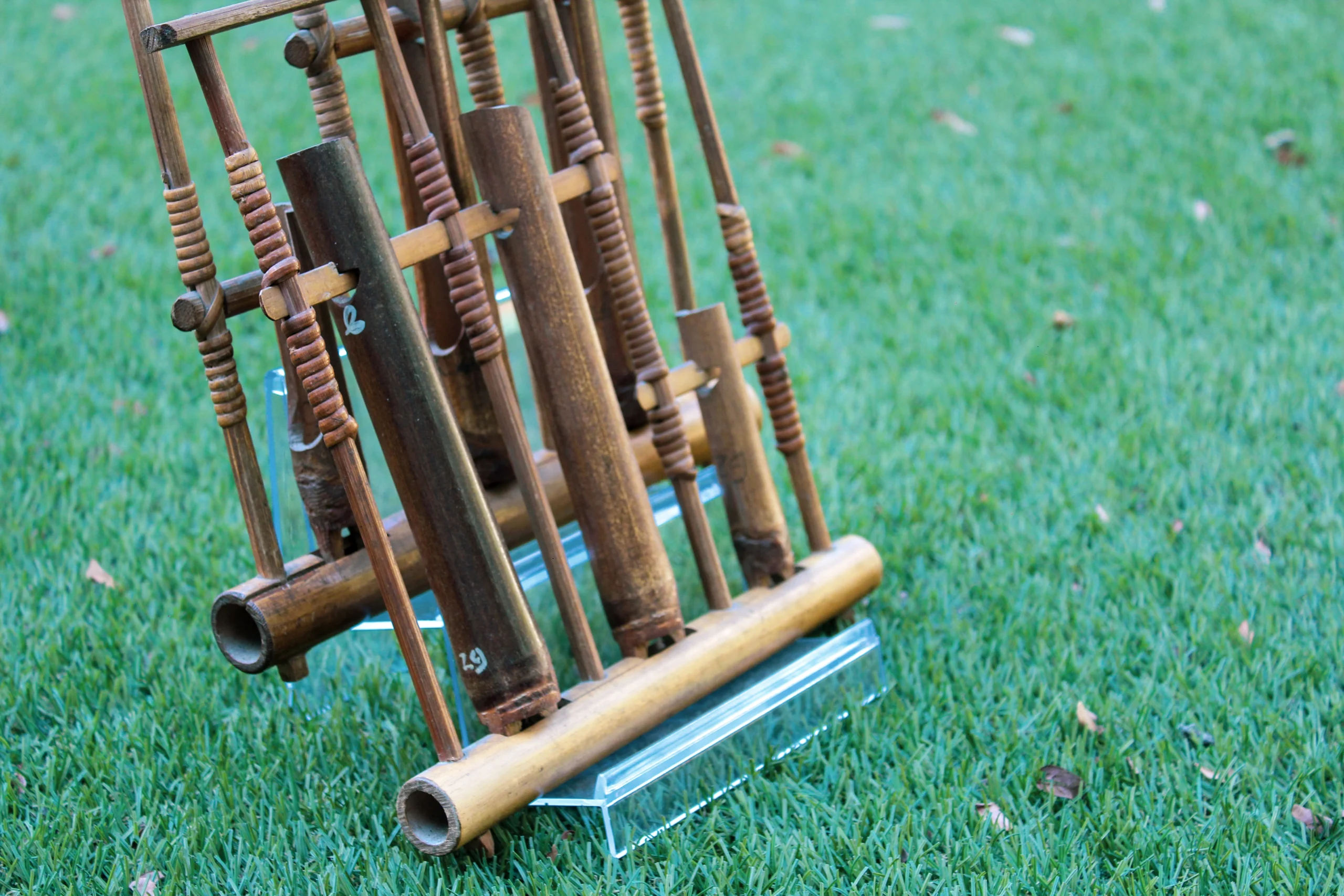
The Ganggu and the Angklung
Performances to expect from the Youth Ambassadors
The festival also introduces a new batch of Museo Pambata Youth Ambassadors, young performers and artists from Manila schools:
- Jan Garcia (cello)
- Addie Chan (ballet and contemporary dance)
- Si Yeon Kim (flute) who will be featured in a pop-up exhibition called Puri as Pintura
- Paul Ureta (kulintang)
- Nicco Tiu (painter) his art honoring the Habi at Himig exhibition will be painted on Filipino sungkas
The ambassadors will perform and showcase their talents to pay homage to the exhibits.
Jan will perform with Addie interpreting it through dance.
Si Yeon will perform a composition to honor children with autism. Paul, on the other hand, will perform the kulintang.
Nico’s art on Filipino sungkas will be showcased to honor the Habi at Himig exhibition.
Is it worth the trip?
One afternoon won’t turn your child into a textile expert or a kulintang prodigy. But for the kids, seeing what it can do makes Filipino heritage feel like something they get to touch, hear, and play with, not just read about in a textbook.
“By introducing these crafts to children early on, we hope to make our rich history exciting and easy for them to understand,” Wilma says.
So this November, skip the “bawal hawakan” and let them reach out, have fun, and be in awe of the culture.
For more information, visit museopambata.com.ph or follow @museopambata on social media.
More for kids
Mobile Museum Boxes Bring Sierra Madre to Kids
Penang’s Wonderfood Museum Is the Perfect Stop for Families Who Love to Eat and Learn
What To Expect From The Renovated Museo Pambata
Frequently Asked Questions
Museo Pambata is located at the historic Elks Club Building along Roxas Boulevard corner South Drive, Ermita, Manila, Philippines (near Rizal Park).
Children get to see and physically feel different traditional, hand-woven textiles created by various indigenous communities across the Philippines, introducing them to local weaving patterns, materials, and heritage craft techniques.
The Himig room introduces children to traditional Filipino musical instruments, including regional instruments like those of the Igorot people of Northern Luzon. Visitors can hear, play, and explore different rhythmic patterns