A Warm Bowl of Comfort: UP Visayas Creates an Instant Sinigang for Emergency Relief


The University of the Philippines Visayas showcased Seafood on the Spot, an instant sinigang that can be used for emergencies
In a country like the Philippines, where an average of 20 tropical cyclones enter our area of responsibility every year, disaster preparedness is simply a way of life for Filipino parents. When packing a go-bag or stocking up the pantry for typhoon season, food is always at the top of the checklist—especially when families have to evacuate at a moment’s notice.
Usually, emergency food supplies mean canned goods, biscuits, and instant noodles. While they are convenient and have a long shelf life, parents know they don’t always provide the balanced nutritionNutritionThe process of obtaining and using nutrients from food to support growth, energy, overall health, and proper body function. growing kids and stressed adults actually need.
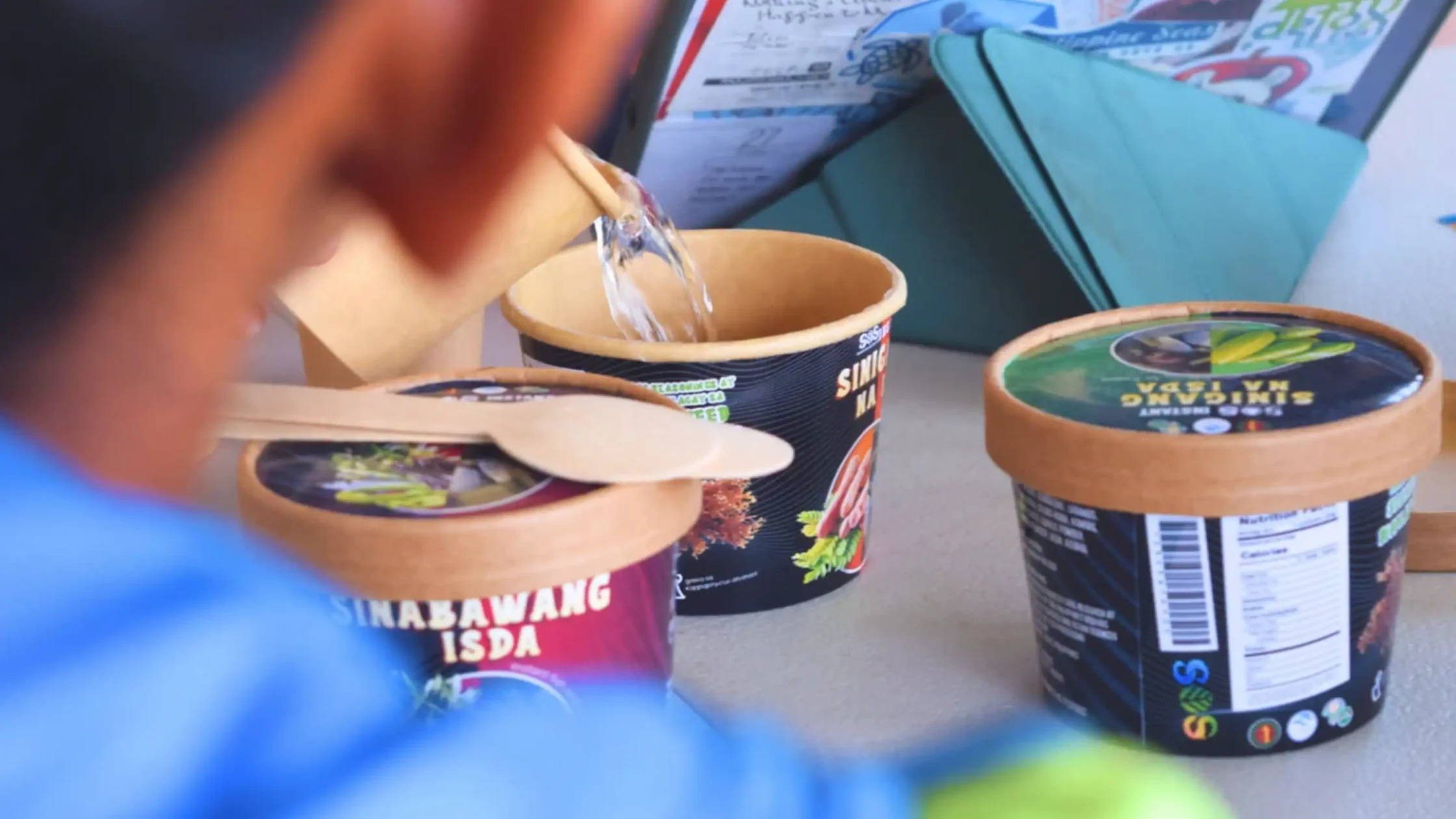
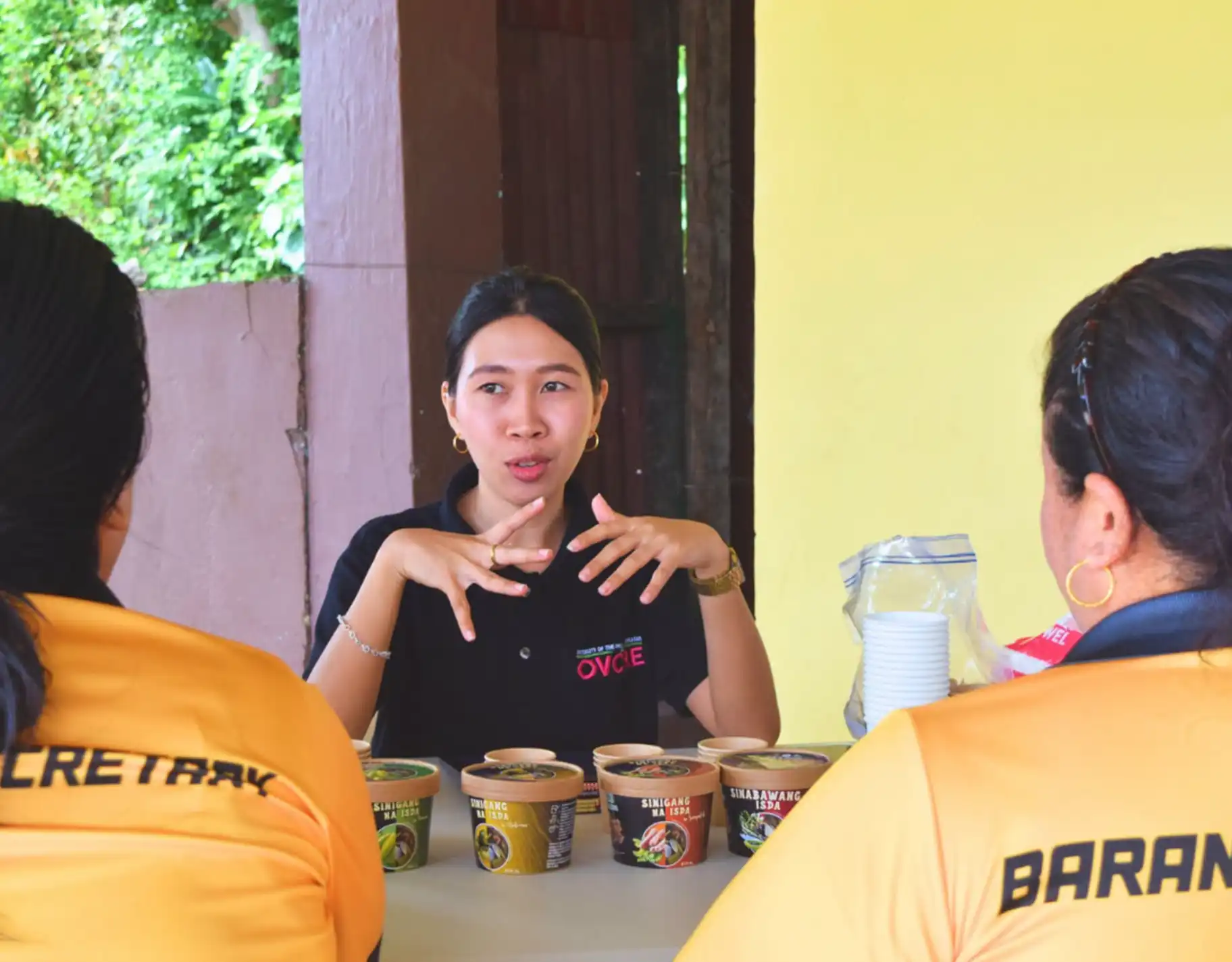
To address this gap, the University of the Philippines Visayas (UPV) recently showcased Seafood on the Spot (SOS), an innovative instant sinigang designed specifically to give families a healthier, more comforting meal option during emergencies.
What is Seafood on the Spot (SOS)?
Developed by UPV’s Institute of Fish Processing Technology—with funding from the Department of Agriculture–Bureau of Agricultural Research and led by Prof. Encarnacion Emilia S. Yap—Seafood on the Spot is a shelf-stable meal that requires zero refrigeration.
From August to October, the UPV team brought SOS to three disaster-prone communities to gather real-world feedback:
- Nasidman, Ajuy, Iloilo: An island fishing village frequently isolated when the seas turn rough.
- Barangay Carmen, Cagayan de Oro City: A densely populated riverside community regularly navigating floods and fires.
- Bulakan, Bulacan: A coastal town along Manila Bay vulnerable to typhoons, high tides, land subsidence, and persistent flooding.
At each stop, the researchers asked families and local leaders a straightforward question: Would you want this in your relief pack?
Preparing the meal is designed to be effortless during a crisis. Packed in a paper cup, all you have to do is peel off the lid, pour in hot water, and wait. Even better for eco-conscious parents and crowded evacuation centers: the seasoning is wrapped in an edible seaweed film that dissolves in hot water. There are no tiny plastic sachets to tear open or add to the mounting trash in temporary shelters.
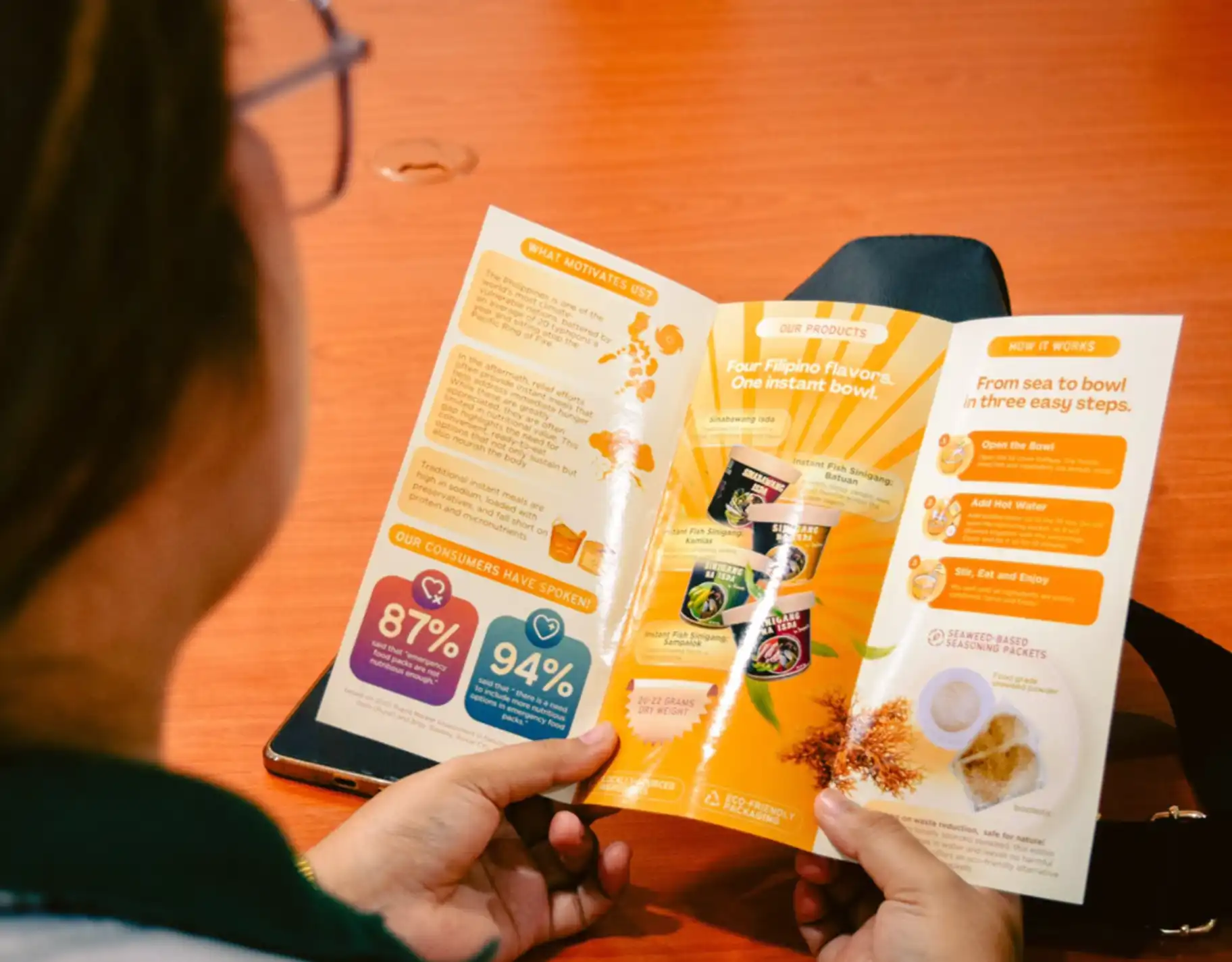
Inside each cup is a hearty mix of fish, local vegetables, and seaweed. By utilizing underused local catch like salay-salay (yellowstripe scad)—which local fisherfolk often have to sell at very low prices—the project also supports coastal livelihoods. Current variants include classic sinabawang isda and fish sinigang soured with familiar local ingredients like sampalok, batwan, or kamias.
Why Sinigang? The Comfort of Familiar Sabaw
When a family’s daily routineRoutineA predictable daily rhythm for waking, meals, school, play, and sleep. Routines give children a sense of security, reduce power struggles, and make busy mornings smoother, while some flexibility keeps is suddenly upended by a storm or evacuation, a warm, familiar bowl of sabaw does more than fill empty stomachs—it brings a sense of normalcy and comfort.
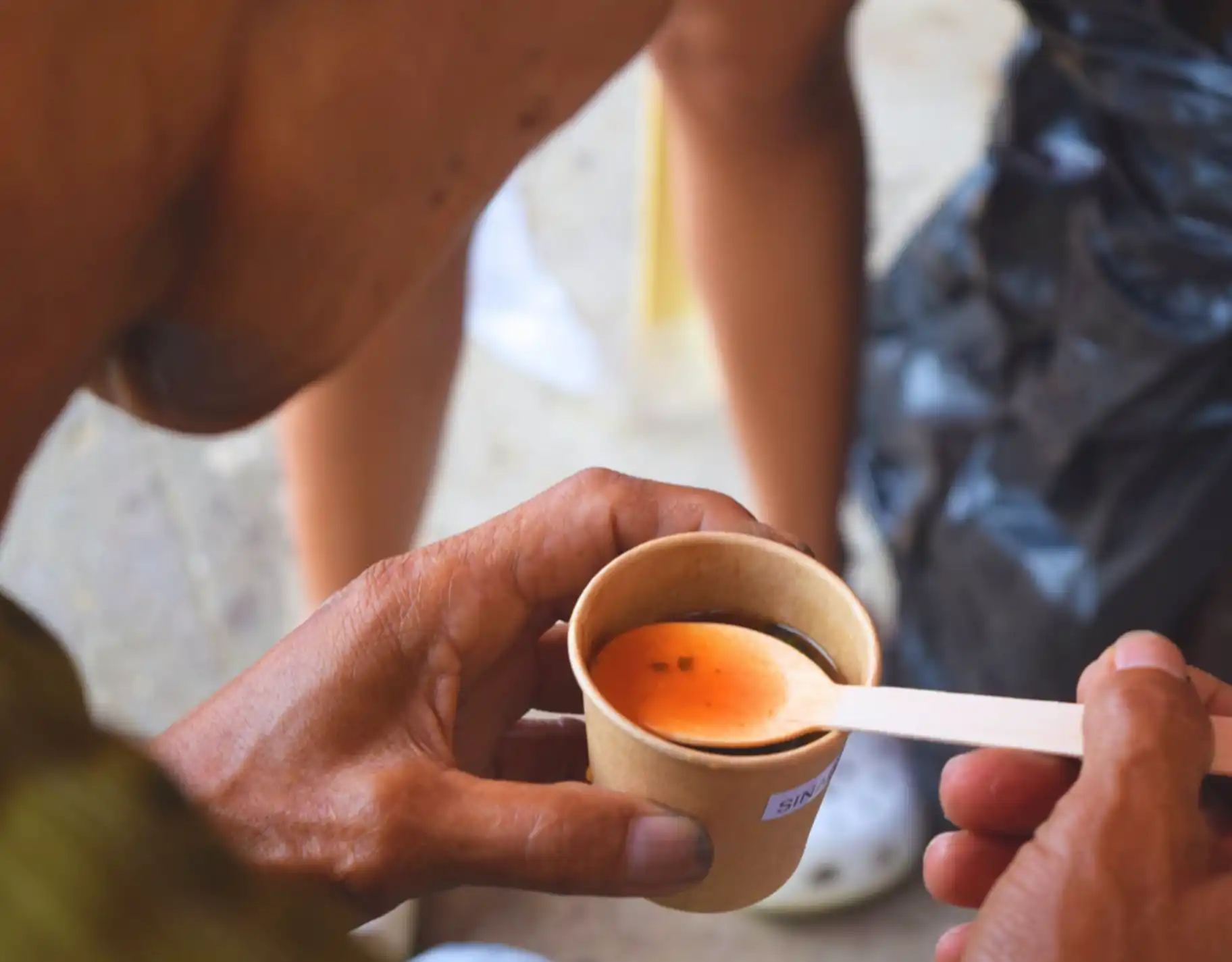
In earlier taste tests held in Ajuy, Iloilo and Masantol, Pampanga, sinigang sa sampalok emerged as the clear favorite across both communities. A local official in Bulakan echoed the sentiment, noting, “Ang laman nya kasi puro gulay. Patok ‘to sa ating mga Pinoy.” (Its contents are all vegetables. This will be a hit with us Filipinos.)
While a few respondents were initially hesitant about the idea of an “instant” sinigang, the taste test won them over. In a preliminary tally, roughly 230 consumers across the three sites gave SOS a 5 out of 5 rating for their likelihood to buy it.
Social workers on the ground also highlighted its practicality for relief operations: because it requires minimal preparation and pairs easily with steamed rice as a proper ulam, community kitchens won’t need to manage multiple heavy pots at once during emergencies.
Going Beyond Instant Noodles in Relief Packs
Most parents who have sorted through relief goods—or packed donations themselves—know the standard lineup of sardines, corned beef, and instant noodles. They are practical, yes, but rarely nutritious.
According to UPV’s earlier market assessment, 87.10% of respondents felt that current relief packs lack proper nutritionNutritionThe process of obtaining and using nutrients from food to support growth, energy, overall health, and proper body function., and 93.55% expressed a strong desire for healthier options to be included. By packing real fish and vegetables into an easy-to-store cup, SOS directly answers that call.
When Will It Be Available?
Seafood on the Spot isn’t hitting supermarket shelves or relief centers just yet. The UPV team is currently refining the packaging to create a sturdier cup, working on larger serving sizes suited for families, and securing the necessary food safety registrations.
As the team pushes the project toward commercialization, Prof. Yap keeps one guiding question at the center of their work: “Para kanino ba itong ginagawa natin?” (Who are we doing this for?)
For Filipino parents trying to keep their families fed, healthy, and comforted through every storm, the answer couldn’t be clearer.
Frequently Asked Questions
Seafood on the Spot is a shelf-stable, ready-to-eat instant fish sinigang and sinabawang isda developed by the University of the Philippines Visayas (UPV). It is designed as a nutritious, easy-to-prepare meal option for disaster relief packs and emergency go-bags.
Each cup contains locally sourced fish—such as salay-salay (yellowstripe scad)—along with local vegetables and seaweed. It comes in sinabawang isda and fish sinigang flavors, soured with sampalok (tamarind), batwan, or kamias.
Not yet. The UP Visayas research team is currently working on sturdier packaging, larger serving sizes, and food safety registration before making it commercially available for consumers and disaster relief agencies.
More on disaster relief
Community Kitchens Mobilize to Help Families Affected by Floods
SONA 2026 Highlights: What Parents Need to Know About the President’s Plans for Filipino Families
Several Celebrities Take Part In Relief Operations For Flood Victims