What Parents Need To Know About Arnis



It’s Buwan ng Wika, and if schools are going to feature a sport the kids are going to learn, it’s most likely Arnis
For many years, Filipinos were taught that Sipa was the Philippines’ national game. But in 2009, with a declaration from former president Gloria Macapagal Arroyo, that was changed into Arnis. A martial art that has also made its way around Hollywood’s circles, Arnis has become quite famous. Yet, not many Filipino families know about the sport or art.
Here’s what parents need to know about Arnis:
1. Arnis doesn’t just use sticks as weapons.
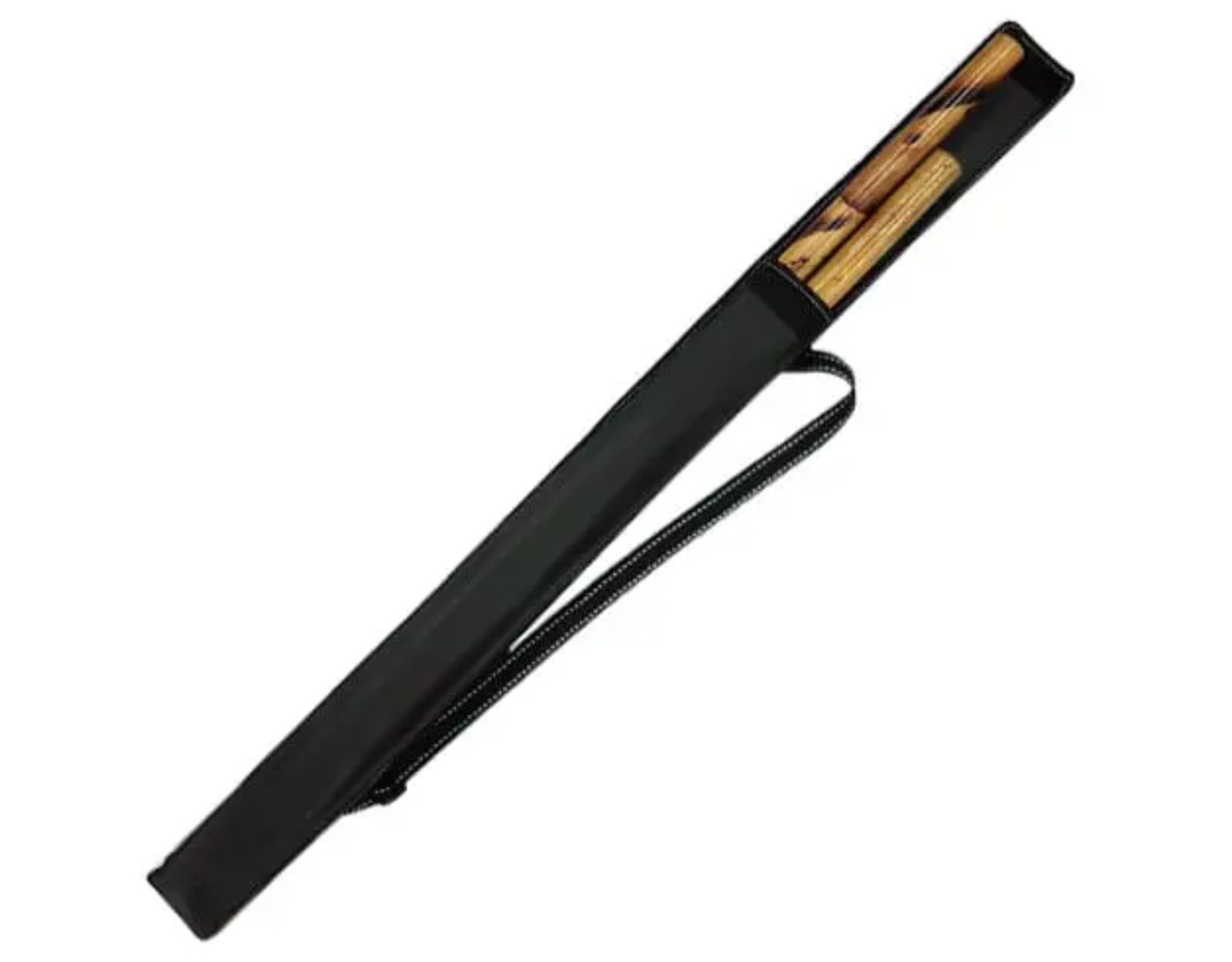
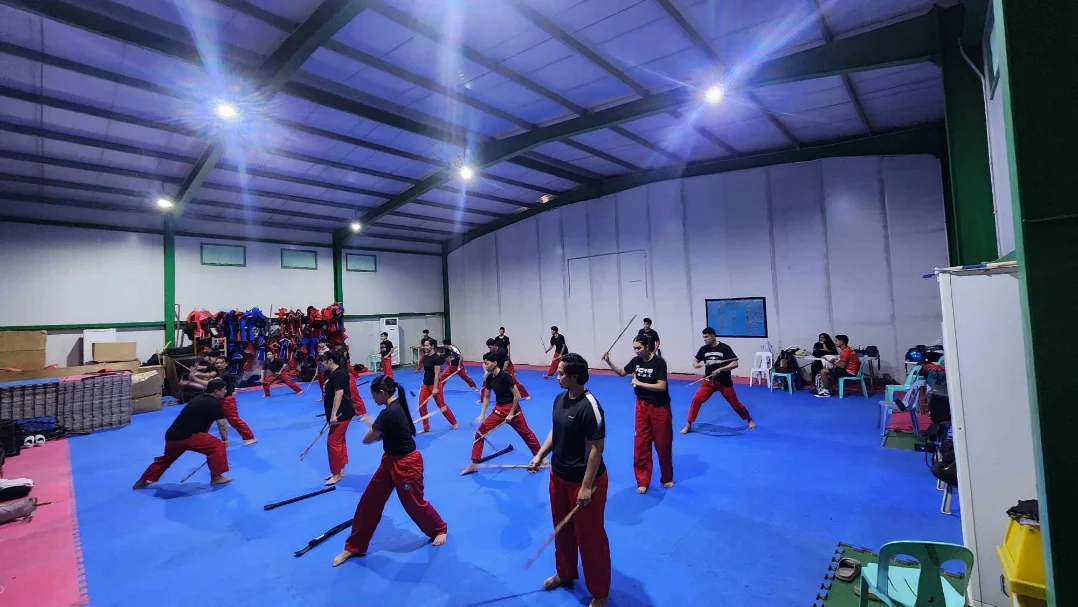
Sticks or bastons are the most commonly used as weapons. They’re cheap to buy or easy to get. Some people just randomly find a bamboo or rattan tree, cut a thick branch, shine it up, and voila—they have a baston. More experienced practitioners have even used an umbrella as a makeshift baston. On the streets, it’s a tire wrench.
They also use other weapons like knives (daga) or swords (espada) which practitioners often use as a pair or as a single weapon. Arnis also has unarmed techniques (mano y mano), should weapons not be available.
2. Like any martial art, there are schools.
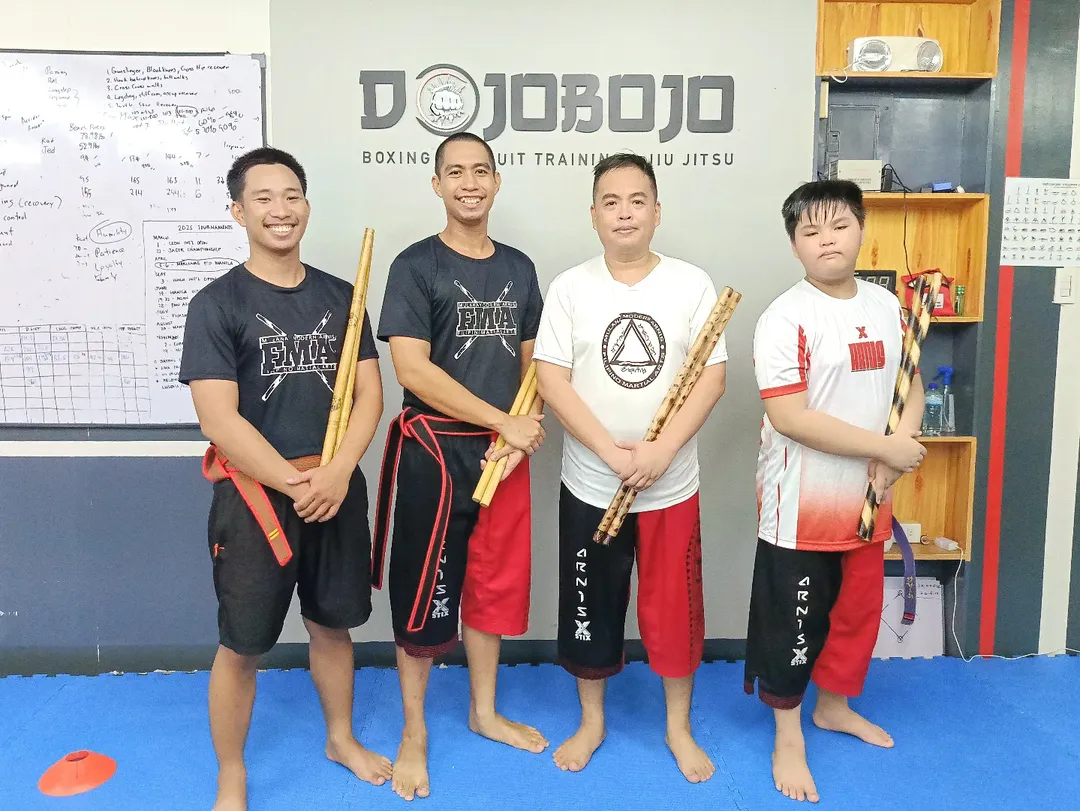
Like Taekwondo, Karate, and every other martial art we know, Arnis also has schools of thought. They have particular beliefs and systems that make them different from one another. While they will share some strikes, some moves, or skills are exclusive to the school. Their techniques even have their own names.
So, if the kids take it up in school, they’re most likely going to hear some names like Pasindo, Kamao, or Baxafra. There’s actually quite a lot.
3. Arnis focuses a lot on footwork and zone awareness
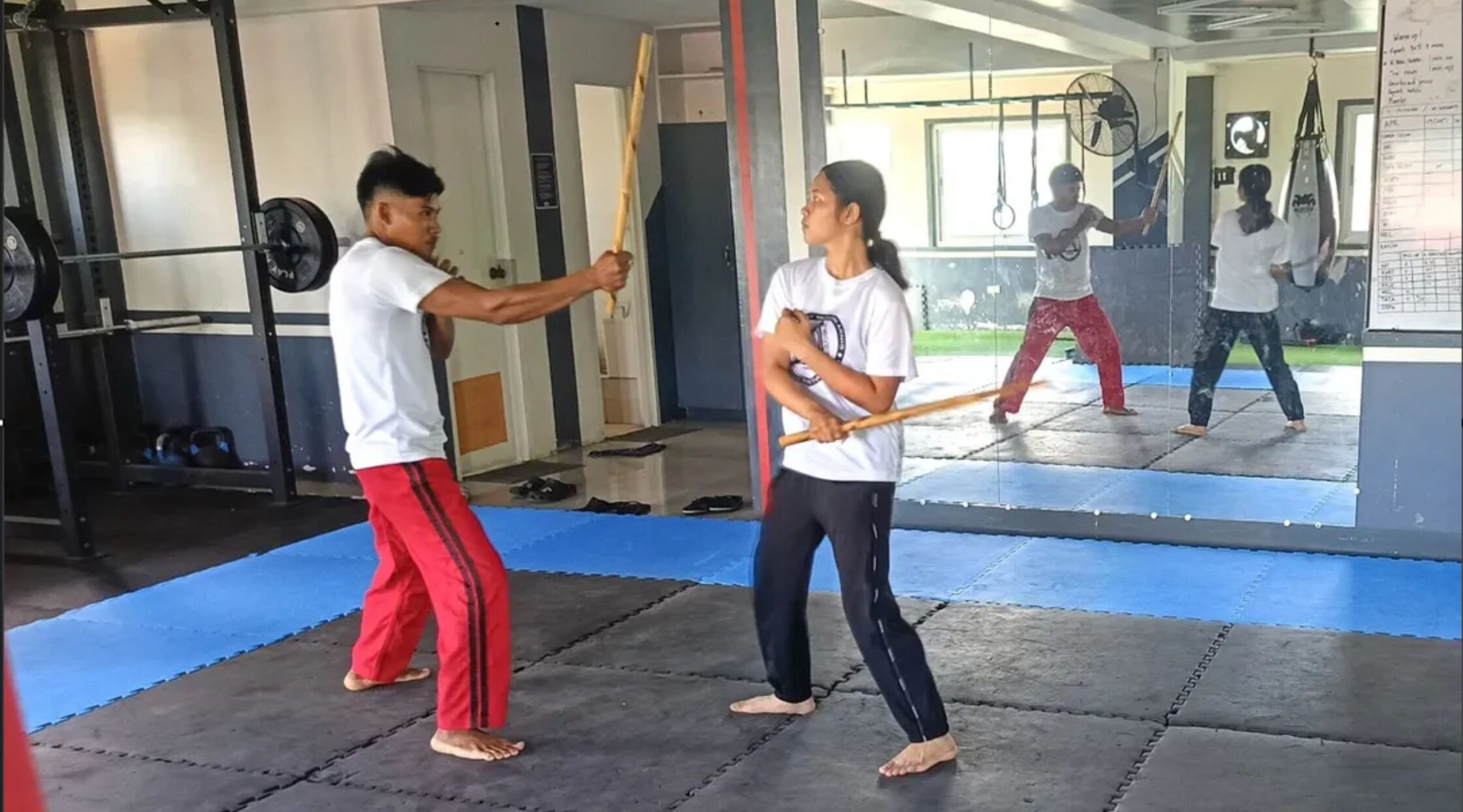
In any official Arnis match, they have a ring, and stepping out of the former means a point against you. Even with the helmet on, most Arnis players are trained to memorize and measure their movements in an 8×8 grid. Especially when they lunge to strike, kids need to know where they land and how to land. If they get it wrong, they sprain their foot.
4. The call-outs during the match may be in the native language
As a Filipino sport, it’s no surprise that their callouts are in the local language like Tagalog. “Hiwalay (separate),” “Pugay (bow),” “Paglabag (foul),” “Handa (ready),” “Laban (fight!)” and many others are usually shouted by the judges or watchers in the ring. There are usually three or four of them, just to countercheck who hit whom.
The one who lands the hit first gets the point.
5. Like all official sports, they have their divisions.
Every time our kids get into martial arts, we usually watch them spar or get into a fight. However, in Arnis, there are two divisions: Exhibition and Sparring.
The exhibition is also split into categories, usually solo baston (using only one stick), doble baston (double stick), espada y daga (sword and dagger). Depending on the tournament host, there can be more categories. In this case, all the kids have to do is demonstrate that they know how to use the weapon through various forms known as anyo. They’re usually graded by creativity, rhythm, and technique.
Sparring is the one most kids want to try out. Scary as it sounds, don’t worry—most tournaments use padded sticks and armor. But that doesn’t mean it won’t bruise, though. Some strikes leave marks.
Like any martial art, it teaches resilience and builds confidence.
Besides learning the strikes, martial arts also teaches you how to take the strikes. Or at least, know which strikes to take in before paying it back to the opponent.
While Arnis may not sound as fancy as other sports, the martial art demands disciplineDisciplineTeaching a child self-control and acceptable behavior through guidance rather than fear. Effective discipline is consistent and calm, explains the reason for a rule, and uses consequences that fit the all the same. Those who participate in tournaments train a minimum thrice a week. And for those who do fight in the ring, three times a week is just considered maintenance.
So if the school does teach the kids Arnis, don’t worry too much. They’ll come home with bruises and bumps, but each of those—as many have been taught—is a lesson in itself. Because if they have a bruise, their opponent should have a matching one!
Joking aside, like most martial arts, Arnis teaches kids lessons. These lessons can last a lifetime and give kids a glimpse of how Filipinos are as warriors. Filipinos are straightforward and commit to a fight, no matter how bad the odds get.
More about sports for kids?
All Kids Should Train Martial Arts And Here’s Why
Life of a Student-Athlete: Grades Or Gold?
Celebrity Parents With Kids in Sports