
What Parents Should Do When Floodwater Enters the House



Simple, budget-friendly ways to floodproof your house so the repair costs don’t catch you later.
Flooding can happen fast, especially during heavy rains and typhoons in the Philippines. While major flooding may require evacuation or professional repairs, parents can take a few inexpensive steps to floodproof their home and reduce water damage.
The goal isn’t to make your house completely waterproof. It’s to give water fewer ways to get inside—and keep your family safer and your cleanup bill smaller.
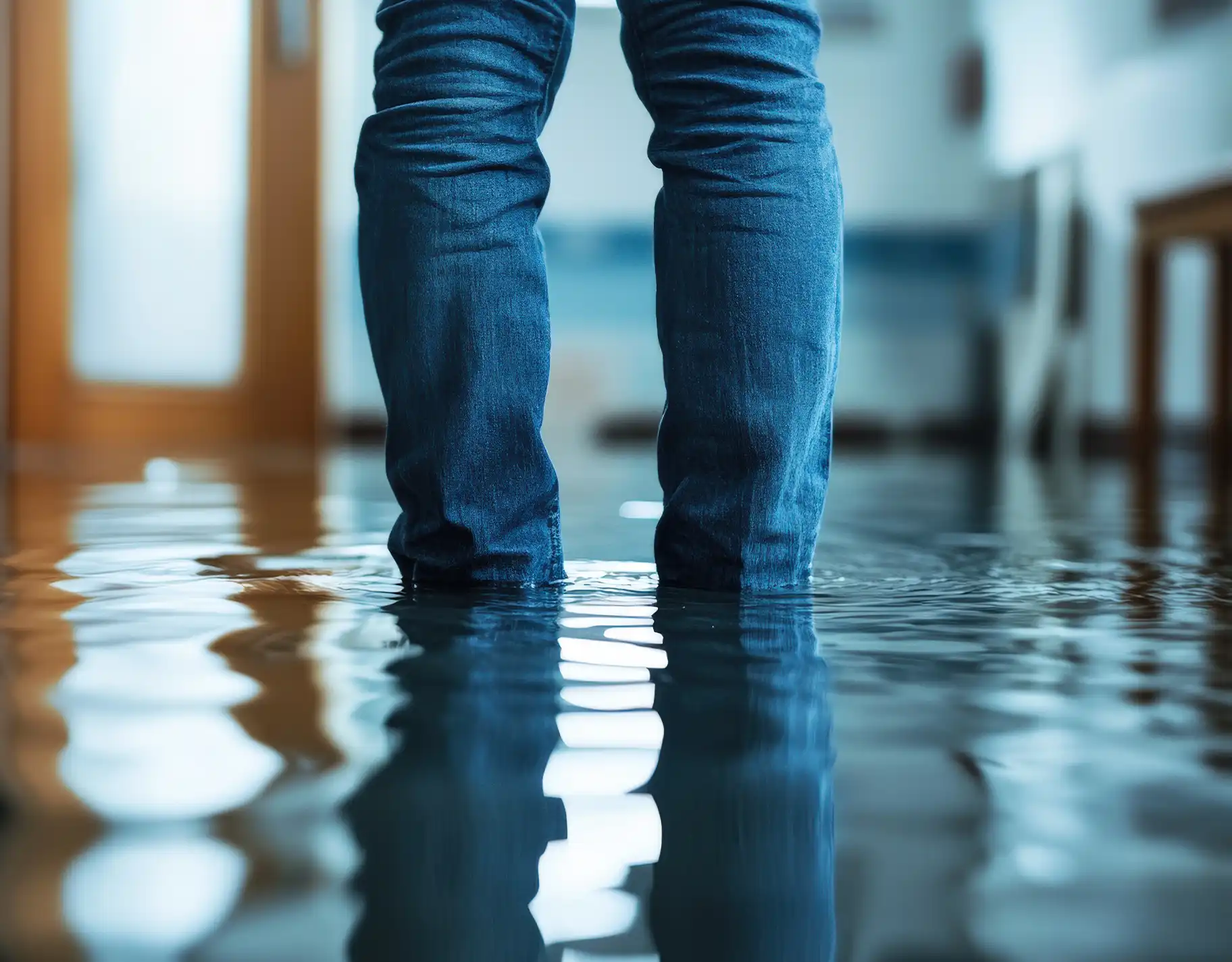
How To Deal With the Invading Flood
1. Check your pipes and washers.
Loose connections and worn-out washers can become easy entry points for water. Check your home’s exposed pipe connections and replace damaged washers. Applying Teflon tape (PTFE tape) to appropriate threaded pipe joints can also help create a tighter seal. Don’t use tape where the fitting manufacturer specifies a different sealing method.
2. Declog your drains.
Keep floor, sink, and outdoor drains free of hair, dirt, leaves, and other debris. For households dealing with heavy hair shedding, regular drain cleaning is especially important. A clogged drain can slow water from leaving the house and put extra strain on other drainage points.
3. Put basins under vulnerable windows.
Have split-type air conditioners or windows that aren’t completely waterproof? Place basins, buckets, or other containers underneath them when heavy rain starts. It’s a simple trick, but catching dripping water can keep floors from becoming soaked.
4. Move valuables higher.
Place appliances, important documents, school supplies, medicines, and electronics on higher shelves or elevated surfaces if flooding is expected. Even a few inches can make a difference.
5. Don’t risk electricity.
If floodwater reaches electrical outlets, appliances, or wiring, don’t wade through it to unplug anything. Turn off the main power (it’s usually in the form of a breaker on the wall) only if you can do so safely and without standing in water. When in doubt, leave it to a qualified electrician.

It’s Just One of Those Times
Sometimes, despite every precaution, floodwater gets inside. Don’t beat yourself up. There are just some floods that are worse than others.
Focus first on your family’s safety. Keep children away from floodwater, especially because it may contain sewage, chemicals, sharp debris, or electrical hazards. Once the water recedes, document damage, clean affected areas safely, and let professionals handle electrical or structural problems.
A few buckets, a clean drain, and properly maintained plumbing won’t stop a typhoon—but they can help your home weather one a little better.
Frequently Asked Questions
Maintain pipes, clear drains, seal appropriate pipe joints, protect windows, and elevate valuables.
It can help seal suitable threaded pipe connections, but it won’t waterproof an entire home.
Clear drains allow water to flow away more efficiently and reduce backups.
Basins, buckets, or waterproof containers can catch small amounts of incoming water.
Prioritize family safety and stay away from potentially electrified floodwater. If it starts entering one room, close off that room so the water doesn’t get into the rest of the house.
More about flood management and home improvements?
5 Ways to Reduce Floods at Home: Filipino Homeowner’s Guide
6 Safe Indoor Playgrounds in Metro Manila for Young Kids
Leptospirosis in the PH: Prevention is Better Than Cure