Where Kids Can Learn Road Safety: Muntinlupa’s First Road Safety Park



At the Road Safety Park, kids will now have a dedicated space to learn about road culture and traffic
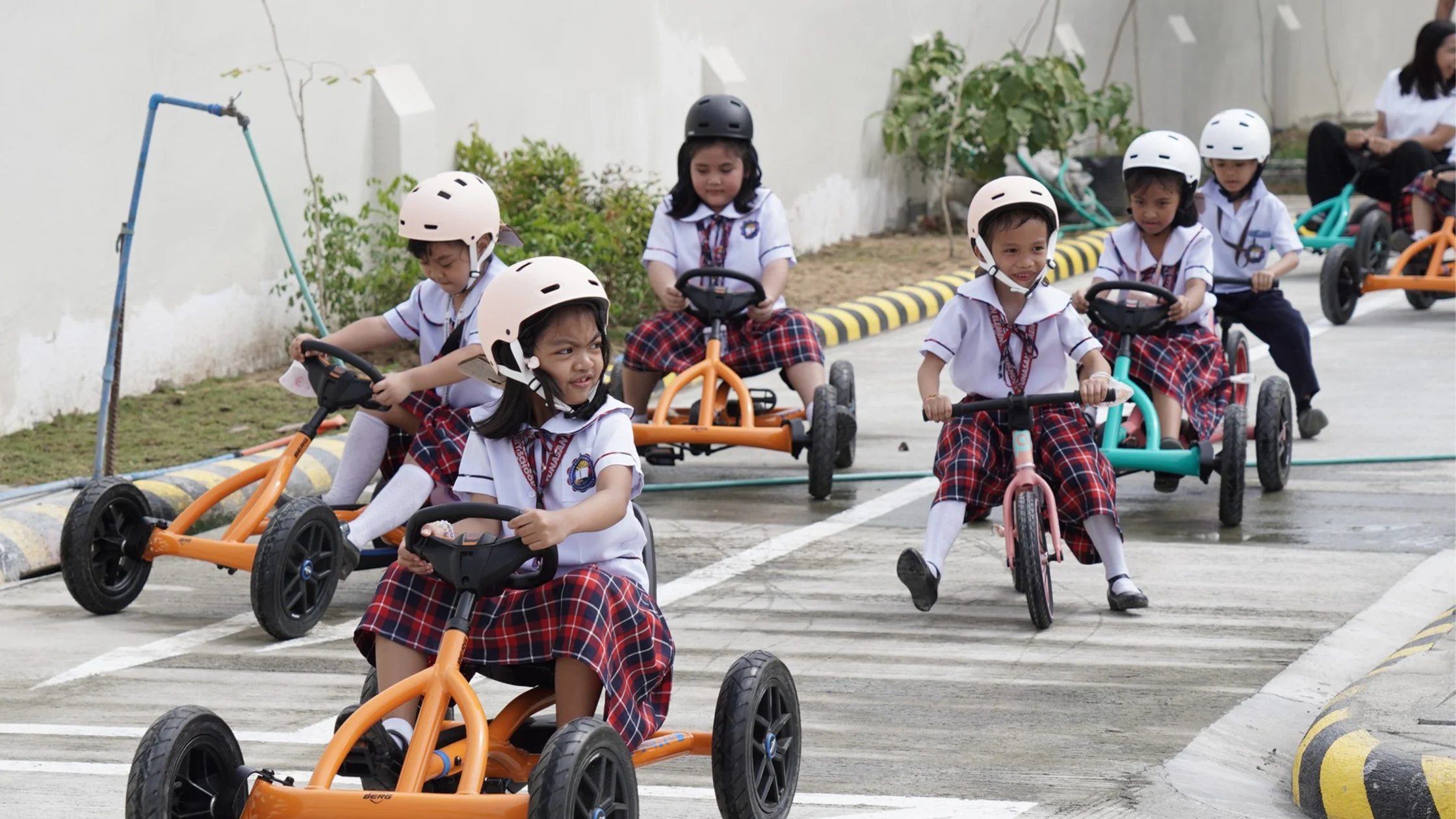
In a move many parents are calling long overdue, the City Government of Muntinlupa has officially opened its first-ever Road Safety Park. Opened last March 2, it’s a dedicated learning space where children can understand traffic rules in a safe, hands-on environment.
Mayor Ruffy Biazon hailed the initiative as a proactive step toward building a culture of responsible road use, starting with the youngest members of the community.
For parents, this park can be an investment in everyday safety.
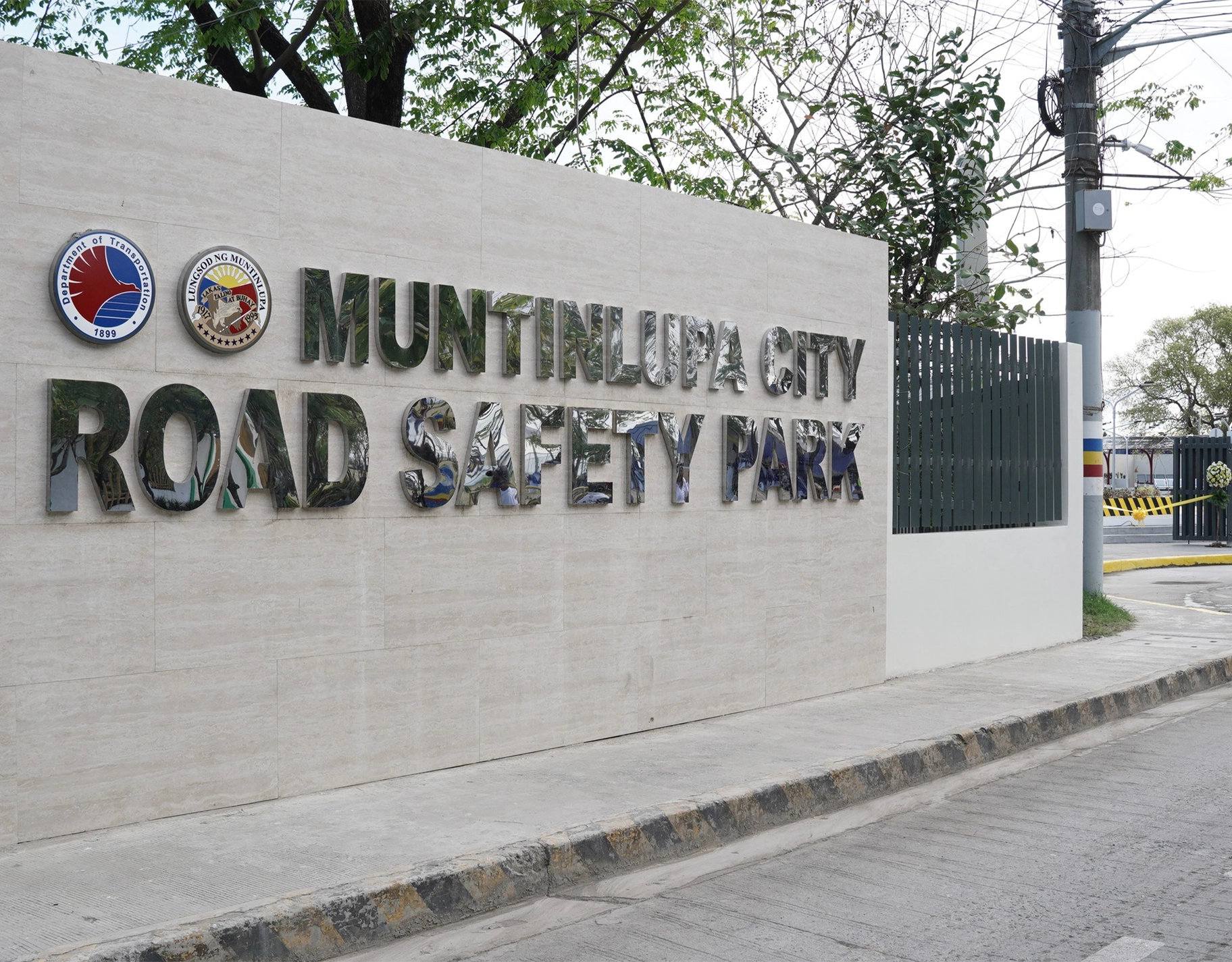
What Is a Road Safety Park?
A road safety park is a child-friendly facility designed to simulate real-life traffic conditions on a smaller scale. It typically includes mini road networks, pedestrian lanes, traffic signs, and signals—allowing children to practice crossing streets, understanding road signs, and even basic cycling etiquette.
Instead of learning about traffic rules from a textbook alone, children experience them.
Philippine Road Culture: Why This Matters
It’s no lie that the road culture in the Philippines is hellish at best.
From motorcycles cutting between lanes to pedestrians crossing mid-block, many Filipino children grow up observing inconsistent road behavior. Jeepneys stop anywhere. Tricycles squeeze into narrow streets. Cars double-park. Drivers and pedestrians often argue right-of-way informally.
If kids grow up in an environment where traffic rules feel optional, they may carry those habits into adulthood—either as drivers or pedestrians. The roads become more dangerous because they feel they always have “right of way.”
And let’s be honest, that’s what causes road rage most of the time.
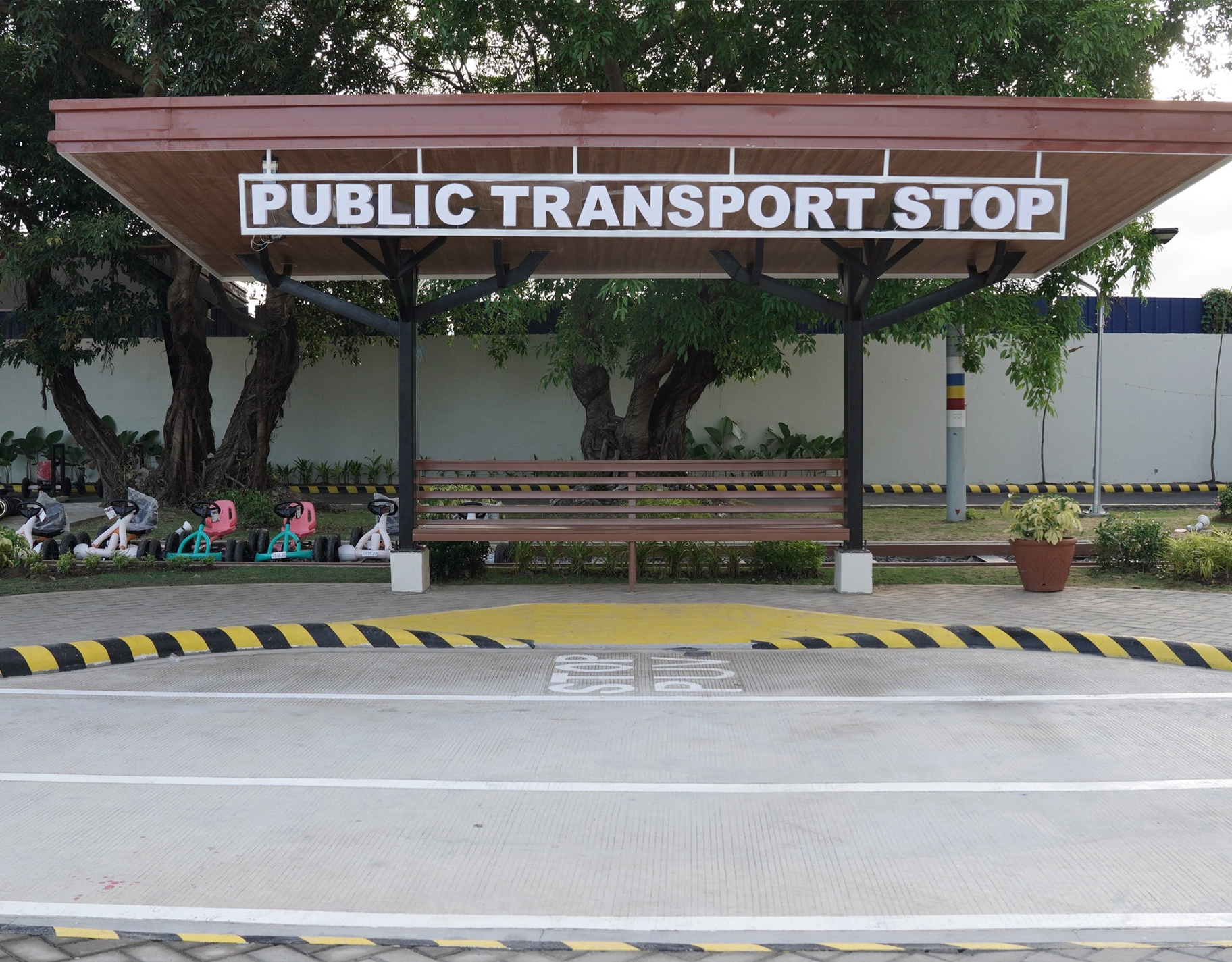
Why Kids Need to Learn Road Safety Early
Road safety is not just a driver’s responsibility. It’s also the pedestrians’ responsibility to read the signs and recognize the roads’ markings. Kids are usually the first pedestrians drivers need to look out for.
They walk to school.
They rush across barangay streets.
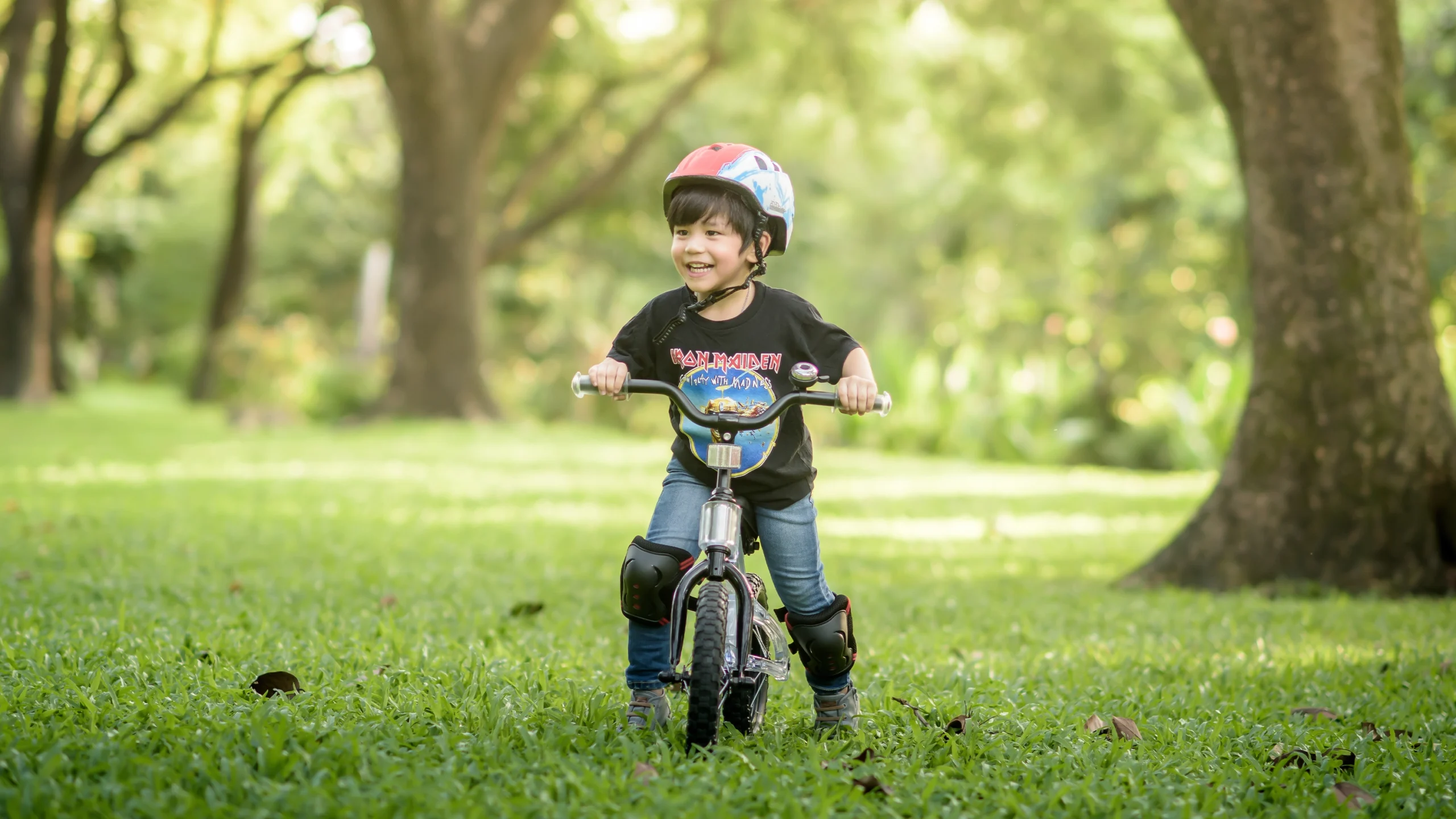
They ride bicycles in subdivisions.
According to road safety advocates, early education helps children develop spatial awareness, risk assessment skills, and rule-following behavior. They learn to pause, look both ways, and think before stepping forward.
Teaching road safety during childhood also builds empathy. When kids understand how traffic systems work, they grow into drivers who respect pedestrians—and vice versa.
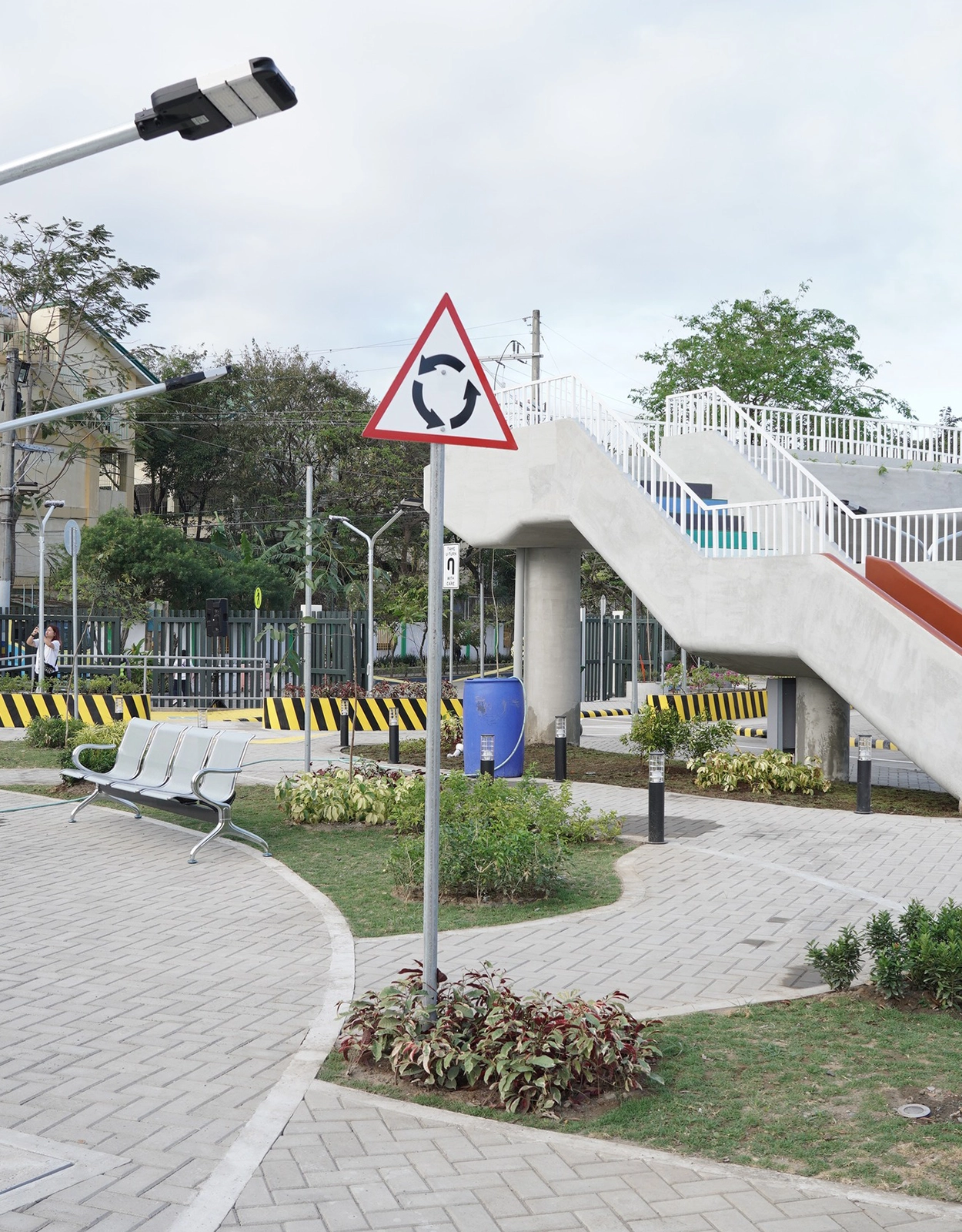
Building a Safer Road Culture Starts at Home
Road safety education protects everyone. When kids learn early how pedestrian lanes, traffic lights, and right-of-way rules work, they grow into more responsible pedestrians and, eventually, more disciplined drivers. In traffic-heavy cities like Muntinlupa, that matters. Safer kids mean fewer risky crossings. Safer future drivers mean fewer reckless moves. It creates a culture where both motorists and pedestrians look out for each other—not just themselves.
But a road safety park is only the beginning. The real lesson sticks when parents model it daily—using crosswalks, following speed limits, wearing helmets, and respecting traffic rules even when no one is watching. Children copy what they see. If families and schools reinforce these habits, Muntinlupa’s initiative won’t just be a city project. It could be the start of a safer generation on Philippine roads.
Frequently Asked Questions
The Road Safety Park is located in Muntinlupa at Barangay Tunasan.
Anyone can! But it’s primarily designed for children.
Children are often pedestrians and cyclists. Early education reduces accident risk and builds responsible habits.
Yes. Studies worldwide show that early safety training improves awareness, reaction time, and rule compliance.
Can parents reinforce these lessons at home?
More about road culture in the Philippines?
Why We Hold Road Safety Awareness Month In May
How to Manage Road Rage with Kids in the Car
Hajime Yokota: A Dad’s Mission to Keep Filipino Families Safe on the Road