Why Parents Should Get to Know Fashion Week Asia


Behind the clothes is a story of culture, craft, and courage – and it starts with parents who make room for their children’s creativity
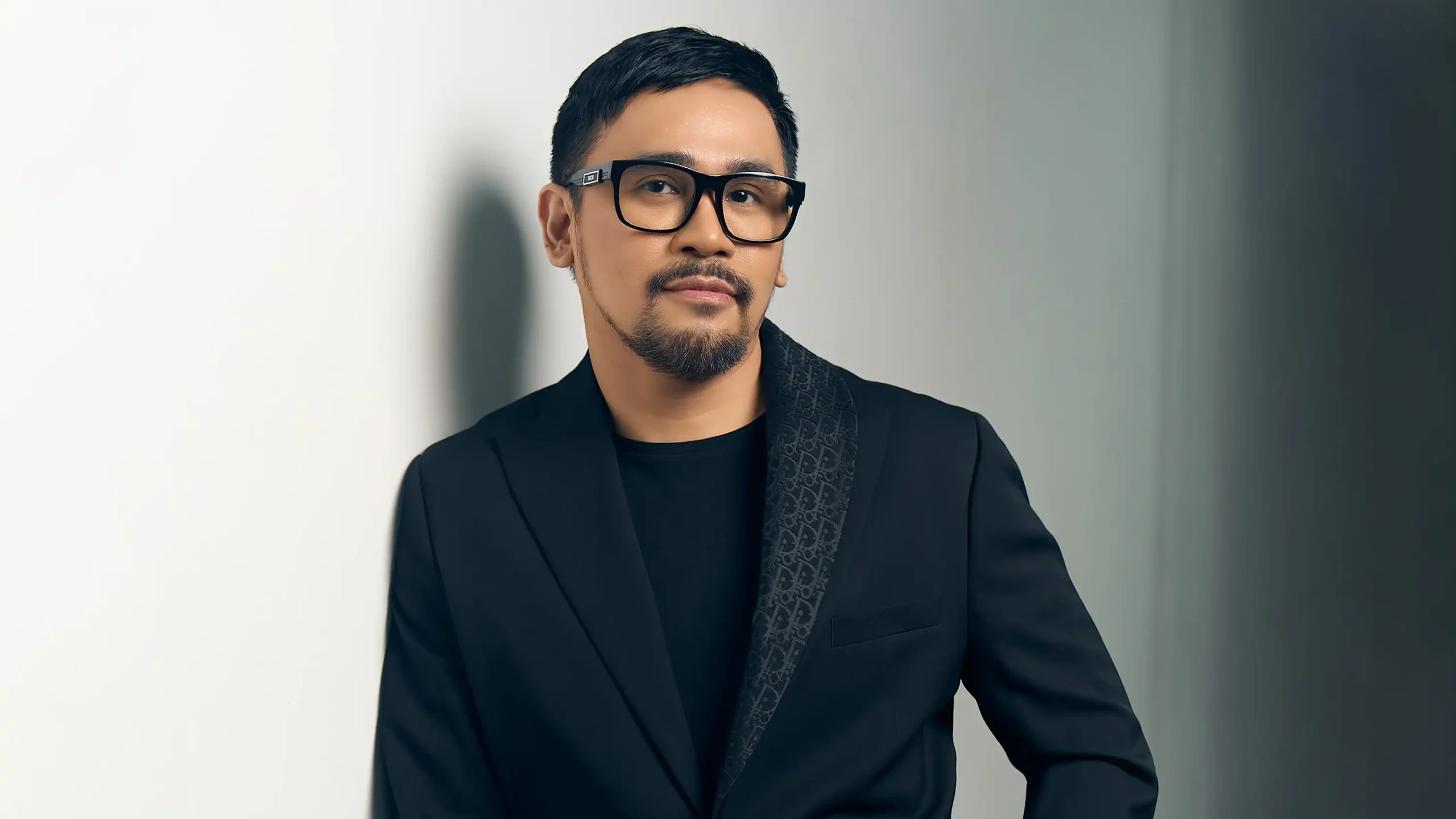
Fashion Week Asia has long been a dream of our CEO, Archie Carrasco, who has championed Filipino artistry and creativity for many years.
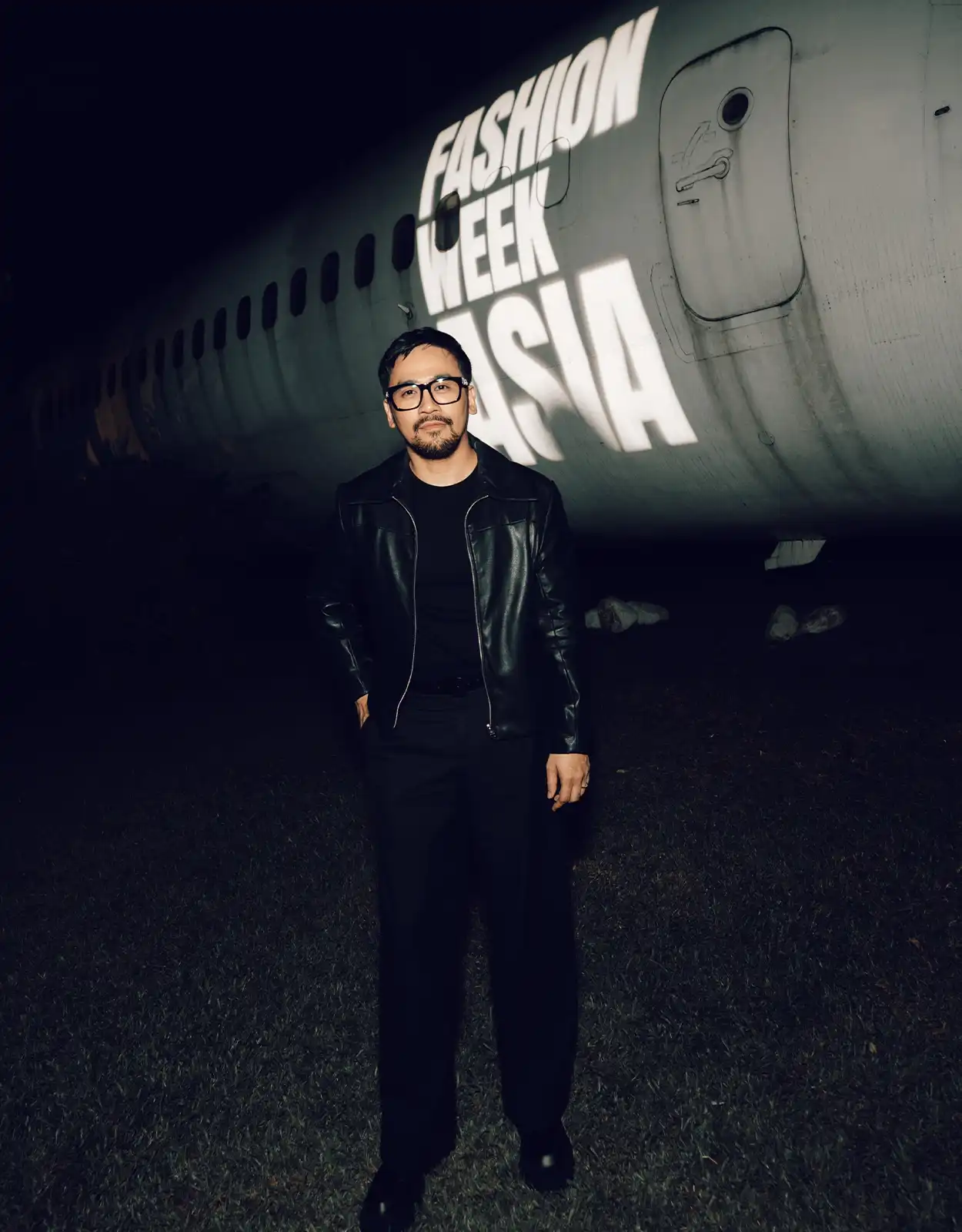
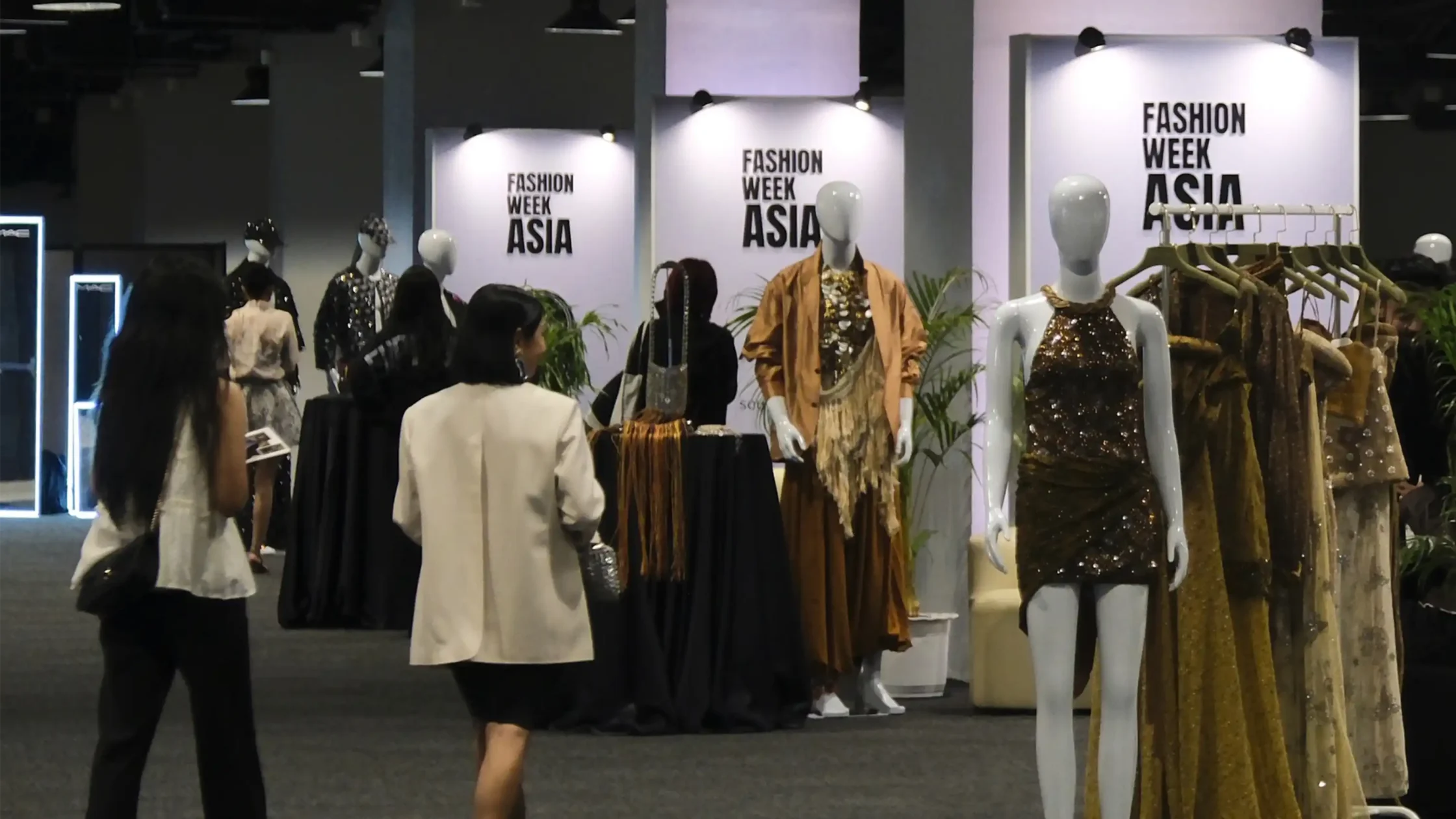
Fashion Week Asia ran in Manila from Oct.20-24, 2026, with many runway shows at the historic Palacio de Memoria. The event showed that creativity is not a luxury or a hobby. It is how a country remembers itself, reinvents itself, and introduces itself to the world.
For parents, the question is not whether your child will become a designer. It is whether you will notice the designer, storyteller, musician, makeup artist, stage builder, or filmmaker already taking shape at your kitchen table.
The Runway Begins at Home
Fashion Week Asia brought together creators from Hong Kong, Indonesia, Malaysia, South Korea, Taiwan, Thailand, Vietnam, and the Philippines. Behind every collection are skills that rarely begin in a fashion school: observation, curiosity, patience, experimentation, and the courage to make something that did not exist before.
A child who mixes colors on paper is learning visual language. A child who rearranges old clothes is exploring proportion and identity. A child who films a funny video, builds a cardboard set, writes a song, or insists on a “weird” Halloween costume is practicing the same impulse that later becomes editorial direction, production design, choreography, or couture.
UNESCO describes creativity as a dynamic expression of identity and values that drives cultural diversity as well as social and economic development. When parents protect a child’s imagination, they do more than keep that child busy. They help shape the people who will carry Filipino stories forward.
Creativity is a Filipino Inheritance
Makers have always built Filipino culture: weavers, woodcarvers, embroiderers, potters, musicians, dancers, cooks, filmmakers, writers, and designers who turned community memory into objects, performances, and images.
That inheritance has a measurable economic footprint. The Philippine Statistics Authority reports that the country’s creative economy reached ₱2.12 trillion in 2025, contributing 7.6% to gross domestic product and employing 8.71 million people. Traditional cultural expression accounted for the largest share of creative-economy jobs, at 33%.
For parents, those numbers make creativity a practical, national concern rather than a detour from “real” work. The child who loves drawing may end up in animation, advertising, architecture, game design, publishing, or fashion. The child obsessed with makeup tutorials may become a visual artist or beauty director. The child who organizes the school play may become a producer, stage manager, or creative director.
What Fashion Week Asia Shows Parents
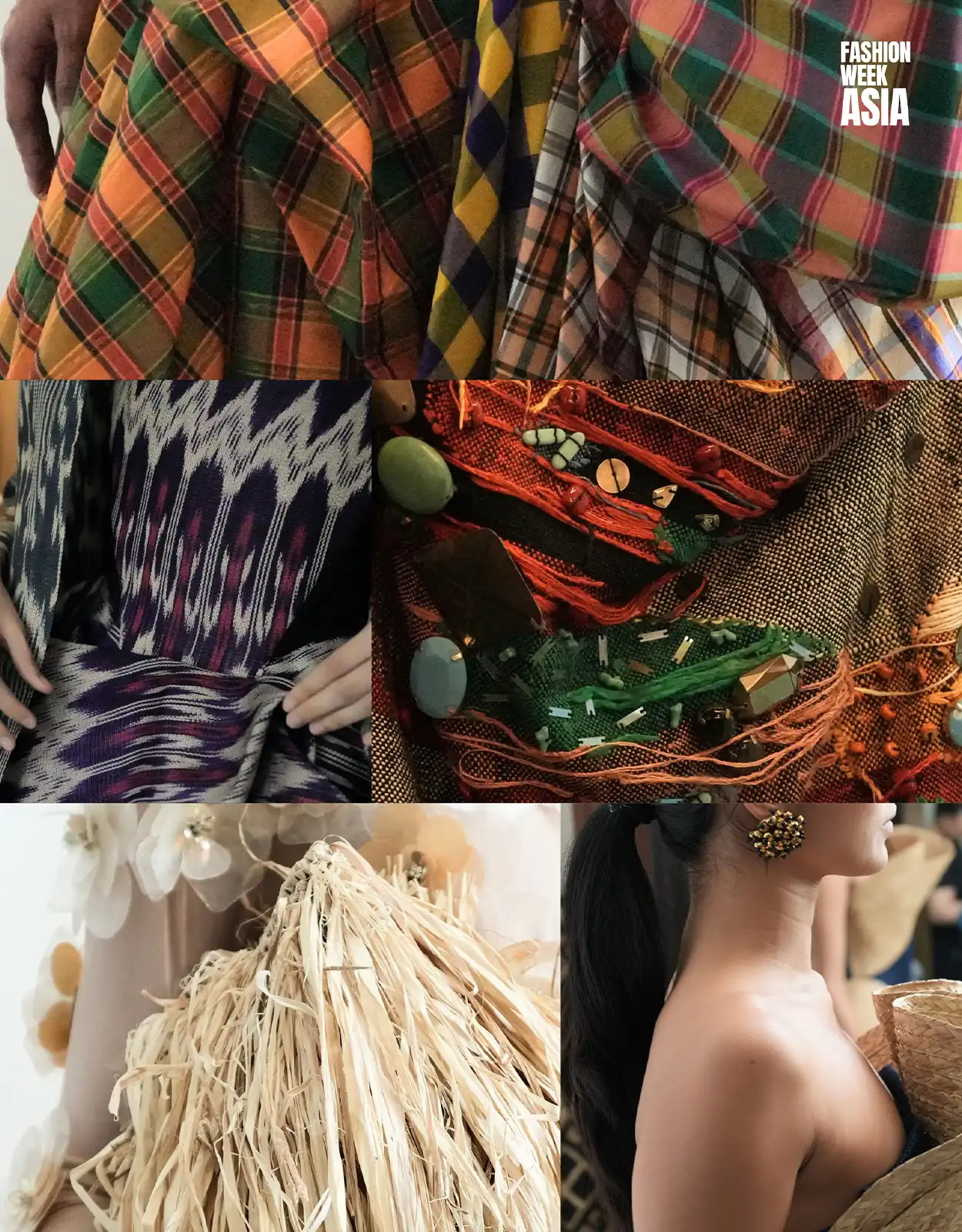
The Tourism Promotions Board, the event’s official cultural partner, stressed that weaving and embroidery are more than aesthetic traditions. For local communities, they are “part of their identity.” Families pass them between generations, and they provide livelihood, dignity, and pride.
Children who watch Filipino textiles, indigenous patterns, local music, and regional craftsmanship earn respect on a global stage learn that their own background is a source of ideas, not a limitation.
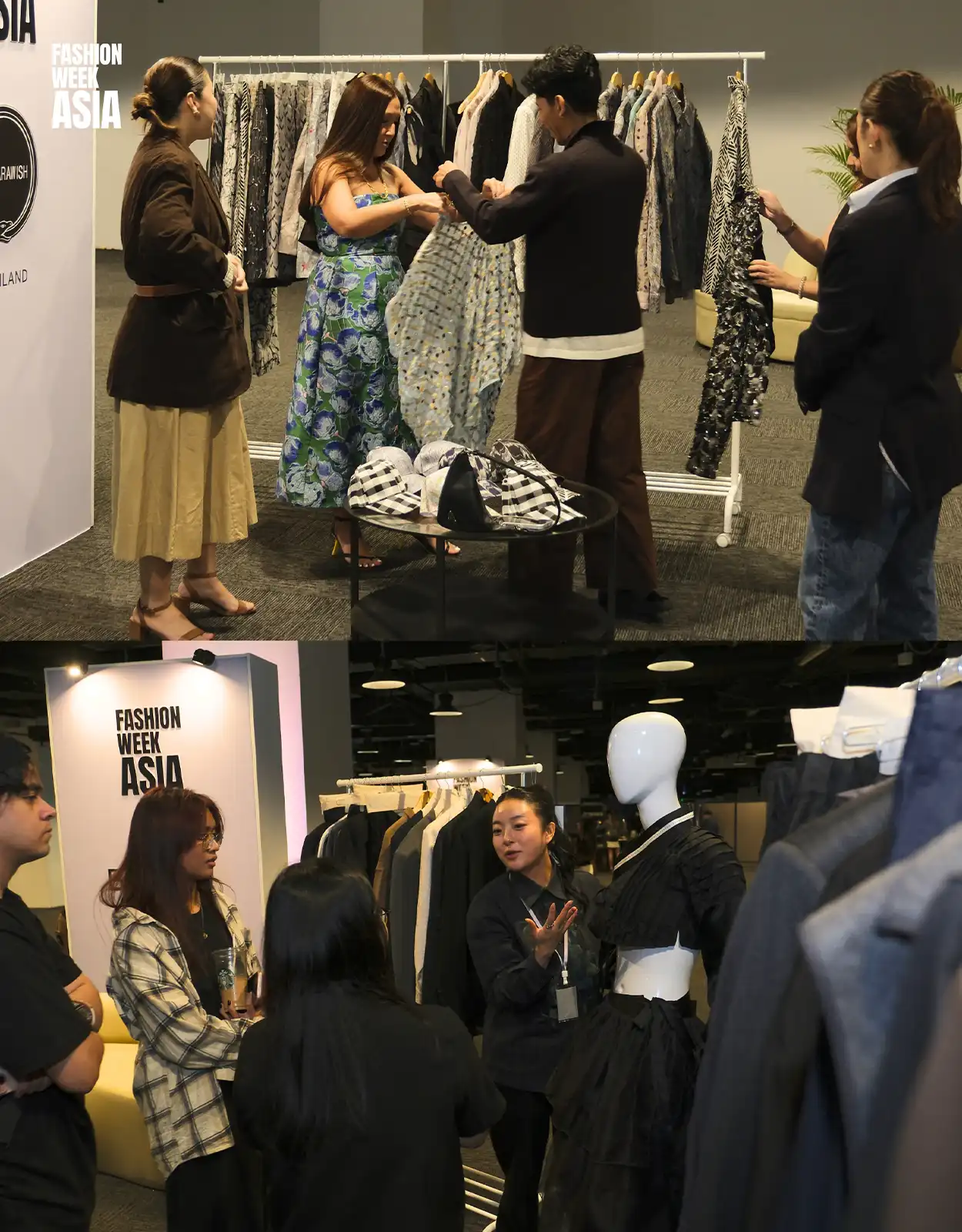
The event also showed how many hands it takes to make culture visible. A runway show depends on designers, but also on stylists, makeup artists, hairstylists, photographers, videographers, musicians, lighting designers, set builders, writers, producers, and communicators. Parents can widen a child’s sense of what is possible by naming these roles: “You like making people laugh. Maybe you could write scripts.” “You notice everyone’s outfits. Maybe styling or design.” “You love organizing your friends. Maybe production.”
How to Support a Creative Child
Supporting creativity does not require expensive art classes or a future in fashion. It requires attention, permission, and space.
- Take the idea seriously. When a child shows you a drawing, costume, song, or story, respond to the effort and the thinking. Ask, “Tell me about this,” before you decide whether it is good.
- Make materials easy to reach. Paper, tape, old fabric, recycled boxes, a phone for filming, cheap craft supplies, and time to experiment often matter more than a formal class.
- Protect unstructured time. Experts note that creative and higher-order thinking develop through experience-driven learning, which means exploration, not constant instruction.
- Introduce Filipino makers. Visit museums, watch local films, listen to OPM, attend community festivals, or learn about a weaving tradition so children see creativity as work Filipinos do professionally and proudly.
- Allow productive mess. A painted table, scattered beads, or a living room turned into a stage can frustrate you, but it may also show a child testing ideas.
- Praise process, not just talent. “You tried three versions” or “You kept going when it got hard” teaches persistence better than “You’re so talented.”
- Model curiosity. Children notice whether adults make things, ask questions, learn new skills, and treat art as valuable.
Not Every Doodle Becomes a Career — and That is Fine
The goal is not to pressure children into becoming artists. Some will pursue science, business, medicine, law, or public service. Creativity goes with them, helping them solve problems, communicate, empathize, adapt, and imagine better futures.
For Filipino families, nurturing imagination is also a form of cultural stewardship. The next generation of designers, musicians, filmmakers, and craftspeople will not arrive fully formed on a runway. They start as children whose ideas someone at home takes the time to hear.
Fashion Week Asia gave Manila a look at what happens when creative people get platforms, mentors, materials, and audiences. Parents can start building that platform earlier: at the dining table, in the backyard, in a notebook, or in front of a mirror.
Behind every striking garment is a story of culture, craft, and courage. And every story needs someone who first believed it was worth telling.
Visit the Fashion Week Asia website at thefashionweekasia.com to learn more about this year’s events and happenings.
Frequently Asked Questions
No. Creativity builds problem-solving, communication, empathy, and adaptability—useful in any career. The goal is simply to take your child’s ideas seriously and give them room to explore.
Offer time, attention, and simple materials like paper, tape, old clothes, and recycled boxes. Ask, “Tell me about this,” and praise effort and persistence—not just talent.
Local weaving, embroidery, music, and craftsmanship show children that creativity is part of their identity and can be a livelihood. Exposure to Filipino makers helps them see their heritage as a source of ideas, not a limitation.
Know more about AGC Power Holdings’ events
Archie Carrasco on Legacy: What Keeps Going After You
A Seat at the Filipino Table: Delish Philippines is Coming
More Than Skin Deep: What Allure Philippines Means for Filipino Moms Raising Daughters