The Women Behind History: Why Sisa Is a Story Filipino Families Should Know



Jun Robles Lana’s Sisa is more than a story about widows—it is a reminder that women, even those often forgotten in history, have always been capable of resistance and courage
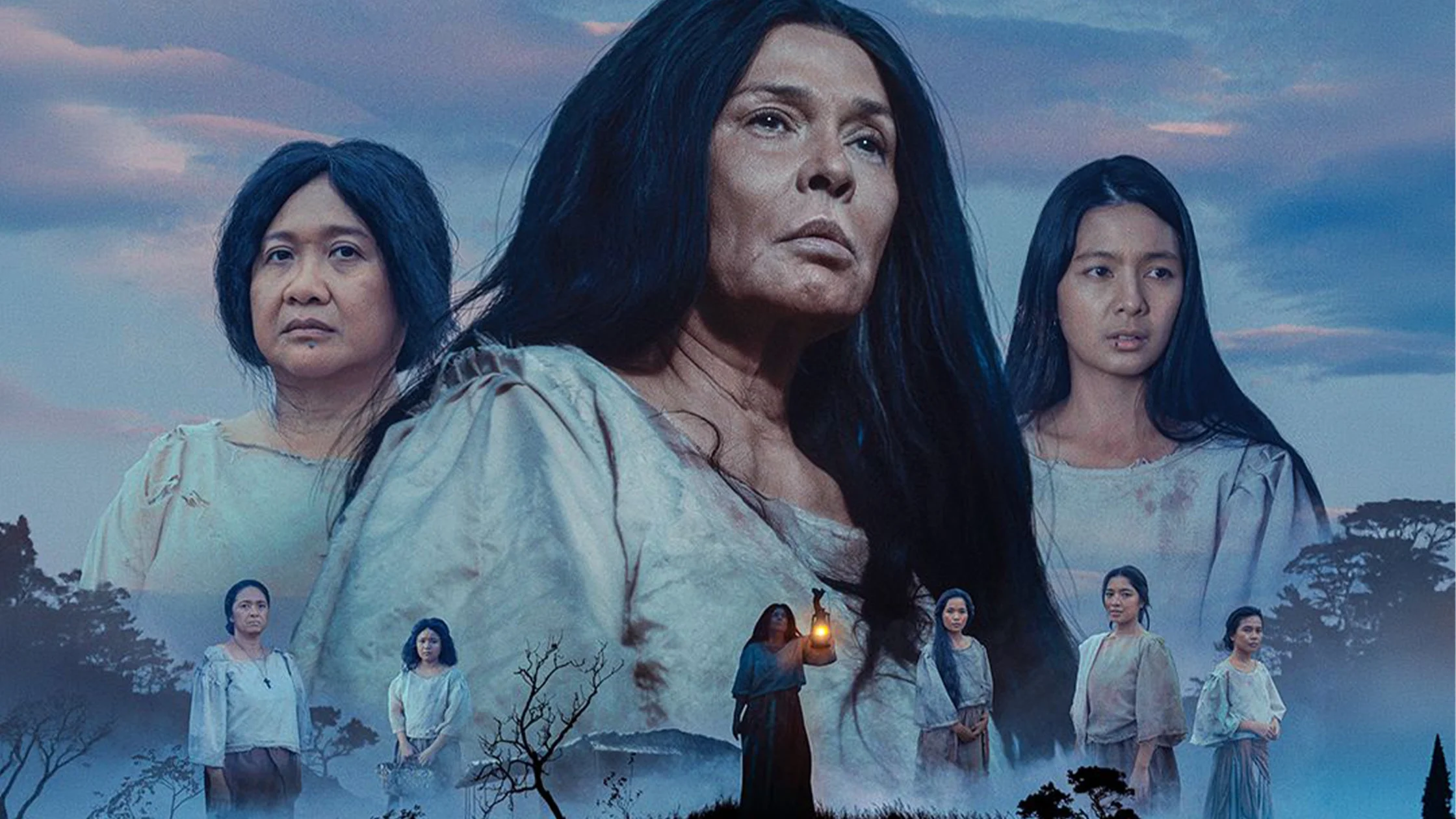
Just hearing the name Sisa often brings to mind the tragic character from José Rizal’s novel Noli Me Tangere—the mother who lost her mind after her sons, Crispin and Basilio, were taken and punished by Spanish friars. But in director Jun Robles Lana’s film Sisa, the woman at the center of the story is far more complex.
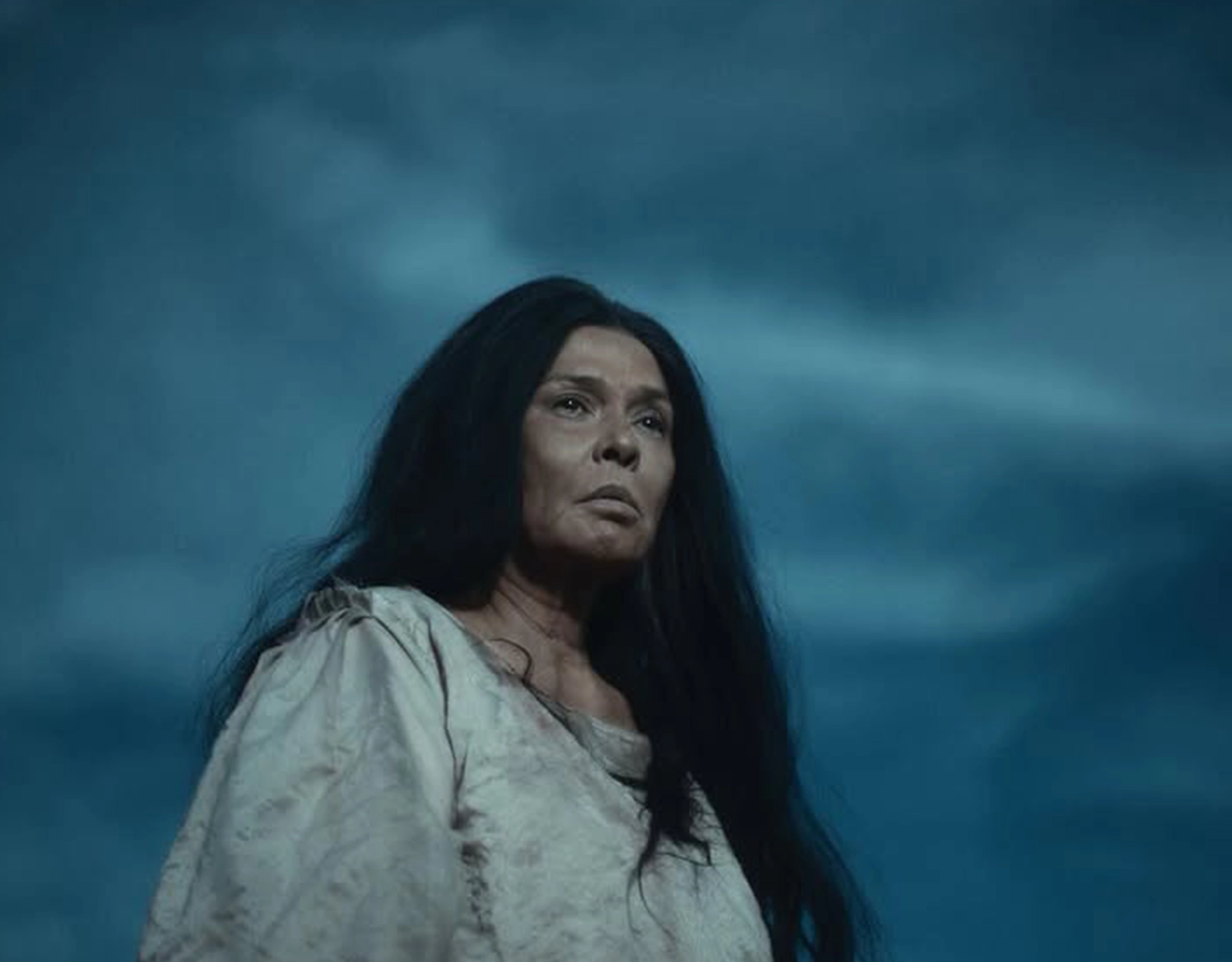
Played by actress Hilda Koronel, this version of Sisa may appear unhinged at first glance. In reality, she is quietly orchestrating a plan against American troops during the Philippine-American War. Beneath the appearance of madness is a woman driven by purpose—and by loss.
More importantly, the film shines a light on the women who were often reduced to footnotes in history, despite playing their own roles in the fight for independence.
Sisa: Behind the Allegory
Set during the Philippine–American War, the film introduces viewers to Sisa, who is taken into a concentration camp—or reconcentrados—after wandering near American territory.
Believing she has lost her mind, the women in the camp take her in. Led by Delia, played by Eugene Domingo, they care for Sisa and help her regain her strength. Unknown to them, however, Sisa is actually disguising herself as a spy to infiltrate the American camp and learn about their plans.
Inside the camp, the audience also meets several women whose stories reflect struggles that many still recognize today.
There is Leonor, portrayed by Jennica Garcia, a young widow favored by the American military leader Commander Harrison. Then there is Nena, Delia’s daughter, who is being taught English and eventually finds herself drawn to one of the American soldiers.
Each woman carries her own burden—loss, broken promises, and the painful reality of living under occupation. Their stories, though set in the past, echo struggles many women continue to face: grief, difficult choices, and the search for justice.
Sisa herself also carries a deeply personal tragedy. As the story unfolds, viewers learn the source of her desire for revenge—the death of her family. Before the war, she was a zarzuela actress, and she later used her fluency in Spanish to communicate with the American general.
But beyond the personal story of loss, Lana says the film also seeks to acknowledge how women were often sidelined in Philippine history.
“The point of the film is to remember them. Remember the cause, the damages. Because it’s only in acknowledging the damages that we can really move forward,” the director told Modern Parenting during the film’s screening.
For Lana, Sisa is not simply a symbol.
“She is a person first. She is an individual with very specific needs,” he explained. “But Sisa is just one of those widows who were left behind. She is one of the victims—a survivor of a massacre that happened to hundreds of thousands of Filipinos. In a way, she represents a woman of that time.”
Sisa: Then and Now
While Sisa’s story is rooted in history, it is also something many women—mothers and daughters included—can still relate to today.
Hilda Koronel describes her character as focused and compassionate, but also capable of great bravery and resistance.
“Sa panahon na iyon, makikita mo yung bravery ni Sisa na gusto niya talagang lumaban,” the actress said. “She really wanted to deal a blow to these oppressors.”
For the actress, Sisa also represents the country itself.
“Kung ano ang nangyayari sa kanya doon, iyon ang nangyayari sa Pilipinas. She somehow represents the oppressed.”
At the same time, she hopes audiences—especially women—take away an empowering message from the film.
“They can do anything they want, especially in this day and age. We can do it.”
Eugene Domingo adds that the film also highlights the importance of solidarity among women.
“Women supporting women,” she said.
Koronel echoed the sentiment.
“Hindi tayo magkakalaban. Magkakampi tayo.”
For Jennica Garcia, Leonor’s story also offers a cautionary perspective, particularly for younger women.
“Leonor is an example of how love can blind you,” she explained. “It took a while before she had the women on her side because she always had her own world. Her identity became whatever her lover told her—and that can be very dangerous.”
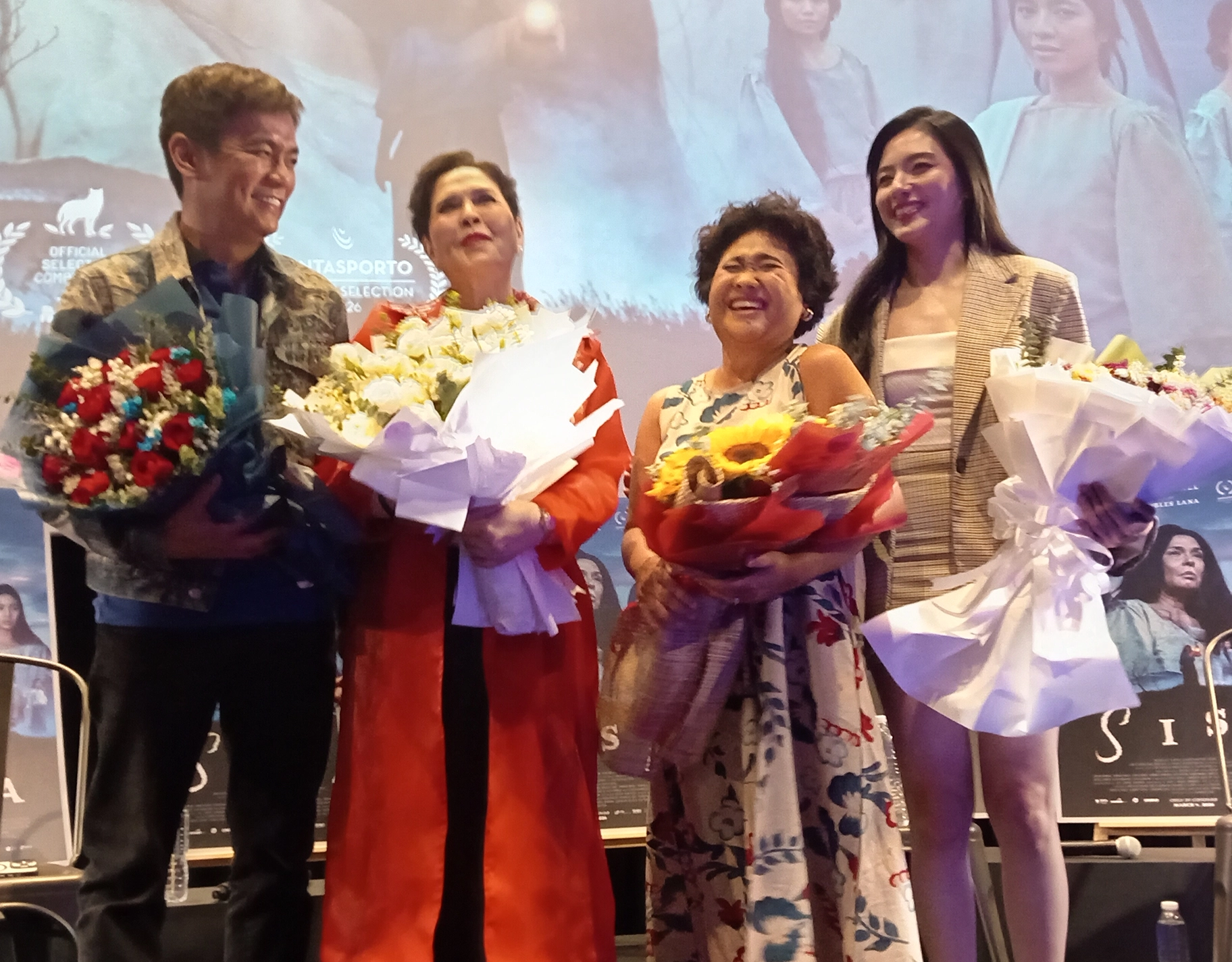
Director Jun Robles Lana, Hilda Koronel, Eugene Domingo, and Jennica Garcia during a film screening for Sisa. Photo by Alexa Villano
Why Sisa’s Story Resonates With Filipino Women
For many women, tragedy can either break you or shape you into someone stronger.
In Sisa, the character embodies the struggles women have faced for generations. If Filipino women in the past were often confined to roles as wives, servants, or mothers, many today are still fighting to claim their rightful place at the table—especially in a world where misogyny and sexist attitudes continue to persist.
Sisa may be a mother, but she is also a fighter. She represents women who take risks, who endure loss, and who continue to stand their ground.
In many ways, she mirrors the spirit of countless Filipino women today—resilient, determined, and capable of becoming heroes in their own right.
Frequently Asked Questions
The film Sisa, directed by Jun Robles Lana, reimagines the famous literary character during the Philippine–American War. In the movie, Sisa is portrayed as a woman secretly working as a spy while living inside a concentration camp for widows.
Veteran Filipino actress Hilda Koronel plays the title role, portraying Sisa as both vulnerable and courageous.
Sisa’s story reflects themes of motherhood, grief, resistance, and resilience—experiences many Filipino women can relate to across generations.
The film highlights the often overlooked role of women in Philippine history and reminds viewers of the strength and courage Filipino women have shown even during times of war and oppression.
More movies
5 Meaningful Lessons Families Can Learn From Hoppers
What Kids Can Learn from GOAT: Heart, Teamwork, and Dreaming Big
Should Kids Watch The SpongeBob Movie: Search for SquarePants?