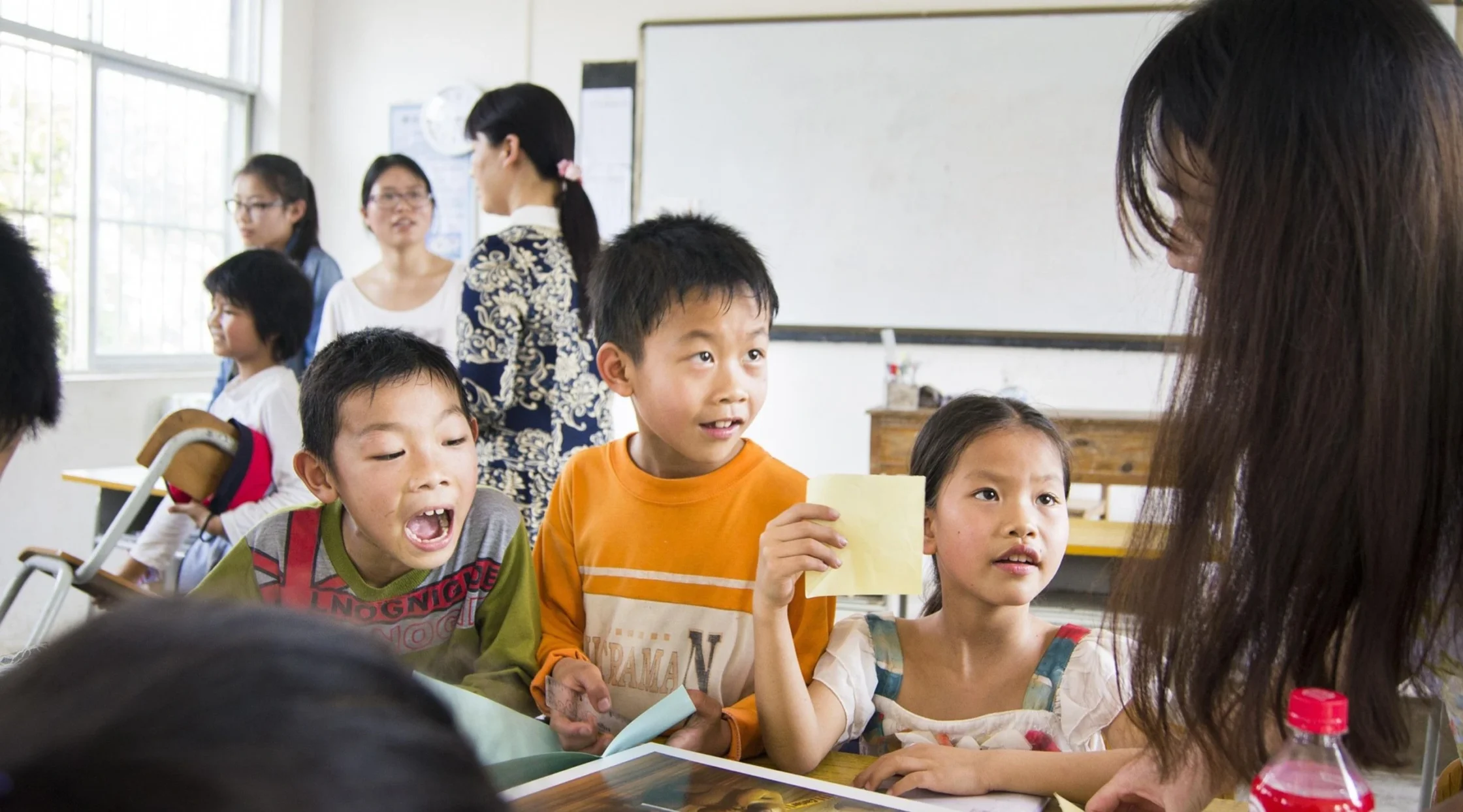
What The New Quality Basic Education Plan (QBEDP) Plan Means For Families



Announced last Tuesday, the DepEd enhanced an existing plan with the new Quality Basic Education Plan (QBEDP)
Although the Basic Education Plan (BEPD) started in 2022, the Department of Education (DepEd) reveals its plan to enhance the program. Relaunched as the Quality Basic Education Plan (QBEDP), it’s meant to address the five-point agenda to improve the quality of education. President Ferdinand “Bongbong” Marcos Jr.’s State of the Nation Address (SONA) also revealed that the 10-year QBEDP would be one of the many ongoing efforts to improve education until the end of his term.
“The Quality Basic Education Development Plan is not just a document. It is a promise. Isang pangako na sa biyaheng ito, walang maiiwan. Lahat ay makakasakay,” Education Secretary Sonny Angara said.
What will the Quality Basic Education Plan (QBEDP) do?
Since the Basic Education Plan (BEPD) was planned to run until 2030, the Quality Basic Education Plan (QBEPD) adds several “basecamps”—years 2028, 2031, and 2034. These will serve as those checkpoints for the DepEd and its stakeholders to ensure that all the work implemented in the QBEDP can either be expounded further or adjusted depending on the students’ responses.
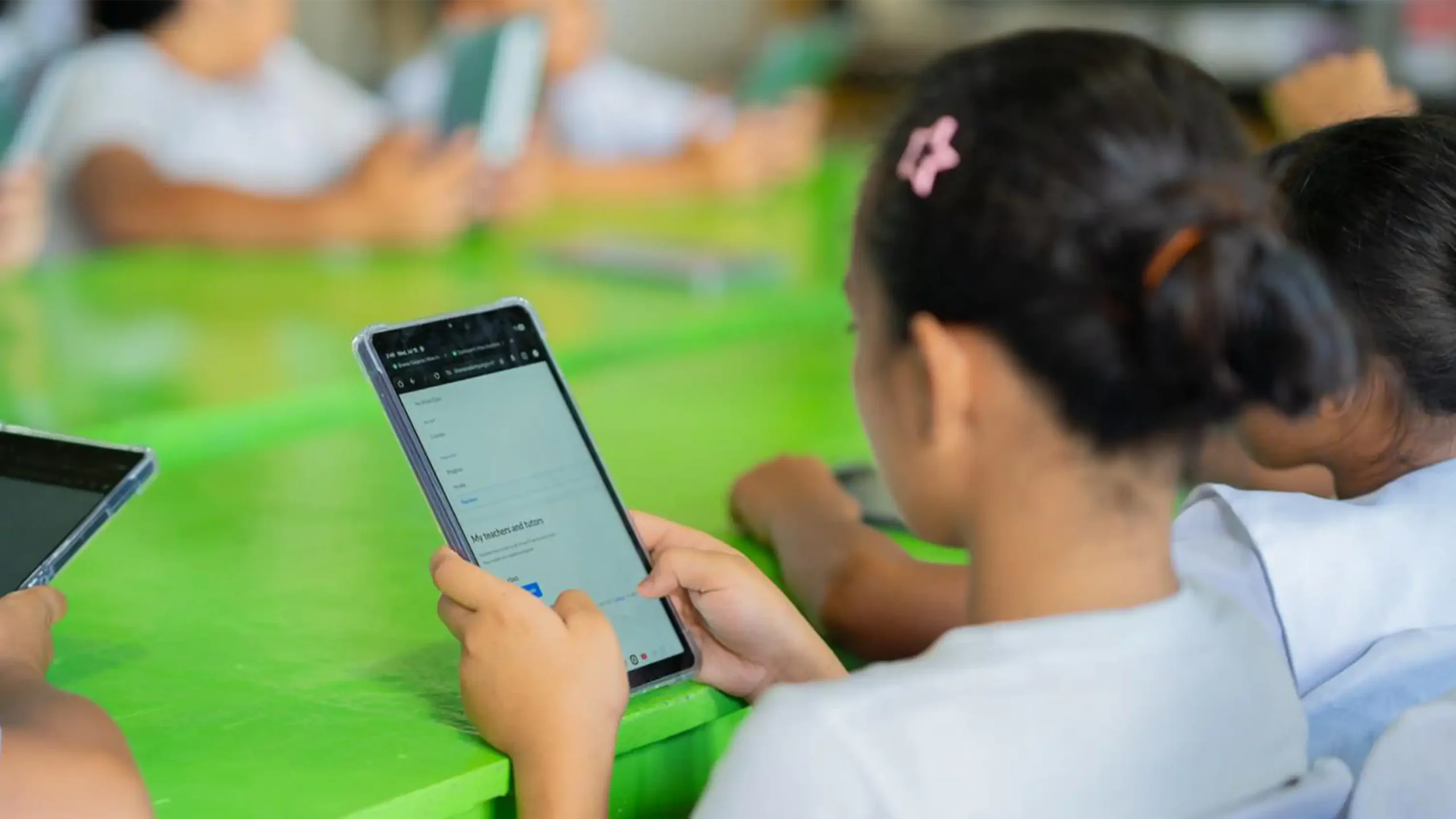
Adding on to the BEPD’s objectives, the Quality Basic Education Plan (QBEDP) will focus on three things: decentralization, digitalization, and public-private partnerships—in hopes of improving the overall quality of education. The improvements will be spread throughout a child’s academic life: Kindergarten, Elementary, Junior High School, and Senior High School.
Even the non-formal education, the Alternative Learning System (ALS), will be modified according to the new plan.
So for parents, this may mean we’ll notice some changes in their lessons. Some of the things we’ve learned in high school may be moved down, but at an easier level. In a way, lessons will be more focused on mastering the “basics” so that kids can use them to learn or understand more complex concepts.
The Fight to Reach Global Literacy Standards
We’ve heard it all before: over 18 million Filipinos are functionally illiterate. But this doesn’t mean that Filipinos are incapable of the typical reading, writing, speaking, and the like. It means that Filipinos struggle in applying those concepts to everyday activities.
It’s as we’ve also often heard: many have failed to develop “critical thinking.”
If many of us look back at how we thrived through school, many of us will realize it’s because we were just that good at memorizing things. We memorized dates, names, places, and things our teachers would lecture about in so many ways. Whether it was color-coding our notes, murmuring our lessons under our breath while walking around the house, or even drawing it out, most of us survived school because of this setup.
It’s only when we join the workforce that we realize that many of the things we memorized didn’t really do much for us. What helped us survive the corporate world or build our businesses were the basics. Basic grammar, arithmetic, and the like—the more pressing issue after that became the consistency or just how long we could keep doing it over and over again.
Learning That Leaves No One Behind
For many years, we’ve often measured intelligence based on how much information we can recite in a single sitting or breath. Today, that’s a bad habit called info dumping — which unfortunately, can make those who do a victim of “smart shaming.“
As parents, we all want the same thing—for our children to not just succeed in school, but to thrive in life. With the Quality Basic Education Plan, the future of learning in the Philippines moves closer to that hope: one where being “book smart” isn’t the only thing that counts, and where every child is seen, supported, and given a chance to grow at their own pace. It’s not just a reform—it’s a reminder that real education meets kids where they are, so no one gets left behind.
More about education?
Test-Taking Skills: The Life Skill Helps Kids Succeed In School And In The Future
Changing The Tone of “Sige, bahala ka na!”: Allowing Our Kids to Be Creative and Critical
How To Develop Good Study Habits In Kids