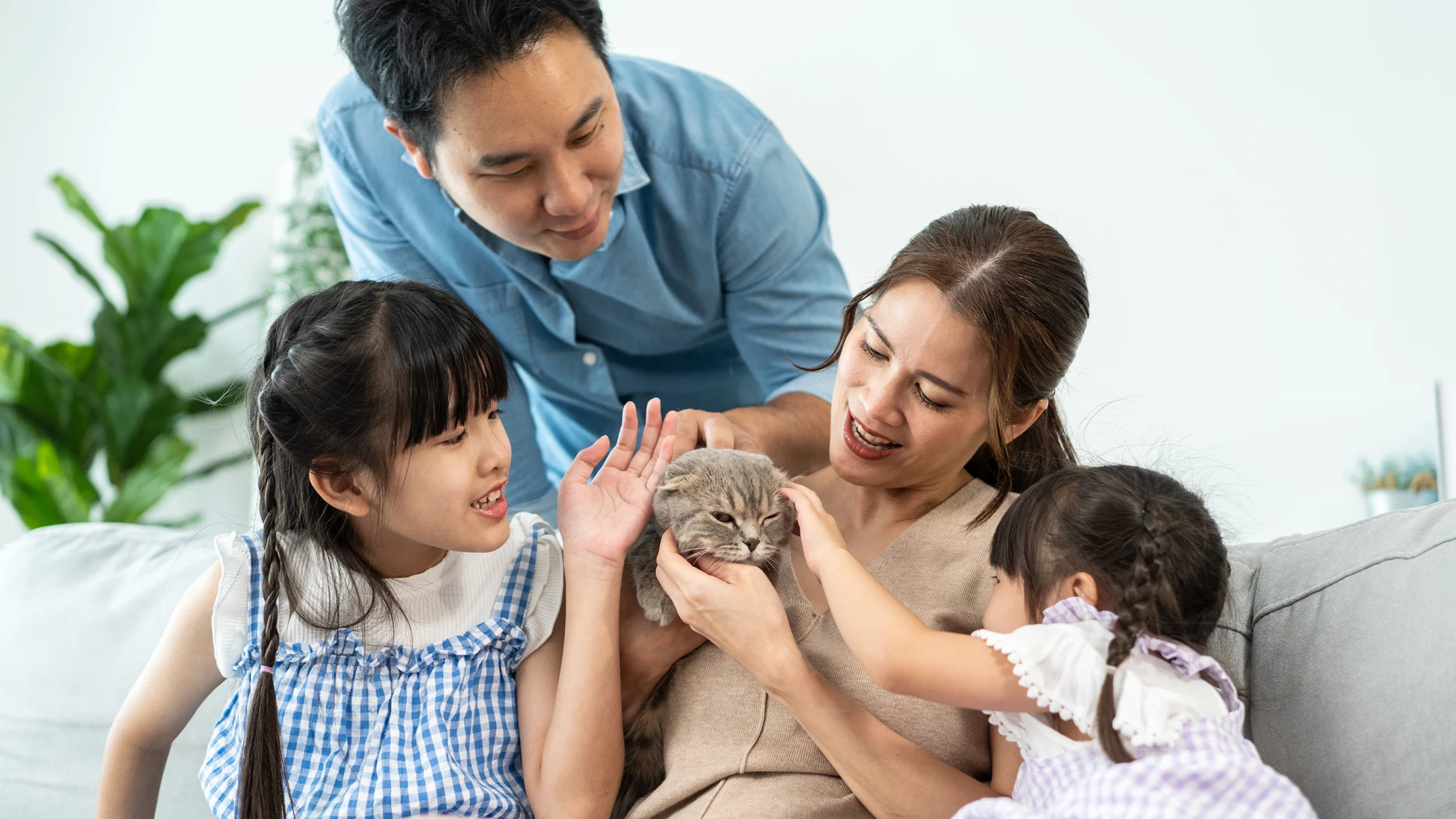
What Parents Can Do if Their Kids Ask for a Pet?



Here’s what parents can do when their kids ask for a pet
Usually, when our kids are around 6 years old or so, they suddenly pop the question, “Can we have a pet?”
As a parent, it can feel nerve-racking. It sometimes means taking care of one more individual or spending more. But that’s the thing about responsible pet ownership: it’s a furever commitment. Pets, once adopted or bought, become part of the family forever. Losing interest is not an excuse to stop caring for them.
While we don’t want to disappoint our kids, we also know how quickly they jump interest. To ensure that they’re serious about owning a pet, here’s what parents can do:

1. Match their personalities
Usually, the question starts with, “Are you a cat person or a dog person?” But kids don’t usually figure out the weight of the question until much later. So, it’s up to us: are our kids energetic? Or are they the type to stay home?
Owning a furbaby isn’t just about what’s cute or in. It’s whether or not their personality vibes with ours. Different breeds also mean different personalities.
Mom of two and Pet Specialty Retail Head at Royal Canin Philippines, Ann Madelene Garcia, did exactly this when she and her daughter thought about bringing a cat into their home. “My first daughter, when she turned six, I was lucky that we’re quite the same in personality. So, we’re both cat people, and that’s how we ended up bringing a cat first.”
2. Check if there’s space
Cats need space, too, despite not being as playful as dogs. They need space for a cat tree, their litter box, and their feeding spot. As much as possible, their litter box and their feeding area should be in the same room, but far apart.
For dogs, they are usually categorized by weight class and personality. Some dog breeds, such as Siberian Huskies, German Shepherds, and Golden Retrievers, need running space.
Also, not all condos are open to having big dogs. Some limit families to owning toy dogs like Chihuahuas, Pomeranians, and Shih Tzus, or medium-sized dogs like Beagles.
3. Expose them to relatives’ pets (with the owner’s permission!)
Especially if we’re not really fond of dogs or cats, we would rather our kids judge for themselves sometimes, if they’re okay with having a dog or cat.
Ann Madeline’s second daughter, upon turning six, wanted a dog. While she was more of a cat person, she didn’t immediately say “no” to her little girl’s request. “Instead, I exposed her to my relative’s dog first,” she revealed. “That way, she and I could both see if we were ready to bring a dog into our home. After a while, we brought one home!”
4. Check if there’s a veterinarian nearby
Pets get sick, too, and they have their own version of a doctor. Unlike hospitals, veterinarian clinics are not open 24/7. They open around 9 or 10 AM, depending on where their branch is.
Encourage the kids also to ask the veterinarian questions about owning pets. After all, what better place to learn about responsible pet ownership than from the experts themselves?
5. Research heavily when buying
Whether cat or dog, buying any breed requires heavy research. Not just about the breed but also those who bring them in. Puppy and kitten mills are terribly common and heartbreaking; they’re rarely screened and kept in horrible conditions. By the time they’re sold, they’re usually emotionally traumatized or sick.
Responsible breeders may charge a lot more, but at least we know they’re loved. Plus, these responsible breeders do their due diligence with the families they sell to also. They sometimes do interviews and having the kids join in the interview to listen in is also a good way to show them the responsibility of owning a pet.
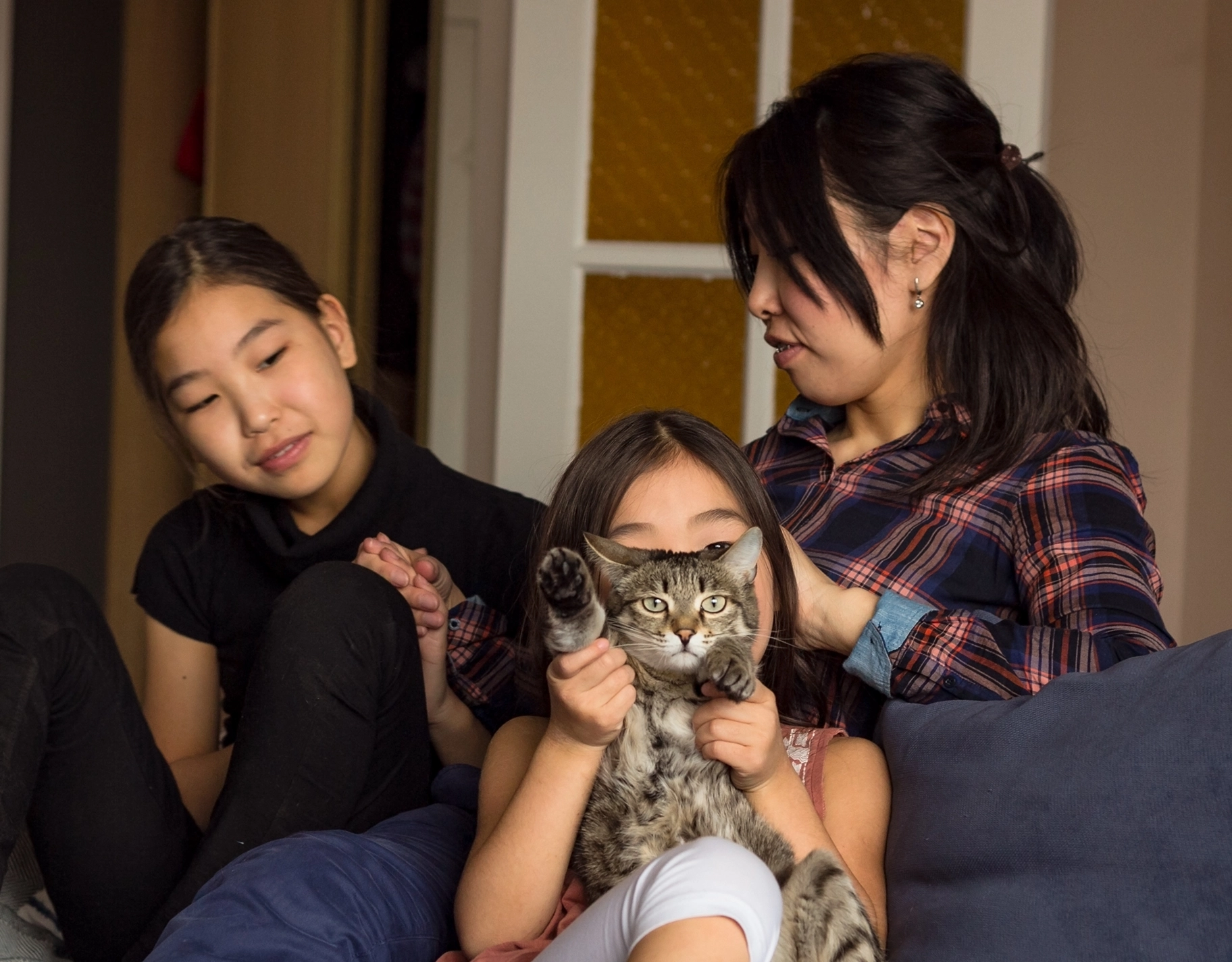
Teaching our kids that having a pet is a furever commitment
When kids ask for pets, it’s usually because they look “cute,” “fluffy,” or “fun.” And while there’s nothing wrong about that, it’s up to us to remind them about the responsibility of caring for them. It’s like what Antoine de Saint-Exupéry writes in The Little Prince, “You become responsible, forever, for what you have tamed.”
Pets, whether dog, cat, rabbit, or the like, are a furever commitment. Their short lifespan of 10-15 years is something that should be filled with nothing but unconditional love from and for their fur families. While humans may outlive their pets, the latter spend the rest of their lives with us. We are their lifelong companions.
Frequently Asked Questions (FAQs)
Look for signs of responsibility—does your child consistently complete chores, follow routines, or care for their belongings? Kids as young as six can express interest in a pet, but parents should gauge their ability to commit to daily care such as feeding, cleaning, and playtime.
It depends on your child’s personality and energy level. Active kids may enjoy playful dog breeds, while calmer children might bond better with cats or small animals like rabbits or hamsters. Matching the pet’s temperament to your child’s lifestyle helps avoid mismatched expectations.
Space requirements vary. Cats need room for a litter box, feeding area, and climbing spots, while dogs—especially medium to large breeds—may need outdoor space to run and play. For condo dwellers, check building policies on pet size and breed restrictions before committing.
Start by exposing them to relatives’ or friends’ pets (with permission!) so they can experience daily care firsthand. Involve them in visits to veterinarians or responsible breeders to ask questions about feeding, grooming, and healthcare. This helps them understand that pets require time, effort, and love.
Research reputable breeders or consider adopting from shelters. Avoid puppy or kitten mills, which often prioritize profit over animal welfare. Responsible breeders and shelters screen potential owners and provide health records, ensuring that the pet is cared for before joining your family.
More about pet care?
Cat-ifying Your Home: Things Your New Feline Furbaby Needs
Happily Furever After: Inspiring Cat Adoption Stories
Hypoallergenic and Family-Friendly Pet Breeds