What Parents Can Do When Kids Say Hurtful Things To Them



Kids, especially when they’re rattled, will say hurtful things us. Here’s how parents can stay calm when they do so:
Every parent dreads the moment their sweet kid suddenly blurts out their first set of sharp words—bladed enough to cut. Maybe it’s the angry snarl of “I hate you!” after being told “no” or the muttered “I wish you weren’t my mom/dad.” Whether your toddler is testing boundaries or your grade-schooler is grappling with big emotions, those words sting. A lot.
So, what can we do? Here’s how parents can navigate those painful moments with grace and wisdom.

1. Pause Before You React
While we would love to snap back or make them “regret it,” we tend to forget that our kids—especially when they’re toddlers—still don’t have a filter between their brains and their mouths. Step back and take a breath. Count to five or do whatever it takes to calm down and see the issue objectively. Besides, staying calm also makes them realize that snapping is not going to get them what they want.
It may be hard at first since we can already imagine what our own parents would do if we did, but this is our chance to rewrite the script. If needed, tap out and switch with your partner, who may be calmer since they’re not the target.
Remind yourself also that their words are just things they said on a whim. Their hurtful words are just an inversion of how much they actually love us.
2. Look Beyond the Words
Unless kids swallowed a dictionary and are a reincarnation of a famous writer, they’re not going to have the words to translate their emotions, nor the presence of mind. Besides, some adults still struggle with understanding the degree and nuances of certain words. Why should we expect better from a kid?
Take the time to decode the message. It may be hard at first with the explosion ringing in our ears, but behind that is a much bigger fire. And we know how the saying goes, “To get rid of the fire, find the source.”
Thinking this way also helps reduce the sting of their words. Besides, if we came from a life in corporate, we’ve probably heard worse.
3. Show How Calm Communication Works
Children learn best through modelling. When they see us calm, they learn how to master their own big emotions. Walk them through the physical feeling first and then associate it with the emotion. Once that’s associated, set limits and repair.
Being calm doesn’t mean just giving in. Sometimes, it just means standing there and staying “mm hm” until they tire out. Other times, it can mean also saying, “What now?”
4. Address the aftermath
Once everyone settles down, gently but honestly explain how their words hurt. When we do so, explain to them we’re not forbidding them from saying it. We can say that words can be just as powerful as Superman’s Heat Vision or Wonder Woman’s super strength. They’ve seen the two superheroes level buildings; explain to them that’s the kind of damage their words can do to a person’s “tiny” heart.
Kids are still playing around with the power of words and will say things. Especially with all the things they hear on the internet, sometimes, they don’t know just how heavy those words are until someone points it out.
5. Teach Repair and Reconnection
Once everyone’s calm, guide our kids toward making amends. It could be a simple apology, a hug, or a small act of kindness. Repair teaches that relationships can heal after conflict—a crucial life skill for friendships, school, and beyond.
However, make sure that we do this for our kids too when we say something brutal.
6. Reflect on Underlying Needs
Sometimes, repeated hurtful remarks signal deeper issues—like trouble at school, anxiety, or difficulty adjusting to changes at home. Pay attention to patterns and seek professional guidance if needed.
Address the hurt with love
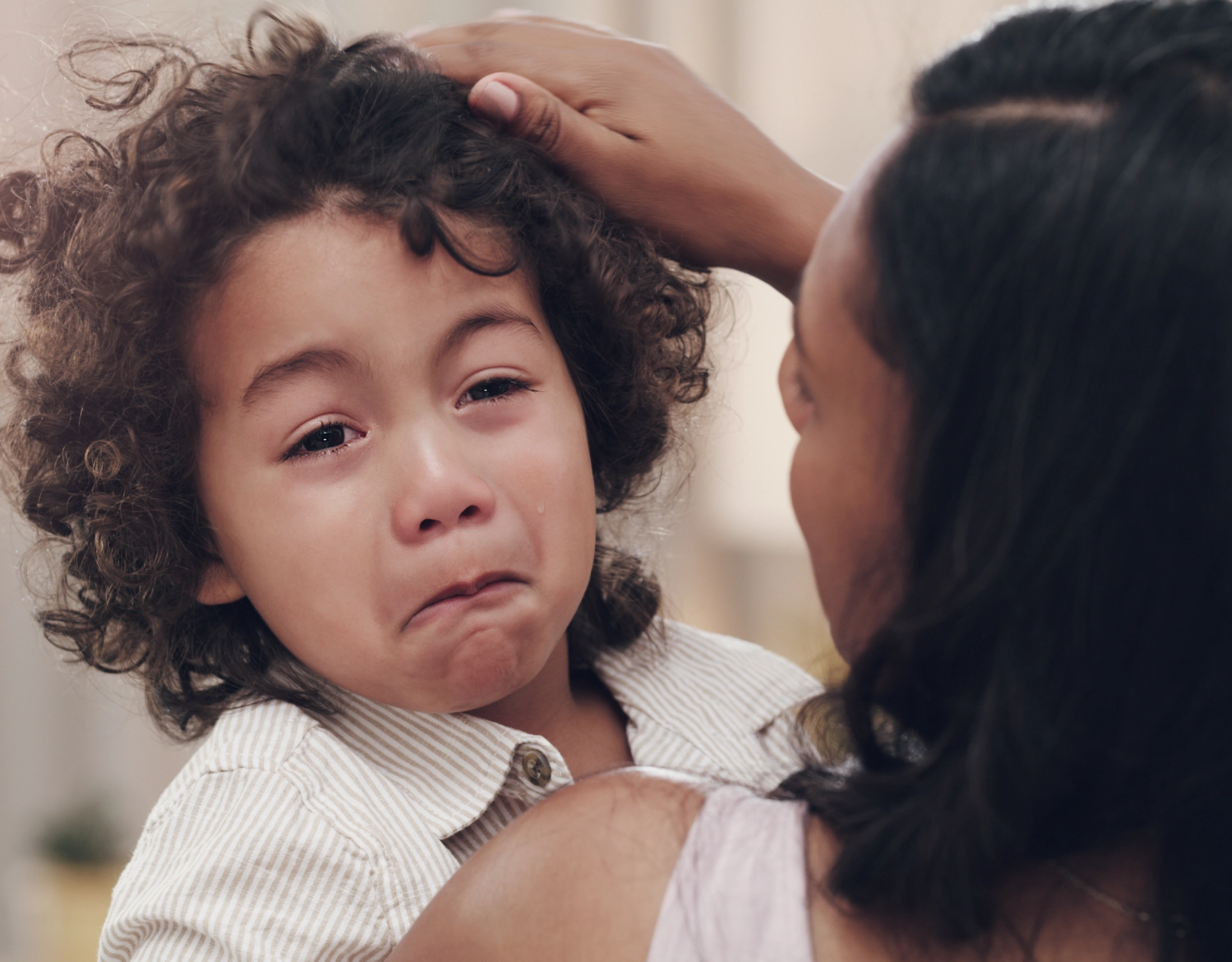
It’s normal to feel hurt when our kids lash out. But remember, their outbursts are usually a signal of something else. They push away and reject via harsh words because they feel they’re out of control. It’s our job as parents to help them realize that they can seize control of the situation.
Staying present, calm, and empathetic is just the first step. Setting up boundaries and eventually coming up with a concrete plan can transform these painful moments into lessons in love, respect, and resilienceResilienceThe ability to bounce back from setbacks, disappointment, and stress. Children build it through supportive relationships, chances to solve problems, and adults who show that mistakes are part of learning.
It’s impossible to not have a fight with our kids. But when we don’t shy away from their hurtful words and instead focus on the problem, we show them that there are less cruel ways to approach a problem.
Frequently Asked Questions (FAQs)
Children, especially toddlers and young kids, don’t yet have the vocabulary—or self-control—to fully express their emotions. A sharp “I hate you!” usually translates to “I’m frustrated” or “I feel powerless.” Their words are more about overwhelming feelings than a true reflection of how they feel about you.
Pause, breathe, and give yourself a mental countdown before responding. If needed, step away or ask your partner to take over for a few minutes. Staying calm models emotional regulation and teaches your child that outbursts don’t get them what they want.
It’s best to wait until the emotional storm has passed. During the outburst, focus on staying present and safe. Once your child is calm, gently explain how their words can hurt, using age-appropriate language and relatable examples—like comparing words to superhero powers that can build or break.
Guide them toward a simple act of repair, such as an apology, a hug, or drawing a picture. This teaches that relationships can heal after conflict and that love remains even when emotions run high. Don’t forget to model repair yourself if you’ve said something harsh.
Occasional outbursts are normal, but if hurtful comments become frequent or extreme, look for underlying issues such as school stress, anxiety, bullying, or changes at home. If patterns persist, consider seeking support from a counselor, pediatrician, or child therapist.
More on how to address hurt and pain?
Sorry, Moms and Dads, A Bowl of Fruit isn’t Always The Best Kind of Apology
6 Reasons Why Apologizing To Our Kids Is Hard | Modern Parenting
Things Parents Can Say To Their Kids When They Make Mistakes