When the Weather Can’t Make Up Its Mind: How to Keep Your Family from Getting Sick



Ever wonder how to deal with those “under the weather” moments whenever it rains, then shines? Here’s how families can deal with weather changes
We’ve all been there: the skies shift, a cool breeze hits in the morning, or rain pounds in the afternoon—and before you know it, someone in the family coughs, sneezes, or feels a little “off.” In the Philippines, where monsoons, Amihan and Habagat winds, and rapidly changing seasons are part of life, our bodies can get caught off guard. Let’s explore why that happens—and how families can stay well when the weather changes.
Why Weather Changes Can Make You Sicker Than Usual
Respiratory Viruses Love the Rainy & Colder Air
During transitions to cooler or wetter weather (like Amihan or the rainy season), the Department of Health (DOH) reports spikes in influenza-like illness and respiratory infections across the country. Viruses tend to survive longer when indoor air is moist, and people spend more time indoors.
Humidity, Mold & Allergens Multiply
Mold, mildew, dust mites, bacteria, and viruses just love damp and humid conditions. These are what usually irritate airways and trigger allergiesAllergiesAn overreaction of the immune system to a harmless substance such as food, dust, pollen, or pet dander. Common childhood triggers include eggs, milk, peanuts, and seafood, so parents should, making it easier for those pesky diseases to cling to our bodies.
Temperature Fluctuations Stress the Body
Because the weather changes from hot to cold suddenly, our bodies are fighting to regulate our core temperature. If we’re too hot, we’ll sweat, and germs just love soaking in the water. Too cold, we’ll freeze. The constant change weakens our immune system, making our colds and coughs a lot worse.
Crowded, Damp Indoor Spaces = More Exposure
Since bad weather keeps everyone inside, germs spread more easily. Public transit, classrooms, and malls all become hotspots. With all the people, germs end up on all sorts of surfaces and we don’t know where they came from previously. Handwashing, disinfecting, and avoiding crowds when possible help a lot.
Weakened Immunity from Other Stressors
Poor sleep, low nutritionNutritionThe process of obtaining and using nutrients from food to support growth, energy, overall health, and proper body function., dehydration, and stress (yes, even worrying about bills, kids, or chores) all weaken our immune systems. When weather shifts add extra strain—like being wet, cold, or trying to dry damp clothes—the risk goes up.
How Filipino Families Can Stay Healthy When Weather Changes
Here are practical, family-tested strategies to help you cope and protect your household:
Dress in Layers & Keep Dry
Use light layers so you can adjust when moving between outdoor heat and indoor coolness. Have umbrellas, raincoats, and waterproof shoes ready. If clothes get soaked, change immediately.
During Amihan season, when cool northeast winds bring chill and dampness, expect more flu-like illnesses. DOH advisories often include reminders to wear warm clothing during mornings and evenings. Be extra vigilant in flood-prone areas—standing water after heavy rains can lead to waterborne diseases like leptospirosis or even dengue. Clean water, dry surroundings, and keeping clothing dry are key.
Boost Immunity with Food & Rest
Prioritize sleep (7-8 hours for adults, more for kids), balanced meals rich in Vitamin C, zinc, and antioxidants (think citrus fruits, dark leafy greens, nuts), and enough clean water daily. Local advice from DOH and the National NutritionNutritionThe process of obtaining and using nutrients from food to support growth, energy, overall health, and proper body function. Council stresses this during rainy/cold seasons.
Hygiene & Clean Environment
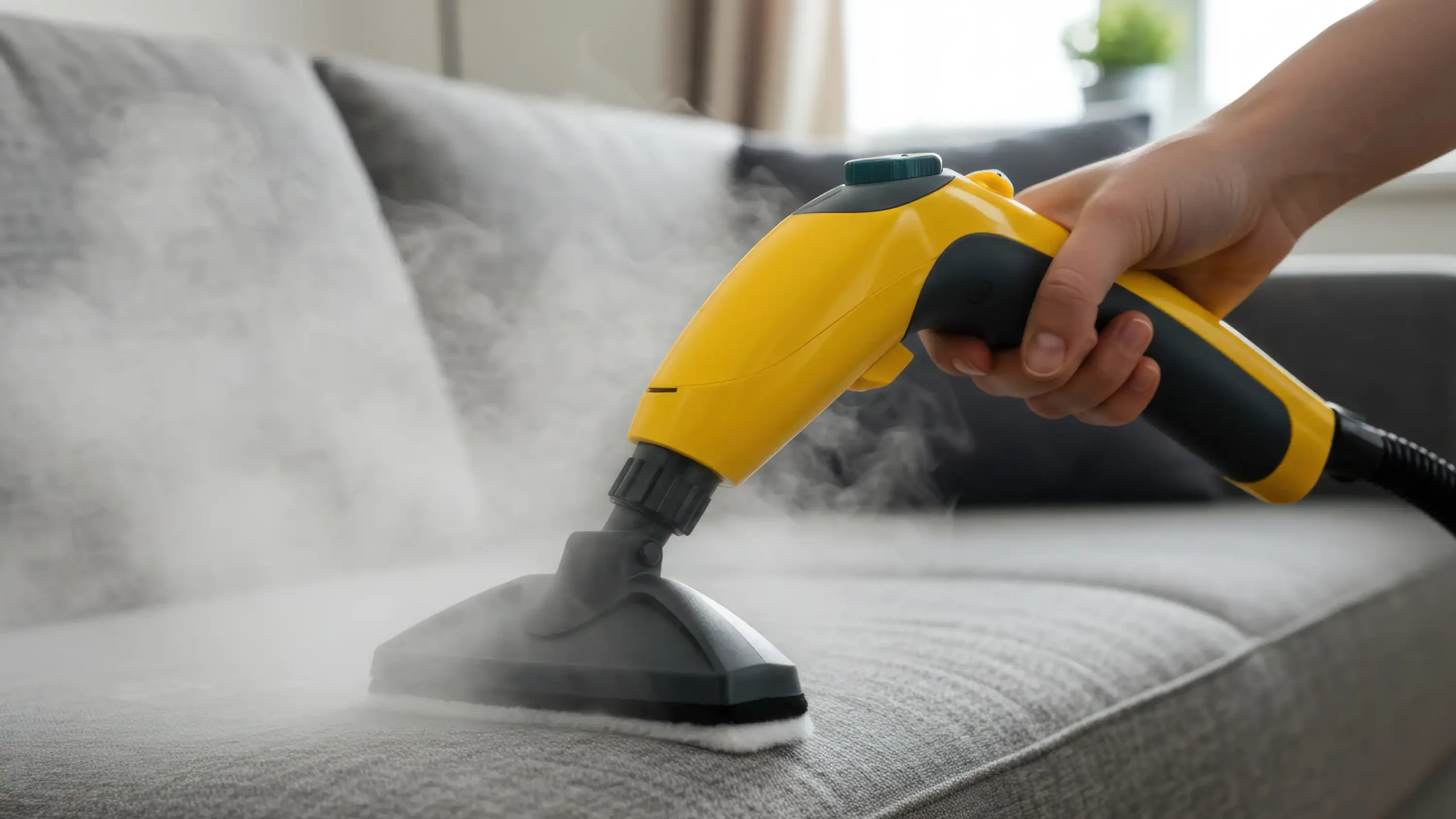
Wash hands frequently—especially after being outdoors or touching commonly used surfaces. Disinfect doorknobs, faucet handles, and light switches. Keep homes ventilated to reduce dampness and fungus.
When going out, always have a pack of anti-bacterial wipes, alcohol, and dry tissue to stay clean when malling or using public bathrooms.
Stay Up to Date on Vaccines
Flu shots, if available, can help reduce the risk of severe illness during peak seasons. If anyone in the family has chronic conditions, immunizations, and preventive care should be a priority.
If private hospitals and baranggay health centers are too full, check out the pharmacies. Some of them do offer annual flu shots.
Watch Symptoms Early & Limit Risk
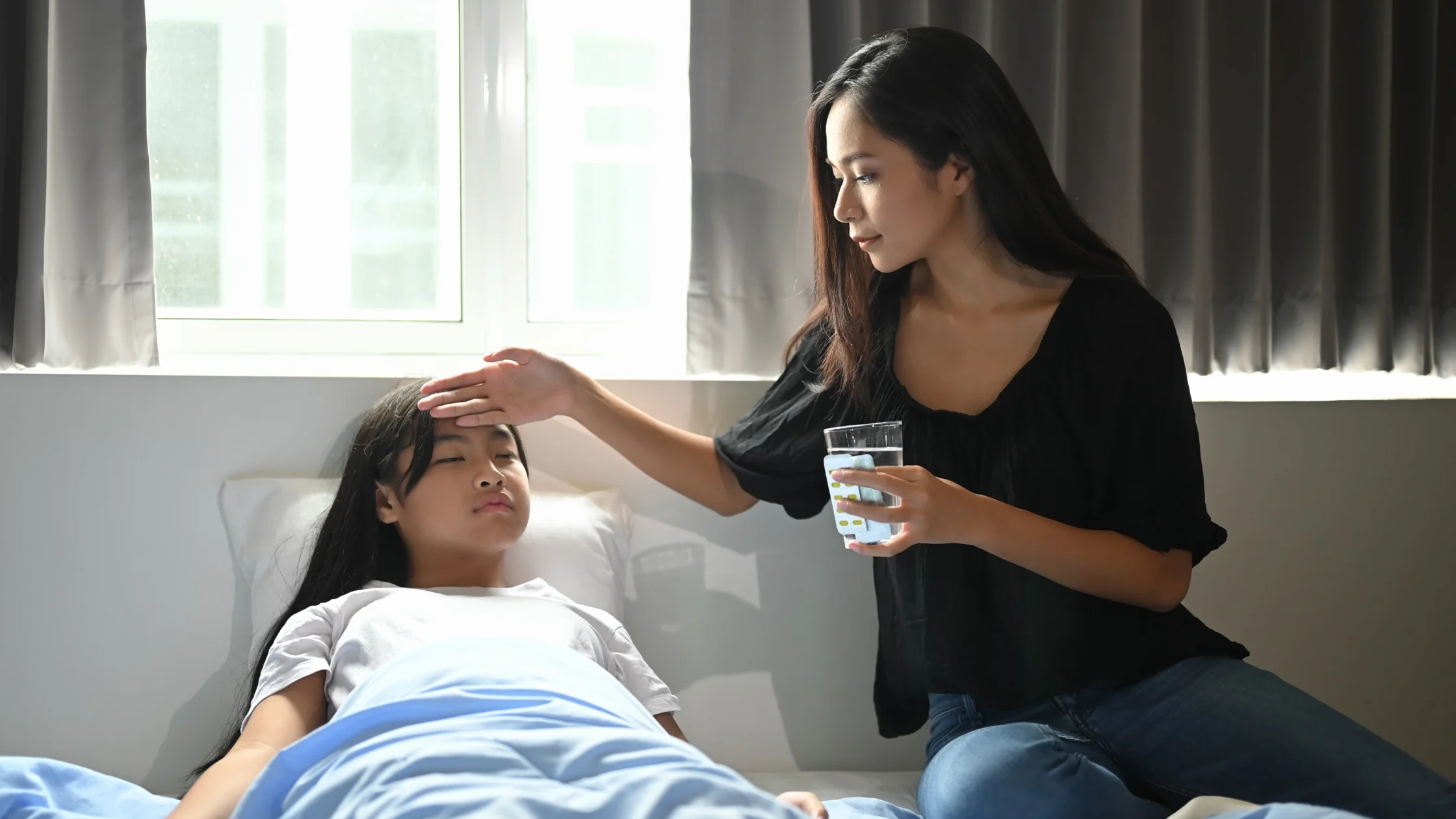
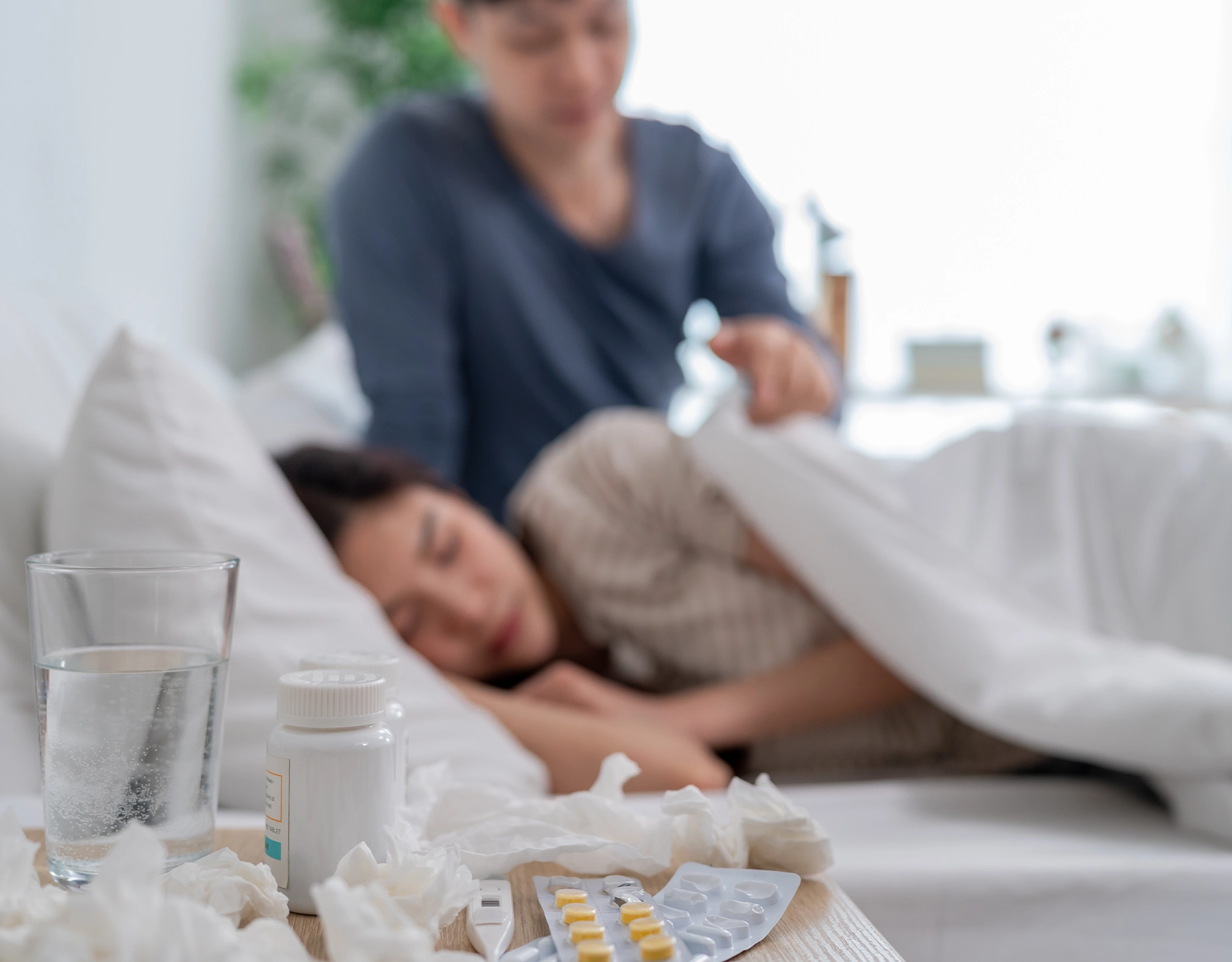
If someone wakes up with a scratchy throat, body aches, or a mild fever, begin with rest, fluids, and home remedies right away. Avoid sending sick kids to school or exposing them to large gatherings. Cover coughs/sneezes. Keep a distance when necessary. Also, time to break out those “healing soups!”
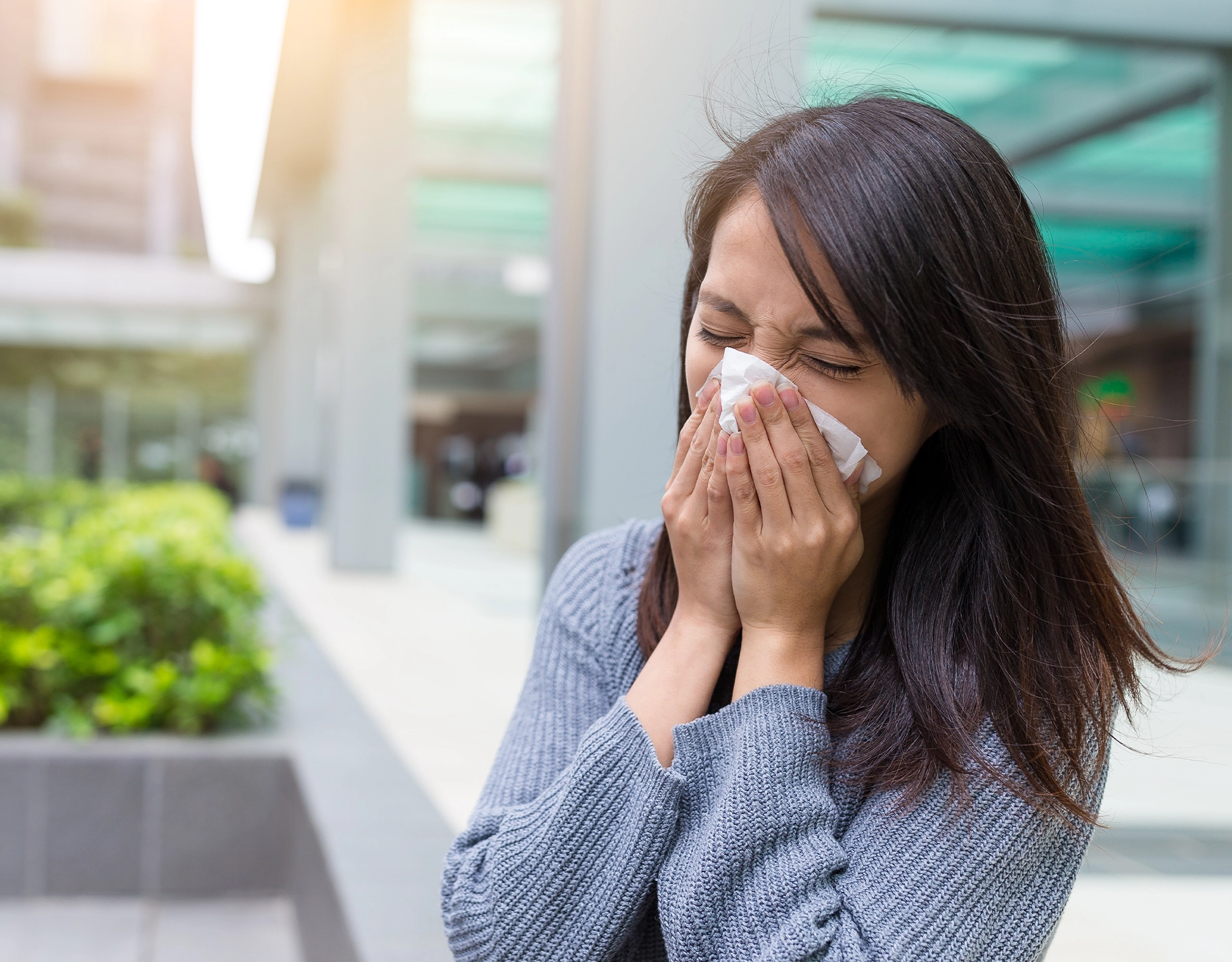
Dealing with instant weather changes isn’t easy
Weather changes don’t have to mean sickness for your household. Recognizing what triggers illness—from damp clothes to sudden temperature swings—lets you plan. As parents, your best defense isn’t just a medicine cabinet, but the daily choices: cozy layers, clean environments, good sleep, and foods that nourish. When we protect our families this way, we’re not just warding off coughs; we’re creating homes that stay warm, resilient, and full of health even when the skies open up.
Frequently Asked Questions (FAQs)
When temperatures shift suddenly — like from hot and humid to cool and rainy — our bodies use extra energy to adjust. This temporary stress can weaken the immune system, making it easier for viruses like the common cold or flu to take hold. In the Philippines, this is especially common during Amihan (cool winds) and the rainy season, when humidity rises and people stay indoors longer.
Encourage your kids to stay warm, dry, and hydrated. Dress them in layers, give them immune-boosting foods like citrus fruits and vegetables, and teach proper handwashing. Make sure they sleep enough — lack of rest is one of the biggest immune busters! You can also use a dehumidifier or open windows during dry spells to reduce indoor moisture and prevent mold.
Yes — most “weather-change” illnesses are actually viral infections that spread through droplets when someone coughs or sneezes. During the rainy months, people gather indoors more often, which increases transmission. Keep shared items clean, cover coughs, and remind your kids not to touch their faces after playing outside or at school.
Regularly clear out stagnant water in buckets, pots, and roof gutters to avoid mosquito breeding. Wear protective footwear when walking through puddles or floodwater, and make sure your kids are vaccinated and protected with mosquito repellents. The Department of Health also recommends staying indoors during peak mosquito hours (4–6 PM) whenever possible.
If symptoms last more than three days — like persistent fever, wheezing, or stomach pain — it’s time to consult a pediatrician or family doctor. Severe fatigue, shortness of breath, or dehydration should also be checked immediately. Early treatment prevents complications and helps your child recover faster, especially during flu season.
More about the flu season?
Respiratory Syncytial Virus (RSV): Not Your Typical Flu
5 Easy Ways To Fight Against the Flu
Caught The Flu Bug? Here’s What To Do!