Why Teenagers Get Body Odor (And How Parents Can Help)



Here’s why teenagers get body odor and how parents can help
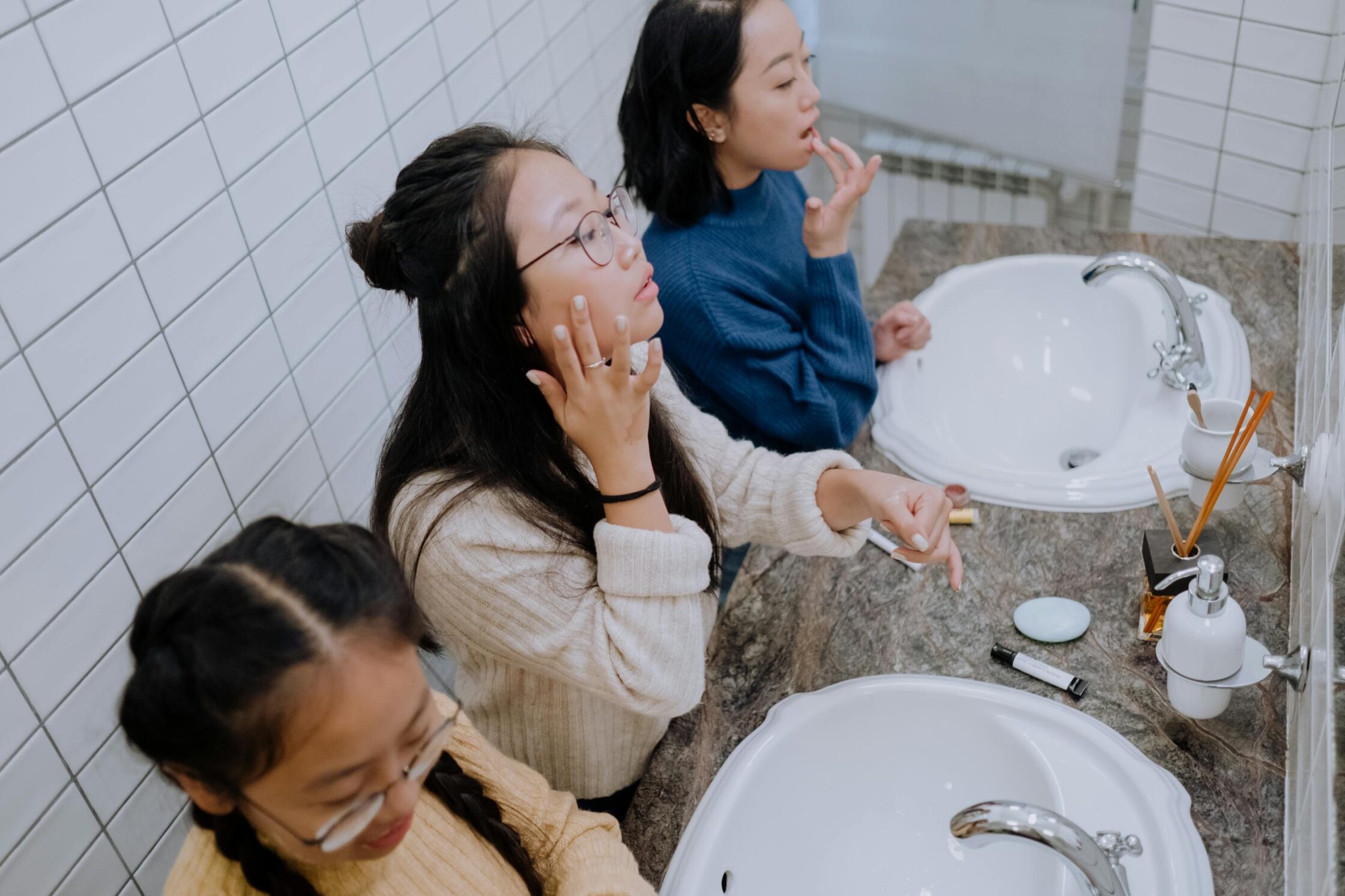
PubertyPubertyThe phase when a child's body matures, usually between ages 8 and 14, bringing growth spurts, body changes, and strong emotions. Calm, accurate conversations before changes start help children feel can either be an amazing season to bloom or a terrible beat-up with the metaphorical baseball bat. With all the sex and growth-related hormones, teenagersTeenagersYoung people between 13 and 19 who are developing identity, independence, and judgment. Parents stay close by listening more than lecturing, keeping curfews and expectations clear, and showing up for undergo all these changes. It’s why they kind of turn into monsters for a while before settling down. Besides their minds, teenagersTeenagersYoung people between 13 and 19 who are developing identity, independence, and judgment. Parents stay close by listening more than lecturing, keeping curfews and expectations clear, and showing up for’ bodies are not exactly in the most fun state—especially when they have body odor.
Here’s what causes body odor in teenagersTeenagersYoung people between 13 and 19 who are developing identity, independence, and judgment. Parents stay close by listening more than lecturing, keeping curfews and expectations clear, and showing up for:
Things that can cause body odor in teenagers

1. Hormonal Changes
During pubertyPubertyThe phase when a child's body matures, usually between ages 8 and 14, bringing growth spurts, body changes, and strong emotions. Calm, accurate conversations before changes start help children feel, sweat glands become more active. This natural increase in sweat can mix with bacteria on the skin, producing the distinct odor teens often struggle with.
2. Poor Hygiene Habits
When things get stressful, some teens get too tired to follow up on hygiene habits. Skipping showers after sports, school, or outdoor play lets sweat and bacteria accumulate. Encourage daily showers with gentle soap to combat odor.
3. Diet Choices
Certain foods—garlic, onion, and heavily processed meals—can make body odor more noticeable. It’s why Filipinos often smell like pork; the intake of foods like sisig, lechon, tocino, and many other hearty pork dishes leaves them smelling like pigs. Mix that with sweat, and that’s not exactly a smell we’d like to wear. Balanced meals and proper hydration help reduce this effect.
4. Clothing Choices
Synthetic fabrics trap sweat, making odor linger. Breathable fabrics like cotton allow air circulation and reduce odor buildup. If they sweat too much, maybe it’s time they have their “athleisure” era.
5. Stress and Lifestyle
TeenagersTeenagersYoung people between 13 and 19 who are developing identity, independence, and judgment. Parents stay close by listening more than lecturing, keeping curfews and expectations clear, and showing up for under pressure (school, social life) may sweat more. Mindful activities, exercise, and proper sleep help manage stress-related odor.
How Parents Can Help Teenagers Deal With Body Odor:
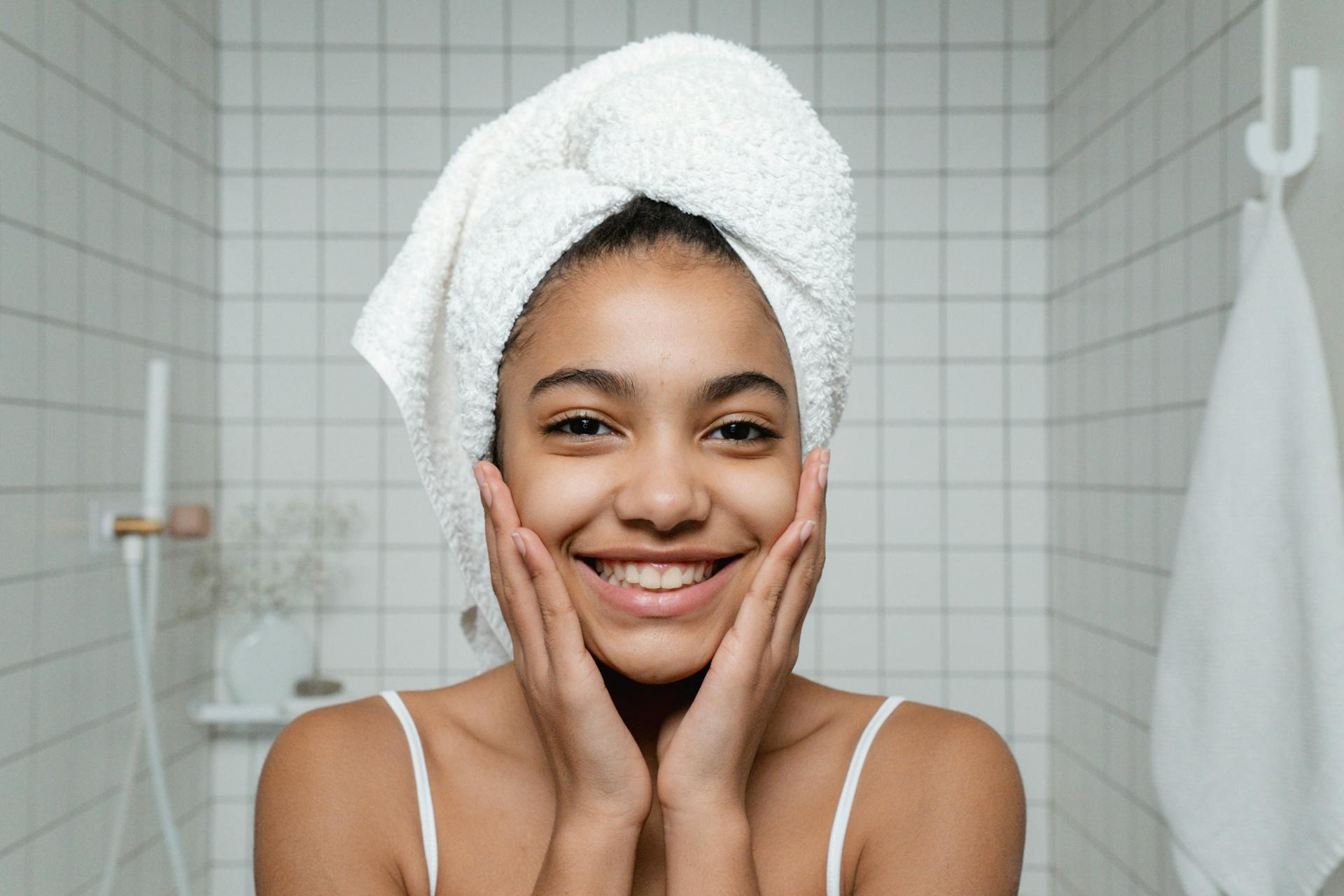
Body odor can be a frustrating thing to deal with, especially when teens are out there trying to “make more friends.” It can be quite a turn-off and embarrassing for them. Here’s how parents can help their teens deal with their body odor:
- Introduce deodorant and antiperspirant early.
- Encourage proper laundry routines.
- Talk openly without shame.
- Model good hygiene habits.
- Ensure proper nutrition and hydration.
With a little guidance, attention to hygiene, and gentle reminders, teenagersTeenagersYoung people between 13 and 19 who are developing identity, independence, and judgment. Parents stay close by listening more than lecturing, keeping curfews and expectations clear, and showing up for can manage body odor effectively—no drama, just clean confidence.
Frequently Asked Questions (FAQs)
Puberty, typically between ages 10–16, activates sweat glands causing body odor.
No, it’s a normal sign of puberty and can be managed with good hygiene.
Yes, strong-smelling foods and poor hydration can increase odor.
Breathable fabrics like cotton help reduce sweat and odor buildup.
Absolutely—open, supportive conversations normalize hygiene habits.
More about hygiene for kids?
4 Ways Gut Health Affects Our Kids’ Immune System
Clean Toilets, Healthier Kids: How Clean Toilets Motivate Kids in School
7 Oral Hygiene Must-Haves for Everyone in the Family