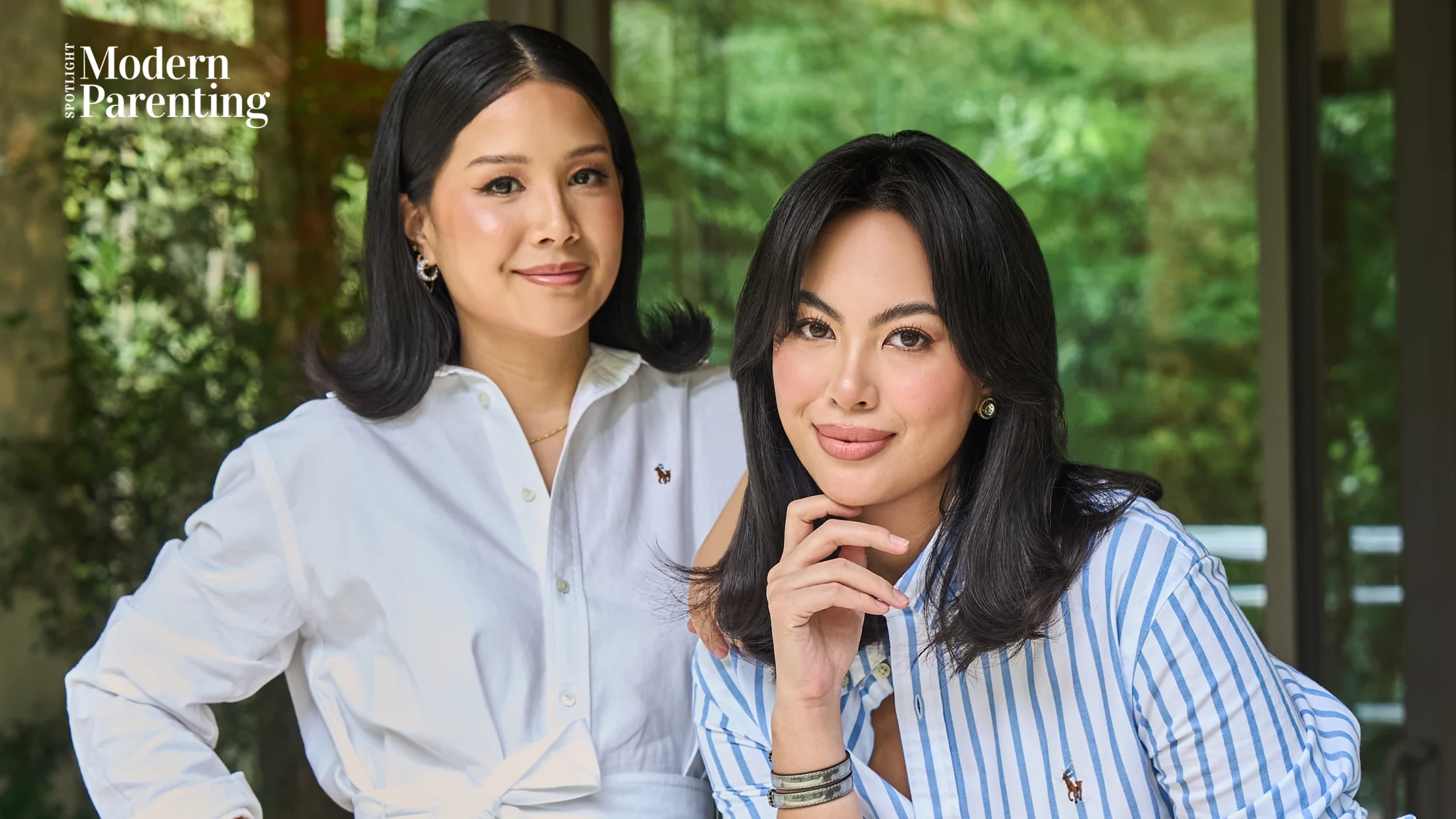
Winnie Wong and Dominique Cojuangco Hearn: On lessons from motherhood, meaning and mindful ownership



Winnie Wong and Dominique Cojuangco Hearn, co-founders of Sorto, a visual, intuitive system that works for the things you own talk about ownership, clarity and why the systems we build today shape the families we become tomorrow
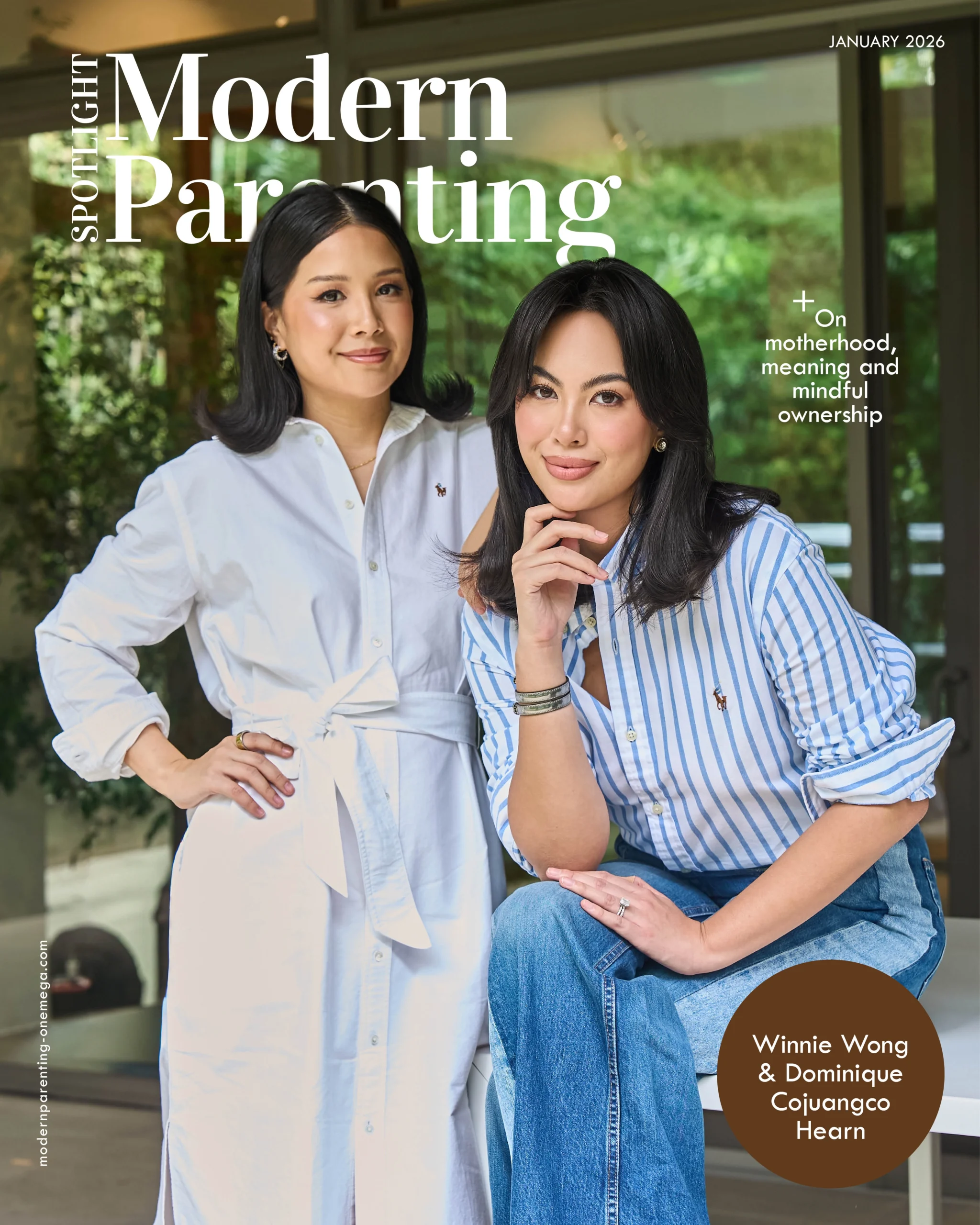
Motherhood doesn’t always arrive with answers, but it has a way of sharpening the questions and quietly shifting one’s approach to life. For Winnie Wong and Dominique Cojuangco Hearn, becoming mothers didn’t just change how they managed time, space, and responsibility; it fundamentally altered how they approached ownership, value, and the invisible mental load that comes with modern life.
Together, Winnie and Dominique co-founded Sorto—a system born and designed to work with real life, not against it. The app doesn’t impose order, it reveals meaning.
Launching on January 31, 2026, Sorto enters that space not as an organizing tool, but as a way of seeing and understanding. At its core, it’s an AI-powered personal inventory platform that helps people understand what they own—designed for real life rather than idealized minimalism.
Sorto reflects the lived reality of modern families: evolving identities, emotional attachments, shifting seasons, and the desire to make more conscious choices without overwhelm. The journey begins with the closet, but extends into revealing patterns of consumption, identity, and emotional attachment. Instead of asking users to learn rigid frameworks or aspire to minimalist ideals, the app meets people where they are. It’s designed for the messiness of evolving lives—not to correct it, but to make sense of it.
In many ways, Sorto reflects a broader conversation about the future of family—a conversation Modern Parenting started last year—and one that’s less about perfection and more about presence; less about having less, and more about knowing better. As parents navigate constant change, tools that reduce mental load and support decision-making become acts of care.
In the season of becoming
Amidst running their businesses, building Sorto, and raising very young daughters, Winnie and Dominique describe the chapter they are in as one that demands flexibility and self-compassion.
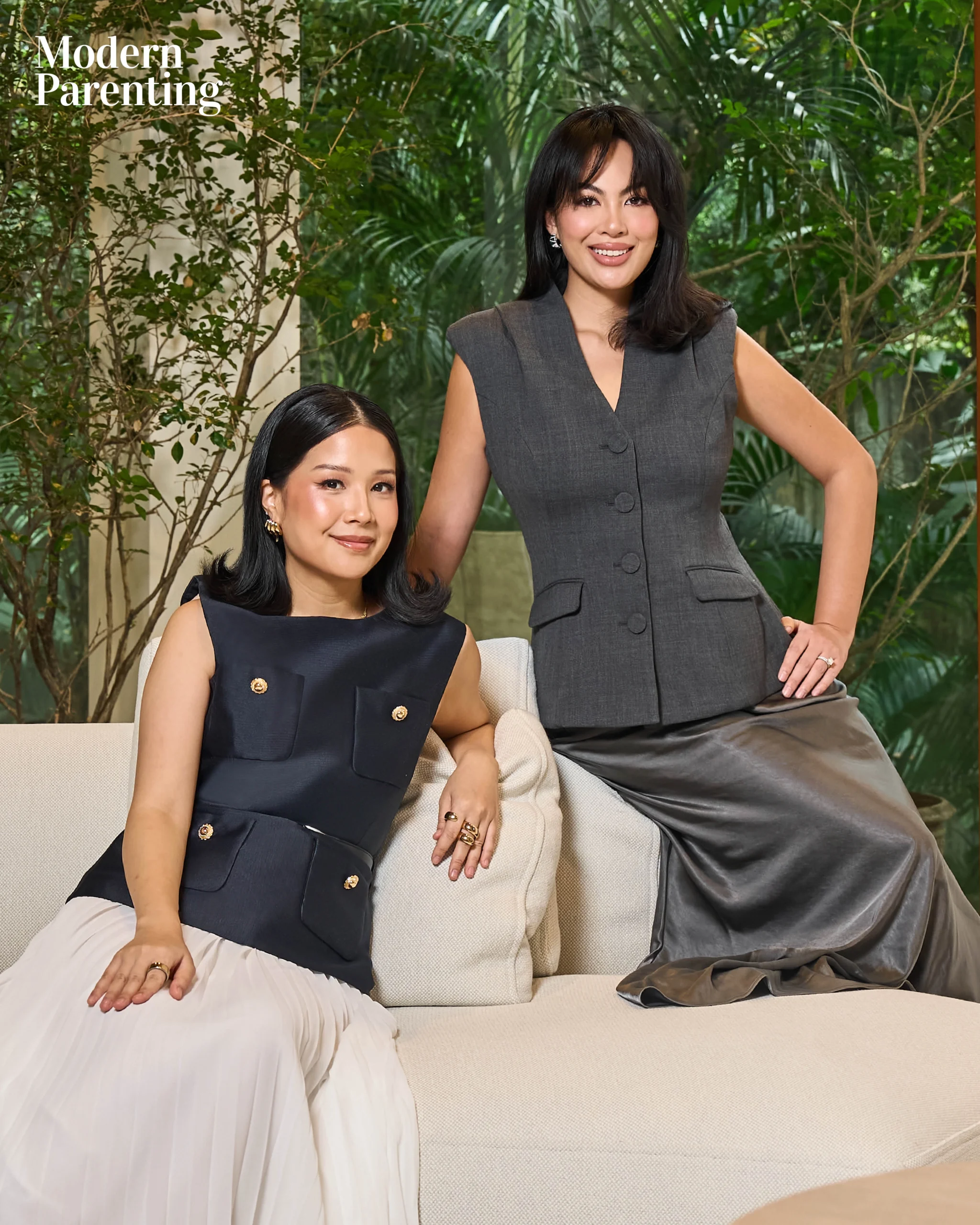
Winnie puts it simply: “Basically, we’re in the season of becoming. We’re mothers, we’re entrepreneurs… But also, we’re building something deeply personal, while navigating a stage of life [motherhood] that’s demanding.” That demand often feels like having to choose between identity and responsibility. “Most of the time, a lot of people say, ‘Oh, when you reach motherhood, you can’t really do much anymore.’ But I’m trying to fulfill that aspect of becoming both, finding a good balance between spending time with my daughter and also doing what I want with work—and it sounds cliche—but just trying to [find] the balance and that I can do both.”
Dominique reflects on how early motherhood gave her clarity through stillness. “It was very immersive [for me]. It really helped me as a person to slow down and tune inwards, because you have so much time [to] really be alone with your child,” she reflects. In those quiet moments, and then getting back into work, she learned to differentiate the mother she wants to be from the entrepreneur she is. “I feel a lot clearer about who I am. Sometimes, some areas have to give in, and you have to adjust. But in terms of this stage, I feel like I’ve really learned to be equally present and ambitious.”
Conscious ownership
Before Sorto existed as a platform, it existed as a problem Winnie began solving four years ago—manually documenting and taking stock of her belongings and building a system of her own. That process revealed patterns of duplication, waste, and emotional clutter—and sparked a realization.
“When you have an awareness of what you own, it really helps with your overall life and how you work through things, just becoming more conscious about ownership and understanding what you own and consume more intentionally,” Winnie explains. The invisible overload—the constant mental load of remembering, storing, and managing belongings—became a question worth answering, not just a task to simplify.
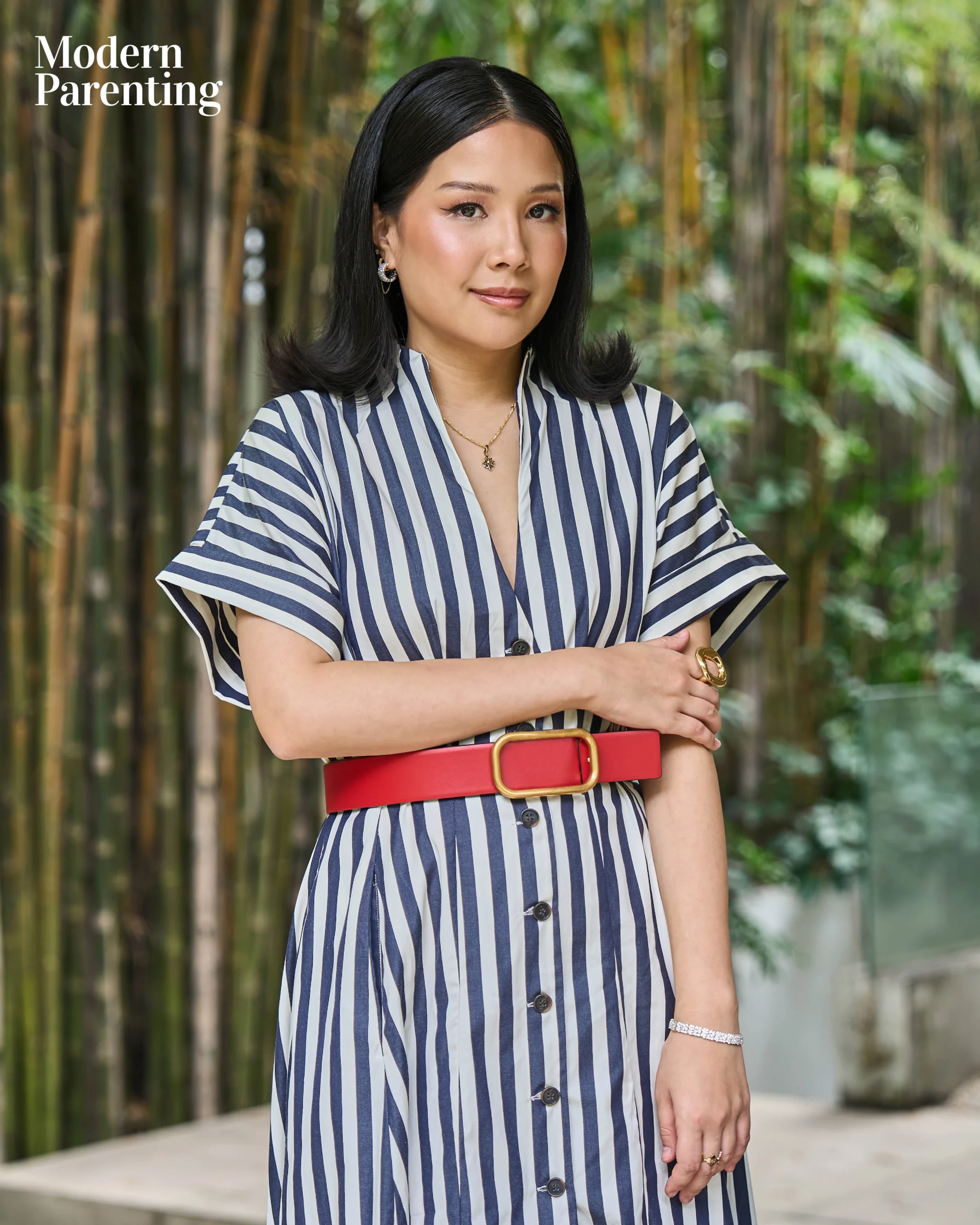
Dominique joined after seeing Winnie’s system in action, inspired not only by the perspective it brought her friend, but also by the self-inquiry it prompted in her own life. “I was curious about my own habits, and [seeing Winnie] made me want to be a part of it. With the data that we’ve found, people only use 30% of their closet… And with that, it’s just a waste. Fashion can be more circular than that. So with working together, I really have noticed [my own] patterns, and how I shop and approach what I own.”
She echoes what Winnie mentions as a key value from working with this system: clarity creates confidence. “And I wanted to be a part of creating a tool that made awareness more effortless, rather than overwhelming, like it used to be for me,” Dom says. Sorto, from the very beginning, wasn’t about decluttering—it was about reflection, noticing patterns, and asking questions of oneself.
What our things reveal
At the heart of Sorto is reframing: organization isn’t about having less, but about knowing more. It’s not a push toward minimalism, nor a mandate to discard what matters. As Winnie points out, many people already own pieces they love, pieces with memory and meaning—they’re just buried under unconscious accumulation. The issue isn’t excess; it’s disconnection. And with that disconnection comes mental load—the constant effort of remembering what we have, what we use, and what still fits the life we’re living now.
For Dominique, that awareness begins with contrast—between how we think we present ourselves and what our closets actually reflect. “It’s about understanding what you own, understanding how you see your style versus what your closet actually tells you about your style,” she explains. “And also, how you want your style to evolve… really shaping it towards that and being a smarter consumer.”
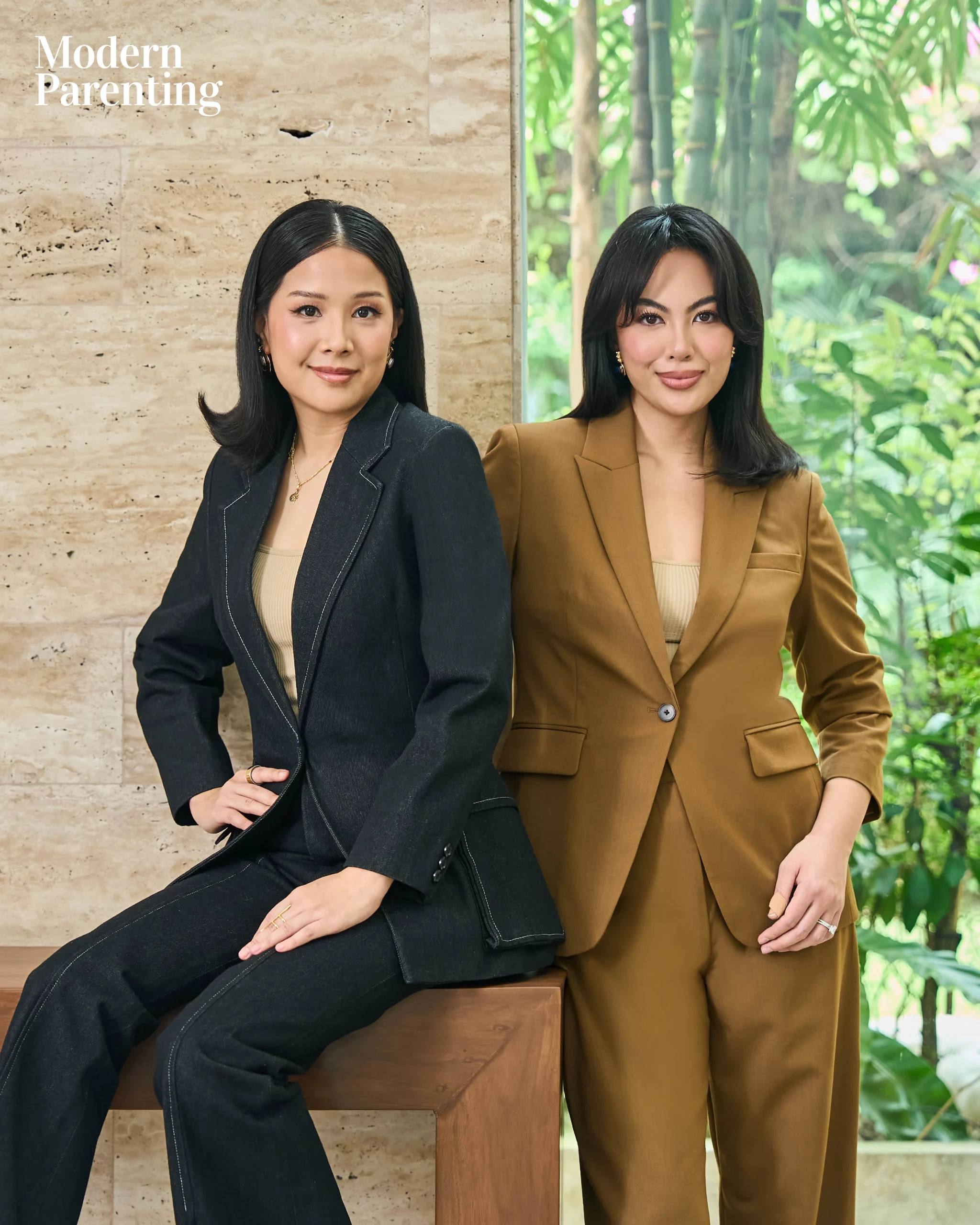
Winnie builds on that idea, noting how many people default to the same few items while leaving the rest unexplored. “A lot of people don’t really have a sense of style in terms of knowing what they want… they have their go-to items. But they have a lot of things that they have purchased that they might want to explore… but they don’t necessarily do.” For her, Sorto marries the two—helping users understand what they own so they can curate with intention and certainty.
Crucially, Sorto doesn’t dictate, it informs. “It’s more of an informant rather than a stylist,” Winnie says. “It’s not telling you what to wear. It’s giving you all of the data to allow you to make your informed decision about what you want.” Dominique nods, adding that the app is reflective rather than corrective. “It’s not just inventory. It’s really a reflection of who you are and it gives you insight. It brings to light the changes in yourself. It’s not just about your material things, but the clutter in your mind, as well.” Organization, here, isn’t about control. It’s understanding.
Built for real life
Sorto was designed around what it doesn’t demand from users. There is no ideal way to begin, no perfect system to follow, no pressure to “get it right.” The goal wasn’t to add another layer of performance, but to remove it, creating a space and system that adapts as much as you interact with it.
“I think that’s my favorite baseline about the app,” Dominique explains. “There are multiple ways to upload and it could be a traditional selfie, where you literally flip the camera onto yourself, or a mirror selfie, a flat lay, or you could even link your product page to something that you just purchased.” The flexibility is the point. Whether someone is methodical or spontaneous, overwhelmed, or curious, Sorto bends to existing habits instead of asking users to adopt new ones. “It makes it so easy that no matter how you routinely are on a daily basis, you’re able to upload onto the app,” she adds. “It almost gives [your wardrobe] a ‘glow up.’ Every product photo looks like it would online.”
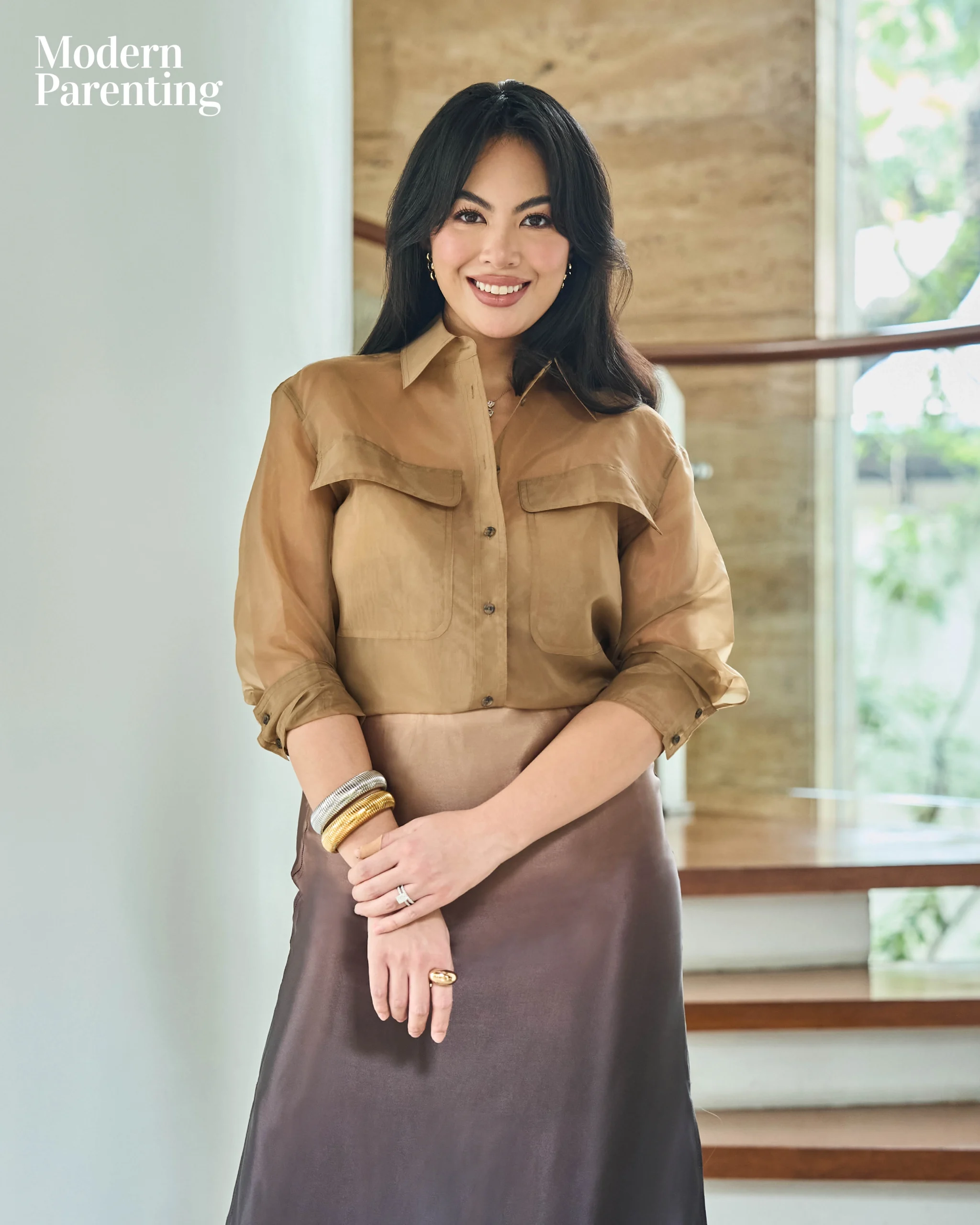
From the moment users create an account, Sorto introduces playful ways to explore their habits. “You’re welcomed by a little friendly character and from there you’re asked a few questions,” Dominique explains. “These questions basically outline how you see your style and how you think others see it too. From there, you start logging your items immediately.”
The more a user engages with Sorto, the richer the insights become. “Each action unlocks more patterns and helps you understand your habits, preferences, and tendencies,” Winnie says. “It’s designed to deepen awareness over time, not overwhelm, turning everyday items into meaningful insight.”
AI in the app doesn’t judge or prescribe; it translates. “If it’s beyond the eye for you, it’s easier to understand and take in that information,” Dominique says. It tracks usage, overlap, and purpose, helping answer questions like: “Which items do you want to keep, sell, or donate?” The result isn’t pressure, it’s permission—to let go, to keep, to decide with confidence.
By blending intuition with intelligence, Sorto creates space for self-awareness without self-judgment. It’s not about achieving order for order’s sake. It’s about ease, insight, and building systems that feel human—because real life is anything but uniform.
Practicing intentionality at home
A good day, for Winnie and Dominique, isn’t about perfection—it’s about presence and moving through life thoughtfully. As Winnie says: “A good day is being able to solve a problem, or just go through it peacefully, like a non-active day is also peace of mind.” Dominique echoes that rhythm of flow: “For me, a good day would be a day that I can be fully present where I am. Whether that be getting my daughter ready for school, and being fully present… and just being.”
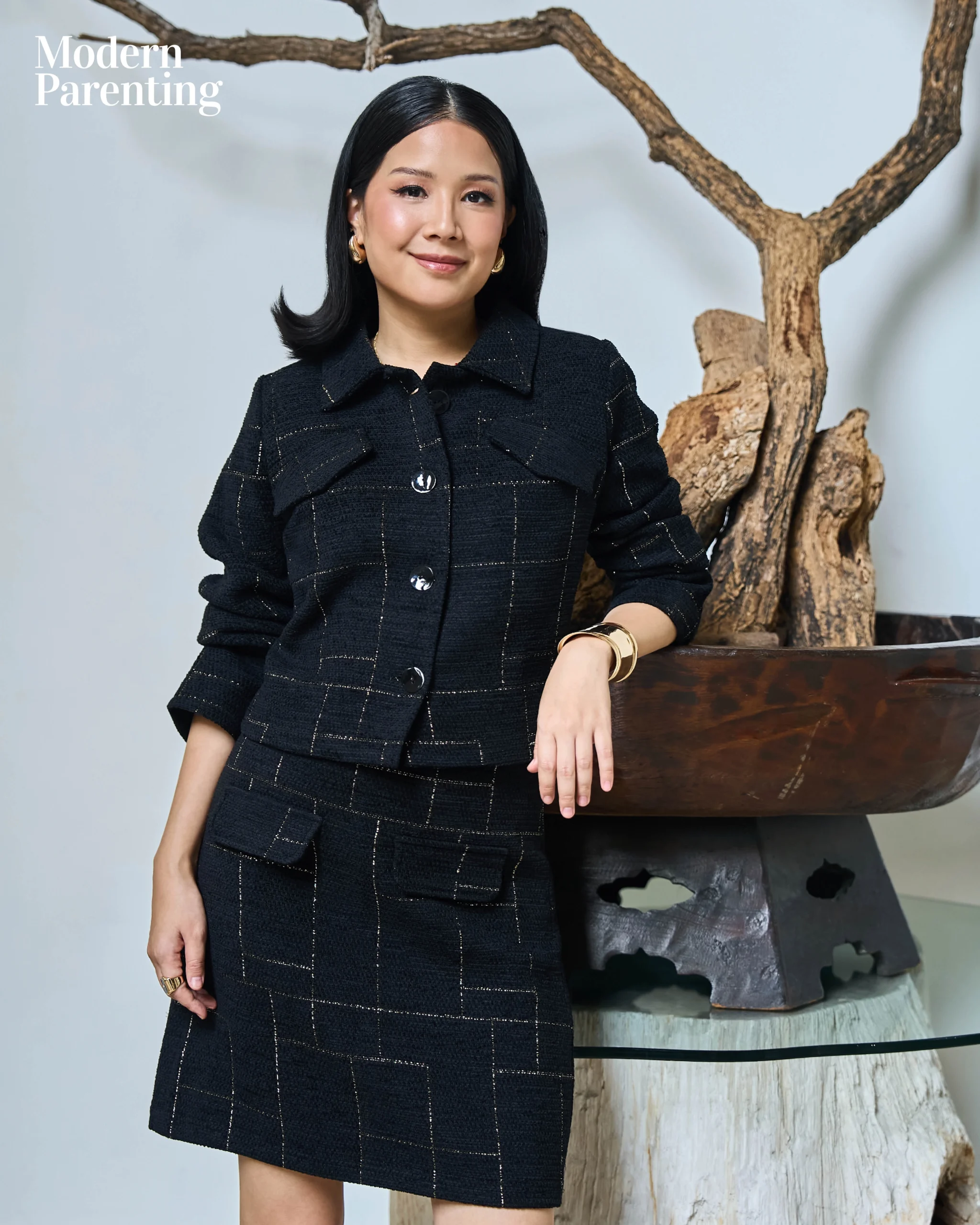
That intentionality, sharpened by motherhood and building Sorto, extends into their homes and daily decisions. For Winnie, it’s awareness over control: “Intentionality now looks less like perfection. I’m mindful about what comes into my space. I’m creating simple but flexible systems, rather than having rigid rules to abide by. So everything has a place but not everything has to be curated. And most importantly, it’s modeling intentionality through behavior.”
That philosophy carries into how she approaches consumption, especially as a mother. “Is it something that you need? Or is it something that will make you happy? How much of a difference is it really going to make?” The questions are simple, but deliberate—meant to create space between impulse and intention.
Dominique, meanwhile, focuses on cultivating confidence through everyday routines. “As soon as [my daughter Penelope’s] motor skills allowed, I [would] tell her to pack away and she can pack away and do it and really do it with so much confidence. She loves to clean and grab a mop… making what you’d typically think is a chore, something that’s enjoyable.” These moments and routines aren’t just about tidiness—they’re lessons in accountability, responsibility, and agency through participation.
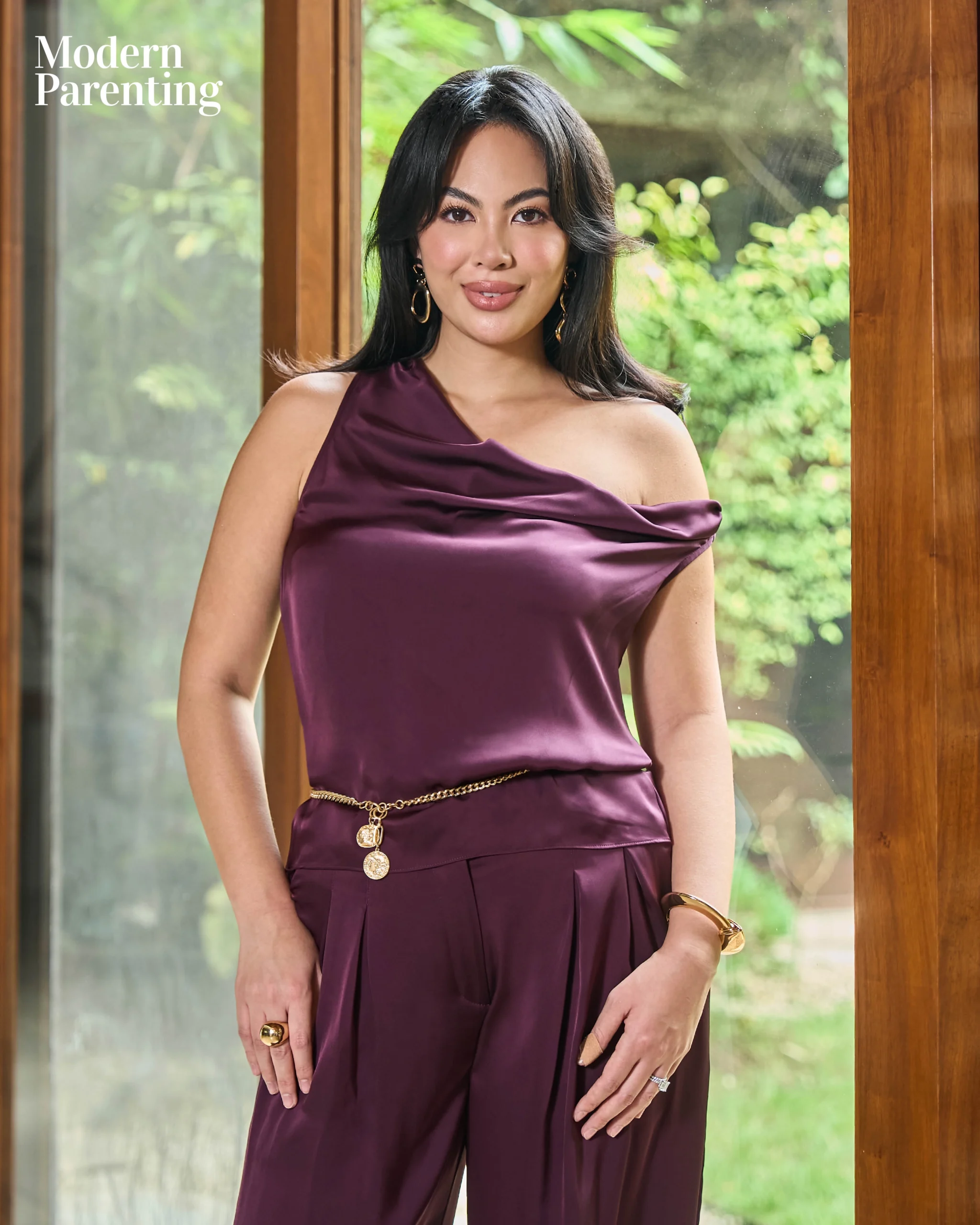
Their approach to family systems balances structure with flexibility. Dominique explains, “Knowing, ‘I’ll take care of this specific area,’ and ‘Michael will take care of this one,’ but when you see someone needs help that specific day, you pick up for them, not because you have to, but because you are able to.”
In practice, intentionality isn’t about rigid rules or external standards—it’s about responding to real life as it unfolds. It’s the same philosophy that underpins Sorto: observing patterns, understanding what you own, and making choices that reflect your values. As Winnie notes, paying attention to what “feels” right (whether possessions, routines, or habits) are grounded with care.
Your surroundings become your state of mind
For Winnie and Dominique, Sorto ultimately is so much more than organization. It’s about releasing the weight physically, mentally, and emotionally. “I really want people to feel lighter. Not because they own less, but because they finally understand what they have and why it matters to them. I want people to have clarity without judgement, replacing the overwhelming sense of guilt. And to start seeing patterns with compassion, and to realize that their habits make sense and their choices reflect their seasons of life,” Winnie explains. She reveals that Sorto is truly like an extension of who she is, sharing the system she’s built in her head to others, too.
Dominique adds that the app empowers users with confidence and intentionality: “It’s that clarity without feeling overwhelmed, because that’s what I felt initially. It gives users more confidence in the choices that they make and their ability to evolve. And more intentionality, in their day-to-day life.”

For modern parents in particular, Sorto offers a timely tool for navigating rapid life transitions. “Sorto helps you pause and understand what you own, so your space can support who you are,” Winnie says. “It’s not about owning less—it’s about having a sense of clarity and being able to navigate through your things, which helps you create structure.” Dominique distills it further: “Our stuff tells a story, and Sorto decodes that for you.”
More than a platform for inventory, Sorto is an invitation to see your belongings—and yourself—differently. It encourages mindfulness, fosters intention, and helps translate everyday choices into real understanding. By exploring what you own, how you interact with it, and what it reflects about your life, the app offers a new lens on self-reflection and care.
Whether you’re a parent or someone simply seeking calm in the midst of a busy life, Sorto promises a way to move through your days with insight and intention, guiding you toward a sense of lightness, understanding, and confidence in the life you’re building.
Words JUSTIN CONVENTO
Photography KIERAN PUNAY of KLIQ, INC.
Make-up TWINKLE BERNARDO and ZEE GHIELMETTI
Hairstyling ANGELI ALFONSO and CHRISTIAN BOJO
Sittings Editor MARGA TUPAZ
Styling ROSHNI MIRPURI and SIYA DARYANI of THE CLOSET CULTURE
Shoot Coordination TONI MENDOZA
Frequently Asked Questions
Sorto is an AI-powered personal inventory app that helps users understand what they own by logging items—starting with their closet—and revealing patterns in usage, habits, and consumption.
Founders of Sorto are moms Winnie Wong and Dominique Cojuangco Hearn
Sorto is set to launch on January 31, 2026, offering early users a new way to approach organization with clarity rather than pressure.
Sorto’s AI translates data into insight and tracks patterns like usage and duplication, helping users decide what to keep, donate, or let go—at their own pace.
For parents juggling multiple roles, Sorto helps reduce mental load by creating simple, flexible systems that adapt to real life, shifting seasons, and evolving family needs.
Read more cover stories!
Mikael Daez & Megan Young: The Beautiful Becoming of a Family
Eric “Eruption” Tai & Rona Tai: Being Perfectly Real
What Does The Power of Presence Do For Moms?