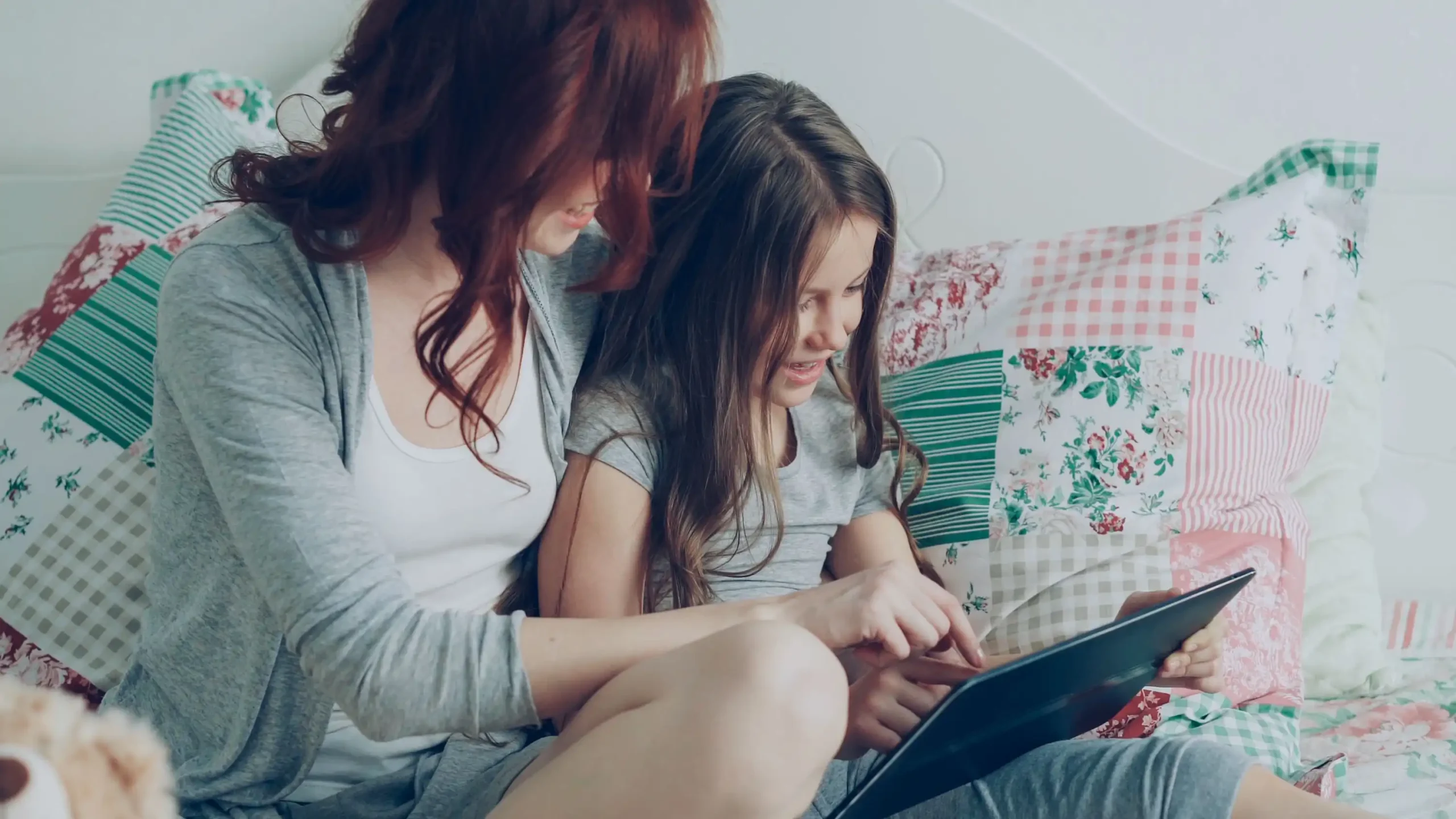
Why Today’s Parents Seem More Nervous Than Those Before



Here’s why modern parents are more nervous than their predecessors
Back in the day, parenting anxiety was fairly straightforward. The daily checklist was simple: Are my kids alive? Have they eaten? Did they come home before the streetlights turned on? If the answer was yes, that was considered a good day.
Today, modern parents are more nervous than ever—and not because they love their children more, but because they know more. Or at least, they are expected to.
There are studies everywhere. Parenting styles with proper names. Screen-time charts. Gentle parenting. Conscious parenting. MontessoriMontessoriAn educational approach that lets children learn at their own pace through hands-on materials in a prepared environment. It values independence, curiosity, and concentration, and many parents adapt its ideas parenting. Trauma-informed parenting. Even family vacations now come with photo albums, highlight reels, and unsolicited commentary. At this point, knowing “enough” is no longer enough. For many parents, it feels like knowing everything is the bare minimum.
So when did parenting turn into a full-time research project?
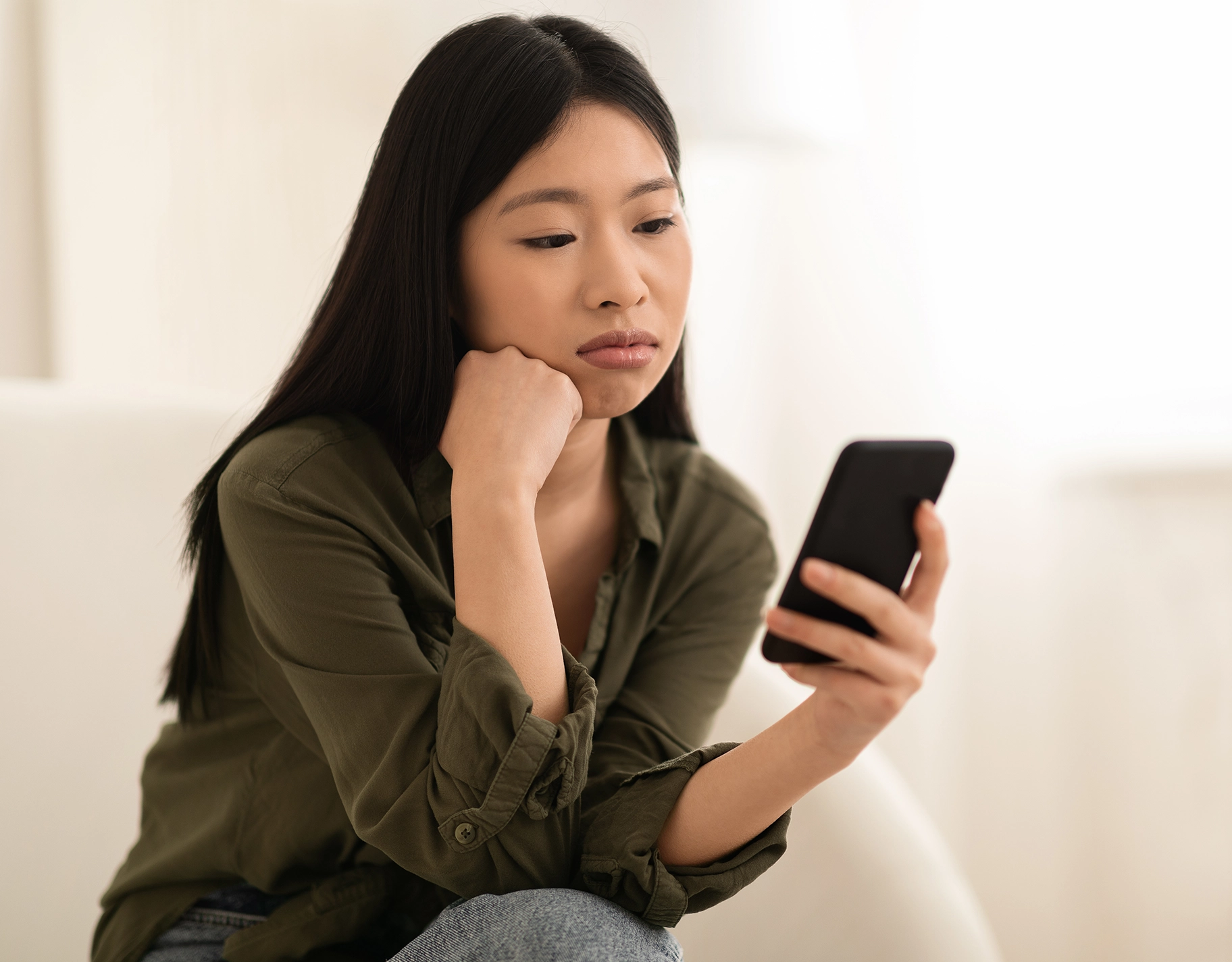
The Power of Social Media and Parenting
Perhaps not even technocrat Mark Zuckerberg knew that his college project would become one of the most influential inventions since sliced bread. What started as a way to connect people on campus quickly turned into a global town square where everyone knows everyone—or at least, knows about everyone.
On one end, social media genuinely bridged families. For Overseas Filipino Workers (OFWs), distance softened. A parent in Dubai could watch a child’s school program in Quezon City. A mom in Hong Kong could DM relatives for adobo or sinigang recipes when homesickness hit hard. Parenting from afar became possible in ways previous generations could only imagine.
Social media strengthened bayanihan in digital form. But it also magnified something else Filipinos know too well: hiya.
Before, the maritess of the barangay handled gossip locally. It stayed within tricycles, sari-sari stores, and Sunday lunches. Now, the barangay is global. Every parenting choice—feeding, schooling, disciplining, even not posting—can be judged, compared, or misunderstood by hundreds, sometimes thousands, of people.
And suddenly, parenting doesn’t just feel personal. It feels public.
Why “Going Off the Grid” Doesn’t Really Work
“Just deactivate your social media account.”
It’s advice given with good intentions, often by people who don’t rely on the internet for work, connection, or community. In theory, it sounds peaceful. In reality, it’s complicated.
For many modern parents, especially in the Philippines, going offline isn’t just a lifestyle choice. It can mean tanking a business, losing income, or cutting off essential support systems. Influencing, online selling, freelancing, and content creation have become legitimate ways parents help keep food on the table. Logging out isn’t rest. It’s a risk.
Beyond money, there’s also visibility. Schools post announcements online. Family updates live in group chats. Medical advice, parenting communities, and even mental healthMental HealthA person's emotional, psychological, and social well-being, which affects how children and parents think, feel, and cope. Open conversations, regular routines, and timely help from professionals make it easier for resources are now largely digital. Opting out entirely can feel less like self-care and more like self-sabotage.
So parents stay online—scrolling, comparing, absorbing—trying to keep up while quietly wondering if they’re already falling behind.
Why Modern Parents Feel More Anxious Than Ever
Modern parents are not weaker than previous generations. They are over-informed, over-observed, and under-rested.
They are raising children in a world where every choice feels permanent, every mistake feels documented, and every milestone feels measured against someone else’s highlight reel. Add economic pressure, health concerns, traffic, climate anxiety, and the fear of “doing it wrong,” and it’s no wonder parents feel constantly on edge.
Parenting didn’t suddenly get harder because parents got softer. It got harder because the noise got louder.
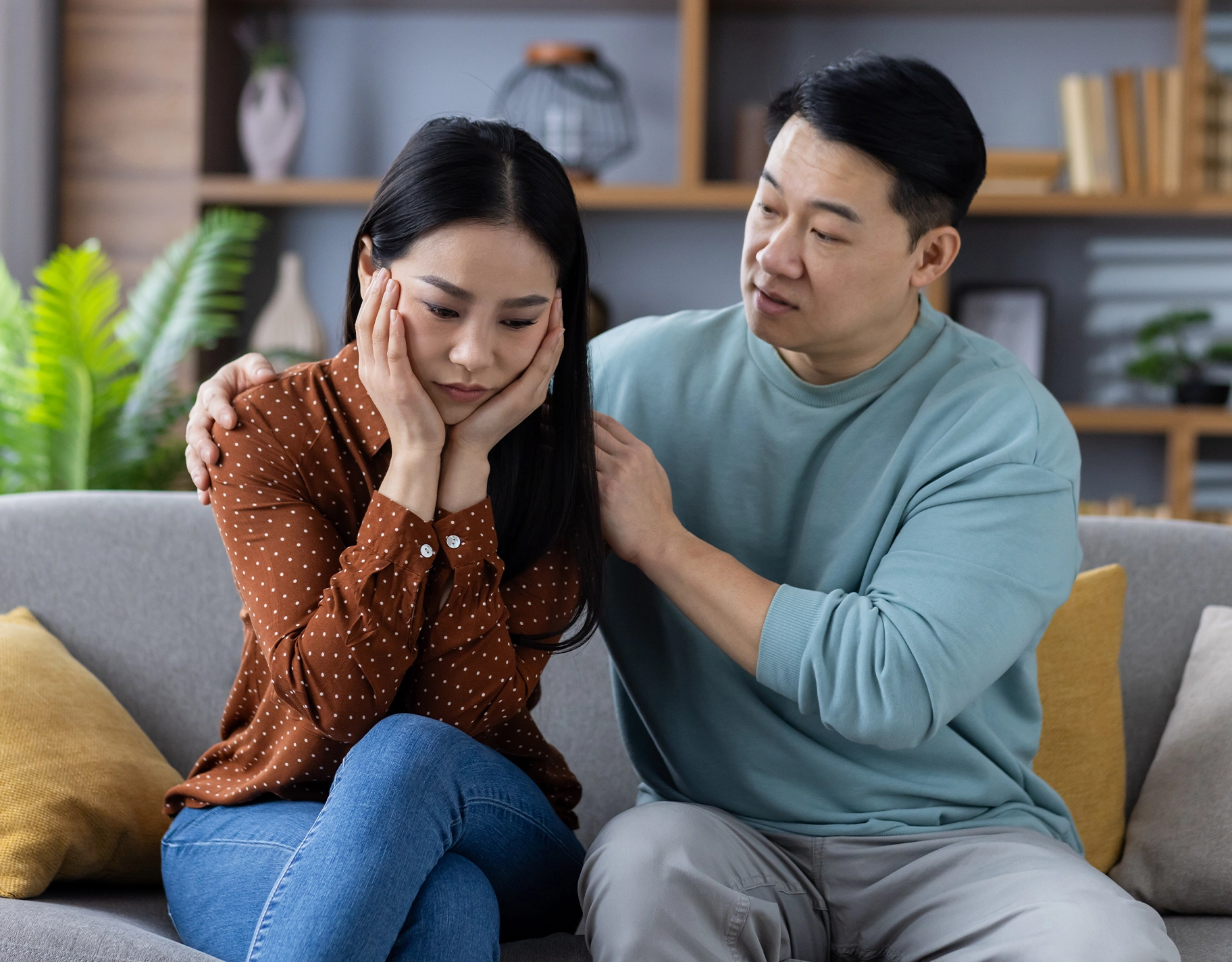
What Today’s Parents Need to Remember
Modern parenting requires discernment more than perfection. Not every study needs to be followed. Not every opinion deserves space in your head. Not every parenting trend is meant for your family.
Information is powerful—but only when filtered with compassion, context, and common sense.
Sometimes, the bravest thing a parent can do today is to log off when needed, tune out the noise, trust their instincts, and remember that raising a child has never been about doing everything right. It has always been about showing up, loving fiercely, and doing the best you can with what you have.
And that part? Filipino parents have been doing exceptionally well for generations.
Frequently Asked Questions
Modern parents have access to constant information, comparison, and public judgment through social media, which increases pressure and self-doubt.
Social media connects OFW families and strengthens long-distance parenting, but it also amplifies hiya, comparison culture, and public scrutiny.
Many parents rely on social media for income, school updates, family communication, and emotional support. Leaving entirely can be impractical or risky.
No. They are navigating more complexity, not failing. Parenting today happens in a louder, faster, more visible world.
Use the algorithm to one’s advantage. Only use it for specific things. Focus on the search engine feature instead of looking around on social media.
More about parents’ digital wellbeing?
How Parents Can Balance Nutrition and Technology
Insomnia: Why Families Are Losing Sleep And How To Get It Back
Anxiety Attack: What It Looks and Feels Like