Spring Awakening and the Cost of Not Talking to Our Teens



The musical runs at Blackbox of the Proscenium Theater in Rockwell, Makati starting February 13
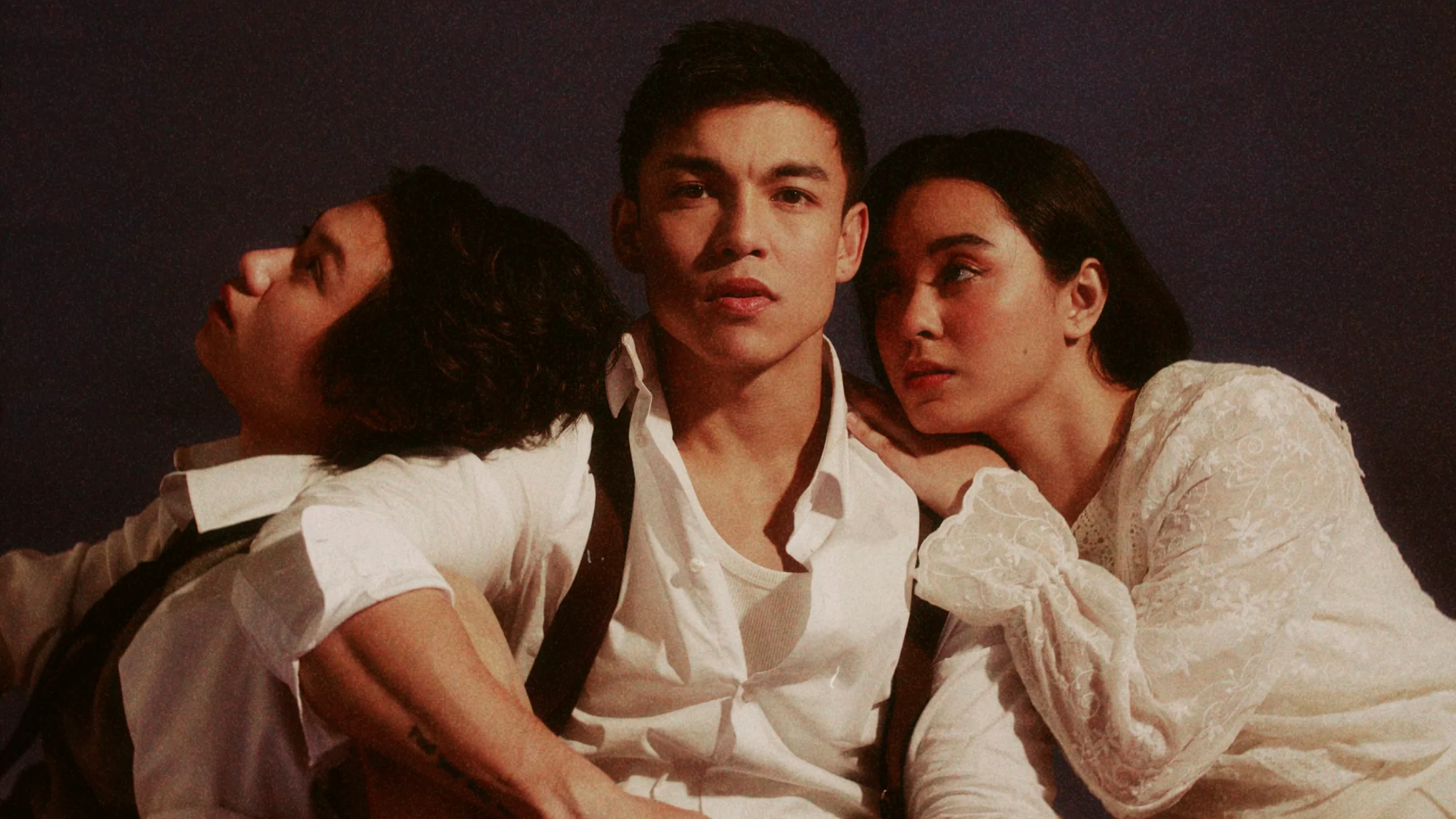
Teenage life is messy, confusing, and often painfully quiet—especially when the adults in the room don’t know how to listen. Spring Awakening pulls back the curtain on what happens when young people are left to navigate their bodies, emotions, and identities.
Set in 1800s Germany but still relevant today, the musical explores adolescence in a conservative society where silence is mistaken for protection. Beginning February 13 at the Blackbox of the Proscenium Theater in Rockwell, Makati, Spring Awakening is not just a show—it’s a conversation starter parents desperately need.
Here’s why parents (and teens) should watch it together.
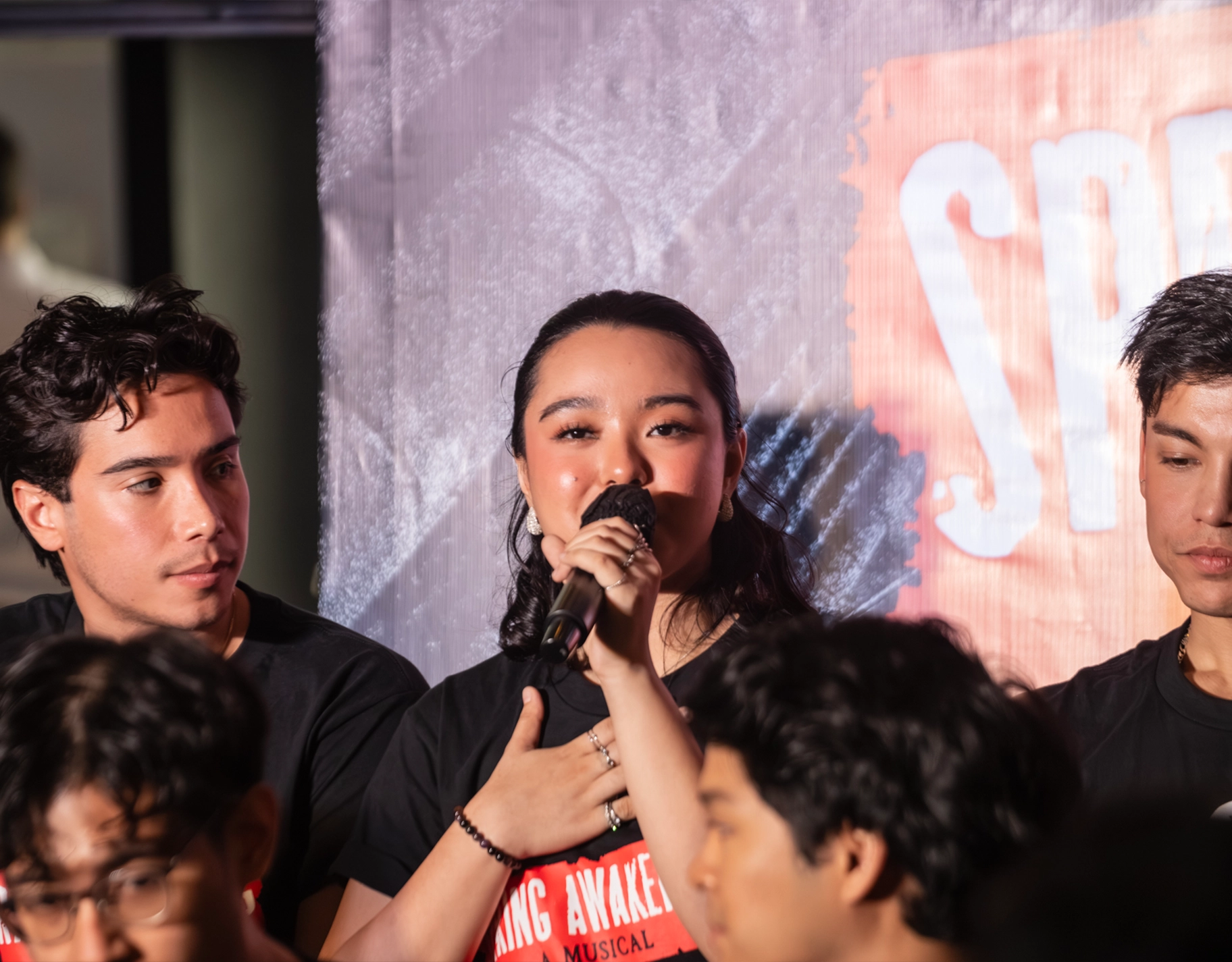
Sheena Belarmino takes on the role of Wendla. Photo courtesy of the Sandbox Collective
1. It Shows What Teens Go Through When Parents Don’t Talk
Talking about sex, mental health, and identity is uncomfortable for many parents—but avoiding these conversations comes at a cost. Spring Awakening centers on teenagers who are curious, scared, and searching for answers, only to be shut down by adults who believe silence equals morality.
As Sandbox Collective artistic director Sab Jose-Gregorio shared, the show was written as a warning. “Innocence does not mean ignorance,” she said. “This is what can happen if you don’t have open discussions with your children.”
2. It Creates Space for Honest Parent-Teen Conversations
Watching Spring Awakening together gives families a rare entry point into difficult discussions—about bodies, boundaries, consent, and identity. Menchu Lauchengco-Yulo, Ana Abad Santos, and Audie Gemora, who play the Adult Woman and Man, acknowledge how hard these conversations can be. But they also emphasize that teens deserve accurate information from people they trust.
The show doesn’t lecture. Instead, it asks parents to listen to what teens are feeling but may not know how to say.
3. It Reflects the Pressure Young Girls Face
Wendla’s story highlights how young girls are often kept in the dark “for their own good.” Played by Sheena Belarmino, the character embodies curiosity, vulnerability, and the consequences of being denied agency over her own body.
Belarmino has shared how challenging the role is—not just because of the intimacy required, but because Wendla’s experience remains deeply familiar to girls today.
4. It Takes Teen Mental Health and Queer Identity Seriously
Long before these topics became part of everyday conversation, Spring Awakening was already telling these stories. Moritz’s struggle with anxiety, pressure, and failure—portrayed by Omar Uddin and Nic Chien—reflects the crisis many teens face when expectations outweigh support.
The musical also tackles queer identity with care and responsibility. Angelo Martinez, based in Singapore, speaks about the weight of representation and how the story transcends geography. Teenagers everywhere, he notes, are still fighting to be seen and understood.
“At the end of the day, Spring Awakening, especially in this particular scene, transcends the Philippines; it unfortunately transcends the region. I felt a huge responsibility to come into that role, and I sort of felt awakened by it as well.”
5. It Speaks the Language of Teens—Through Music
What makes Spring Awakening especially powerful for young audiences is its sound. Set to rock music by Duncan Sheik, the score feels raw, emotional, and immediate—much like adolescence itself.
As Nacho Tambunting puts it: “It’s set in 1800s Germany about teenagers discovering their sexuality—and it’s set to rock music.” Songs like “Mama Who Bore Me” don’t just move the story forward; they let teens say the things they often can’t say out loud.

Ana Abad Santos alternates with Menchu Lauchengco-Yulo as Adult Woman. Photo courtesy of the Sandbox Collective
A Reminder That Awareness Starts at Home
Spring Awakening doesn’t offer easy answers—but it does offer clarity. Awareness isn’t just about knowing what teens go through; it’s about knowing when to step in, when to listen, and when to speak up.
For parents, the takeaway is simple but urgent: your child’s teenage life is already complicated. Don’t let silence make it harder.
Frequently Asked Questions
Spring Awakening is a musical that explores teenage life in a conservative society, focusing on adolescence, sexuality, mental health, identity, and the consequences of silence between parents and children. Though set in 1800s Germany, its themes remain deeply relevant today.
Yes. Spring Awakening addresses teenage anxiety, pressure, and isolation through characters like Moritz, highlighting what can happen when teens feel unsupported or unheard. It underscores the importance of listening to and validating young people’s emotional experiences.
Parents and teens may naturally talk about:
Puberty and body changes
Consent and boundaries
Mental health and academic pressure
Identity and self-expression
The importance of asking for help
These conversations may be uncomfortable—but they are often necessary.
More on musicals
Growing Up Then and Now: The Enduring Lessons of Bagets the Musical
Les Miserables 2026: Why It Will Still Be Revolutionary Among Kids Today
Why Charlie and the Chocolate Factory Still Matters for Today’s Families