Why Noise Fatigue Is Real in Filipino Homes



When voices get too much, families experience what we call: noise fatigue
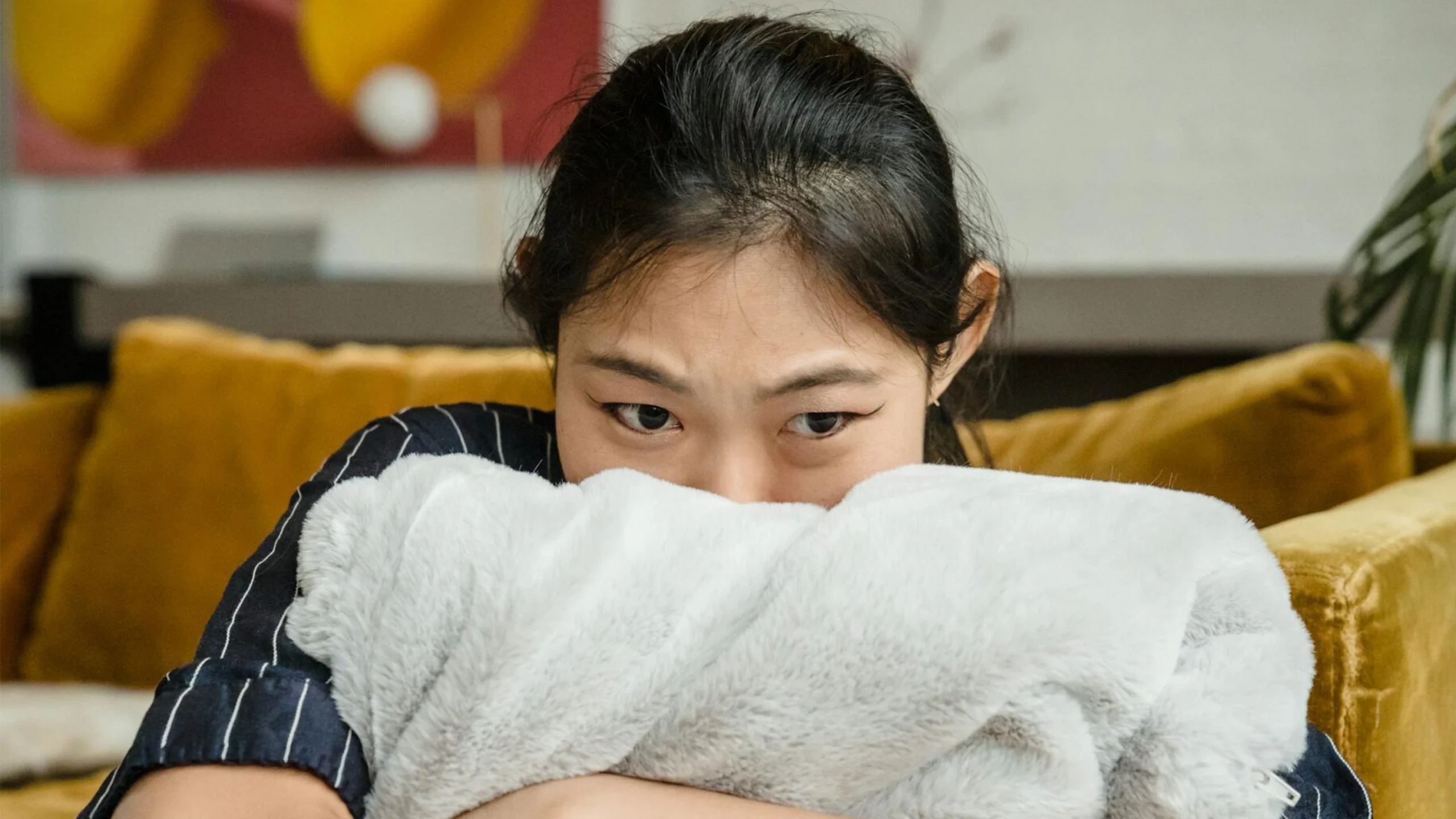
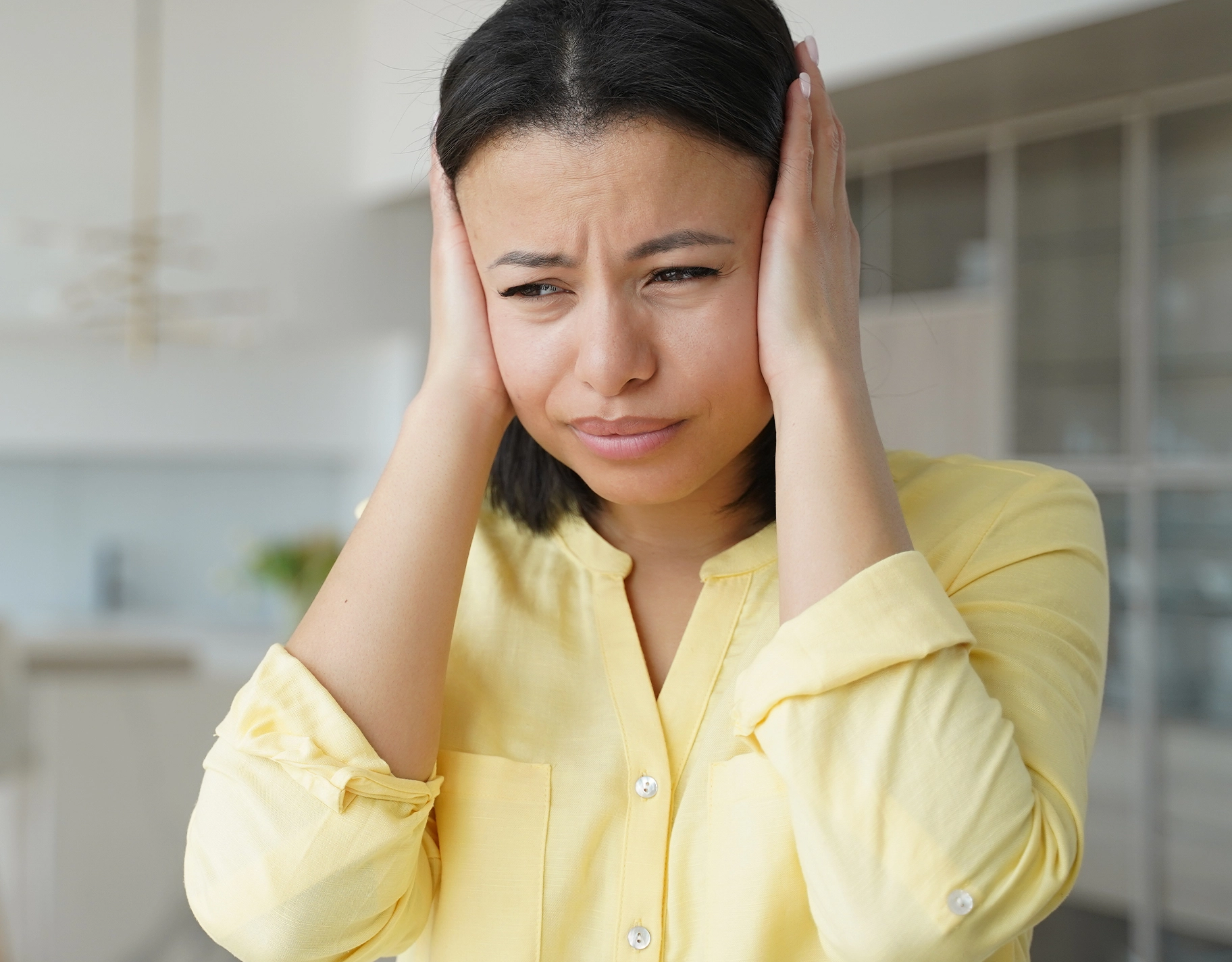
Filipino homes are loving, lively, and loud—sometimes all at once, all day, every day. From tricycles roaring past the gate to kids in online class while Lola watches afternoon teleseryes at full volume, noise isn’t just background sound. It’s a constant companion. For many parents, especially those juggling work, caregiving, and emotional labor, that constant noise becomes exhausting —a real, physical, and mental exhaustion caused by prolonged sound exposure. This is what we call noise fatigue.
And honestly, this is different than the typical white noise. This is the kind where we just want to fling the windows open and scream, “SHUT UP!” Even though we know it’ll just add to the noise.

1. Filipino Homes Are Built for Togetherness, Not Silence
Most Filipino families live together, where privacy sounds like a distant dream. Doors stay open. Conversations overlap. Someone is always talking, calling, or laughing.
Add thin walls, close neighbors, and street noise, and parents rarely get true quiet. The result? Your nervous system never fully powers down.
2. Noise Fatigue Isn’t Just Annoyance—It’s Overstimulation
Noise fatigue shows up as:
- Irritability over small things
- Difficulty concentrating
- Headaches or body tension
- Feeling overwhelmed for “no clear reason.”
- Emotional shutdown by the end of the day
Parents often mistake this for burnout or lack of patience, when in reality, the brain is simply overloaded.
3. Work-From-Home Made It Louder, Not Easier
The pandemic didn’t make Filipino homes quieter—it stacked more noise layers on top:
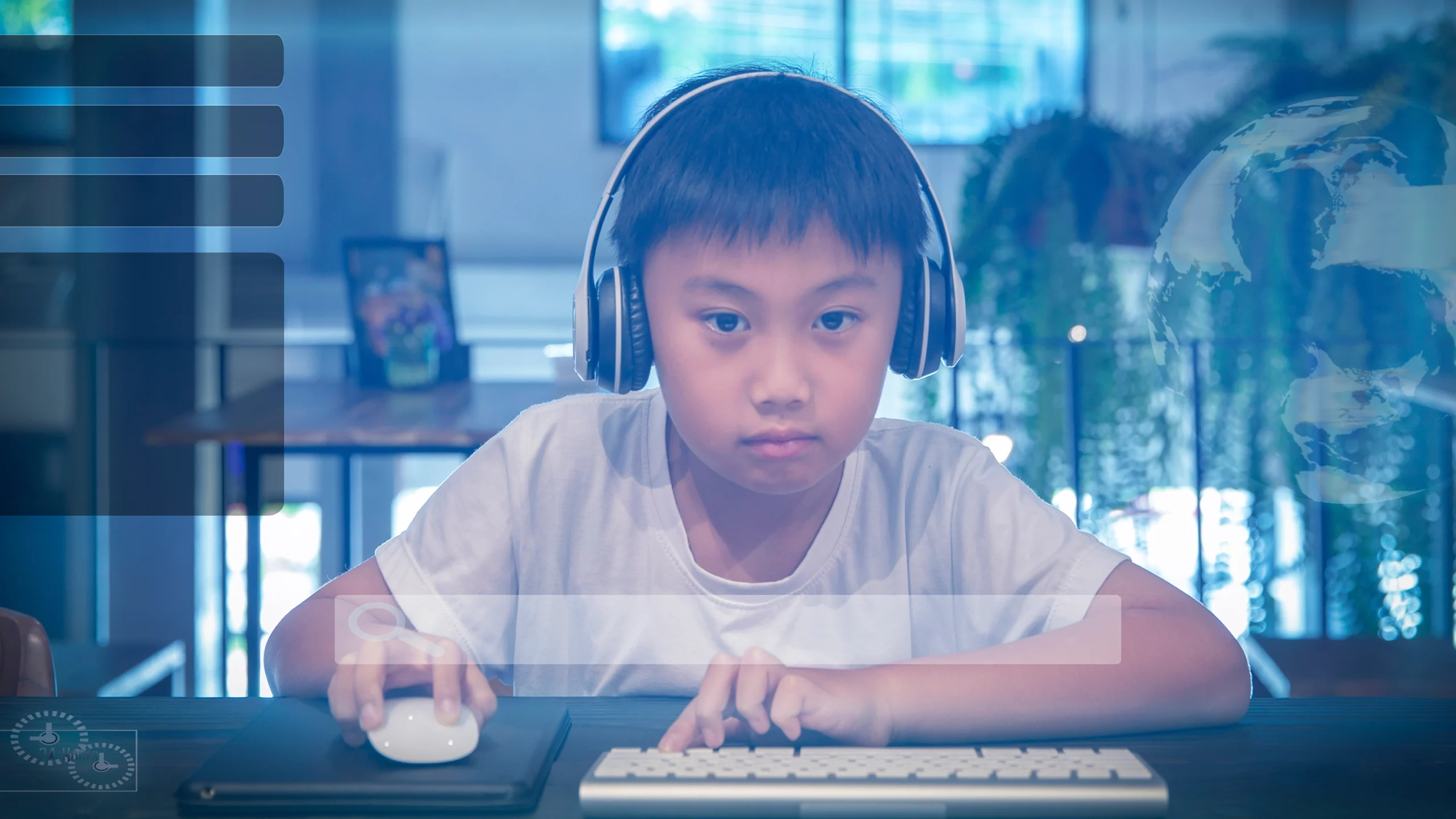
- Zoom meetings are colliding with online classes
- Appliances running all day
- Notifications pinging nonstop
- Kids who never fully “leave” for school
Parents are now expected to be calm, productive, and emotionally available in environments that are anything but regulated.
4. Mothers Carry the Heaviest Sound Load
Studies show women are more affected by continuous background noise, especially when they’re also responsible for emotional regulation in the household.
Translation: moms don’t just hear the noise—they manage it.
They’re listening for cries, arguments, deadlines, hunger cues, and emotional shifts. That mental listening never switches off, which is why noise fatigue often hits mothers first and hardest.
5. Noise Fatigue Affects How We Parent
When parents are constantly overstimulated, patience drops. Responses get sharper. Small messes feel huge. It’s not because parents don’t love their kids—it’s because their sensory cup is overflowing.
Unchecked noise fatigue can quietly shape household dynamics, turning loving homes into tense ones by nightfall.
6. Filipino Culture Normalizes Endurance, Not Rest
We’re taught to tiis, adjust, and push through. Complaining about noise feels petty when compared to “real problems.”
But mental and sensory overload are real problems—especially when they affect health, mood, and relationships.
Rest isn’t laziness. Quiet isn’t indulgence. They’re basic nervous system needs.
7. Small Changes Can Create Big Relief
Noise fatigue doesn’t require a soundproof room or luxury retreat. It starts with boundaries:
- Designated quiet hours, even short ones
- Noise-canceling headphones for parents
- Lowering background TV volume (yes, even the news)
- Rotating who manages loud activities
- Allowing parents to step away without guilt
Quiet doesn’t mean absence of love—it means space to recover.
8. Silence Helps Kids Too
Always have terms for silence and volume control. Teaching them that at least makes something exist for them and, therefore aware of it.
Also, there’s nothing wrong with giving them a sharp and harsh hush; some kids need to learn that not everyone can handle the noise.
Silence is Golden
Noise fatigue is real, common, and deeply Filipino. Our homes are full of life—but life doesn’t have to be loud all the time.
Creating pockets of peace and quiet isn’t about escaping family. It’s about trying accomodate different thoughts while trying to filter the unnecessary details.
Because calmer parents raise calmer homes—and everyone deserves moments where the only sound is their own breath.
Frequently Asked Questions
Noise fatigue is mental and physical exhaustion caused by prolonged exposure to sound, especially background and overlapping noise.
If you feel irritable, overwhelmed, exhausted, or mentally foggy by the end of the day, noise overload may be a factor.
Yes. Parents, especially mothers and caregivers, are more vulnerable due to constant multitasking and emotional listening.
Best to find a spot in the house with the smallest amount of noise. Or buy those with gadgets a set of earphones. It’ll at least contain the noise.
Yes. Chronic noise exposure can increase stress, disrupt sleep, and affect emotional regulation over time.
More about home wellness and space?
Holding Space Starts With Making Space
7 Starter Tips for Aromatherapy at Home: Mom Edition
LIST: Appliances Families Can Get to Keep the Air at Home Clean