Bad Bunny’s Halftime Show Was a Lesson in Love, Culture, and Representation



The Puerto Rican singer and rapper proudly placed Latin culture center stage during a deeply divisive moment in the world
For many American families, the Super Bowl is as much about tradition as it is about football. Living rooms fill with relatives, snacks pile up on coffee tables, and even those who don’t follow the sport tune in for one reason alone: the halftime show. Over the years, that performance has evolved into one of the most-watched — and most-discussed — moments of the night.
When Puerto Rican superstar Bad Bunny, born Benito Antonio Martínez Ocasio, was announced as the show’s headliner last year, controversy quickly followed. Critics questioned his place in a historically mainstream, English-dominated space. But as the United States continues to grapple with polarizing conversations around immigration, racism, and violence, Bad Bunny’s performance offered something families rarely see during a major sporting event: unapologetic cultural pride, community, and love.
Rather than shrinking himself to fit expectations, Bad Bunny used the global spotlight to show the world exactly who he is — and where he comes from. For parents watching with their children, the message was powerful and deeply relevant.
A union of Latin American cultures
Bad Bunny didn’t spotlight Puerto Rico alone. His performance celebrated the richness and diversity of Latin America as a whole, inviting artists and actors with Latin roots to share the stage. Fellow Puerto Rican icon Ricky Martin had a standout solo moment, while appearances by Pedro Pascal (who is part Chilean), Cardi B (with Dominican roots), Jessica Alba (of Mexican descent), and Colombian singer Karol G underscored the breadth of the Latin diaspora.
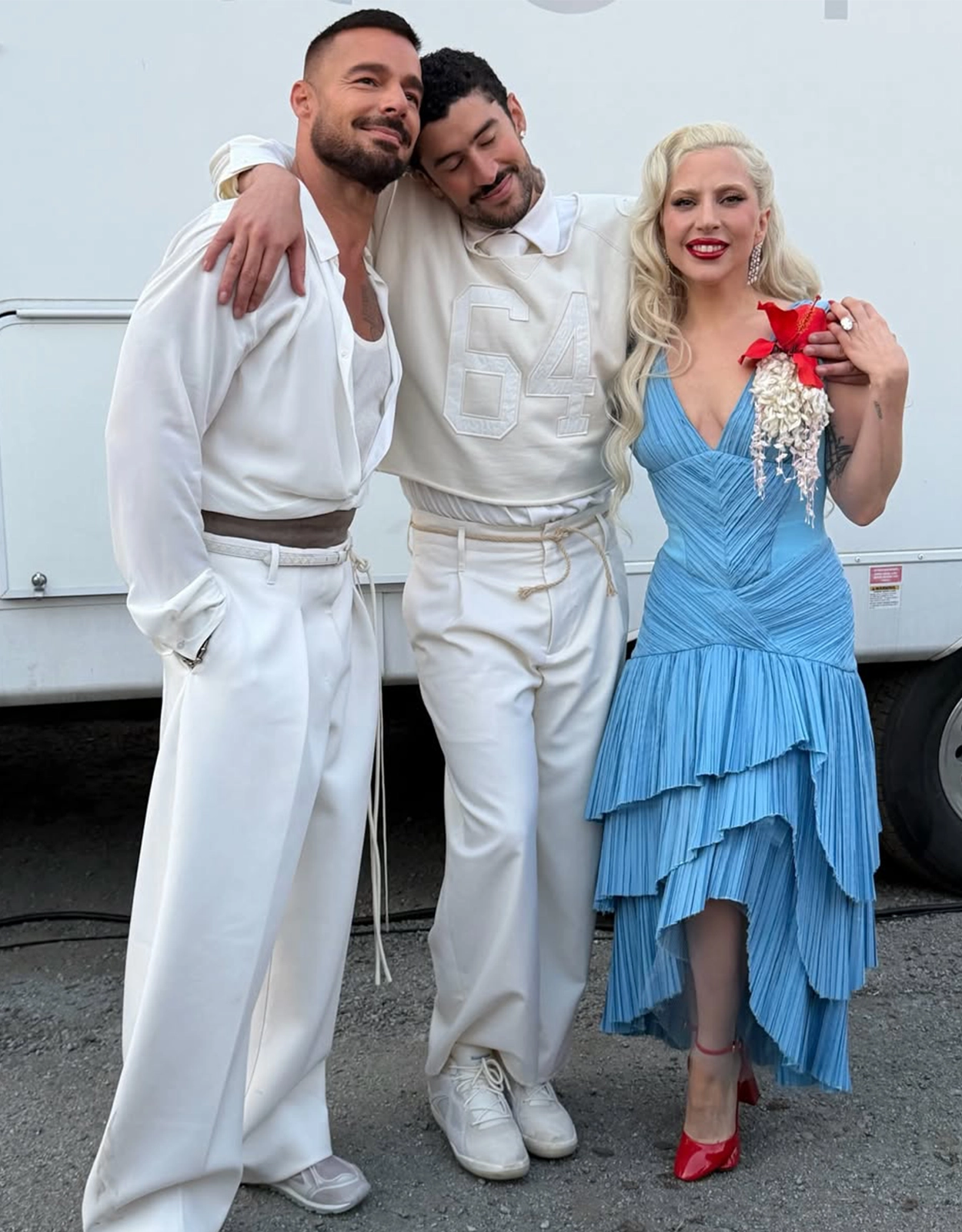
The inclusivity extended beyond Latin America. Lady Gaga, whose family heritage is Italian, joined the performance — a reminder that culture isn’t about exclusion, but connection.
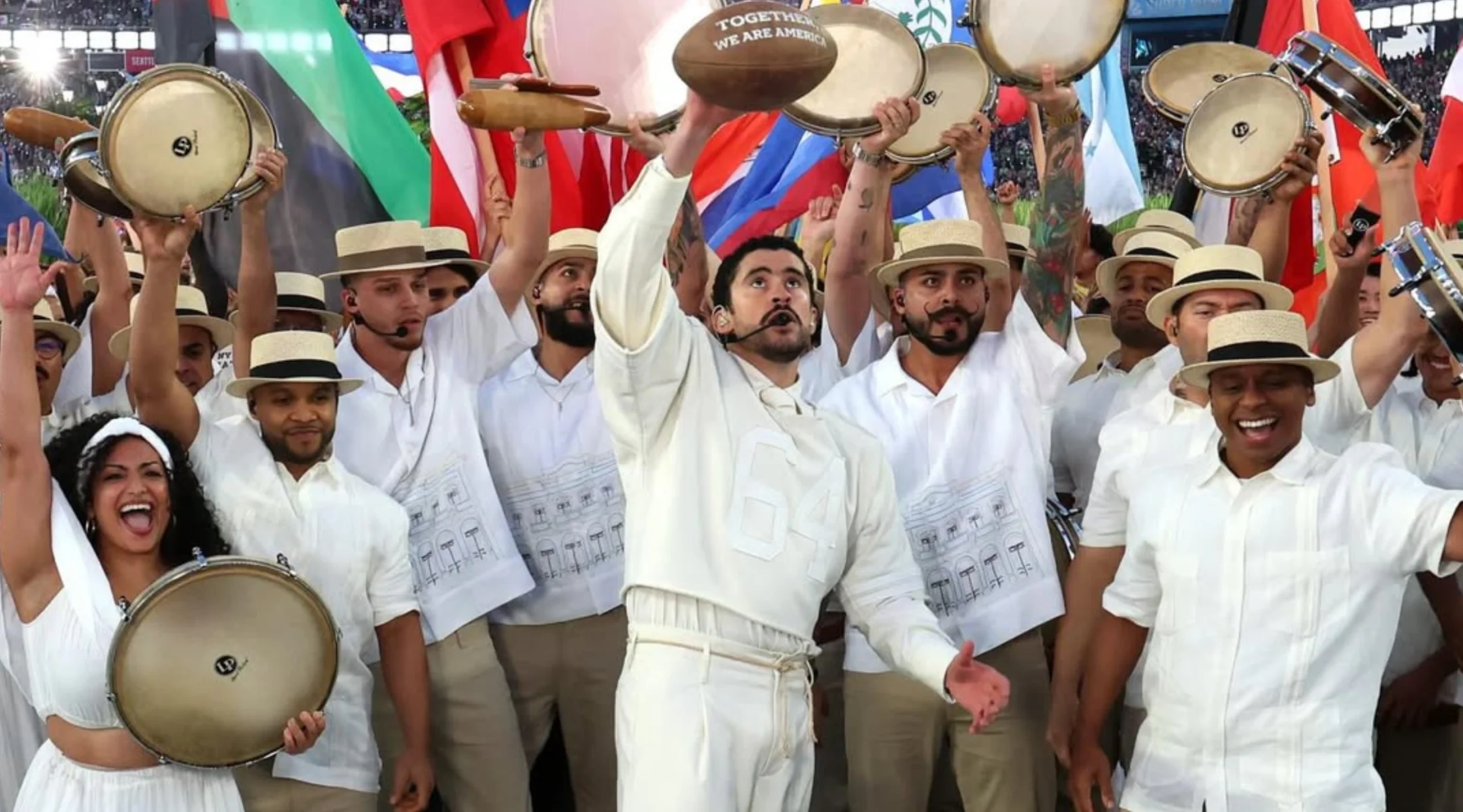
Perhaps most striking was Bad Bunny’s tribute to the Americas and the Caribbean, featuring flags from across the region, including the United States and Canada. For families, it was a visual lesson in unity — one that quietly reinforced the idea that identity can be both specific and shared.
A window into Puerto Rico
Throughout the show, Bad Bunny offered viewers an intimate look at Puerto Rican life and culture. A traditional wedding scene (it was a real wedding) reflected the island’s deep ties to celebration and family. Music and dance styles ranged from salsa to reggae, honoring the rhythms woven into everyday life.
But the performance didn’t shy away from hardship. Subtle symbolism referenced Puerto Rico’s ongoing struggles — from persistent power outages to the lingering trauma and loss following Hurricane Maria. Scenes featuring sugar cane fields and a vecindad — complete with a barber shop, liquor store, and casita — grounded the spectacle in real, lived experiences.
For parents, this mattered. It showed children that culture is not just about joy and color, but also resilienceResilienceThe ability to bounce back from setbacks, disappointment, and stress. Children build it through supportive relationships, chances to solve problems, and adults who show that mistakes are part of learning, history, and survival — and that all of it deserves to be seen.
Believe in yourself
One of the big moments of the night featured a young boy watching a clip of Bad Bunny’s past Grammy speech. Bad Bunny later presented his Grammy to the child, five-year-old Lincoln Fox — a symbolic nod to the artist himself as a young boy growing up in Puerto Rico with big dreams.
“I’ll remember this day forever,” Lincoln later wrote. “@badbunnypr — it was my truest honor.”
For families, the message was unmistakable: representation matters. Seeing someone who looks like you, sounds like you, and shares your background succeed on the world’s biggest stage can plant the seed of possibility in a child’s mind — and sometimes, that’s all it takes.
Love triumphs over hate
As the performance came to a close, a simple message appeared across the stadium screens: “The only thing more powerful than hate is love.” In a time when many parents struggle to explain division, violence, and intolerance to their children, the statement felt both timely and necessary.
Bad Bunny didn’t lecture. He didn’t moralize. He simply reminded millions of viewers that love — for culture, for family, for humanity — is still worth leading with.
Music is universal
The entire performance was delivered predominantly in Spanish (Lady Gaga performed in English), without apology or translation. And yet, it needed none. Music has always transcended language, and Bad Bunny’s message resonated far beyond lyrics.
For families watching together, it was a reminder that values like unity, celebration, perseverance, and community don’t require subtitles. They’re felt — and learned — through moments like these.
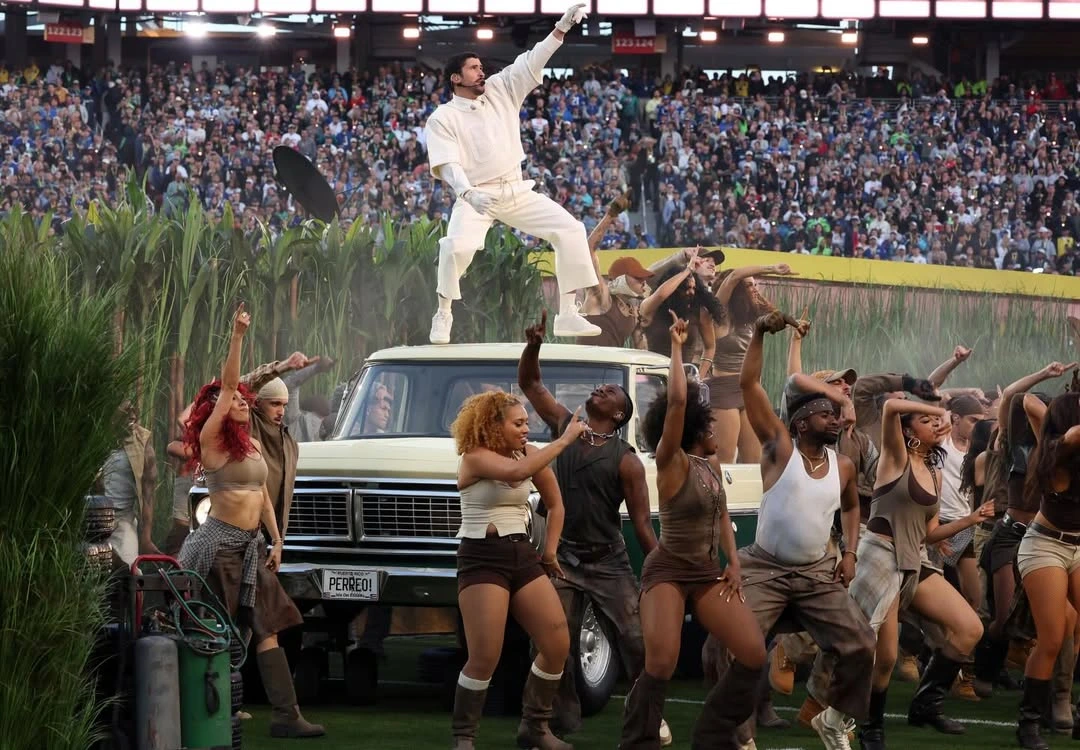
Photo from rocnation
In the end, Bad Bunny’s halftime performance wasn’t just entertainment. It was a cultural lesson, a parenting conversation starter, and a powerful example of what it looks like to show up fully as yourself — and invite the next generation to do the same.
Frequently Asked Questions
Bad Bunny’s performance centered culture, identity, and love at a time when many families are navigating difficult conversations about division, race, and belonging. It gave parents an opportunity to talk with their kids about representation, pride, and empathy in an accessible way.
Performing in Spanish was a powerful statement that music transcends language. It reinforced the idea that culture doesn’t need to be translated to be understood or valued — a meaningful message for children growing up in multilingual or multicultural homes.
Bad Bunny showcased Puerto Rican traditions through music, dance, neighborhood scenes, and symbolism tied to both joy and hardship. This balanced portrayal helped viewers understand the island as vibrant, resilient, and deeply rooted in family and community.
More on family and different cultures
A Beautiful Homecoming: Valerie Pawid West On Culture, the Filipina Identity, and Family
Catriona Gray on Embracing the Filipino Identity
Moments Like This: Anna Gomez on Weaving Stories About Life Abroad