What Parents Can Learn From Dingdong Dantes’ Incident With Fake News and AI



In a recent interview, Dingdong Dantes addresses the misuse of artificial intelligence.
Recently, Filipino actor Dingdong Dantes publicly warned about the misuse of artificial intelligence after false statements were attributed to him online—claims he firmly denied, including a fabricated comment involving Sara Duterte. While the netizen has already apologized for it, the incident is still a wake-up call.
If a public figure can be digitally manipulated and misquoted at scale, what more our children—who are growing up inside algorithm-fed realities we barely understand ourselves?
We’ve seen the evolution of online parenting anxieties: screen timeScreen TimeThe hours a child spends on phones, tablets, TV, and games. Pediatric groups advise little to no screen use for toddlers and limited, high-quality content for older kids, with family, cyberbullyingCyberbullyingHarassment carried out through phones, social media, games, or messaging apps. Because it can follow a child home, parents should keep communication open, save screenshots as evidence, report the accounts,, and gaming addiction. But this moment feels different. AI-generated content, deepfakes, and viral misinformation aren’t just distractions. They are shaping belief systems, distorting truth, and quietly influencing how our children interpret the world.
And sadly, many adults are struggling to tell fact from fiction, too.

The New Playground Is Algorithmic
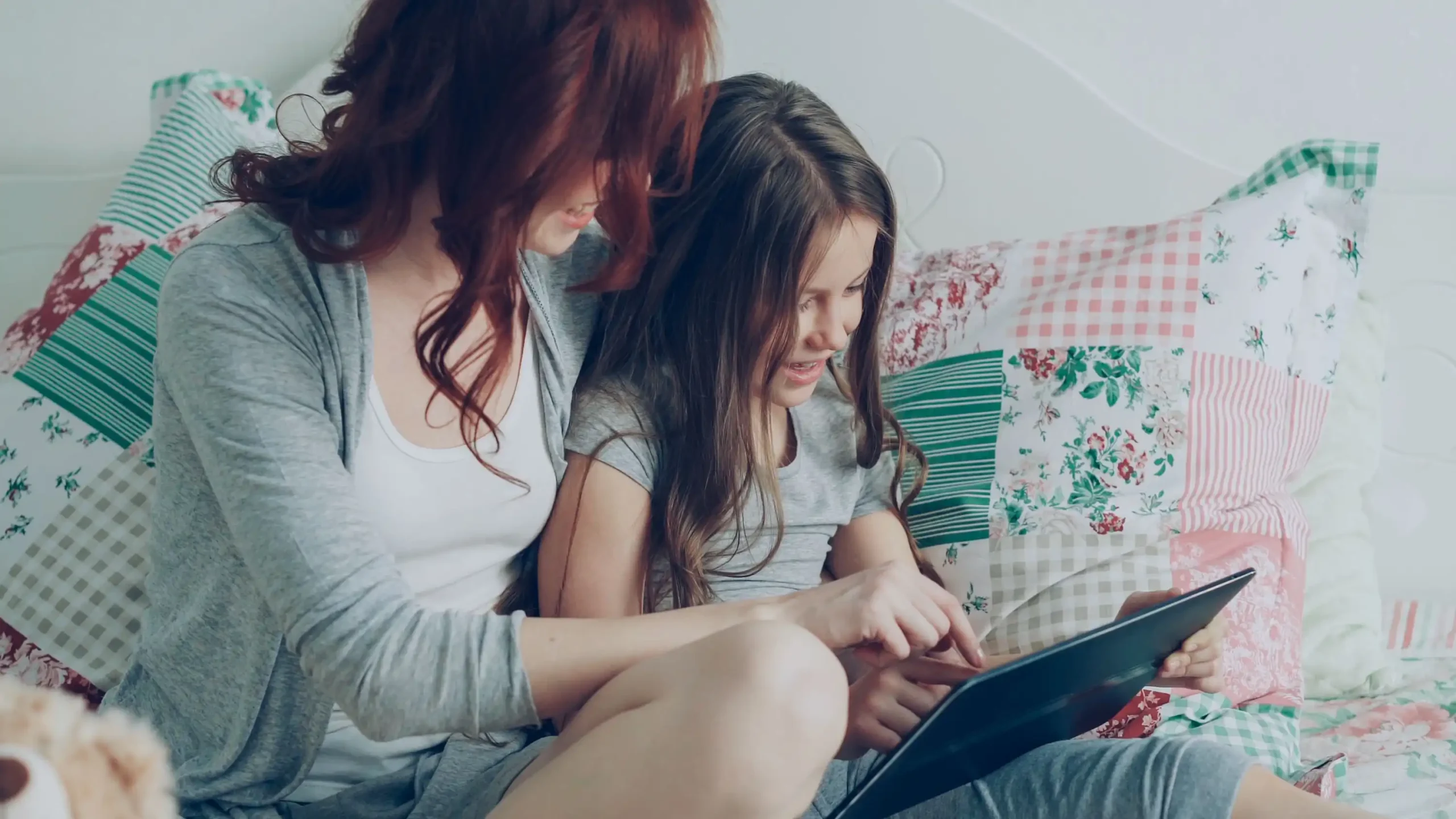
Our children don’t just scroll. They consume. They absorb. They remix. And now, with generative AI tools easily accessible, they can also create hyper-realistic content—sometimes without understanding the ethical weight of what they’re producing or sharing.
AI itself isn’t the villain. It can support learning, creativity, and access to information. But when AI is used to fabricate statements, doctor images, or amplify disinformation, it becomes a tool for manipulation.
In the Philippines—where social media penetration is among the highest in the world—misinformation spreads fast. Faster than fact-checkers. Faster than apologies. Faster than context.
Parenting in a Post-Truth Environment
Millennial and Gen Z parents are raising children in a climate where “seeing is believing” no longer applies. Screenshots can be edited. Audio can be cloned. Videos can be synthetically generated.
So the parenting question shifts from: “How do I limit screen timeScreen TimeThe hours a child spends on phones, tablets, TV, and games. Pediatric groups advise little to no screen use for toddlers and limited, high-quality content for older kids, with family?” to “How do I raise a child to remain skeptical and critical in a culture that shames it?”
In this world, digital literacy is a life skill nowadays. Being able to recognize emotionally manipulative headlines, knowing the difference between reality and fake, and most of all—knowing the hostiles on the internet—are the must-haves for any parent and kid who want to thrive as digital natives.
Philippine Laws on Online Disinformation
Parents should also understand the legal landscape. Spreading disinformation isn’t always just irresponsible—it can be unlawful.
Here are key Philippine laws that may apply:
- Cybercrime Prevention Act of 2012
Covers cyber libel and other online offenses. Publishing false and defamatory content online may result in criminal liability. - Revised Penal Code (Libel provisions)
Traditional libel laws apply to false statements that damage a person’s reputation. - Anti-Photo and Video Voyeurism Act of 2009
Relevant when manipulated or unauthorized images are shared. - Data Privacy Act of 2012
Protects personal information from misuse and unauthorized processing.
The message to our children must be clear: digital actions have real-world consequences. Screens do not erase accountability.

AI at Home: Tool or Threat?
Kids are already using AI. It’s their version of Google, Yahoo, etc. Businesses are charmed by how quickly it cuts costs and time. Schools are integrating it while struggling to identify its ethical uses.
Parents can:
- Establish family rules around AI-assisted schoolwork.
- Discuss the ethics of image editing and voice cloning.
- Encourage original thinking before AI prompts.
- Talk openly about viral hoaxes and recent news cases.
- Normalize fact-checking as a habit.
If we don’t talk about AI at home, the internet will teach for us. And the internet is not invested in our children’s character development.
What This Means for Modern Filipino Families
We are raising children in a country where online narratives can influence elections, reputations, and public safety. Disinformation isn’t abstract—it has cultural and political consequences.
But we can fight that. The home is still the strongest media literacy classroom.
So, always pause before sharing. Check if it’s real—use the rule of three. When it’s wrong, admit to believing it by mistake. We do that all the time in real life.
Because in a world where anyone can create anything, it’s truly up to people to differentiate fact from fiction.
Frequently Asked Questions
It can be. Depending on the nature of the content, it may fall under cyber libel or other offenses covered by the Cybercrime Prevention Act and related laws.
If AI-generated content falsely damages a person’s reputation and is shared publicly, legal liability may apply to the person who published or distributed it.
Teach children to always check the source, verify with credible news outlets, look for at least three (3) official statements, and avoid sharing emotionally charged content without confirmation.
Honestly, they’re already doing it. The only thing we can do is teach them how to use it properly.
Being skeptical of everything online. Not everything on the internet is true. Laws have not completely caught up with every digital execution.
More about fake news and AI?
Cris Gordon: The New Motherhood: Brave, Honest, Unbound
7 Tips to Educate Kids and Spot Fake News
Catz Jalandoni: Will AI and Kids Run the World?