
Robert Carradine’s Tragic Passing After Two Decade Battle With Bipolar Disorder



The loss of Robert Carradine to Bipolar Disorder should be a wake-up call to many about men and mental health
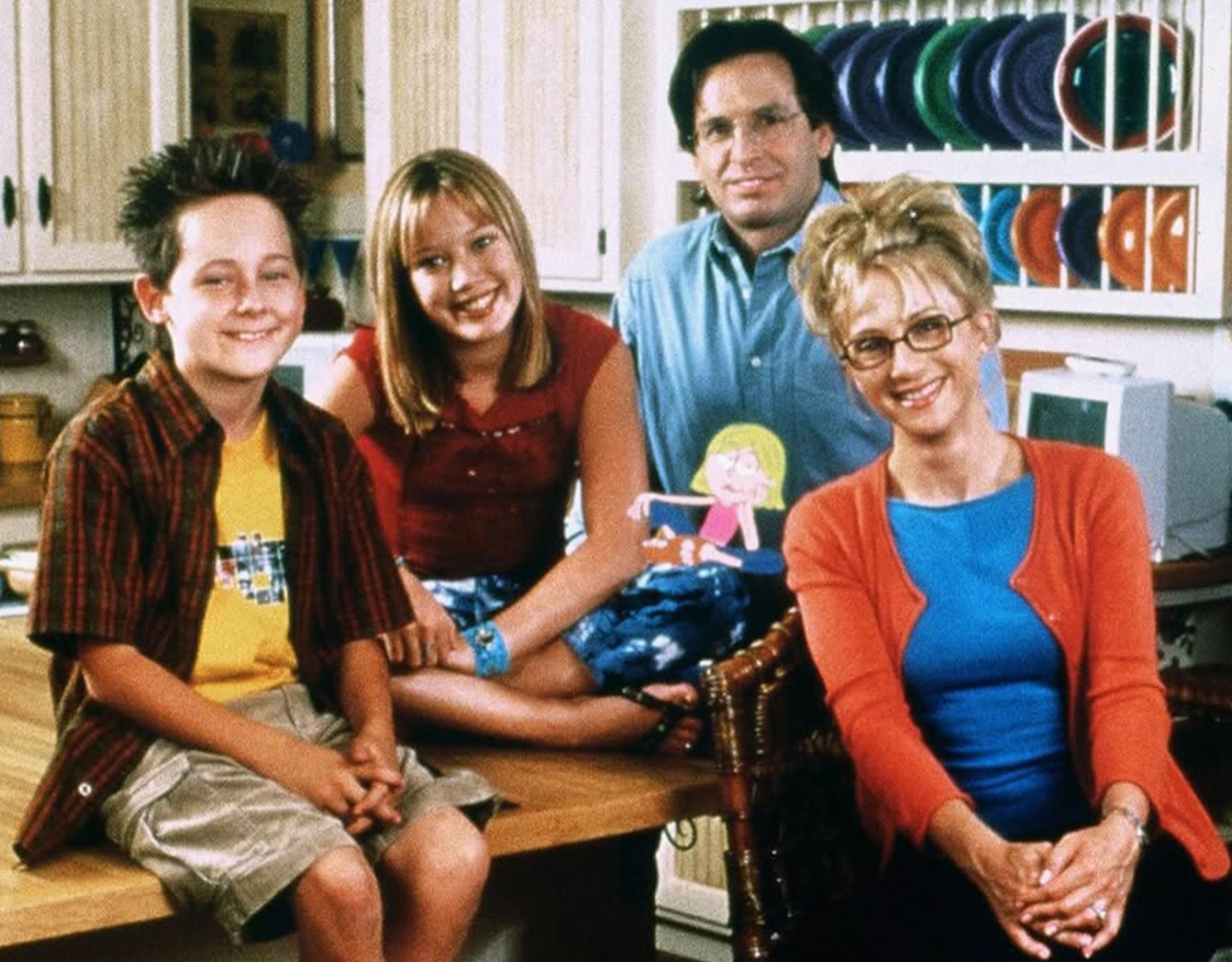
When news broke that Robert Carradine had passed away at 71, many of us felt something tender shift. For some, he was Lewis Skolnick in Revenge of the Nerds—awkward, brilliant, underestimated. For others, he was the warm, steady father figure on Lizzie McGuire. But beyond the roles, this moment invites something deeper for parents: a conversation about men, mental healthMental HealthA person's emotional, psychological, and social well-being, which affects how children and parents think, feel, and cope. Open conversations, regular routines, and timely help from professionals make it easier for, and the suffering they are often conditioned to bury.

Finding Light Even When We Feel It’s Dark
According to reports, Carradine had long struggled with bipolar disorder. And while Hollywood headlines tend to spotlight career milestonesMilestonesSkills most children reach by certain ages, such as smiling, sitting, walking, speaking, and sharing. They serve as general guides rather than strict deadlines, and parents should talk to a, what lingers is the human truth beneath them: even people who made us laugh may have carried storms we never saw.
Hilary Duff, his former co-star, wrote on her Instagram:
“This one hurts. It’s really hard to face this reality about an old friend. There was so much warmth in the McGuire family and I always felt so cared for by my on-screen parents. I’ll be forever grateful for that. I’m deeply sad to learn Bobby was suffering. My heart aches for him, his family, and everyone who loved him.”

What Robert Carradine’s Death Teaches Parents About Mental Health
We live in an age optimized for highlight reels. But parenting requires us to look beneath the surface.
Bipolar disorder affects approximately 2.8% of U.S. adults annually, according to the National Institute of Mental HealthMental HealthA person's emotional, psychological, and social well-being, which affects how children and parents think, feel, and cope. Open conversations, regular routines, and timely help from professionals make it easier for. Research shows that men with bipolar disorder are less likely to seek treatment early and may present symptoms differently—often externalizing through irritability, risk-taking, or substance use rather than sadness. Studies published in the Journal of Affective Disorders and Bipolar Disorders note that stigma around masculinity frequently delays diagnosis and intervention for men.
In other words, many fathers are struggling in silence.
And if we want to raise emotionally healthy children, we cannot treat men’s emotional pain as an afterthought.
Bipolar Disorder in Men: What Parents Should Know
For those searching:
What is bipolar disorder?
Bipolar disorder is a mental healthMental HealthA person's emotional, psychological, and social well-being, which affects how children and parents think, feel, and cope. Open conversations, regular routines, and timely help from professionals make it easier for condition characterized by significant mood swings, including manic (or hypomanic) highs and depressive lows. They’re often categorized into two types: Type 1, which is known to have fewer but longer episodes. Type 2 has shorter episodes but more frequent.
How does bipolar disorder affect men differently?
Research suggests men may:
- Experience an earlier onset
- Exhibit more manic symptoms
- Be less likely to seek therapy
- Face higher suicide risk compared to women with the condition
The World Health Organization consistently highlights that men globally are less likely to access mental healthMental HealthA person's emotional, psychological, and social well-being, which affects how children and parents think, feel, and cope. Open conversations, regular routines, and timely help from professionals make it easier for services, yet more likely to die by suicide. That disparity should concern every parent raising sons—or partnering with fathers.
The Reality Many Dads Face
Carradine’s public life reminds us that even those who seem steady may be struggling privately. As parents, we must normalize conversations about therapy, medication, mood disorders, and emotional check-ins—not as dramatic interventions, but as routineRoutineA predictable daily rhythm for waking, meals, school, play, and sleep. Routines give children a sense of security, reduce power struggles, and make busy mornings smoother, while some flexibility keeps maintenance.
Mental healthMental HealthA person's emotional, psychological, and social well-being, which affects how children and parents think, feel, and cope. Open conversations, regular routines, and timely help from professionals make it easier for literacy belongs at home. Not just in crisis.
If your partner struggles with mood instability, or you suspect something deeper than “just stress,” that is not a character flaw. It is a signal that we have to respond to.
Reach Out To Dad (Even If The World Says Don’t)
Robert Carradine’s loss against Bipolar Disorder is a wake-up call: check on the steady ones — especially the fathers who rarely complain. Ask the men in your life how they’re really doing. Not in passing. Not in jest. Sit long enough for the real answer.
Many dads were raised to endure, not to express. To provide, not to unravel. To be strong, not supported. And yet research consistently shows that men are less likely to seek mental healthMental HealthA person's emotional, psychological, and social well-being, which affects how children and parents think, feel, and cope. Open conversations, regular routines, and timely help from professionals make it easier for care and more likely to suffer in silence — particularly when mood disorders are involved.
If you’re parenting alongside a father, create room for his emotional life. Normalize therapy. Normalize rest. Normalize saying, “This is heavy.”
And if you are a dad reading this: your family does not need your invincibility. They need you alive. They will most especially need your honesty and your willingness to reach for help when the weight becomes too much.
Frequently Asked Questions
Robert Carradine was an American actor best known for Revenge of the Nerds and as the father on Lizzie McGuire.
Reports indicate he had struggled with bipolar disorder, highlighting the importance of mental health awareness.
Approximately 2–3% of adults experience bipolar disorder annually, with men often underdiagnosed due to stigma and delayed help-seeking.
Use age-appropriate language, normalize therapy and treatment, and emphasize that mental illness is a health condition—not a moral failing.
Seek professional evaluation from a licensed mental health provider. Early intervention improves long-term outcomes significantly.
More about dads and mental health?
Remembering Ozzy Osbourne: The Prince of Darkness, Dad of Light
The Unspoken & Hard Truths About Dads’ Mental Health
5 Ways Fathers Can Be Nurturers and Break Toxic Masculinity