
Baby Brain Is Real—And Filipino Moms Know It Well



We know it as “Mom Brain” and have laughed about it for years. But studies have proven: “mom brain” or what they know as “baby brain” is very real!
If you’ve ever seen a mom walk into a room and completely forget why she went there, you’ve witnessed what many parents jokingly call baby brain.
The term has long lived somewhere between humor and mild embarrassment. It’s the moment when a mom calls one child by another sibling’s name. When she spends five minutes looking for her glasses—only to realize they’re already on her head. When emotions feel closer to the surface than usual, and the smallest things suddenly feel overwhelming.
For years, many women brushed these moments off with a laugh.
But science is now catching up to what mothers have quietly known all along: baby brain is real.
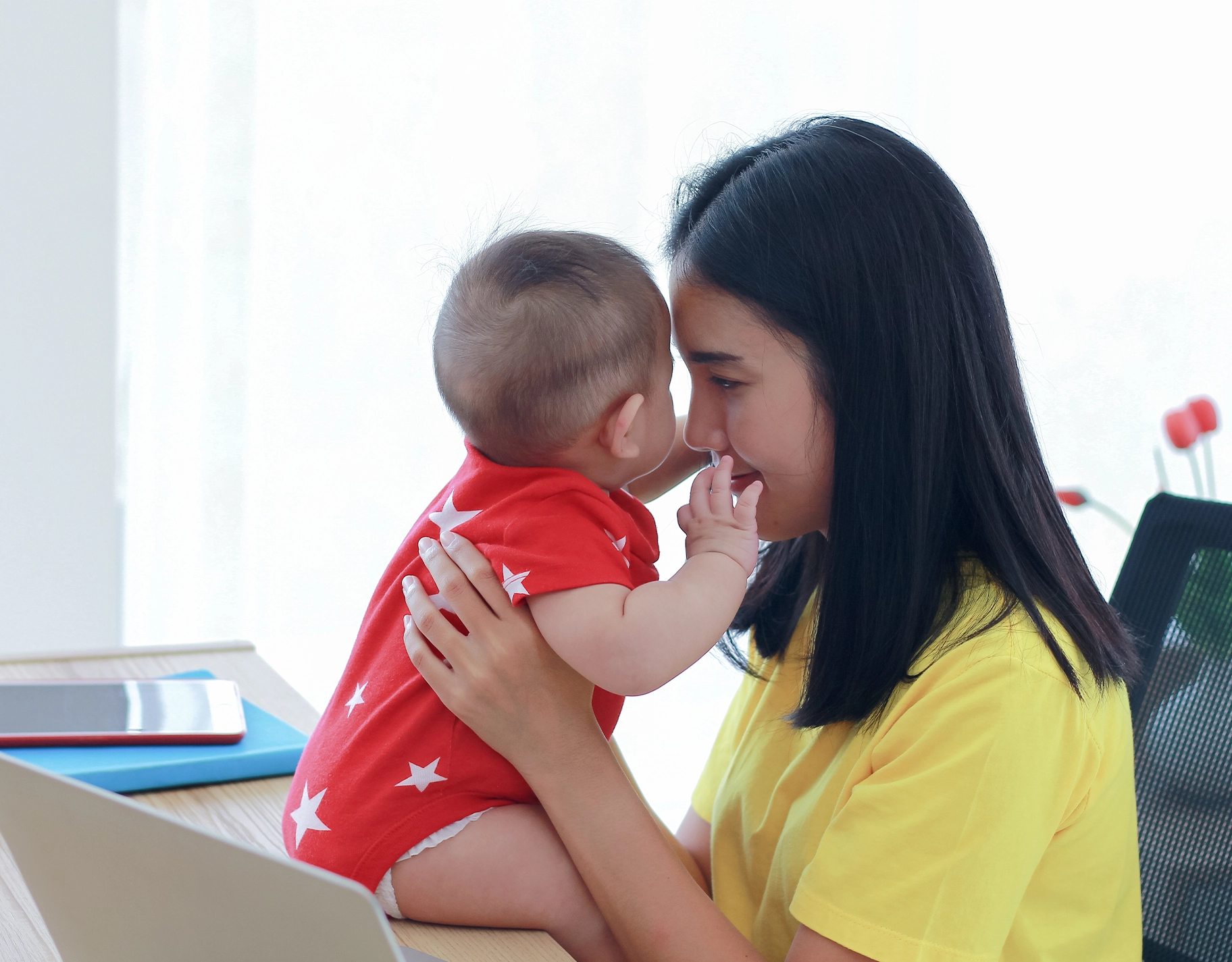
The Everyday Reality of “Baby Brain”
Recent research suggests pregnancy and early motherhood can cause measurable changes in the brain, affecting memory, focus, and emotional processing. And while these shifts are temporary for many women, they can be surprisingly intense during the early months—and even years—of parenting.
For Filipino moms, where family life is vibrant, noisy, and often beautifully chaotic, these moments are even more recognizable.
In many Filipino homes, mornings begin with packed schedules and louder kitchens.
Someone is looking for their school ID. Another child needs help with homework. A toddler wants breakfast now. Meanwhile, mom is mentally juggling grocery lists, school group chats, doctor appointments, and what feels like a hundred tiny household details.
It’s not surprising that sometimes, the brain drops a ball.
Many mothers describe moments like:
- Mixing up their children’s names mid-sentence
- Forgetting where they placed everyday items like phones or glasses
- Feeling unusually emotional or easily overwhelmed
- Walking into a room and losing their train of thought
- Struggling to remember simple errands or conversations
These moments don’t mean a mother is disorganized or inattentive. In fact, the opposite is often true.
Motherhood asks the brain to process an enormous amount of information at once—from emotional cues to practical logistics.
So if the mind feels foggy sometimes, it may simply be doing too much at the same time.
Why Motherhood Changes the Brain
Studies suggest pregnancy hormones and postpartum adjustments can reshape parts of the brain linked to memory, empathy, and emotional awareness.
Some researchers believe these changes actually help mothers become more responsive to their babies. Areas of the brain connected to caregiving and emotional attunement become more active, which may explain why many mothers become highly sensitive to their child’s needs.
Unfortunately, memory and concentration sometimes take a temporary backseat.
Add sleep deprivation, physical recovery, and the mental load of running a household, and it’s easy to see why “baby brain” can feel very real.
In Filipino Culture, Moms Carry a Heavy Mental Load
Filipino mothers often wear multiple hats at once.
They are planners, cooks, nurses, chauffeurs, homework supervisors, emotional support systems—and sometimes also professionals managing careers outside the home.
Even in households with strong extended familyExtended FamilyRelatives beyond the parents and children, such as grandparents, aunts, uncles, and cousins, who often help raise a child. In Filipino households this network shares childcare, wisdom, and support, though support, moms frequently become the central organizer of daily life.
This invisible labor is what psychologists call the mental load—the constant background thinking required to keep everything running smoothly.
It’s no wonder that sometimes the brain asks for a small pause.

When Moms “Flip Out” Over Small Things
Every parent has seen it happen.
The kids leave toys everywhere. Someone spills juice. Shoes and tsinelas were scattered across the floor. Random dirty socks or clothes wedged in between the couch cushions. The chair had turned into the new “hamper.”
Suddenly, mom snaps. Later, she feels guilty. Maybe even embarrassed.
Unfortunately, emotional overload can also be part of postpartum adjustment and mental exhaustion. When the brain is already processing dozens of things at once, even a small trigger can feel like the final straw.
But this doesn’t mean she’s turning into someone we don’t recognize. She’s still human. And like any regular human being, she’ll have those moments when she cracks.
A Gentle Reminder for Dads: Learn Her Rhythm Again
Here’s something many couples forget once parenting begins.
You used to know each other very well.
Back when you were dating, you noticed everything.
A subtle change in her voice.
The way she pressed her lips together when she was upset.
That quiet pause before she said she was “fine.”
You paid attention.
You responded before she even asked.
Parenthood is the moment when that skill needs to return. All the more, moms won’t say they’re overwhelmed right away. Instead, the signs show up in small ways: a sigh, a twitch in the corner of her mouth, a tired silence.
Don’t wait for her to explain.
Notice.
Step in.
Offer help without being asked. Take the kids outside for an hour. Bring her water. Handle dinner. Let her rest.
You’ve done this before—just in a different season of life.
Now it matters even more.
Baby Brain Is Not a Weakness
For many Filipino moms, what we jokingly call “baby brain” often shows up in the most familiar everyday moments. It’s the nanay who calls out three different children’s names before landing on the right one. The mom who spends ten minutes looking for the reading glasses already resting on top of her head. The one who walks into the kitchen and forgets why she went there in the first place—only to remember she was reheating yesterday’s adobo while answering a class group chat and reminding a child about homework.
In a Filipino household where mothers often carry the emotional and logistical heartbeat of the family—tracking school deadlines, meal plans, family birthdays, errands, and everyone’s moods—it’s no surprise that the mind occasionally drops a small detail along the way.
Frequently Asked Questions
Yes. Studies suggest pregnancy and postpartum hormonal changes can affect memory, focus, and emotional processing.
For many women, it improves within the first year after childbirth, though some cognitive changes can last longer depending on sleep and stress levels.
Not usually. It’s often linked to hormonal shifts, sleep deprivation, and the mental load of caring for a newborn.
While not the same hormonally, fathers can experience mental fatigue and cognitive overload during early parenthood.
By sharing responsibilities, encouraging rest, offering emotional support, and avoiding criticism when forgetfulness happens.
More about mom brain?
8 Tips to Fight Mom Brain and Get Your Sharpness Back
11 Common Triggers of Mom Rage and How to Manage Them
Period Brain Fog is Real: How To Deal With It