Why Parents Need To Create Their Own “Sanctuary” At Home



Every parent needs a space where “hinga” is possible.
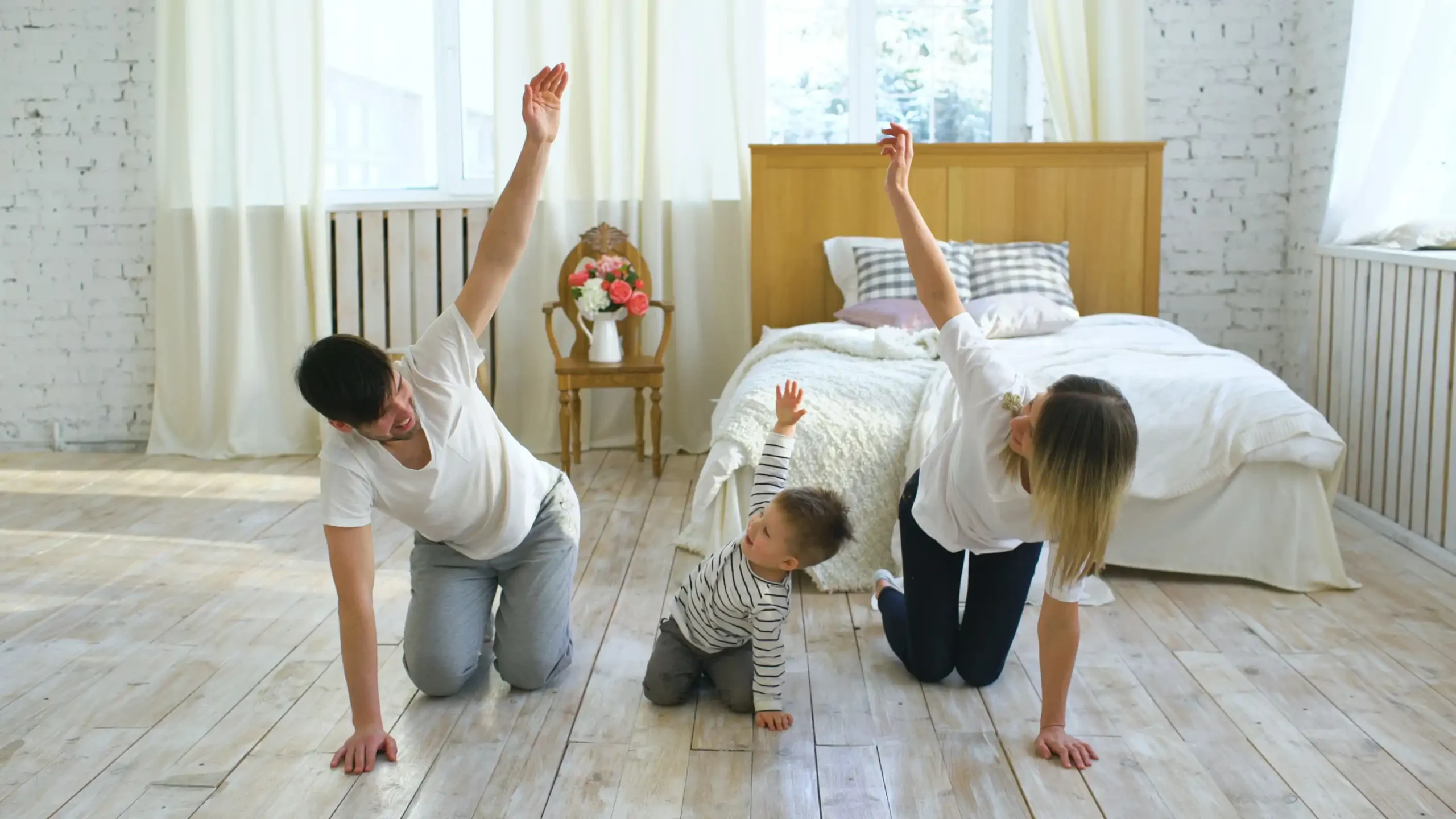
In a world that rarely slows down, parents are often expected to keep going—juggling work, childcare, household responsibilities, and everything in between. The result? A constant hum of exhaustion that doesn’t quite turn off. But what if the solution isn’t doing more, but creating space to do less?
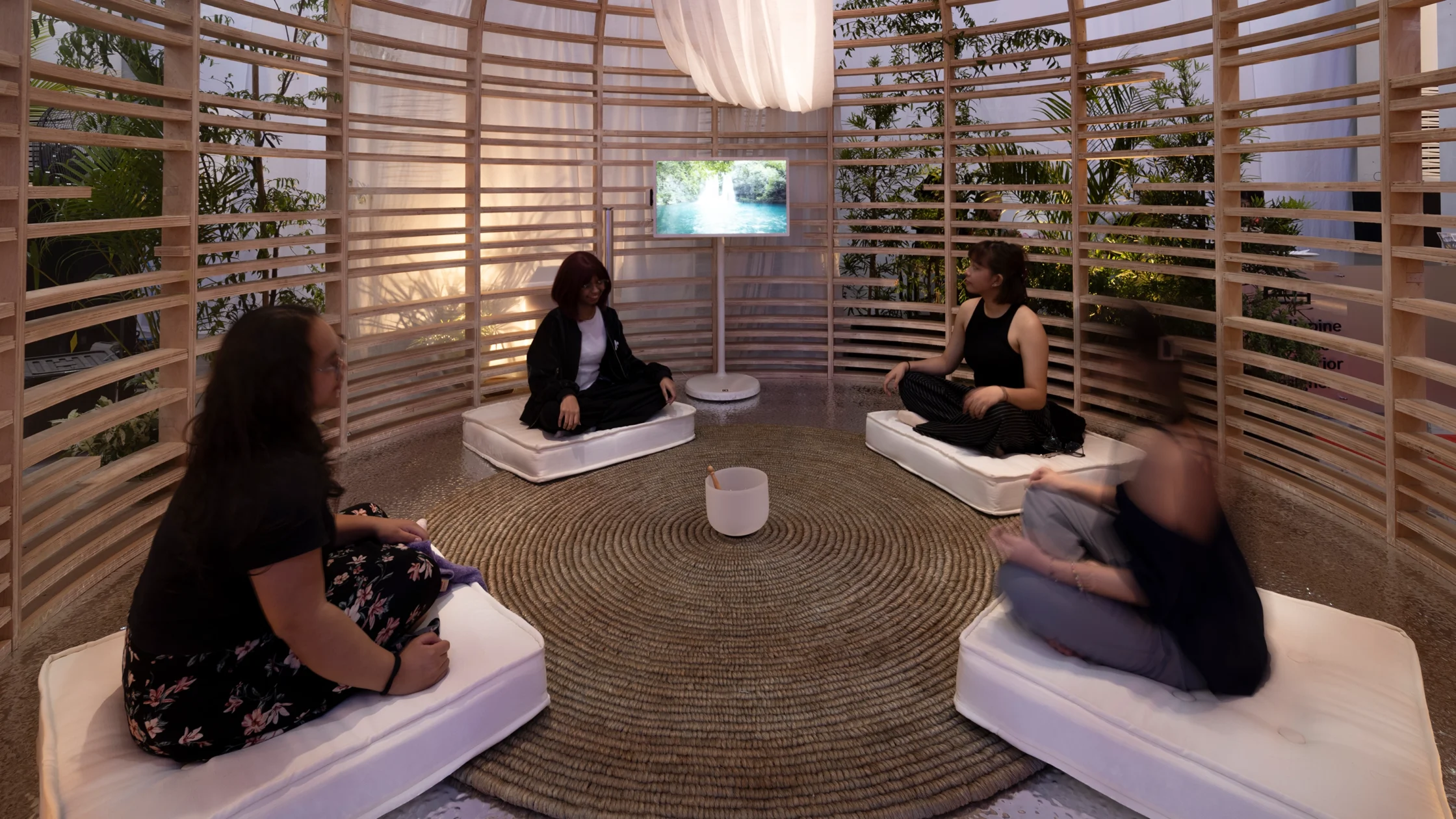
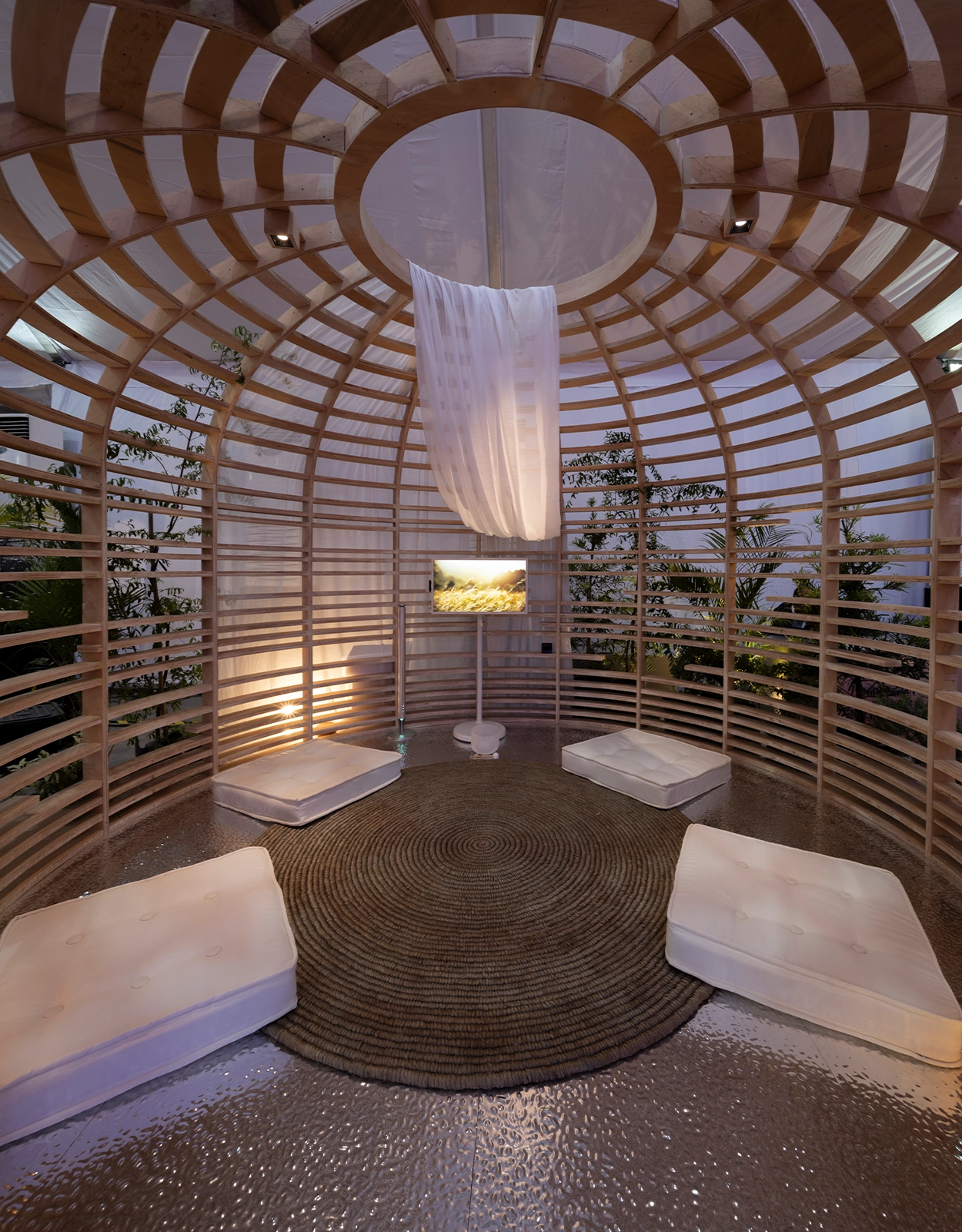
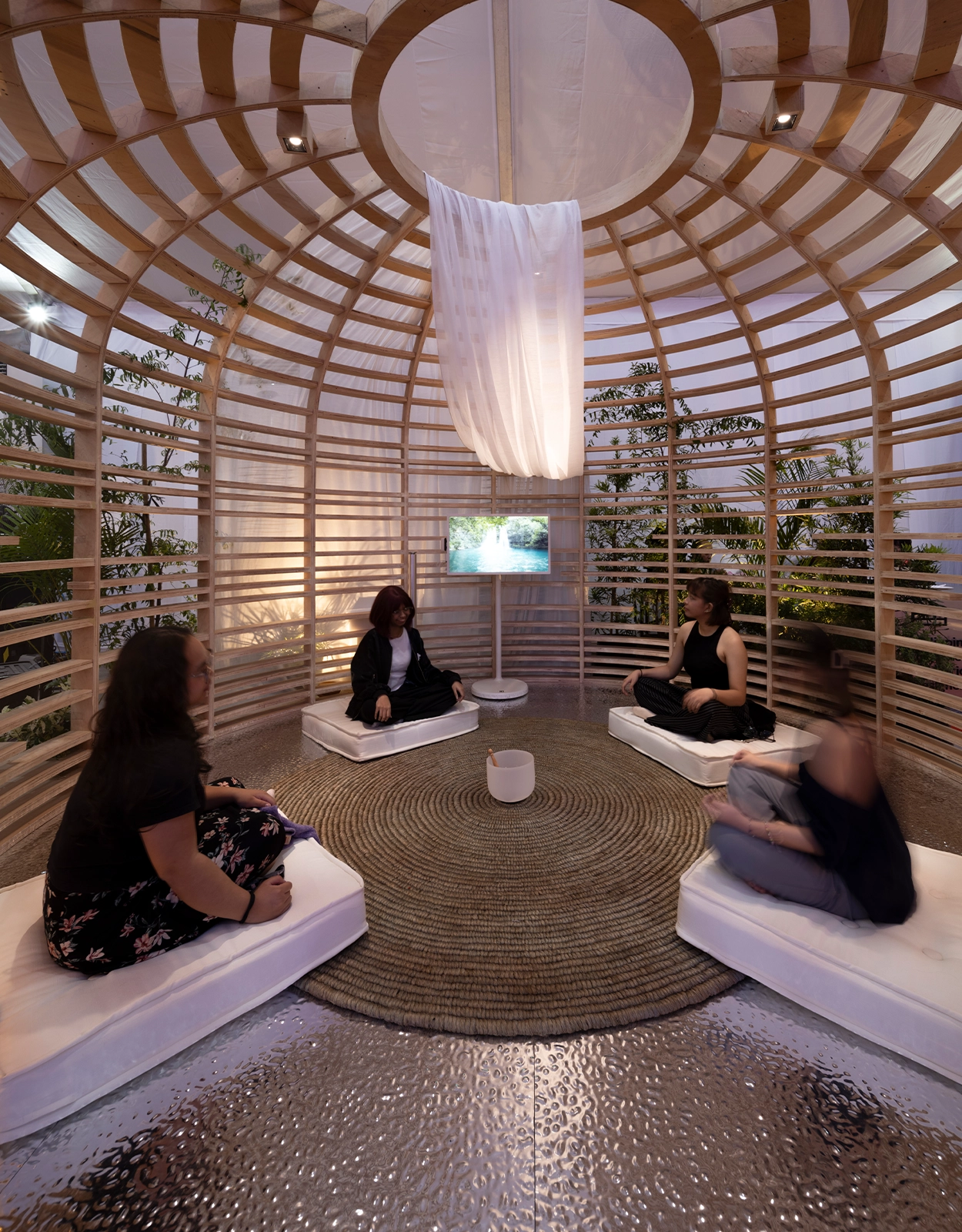
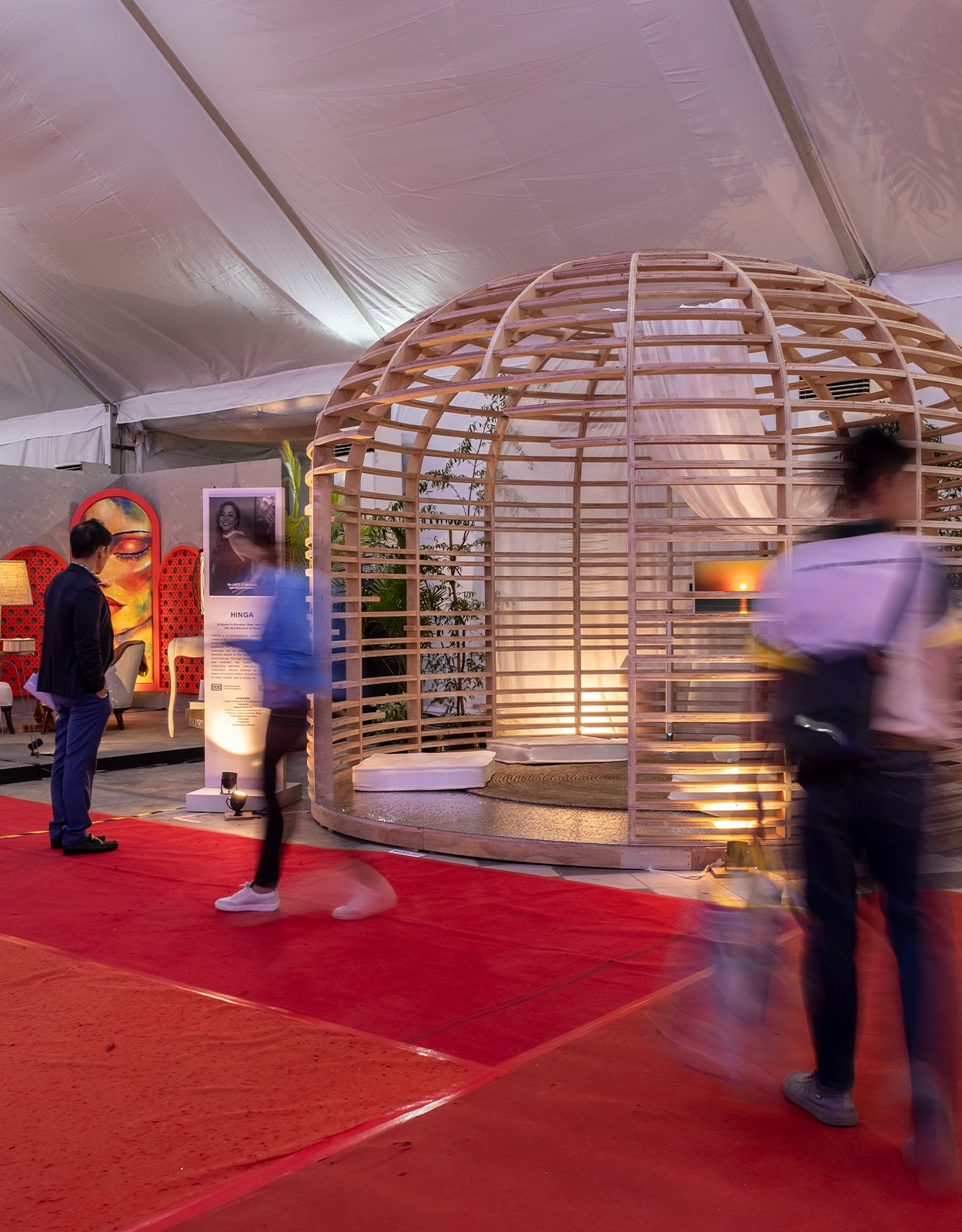
At the recently concluded WorldBex 2026, a serene installation called HINGA—a dome-like sanctuary designed by interior designer Cecil Ravelas—offered a powerful reminder: we all need a place to pause. Amid the noise and motion of the exhibit, it stood still. Intentional. Restorative. A space designed not for productivity, but for pause.
The Case for Stillness in a Busy Home
“Function over form”—that’s how most families design their homes.
Especially with living spaces getting smaller, portioning the space to create something more multi-purpose is the ongoing trend. Kitchens, dining rooms, and living rooms sometimes share one space. The bedroom becomes half an office. Physically, it looks like there is no room for stillness.
But that space is something we need. Every parent just wants to put down that invisible mental load for a little while. Sure, we can release it by “changing the scenery” and going out, but we still go home to it. The home will still be the same annoying source of all our stress.
What a “Sanctuary” Really Means
A sanctuary doesn’t have to be a separate room, a renovation project, or something Pinterest-perfect.
As HINGA beautifully shows, it’s not about size—it’s about intention.
It can be:
- a quiet corner by the window
- a chair that signals “do not disturb.”
- a small nook with soft lighting and calming textures
- even a few uninterrupted minutes in a familiar space
What matters is that it’s yours—a place where stimulation softens and your mind can finally exhale.
Seizing Stillness for the Self
One of the quiet truths behind HINGA is this: stillness doesn’t demand grandeur—it asks for intention. Built from simple, accessible materials like plywood, the space proves that calm isn’t something you buy; it’s something you design—for yourself.
At home, it can look like choosing soft, grounding textures, letting light and air move freely, and clearing visual noise so your mind has room to settle. For others, it can be in a room filled with the hobbies that we were denied as children.
The best part is, we don’t need a sprawling house to make it happen. Sometimes, all it takes is a small, well-chosen corner. A chair by the window can become your morning pause. A tucked-away nook can hold your thoughts at the end of a long day. A quiet surface can be where you journal, breathe, or simply sit without being needed for a moment.
Like HINGA, your space can shift with you. Some days can offer silence, other days reflection. And sometimes we just need a place to simply be.
Because parenting is a life that always asks for more, choosing to carve out even a sliver of stillness is an act of care—and one worth claiming.
Balancing Stillness and Chaos at Home
The home will always be in chaos. Kids will flip tables. Our partners may find something broken. Goodness, it’s as if their world will fall apart if we don’t come to the rescue. We often hold our breaths and stare at the mess that they made, wondering where we went wrong.
But that’s the idea behind HINGA. We have to breathe out the frustration. And when physically everything looks so cluttered and chaotic, that’s impossible. We just need that visual reminder that we need to allow ourselves to breathe.
Although life’s demands are constant, we shouldn’t wait until we’re overwhelmed to look for relief. It’s better to create space for calm than to recover from burnout.
Sometimes, all it takes is a corner, a breath, and the decision to finally pause.
Looking for ideas for a sanctuary at home? Visit the HINGA design exhibit coming this May!
Frequently Asked Questions
Find a corner or space and put a physical marker that the kids or the rest of the family can see. A plant, a chair, or a cushion—that way they’ll have a visual signal that tells them, “This is a stillness spot. Do not disturb.”
No need. They can be as small as a corner by the window or a chair by the door.
Most people get it from Pinterest. Others attend design shows like the one HINGA will have this coming May.
It’ll be a little hard at first to establish a sanctuary in a small space, but having a talk with our partners and kids on what the stillness or neutral zone in the condo will be helps before designing it.
It’s nice to have our own personal nook, but in a small living space—might be best to open it to everyone to use.
More about interior design and home?
8 Best Online Stores To Buy Kids’ Furniture
A Space of Their Own: Tips for Revamping Your Growing Kids’ Rooms
Tips in Building A Book Nook At Home