To Every Mama Going Through Menopause, You’re Doing Fine



Menopause can terrify even the most strong-willed mamas, but that’s okay—you’re not alone
To the mama going through menopause,
When “that age” comes, know that you’re not the only one scared. With no specific patterns and just a range of when it will hit, not knowing when to prepare for menopause can be terrifying. The worst part is—it rarely tells you when it hits.
There’s that feeling that something isn’t right.
No pain. Just this awkward feeling of things that’s bound to happen.
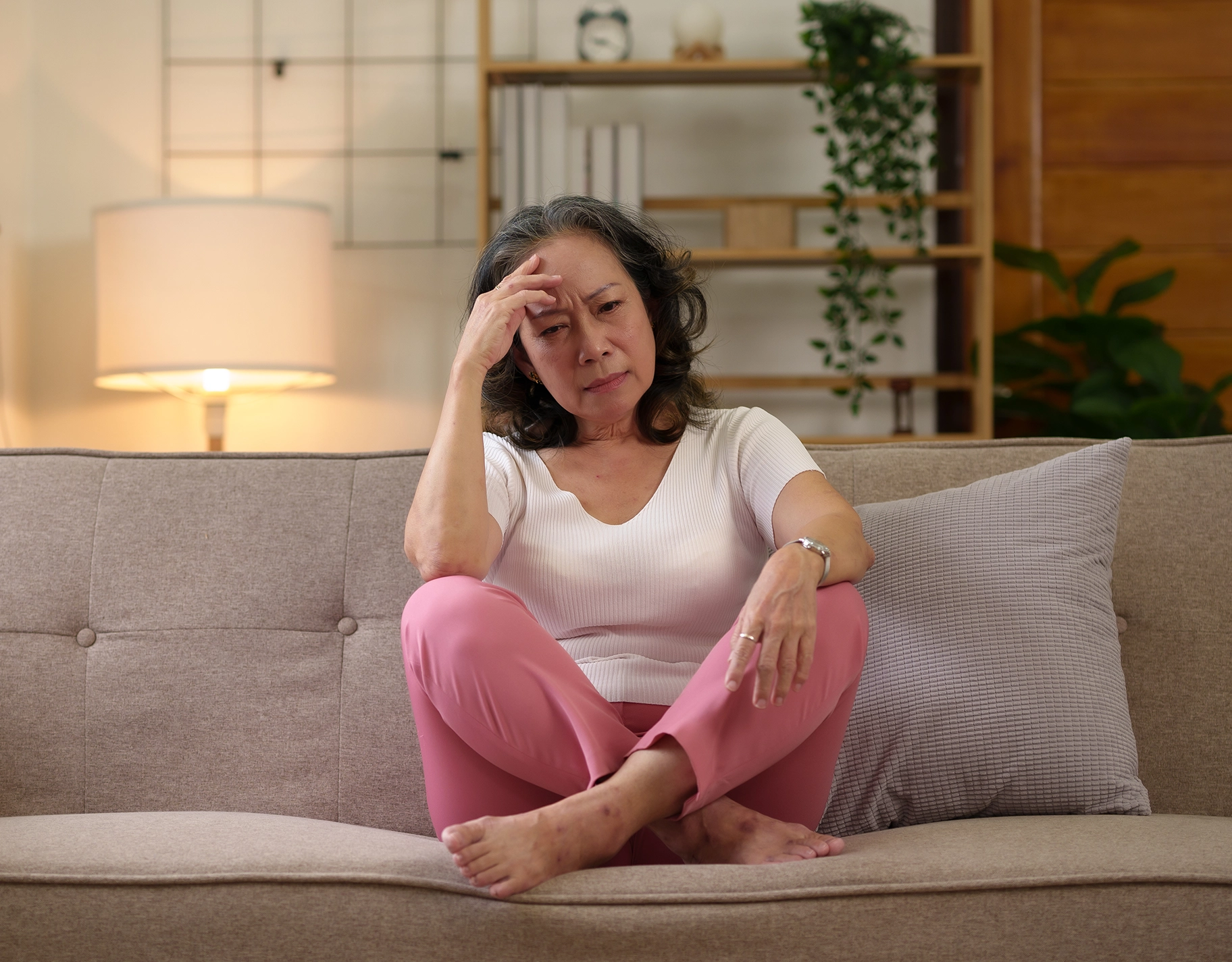
There’s the heat that comes without warning. A wave of exhaustion follows, making you gaslight yourself into thinking you’ve gotten old and weak. Then, when the kids call—bam! Tempers rise and we’re all just ready to pick a fight over something we once considered small.
And in the middle of the biological chaos that is a woman’s body, we’re all just wondering: “What is happening to me?”
Menopause: An Inevitable Change With No Strict Pattern
The first thing you need to know is that whatever you’re feeling right now is absolutely real. No, you’re not crazy. Yes, you did just cry over a car commercial. Yes, the Philippines somehow feels hotter than the typical 40-degree index.
But that’s the weird part about menopause: women can share their stories about it, and none of them are exactly the same. Every woman experiences it differently.
Some just go with the flow. Others are sensitive to every little shift. There is no single timeline, no universal script. It can begin in your late 40s, sometimes earlier, sometimes later. It can arrive gently, or all at once.
What remains constant is this: your body is adjusting to a natural decline in estrogen—a hormone that has long supported your muscles, energy, and internal balance.
So when things begin to feel different—when your strength dips, your recovery slows, your sleep becomes fragile—it’s not because you’re dying.
It’s adjusting and adding a new bit here and there. It’s another learning curve for us.
Every Woman Has Their Way of Figuring It Out
Some lean into routineRoutineA predictable daily rhythm for waking, meals, school, play, and sleep. Routines give children a sense of security, reduce power struggles, and make busy mornings smoother, while some flexibility keeps—structured movement, careful nutritionNutritionThe process of obtaining and using nutrients from food to support growth, energy, overall health, and proper body function., consistent habits. Others move based on the present—adjusting day by day, listening closely to what their body asks for.
Some will try supplements and herbal living. Others may become more critical of their food and start by adding milk like Ensure Gold, more salmon, and more spinach. More drastic methods may even include walking away from the career they’ve built in order to slow down and figure out what’s wrong with them.
There’s no one correct pathway. What women have done for years to cope with the age-old cycle—know that their stories are based on what worked for them. For a lot of women, it’s not about “curing” menopause but managing the effects of it. There will be trial and error; days when nothing seems to work.
But that’s okay. Every day is just another day to learn something new about our bodies.

Slowing Down Is Not Failing—It’s Parenting Differently Now
It’s hard to accept as the one who kept everything running. When the house feels like it’ll fall apart if we stop, menopause can feel like a baseball bat to the face. Our loved ones start freaking out when they can’t find things, can’t fix things, and even do their own chores—and honestly, it can feel like failure on our part.
Though our family will have the right to whine if they’re toddlers or babies. But if they’re older, menopause may be giving you that signal to finally slow down and let your loved ones learn. Yes, it’ll feel like abandonment at first. But with a body so unsure of itself, it’s best to manage expectations.
Menopause literally switches the gear on how fast or how slow you can go. Your patience will stretch thinner on some days. Your body will ask for more rest, more intention, more support. And that can feel unfamiliar, especially when you’re used to being the one everyone relies on.
But this isn’t you becoming less capable. It’s you learning how to sustain yourself in a new season.
So if everything feels heavier than usual, go back to basics: staying healthy enough to keep going, steady enough to stay present, and grounded enough to feel safe in your own body again.
You don’t need to do everything. You don’t need to do it perfectly.
You’re not falling behind. You’re learning how to carry your life in a way that won’t break you.
And that’s okay.
Love,
Every momma going through menopause too
Frequently Asked Questions
Hot flashes, mood changes, fatigue, sleep disturbances, and reduced muscle strength are among the most common symptoms.
Declining estrogen levels impact muscle mass, recovery, and overall energy, making physical changes more noticeable.
Yes. Regular movement, strength training, proper nutrition, and quality sleep can significantly improve well-being.
Not necessarily unless there are other issues involved. They can help fill nutritional gaps, especially for muscle health and immunity, but should complement—not replace—a healthy lifestyle.
Yes. Hormonal changes can affect mood and emotional regulation, and these experiences are valid and common.
More about menopause and perimenopause?
SecondSpring PH: Empowering Filipino Women Through Midlife
Marilen Elizalde Gives Insights On Perimenopause
Editor’s Note: Reflections & Epiphanies of Parent Wellness