Did K-12 Philippines Truly Fail? The Real Problem May Be Constant Change



Once again, the Philippines’ K-12 system is under fire as an alarming literacy gap reveals itself.
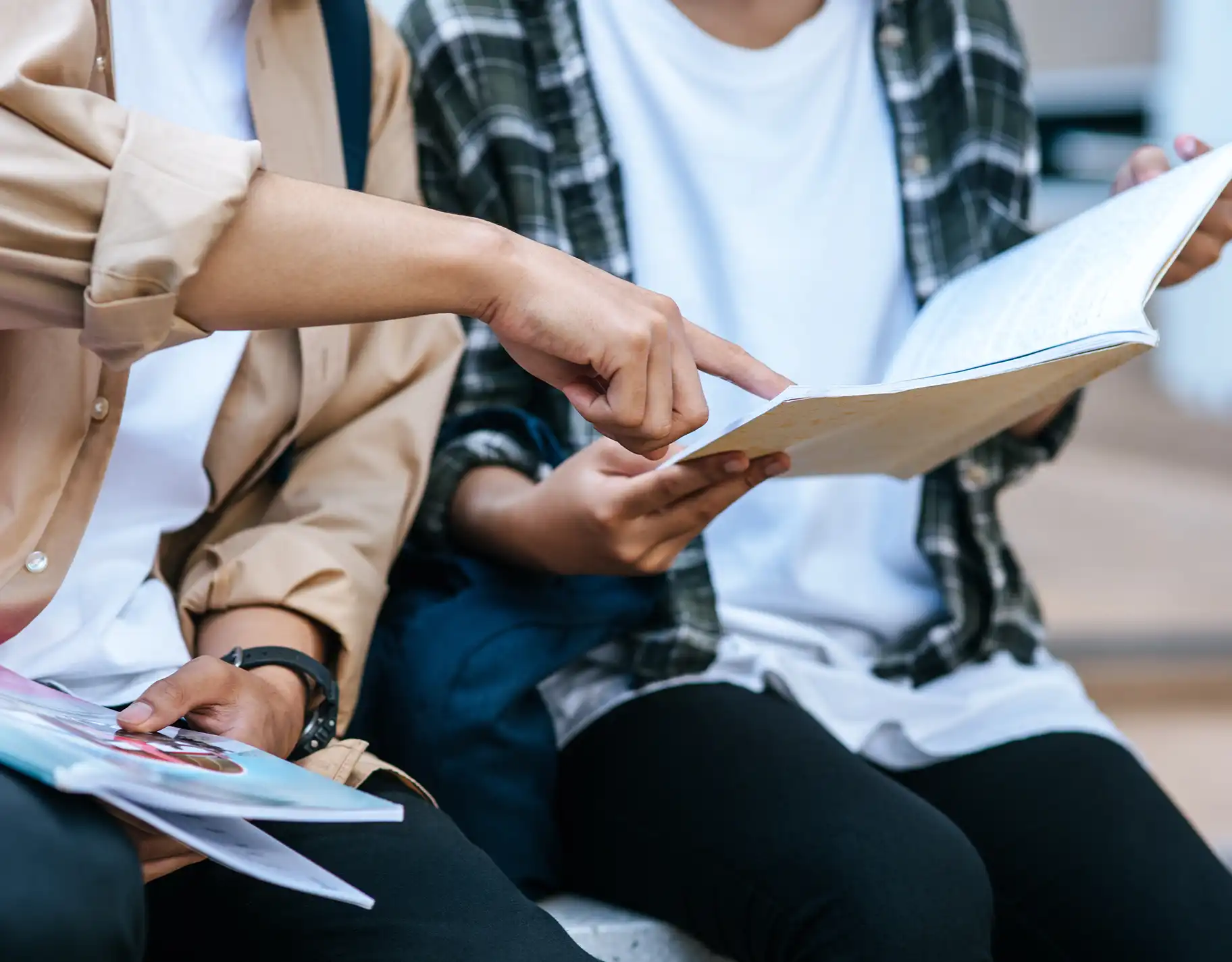
The debate surrounding the Philippines’ K-12 system has intensified again after recent reports revealed alarming literacy gaps among senior high school students. According to data presented by EDCOM II, only around 12 percent of Grade 11 students are considered “independent readers,” with many struggling to understand what they read.
For many Filipino parents, we’re left scratching our heads and asking: Did the K-12 education system fail?
The answer isn’t as simple as “yes” or “no.” The deeper issue may not be the existence of K-12 itself, but the instability surrounding Philippine education over the past decade.
The History of the Philippines’ K-12 System
The Philippines’ K-12 program was introduced to align the country with global education standards and supposedly make graduates more employable even without college. Through specialized strands like STEM, HUMSS, and TVL, students were expected to gain industry-ready skills earlier.
In some schools, the system worked. Institutions like the Philippine Science High School System produced students who became more focused and resilient because they were exposed to deeper industry-related problems earlier on.
But for many students, the strand system also created pressure to specialize too early. TeenagersTeenagersYoung people between 13 and 19 who are developing identity, independence, and judgment. Parents stay close by listening more than lecturing, keeping curfews and expectations clear, and showing up for were asked to decide their future before fully understanding themselves. Instead of producing adaptable thinkers, many became overly dependent on rigid pathways.
The Issue Lies In Volatility
The biggest weakness of K-12 in the Philippines may be its volatility.
Over the years, curricula kept changing—from K-12 revisions to the MATATAG curriculum and other adjustments. Parents, teachers, and students barely adapted before another reform arrived. In a culture that still values stability, obedience, and traditional career paths, constant educational shifts created confusion.
The pandemic worsened this instability. Grade transmutation, online learning struggles, and overloaded teachers exposed deeper cracks in the system. Even lawmakers have acknowledged persistent literacy and proficiency declines across grade levels.
Students learned how to memorize enough to pass, but not always how to adapt, analyze, or think critically.
Education Thrives In Stability
If there is one lesson the K-12 system in the Philippines debate reveals, it is this: education cannot thrive in chaos.
Instead of constantly replacing systems, the country may need to strengthen and upgrade what already exists. Add practical execution. Reintroduce classic literature that builds empathy and imagination. Teach adaptability alongside technical skill.
Most of all, stop forcing students to hit moving targets on the get-go. Otherwise, they won’t even bother trying.
Frequently Asked Questions
The K-12 Philippines program added two years of senior high school to align the country’s education system with global standards and improve employability.
It’s not the system that’s entirely the problem. Most of it is because the system has been changed repeatedly. The lack of stability has left many students, teachers, and even parents to fend for themselves.
The program helped some students gain technical and industry-specific skills, especially in STEM and vocational tracks, but many employers in the Philippines still prioritize college degrees.
The Philippines is naturally bilingual, and not many have mastered literary or grammatical nuances, which is what made reading fun to begin with. Grammatical rules per language also vary and with the tests mostly in English, most Filipinos tend to struggle in scoring high.
Many educators believe the focus should shift toward stability, practical learning, critical thinking, adaptability, and stronger foundational reading skills.
More about K-12 in the Philippines?
How the K-12 Curriculum Worked But Made Teachers and Families Struggle
DepEd to Implement Strengthened SHS Curriculum in SY 2026–2027
Functional Illiteracy in the Philippines Explained