What To Know About The Mental Health Voucher System in the PH



Although still a bill being passed, here’s what we know about the proposed the Mental Health Voucher system
As conversations around mental healthMental HealthA person's emotional, psychological, and social well-being, which affects how children and parents think, feel, and cope. Open conversations, regular routines, and timely help from professionals make it easier for continue to grow in the Philippines, lawmakers are now pushing for a mental healthMental HealthA person's emotional, psychological, and social well-being, which affects how children and parents think, feel, and cope. Open conversations, regular routines, and timely help from professionals make it easier for voucher system aimed at helping low- and middle-income Filipinos access psychiatric care, consultations, and medication. Proposed bill House 9237, filed last May 19 by Ilocos Norte Representative Sandro Marcos, arrives at a time when many Filipino families struggle with rising treatment costs, workplace burnout, and the lingering stigma surrounding mental illness.
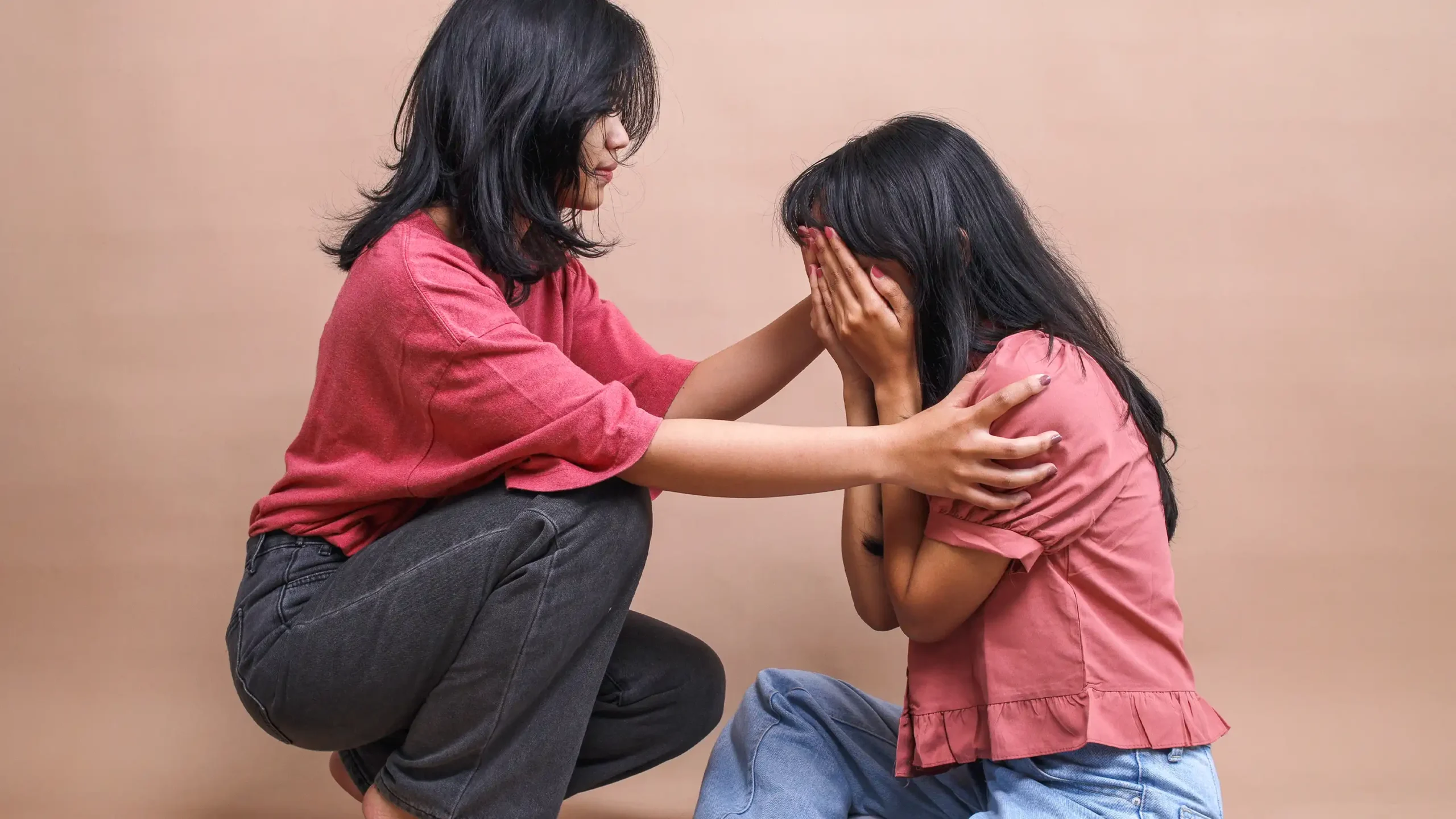
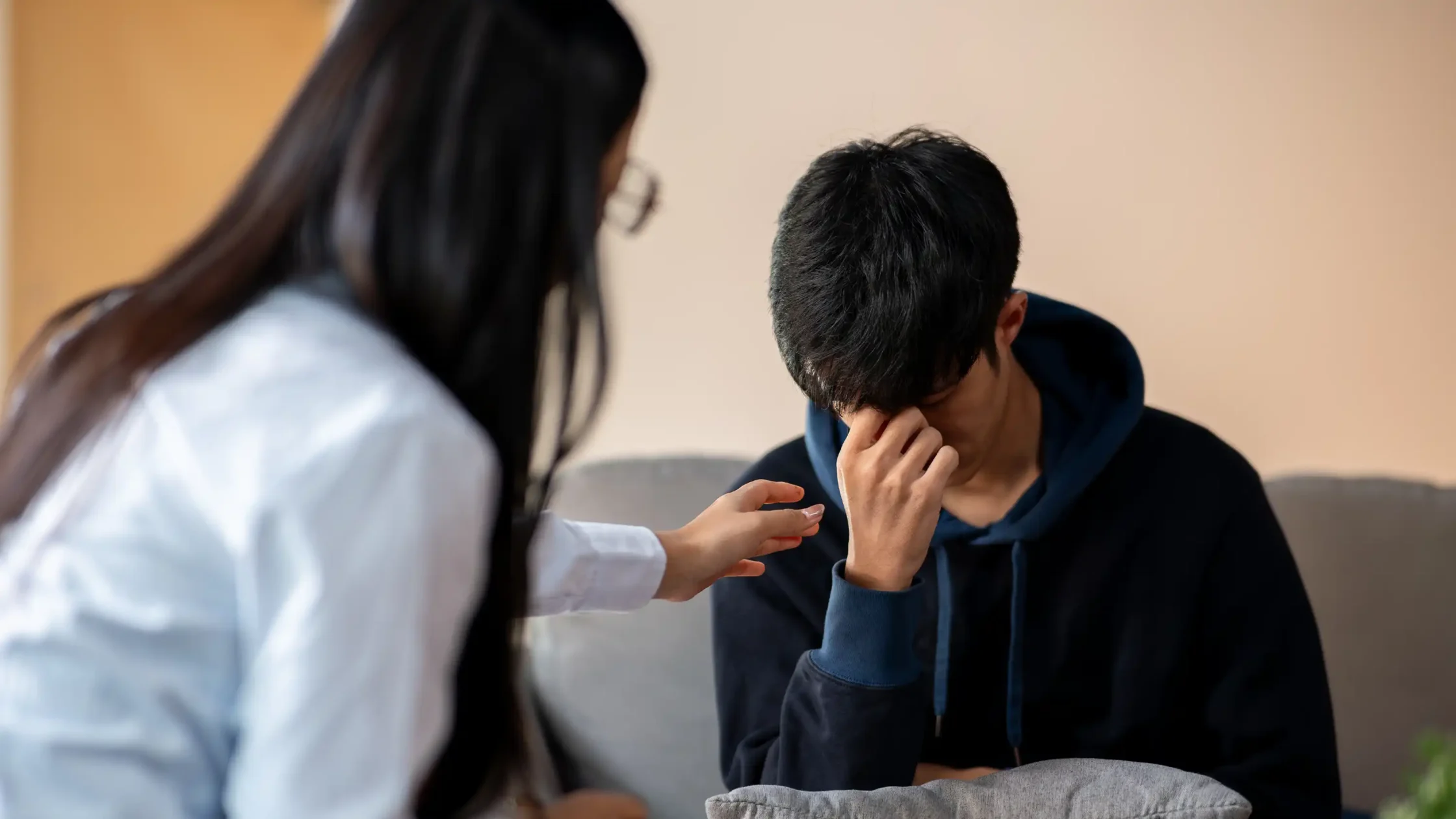
While awareness campaigns have become more common in recent years, many Filipinos still hesitate to seek professional help out of fear of being labeled “crazy,” weak, or spiritually lacking. In many households, mental healthMental HealthA person's emotional, psychological, and social well-being, which affects how children and parents think, feel, and cope. Open conversations, regular routines, and timely help from professionals make it easier for concerns are still dismissed with phrases like “kailangan mo lang magdasal” or “you just need faith,” despite growing evidence that mental illnesses require proper medical and psychological support.

What House Bill 9237 Says
According to the bill, there would be two packages offered. Members of PhilHealth and their dependents can choose between the basic package and the comprehensive package.
Basic Package
The basic package would cover six to 10 psychiatric consultations yearly, six or more therapy sessions, and a monthly medication subsidy. The standard package would also cover 10 to 15 psychiatric consultations, 12 or more therapy sessions, expanded medication coverage and access to psychological testing and diagnostics.
Comprehensive Package
The comprehensive package would provide psychiatric consultations wherein the number of which shall be determined by PhilHealth. That, and at least twenty (20) therapy sessions, full or substantially expanded medication support, rehabilitation and other necessary mental healthMental HealthA person's emotional, psychological, and social well-being, which affects how children and parents think, feel, and cope. Open conversations, regular routines, and timely help from professionals make it easier for services.
The Reality of Mental Health in the Philippines
For many families, mental healthcare is not a one-time expense but long-term maintenance. Conditions such as schizophrenia, bipolar disorder, anxiety, and depression often require continuous consultations, prescriptions, and monitoring. Medicines alone can already cost thousands of pesos monthly, especially for branded maintenance drugs and anti-anxiety medication.
Even hospitals that provide free or subsidized medicine often still require prescriptions and psychiatric evaluations, which come with their own costs. For low-income Filipinos, this creates a cycle where treatment becomes financially impossible.
The stigma also extends beyond the home. In many workplaces, younger employees still fear discussing mental healthMental HealthA person's emotional, psychological, and social well-being, which affects how children and parents think, feel, and cope. Open conversations, regular routines, and timely help from professionals make it easier for concerns because of being perceived as “too sensitive” or unable to handle pressure. As a result, many choose silence over support.
Outside Metro Manila, access becomes even harder. Poor internet connectivity, limited specialists, and distance from healthcare facilities make mental healthcare difficult for Filipinos living in provinces and far-flung areas. A digitized voucher system may help urban communities first, but experts and advocates alike warn that implementation must also consider infrastructure gaps across the country.
What the Mental Health Vouchers Hope to Answer
The proposed voucher system hopes to ease some of the financial burden by helping Filipinos afford consultations, therapy, and medication. Advocates believe the program could encourage more people to seek professional help earlier rather than relying on self-medication or ignoring symptoms altogether.
However, questions remain about sustainability. Psychiatrists and psychologists must also be properly compensated if the system is expected to succeed long-term. Mental healthMental HealthA person's emotional, psychological, and social well-being, which affects how children and parents think, feel, and cope. Open conversations, regular routines, and timely help from professionals make it easier for professionals, after all, cannot continue offering services without reliable institutional support.
Many are also calling for mental healthcare to become more integrated into existing HMO coverage and healthcare policies. Doing so could normalize mental wellness maintenance the same way Filipinos already treat physical illnesses and annual checkups.
A Call to Make Mental Health Wellness Maintenance Normal
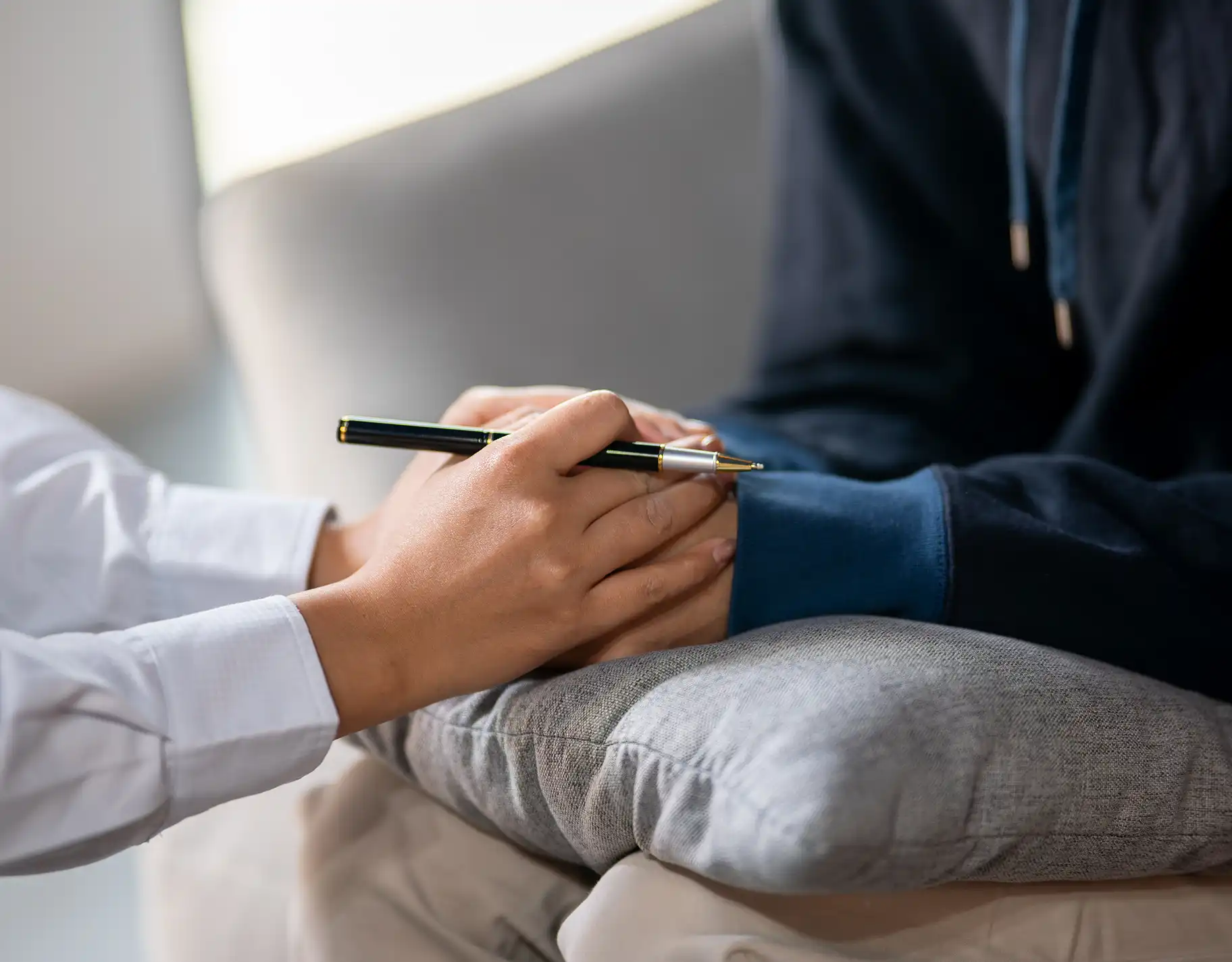
Mental healthMental HealthA person's emotional, psychological, and social well-being, which affects how children and parents think, feel, and cope. Open conversations, regular routines, and timely help from professionals make it easier for should not be treated as a family embarrassment or a private moral failure. Like physical illness, it requires care, consistency, and support. Parents, workplaces, schools, and communities all play a role in shaping how Filipinos respond to mental illness.
If the proposed voucher system pushes through, advocates hope it becomes more than just another government program. They hope it becomes a step toward making mental healthcare accessible, sustainable, and free from shame.
Because for many Filipinos, the hardest part was never admitting they needed help. It was fearing how others would react once they did.
Frequently Asked Questions
The proposed system aims to help low- and middle-income Filipinos afford psychiatric consultations, therapy sessions, and mental health medication through government-supported vouchers.
The proposal has been pushed by Ilocos Norte Representative Sandro Marcos as part of broader discussions on improving mental healthcare access.
Mental healthcare often involves recurring consultations, prescriptions, therapy, and maintenance medication, which can cost thousands of pesos monthly.
Stigma, financial strain, fear of judgment, and cultural beliefs surrounding mental illness often discourage Filipinos from seeking professional help.
Advocates say mental healthcare should be integrated into HMOs, workplace wellness programs, and public healthcare policies to make access more normal and sustainable.
More about mental healthcare for families?
Truths About Seeking Mental Health Help