Why Girls Are Being Kept Out of Classrooms, And It’s Not Just Poverty



As millions of Filipino students return to school this June, not all girls make it back, and not all who return are truly present.
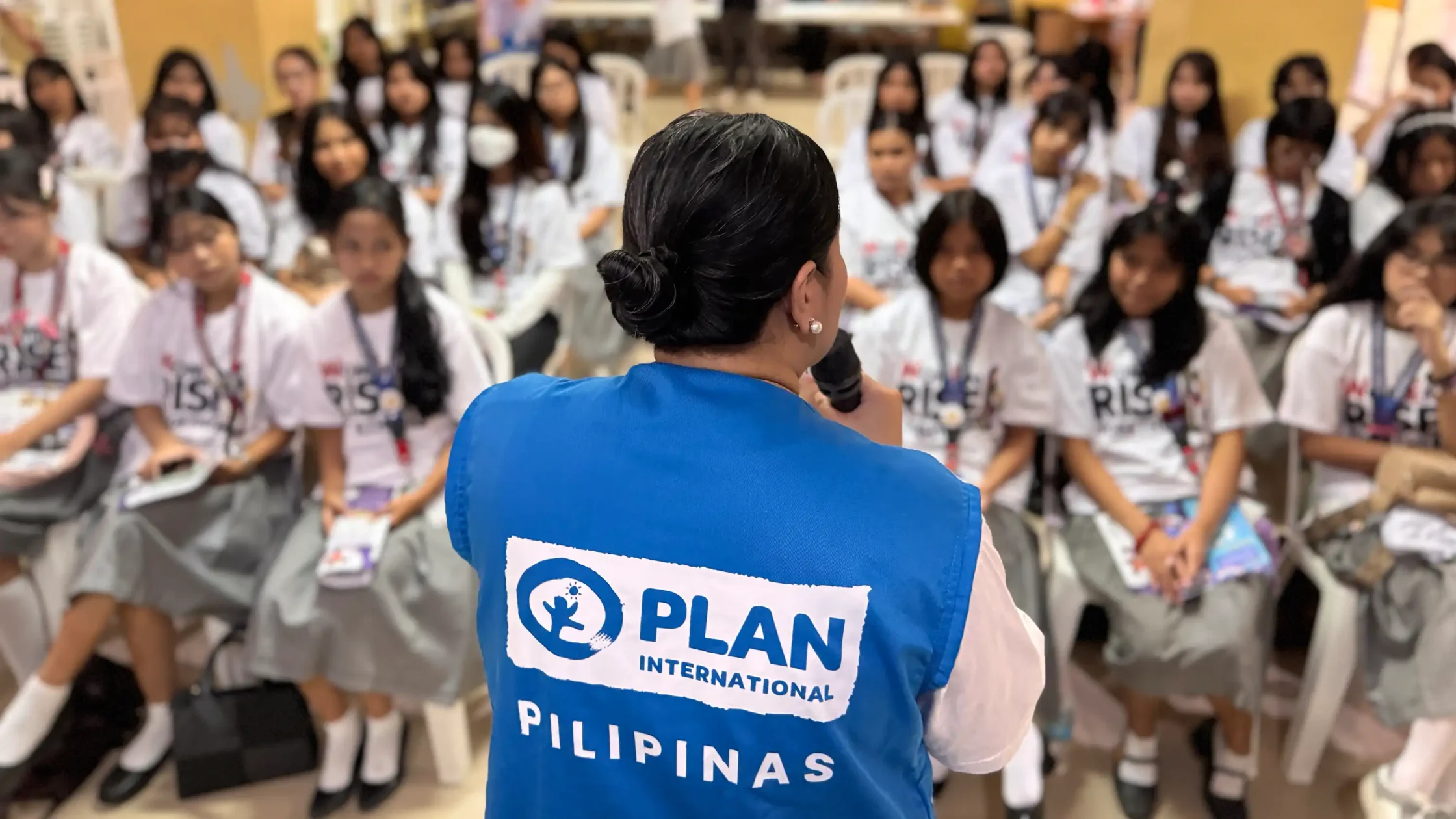
According to Plan International Pilipinas, the reasons are not hidden in plain sight—but hidden in plain conversation. Period poverty, unpaid domestic labor, and teenage pregnancy continue to push girls out of classrooms. But beneath these issues lies something even more invisible: the way families talk—or fail to talk—about them.
Because sometimes, what keeps a girl out of school is not just circumstance. It is silence.
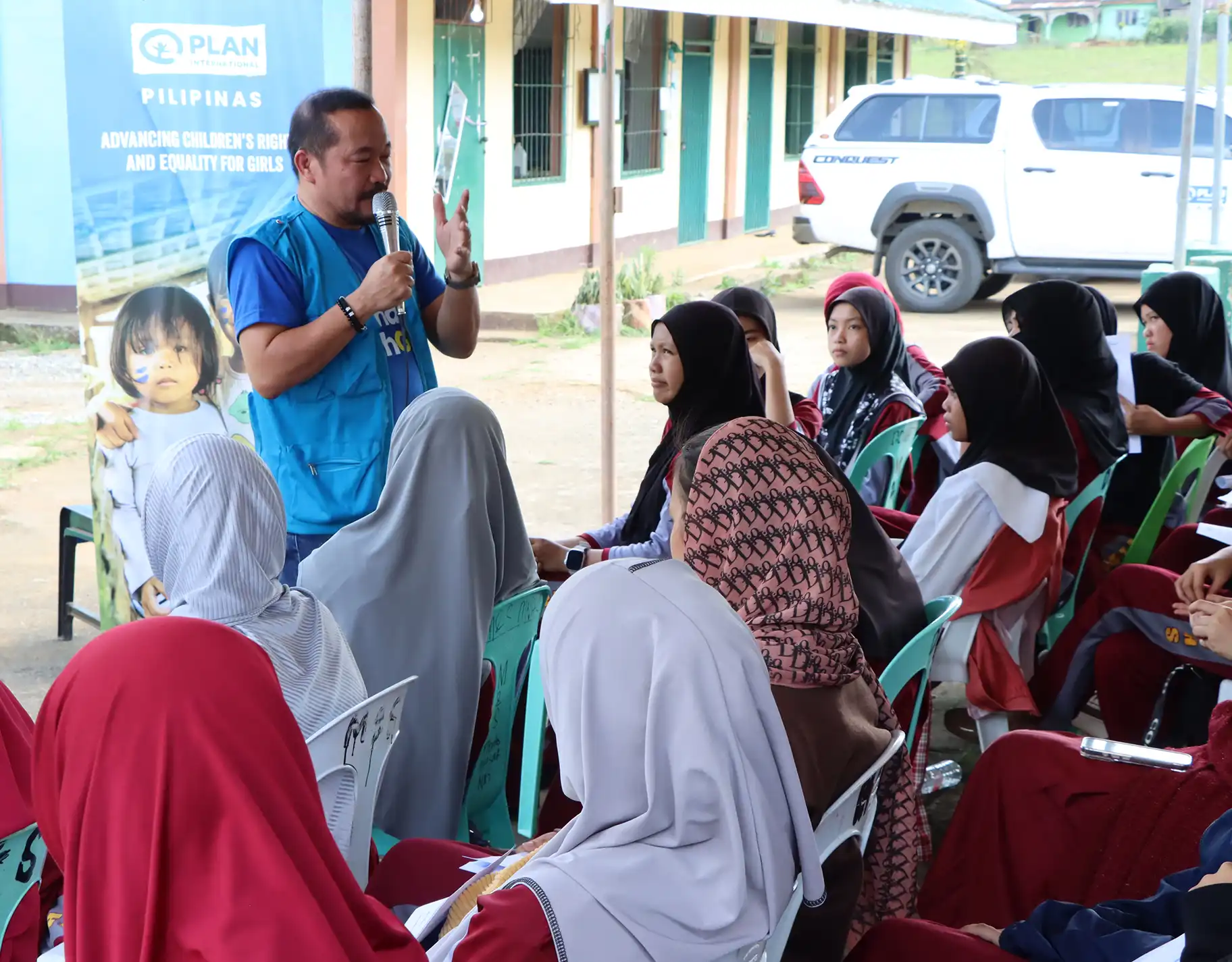
The Real Barriers Keeping Girls Out of School
What is often labeled as bullyingBullyingRepeated, intentional harm toward another child through words, actions, exclusion, or online posts. Parents can help by listening without blame, documenting incidents, talking with the school, and reminding their child is, for many Filipino girls, a surface-level explanation for deeper, more systemic issues—especially stigma around menstruation. Around 8% of girls have reportedly missed school due to their period, with broader studies from Plan International Pilipinas and BBC Media Action highlighting how teasing, exclusion, and shame remain common. Beneath this are practical struggles like lack of menstrual products, painful symptoms, and fear of embarrassment, all of which normalize absence over time when shame becomes part of the school experience.
At the same time, many girls carry responsibilities that never appear on school records. Unpaid domestic and caregiving work can take up hours each day, creating an ongoing trade-off between education and household survival. As shown in Plan International’s Real Choices, Real Lives study, this invisible labor not only affects academic performance but also reshapes what families come to see as realistic or necessary for a girl’s future.
Compounding these pressures is the continued reality of teenage pregnancy. With over 138,000 live births among females aged 10 to 19 in 2024, and thousands involving younger adolescents, the disruption to education is significant. Yet behind the numbers is a recurring gap in access to accurate, age-appropriate reproductive health information—often leaving young people to navigate complex realities without guidance until consequences have already unfolded.
Together, these barriers reveal a pattern: girls are not only being pulled out of classrooms by circumstance, but also by stigma, silence, and systems that fail to fully prepare or protect them.
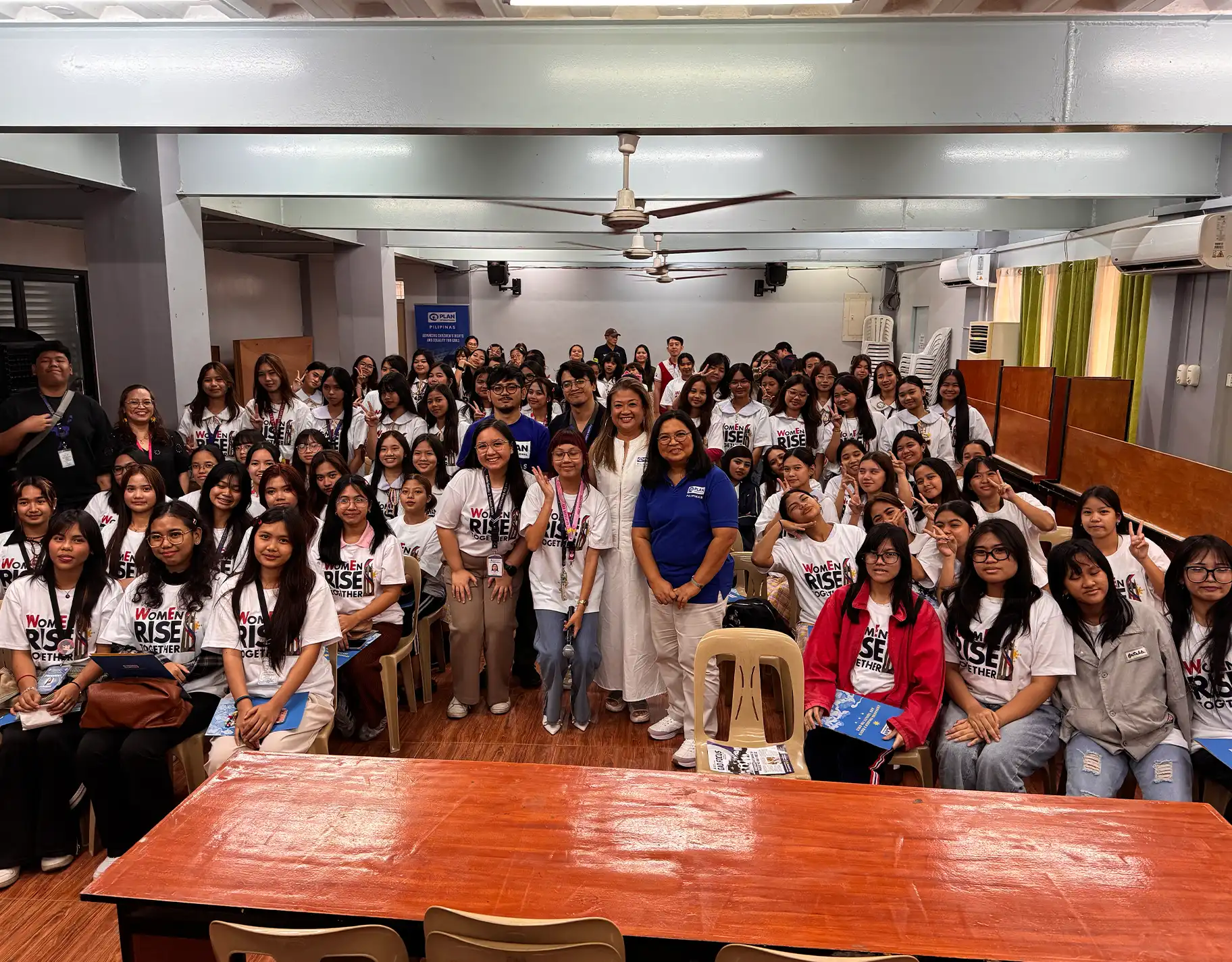
The Barrier Beneath the Barriers: Communication
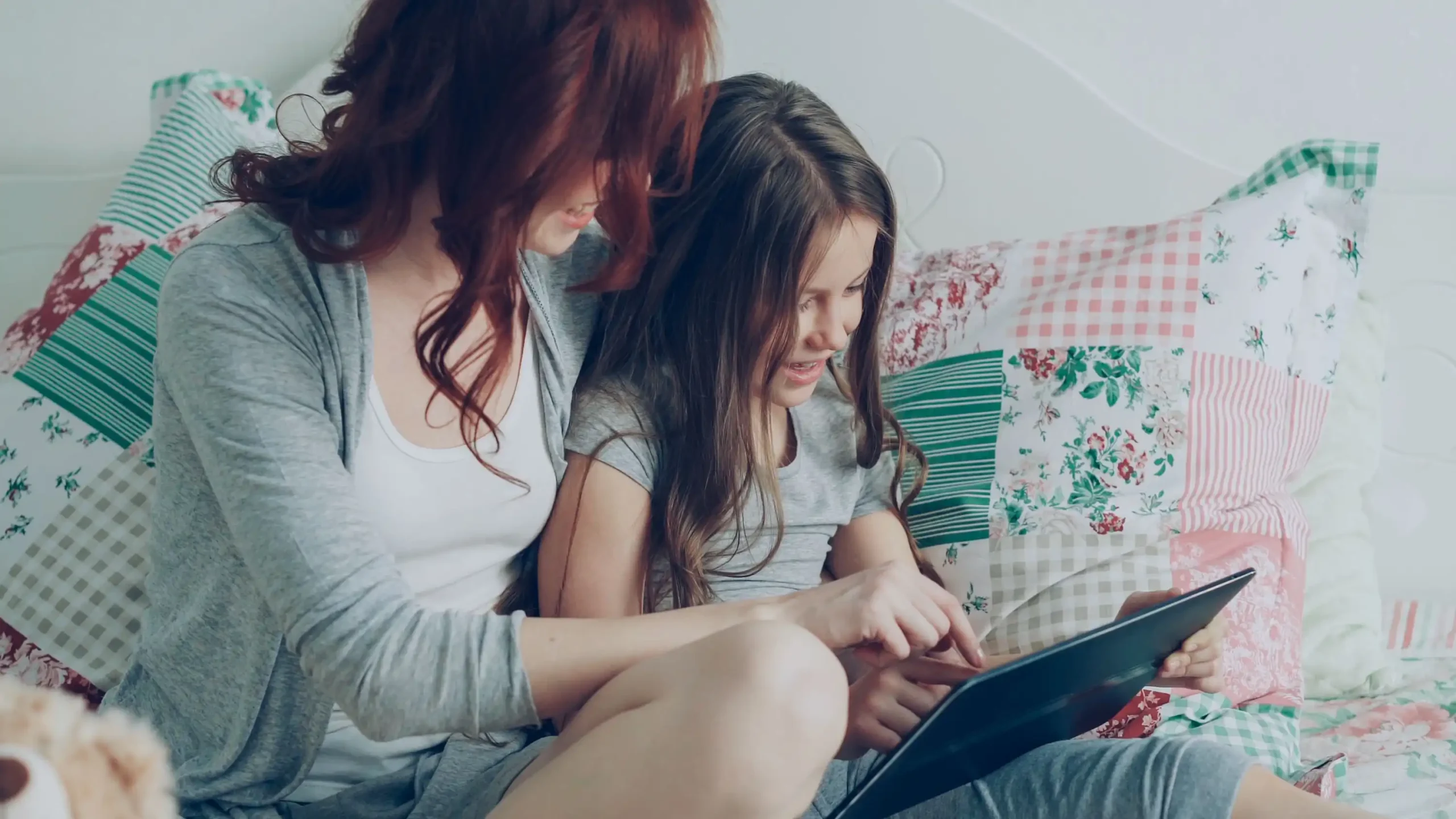
Beyond period poverty, unpaid labor, and teenage pregnancy lies a quieter, often overlooked issue: the lack of sustained, honest communication within families. Many parents intend to protect their children, but that protection can slip into avoidance, where sensitive topics are reduced to short warnings or slogans instead of real guidance. In those gaps, girls often turn to peers, social media, or the internet for answers—sources that are not always accurate or safe.
When shame replaces open conversation at home, silence becomes the default language, and understanding is left unfinished. Even with tools and programs that provide information, knowledge only becomes truly useful when it is reinforced through dialogue. Without that, information remains fragile and easily misinterpreted.
For parents who assume their daughters are unaffected simply because they are still in school, the reality is that disengagement often builds slowly. Small moments of bullyingBullyingRepeated, intentional harm toward another child through words, actions, exclusion, or online posts. Parents can help by listening without blame, documenting incidents, talking with the school, and reminding their child, confusion, or unanswered questions accumulate until absence becomes the outcome.
As Plan International Pilipinas and partners like UNICEF Philippines continue to promote tools such as the Oky Period Tracker App, we also have to do our part: when there are tools, conversation must follow.
Because when home doesn’t offer clear answers, girls will continue searching elsewhere—and that’s probably scarier.
A Hard but Necessary Responsibility
There is no single group responsible for solving this.
Parents, schools, government agencies, communities, religious institutions, even peers—all carry a part of the weight.
Schools must create safe spaces where difficult topics are not shamed. Government systems must ensure access to resources and education. Communities must be careful not to turn biological realities into moral failures. Boys and male classmates must also be included in understanding what girls experience, not as observers, but as future partners, colleagues, and citizens.
But at the center of it all is one uncomfortable truth: silence is also a decision.
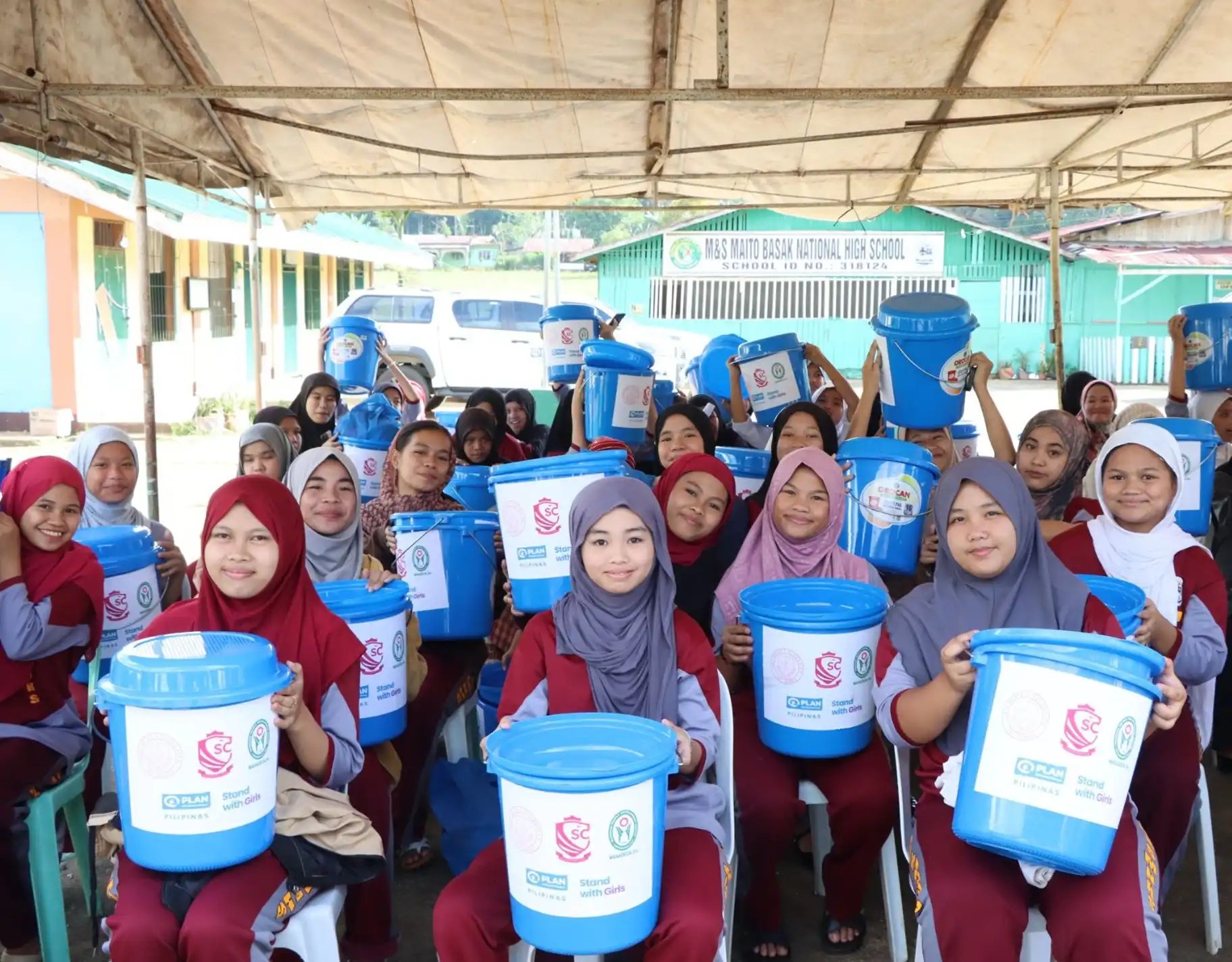
The One Thing That Changes Everything
So, if there’s one thing parents need to take away from all this: honesty is the best policy and probably the most protective force alive.
Be willing to talk—clearly, directly, without over-editing reality for comfort. Children are more capable of handling honesty than adults often assume. Yes, it will feel awkward. Yes, there will be questions you are not ready for. That is not a failure. That is the beginning of learning.
And if you do not know the answer? Say it. Look it up together. Talk again tomorrow.
Because what keeps girls in school is not only policies or programs.
It is whether, at home, they are allowed to speak about the very things shaping their bodies, their safety, and their future—without fear, and without silence.
And sometimes, the most radical form of protection is saying it out loud.
Frequently Asked Questions
According to Plan International Pilipinas, girls miss school due to period-related stigma, unpaid domestic work, teenage pregnancy, and lack of access to proper support systems at home and in school.
Bullying is often just the execution. Many cases are tied to deeper issues like menstrual stigma, shame, and social exclusion related to biological changes and misinformation.
Some girls skip school due to lack of menstrual products, painful symptoms, and fear of embarrassment or teasing, which can build into repeated absences over time.
Many girls spend hours daily on household responsibilities, leaving less time for schoolwork. In some families, this creates a trade-off between education and survival needs.
Parents shape how girls understand these challenges. When conversations are avoided or oversimplified, girls often seek answers elsewhere—sometimes without reliable guidance.
More about women’s health?
Period Pain: “It’s not just hormones!”
7 Essentials To Keep In Your Period Kit
Moms to their daughters: “We need to talk PERIOD”