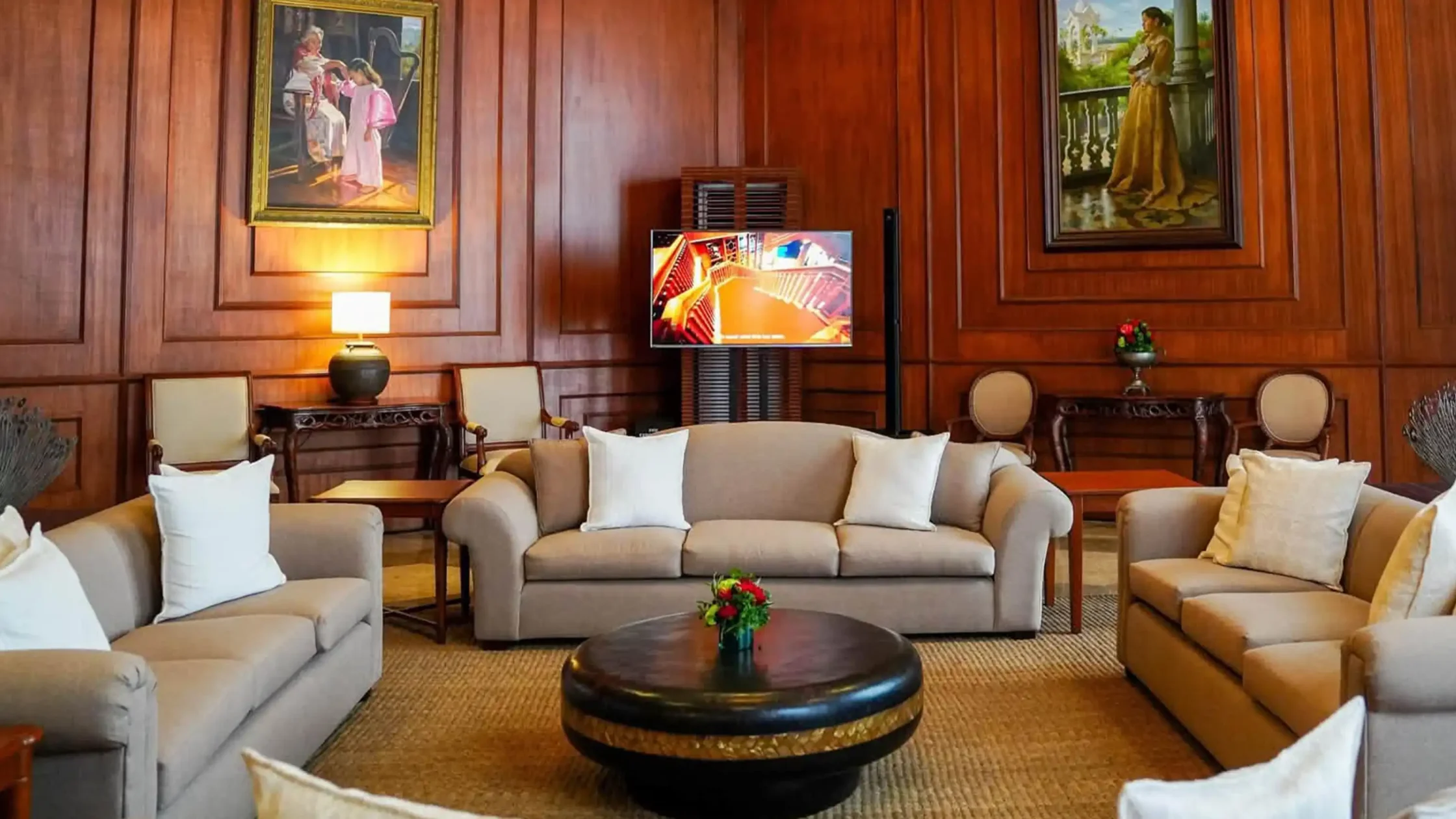
Coconut Palace Reopens: A Family-Friendly Heritage Destination in Pasay City



After its renovation, the Coconut Palace has reopened its doors. Here’s what you can check out
The Coconut Palace (Tahanang Pilipino) in Pasay City reopened to the public on Aug. 25, 2026, offering families a chance to explore one of the Philippines most celebrated landmarks of Filipino tropical architecture and cultural heritage.
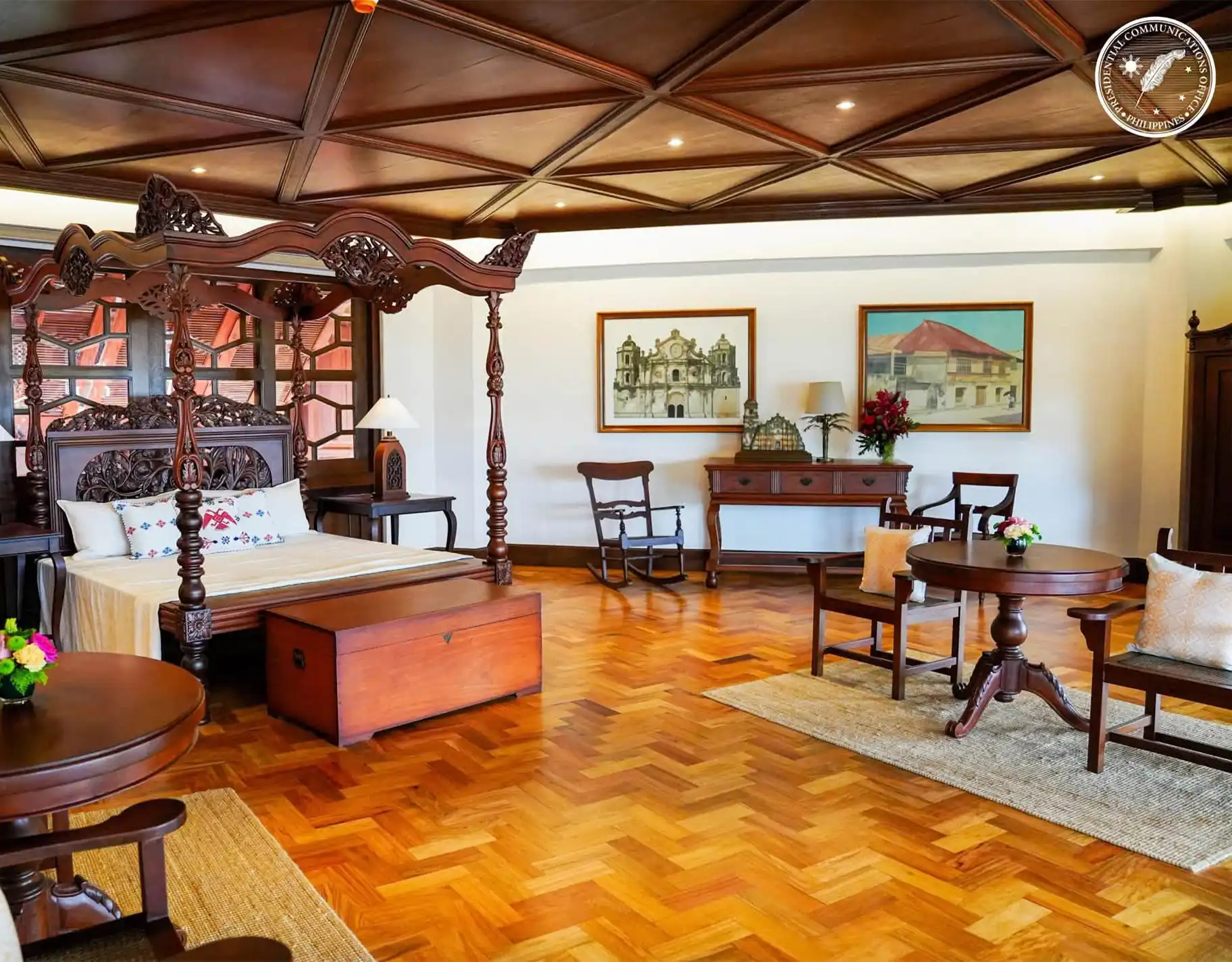
A Showcase of Filipino Tropical Architecture
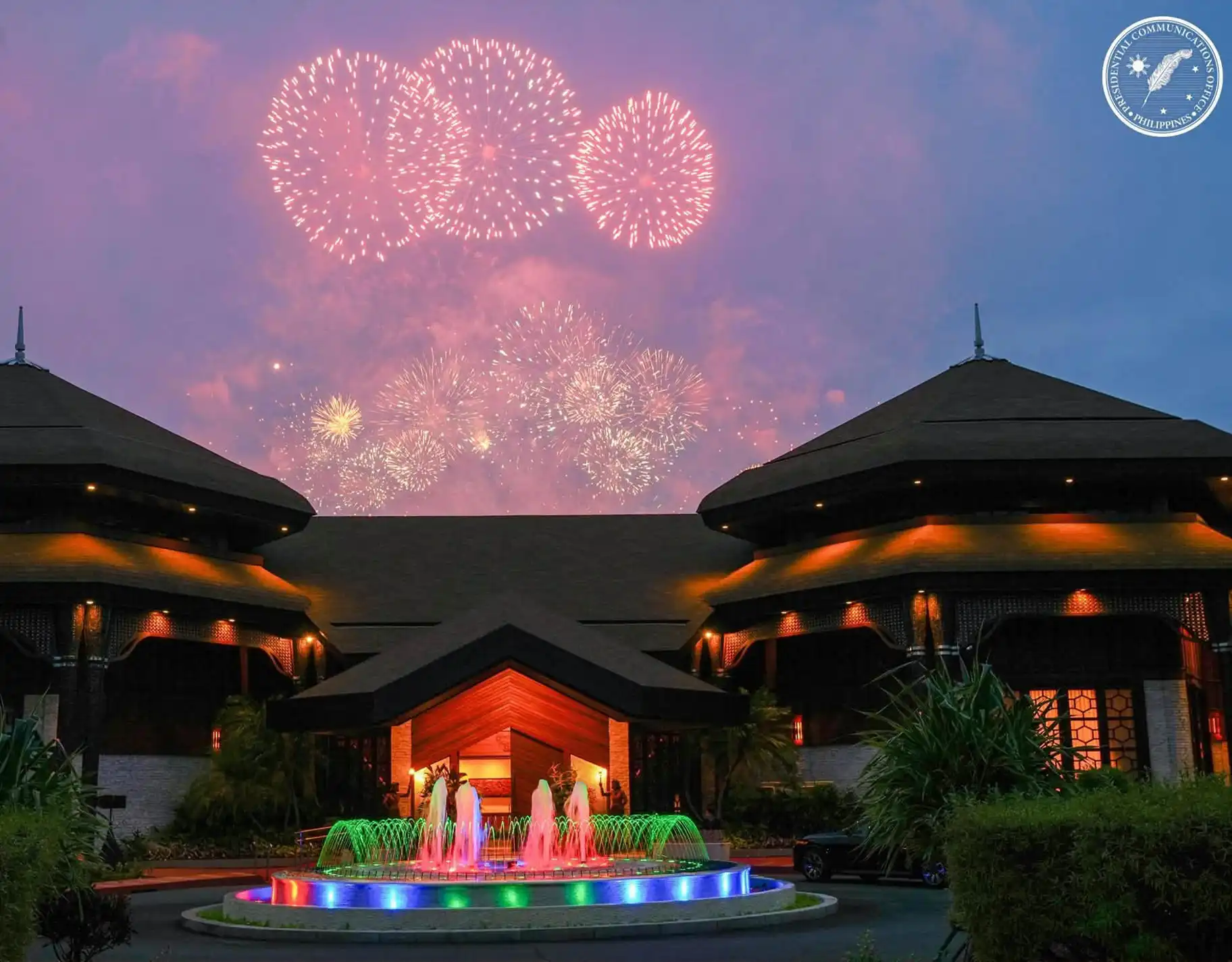
Set within the Cultural Center of the Philippines (CCP) Complex, the Coconut Palace is a nationally recognized example of Filipino tropical architecture designed by National Artist for Architecture Francisco “Bobby” Mañosa. Commissioned in 1978 by then First Lady Imelda R. Marcos as a government guest house, it was built to highlight Filipino craftsmanship and the versatility of coconut as a sustainable construction material. It has hosted distinguished guests, including Pope John Paul II during his 1981 visit, and remains one of the country’s most notable heritage and tourism landmarks.
The structure is renowned for its innovative use of coconut lumber, shells, roots, fibers, and other indigenous materials, embodying sustainable design while promoting locally sourced resources. Its reopening follows extensive restoration in preparation for the 49th ASEAN Leaders’ Summit in November 2026, with reports citing a P200 million renovation spearheaded by First Lady Liza Araneta-Marcos.
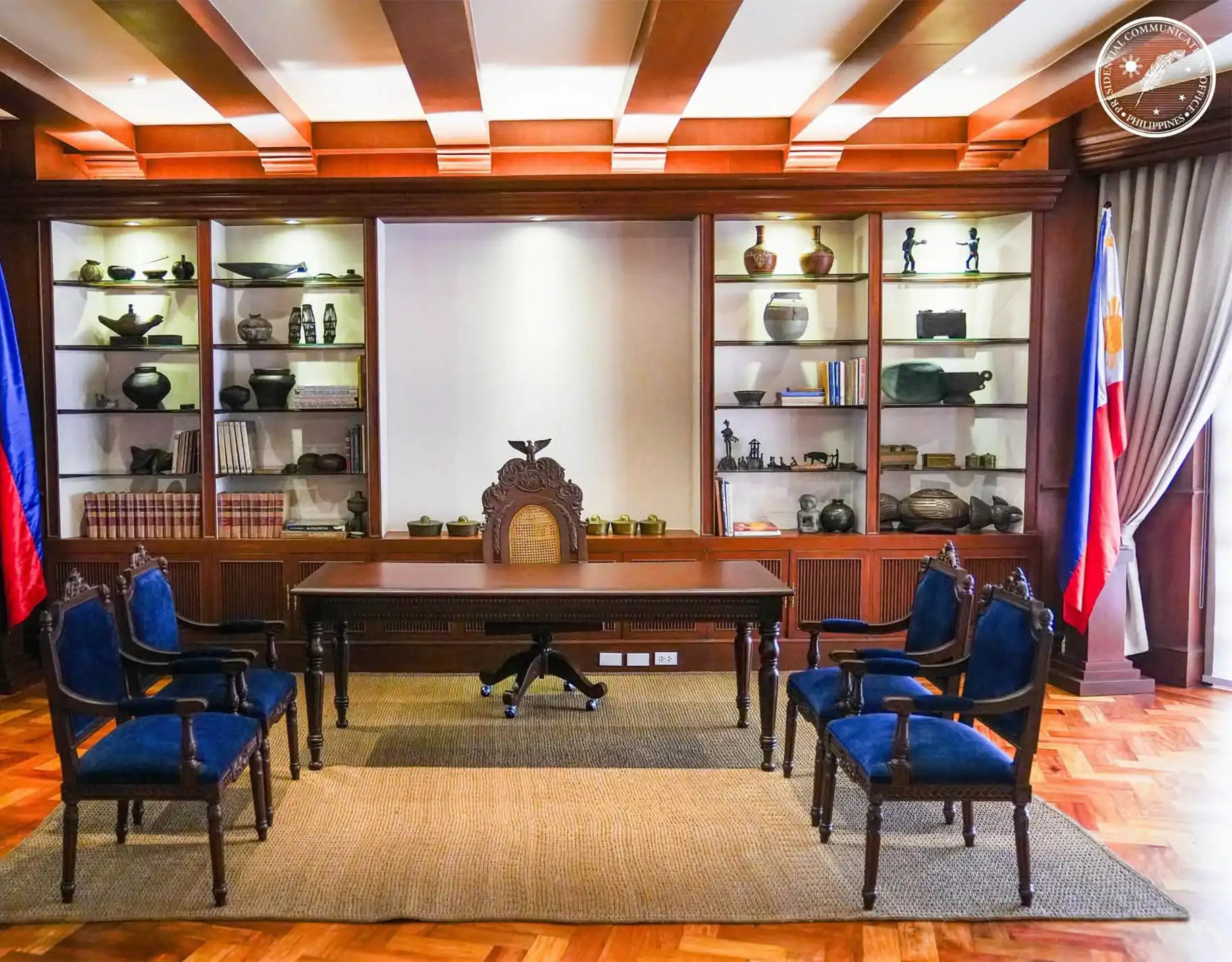
Family-Friendly Heritage Experience
Timed during National Coconut Week (Aug. 24-30), the Coconut Palace offers a meaningful, family-friendly destination where parents and children can explore Filipino identity through architecture and design. Visitors can tour meticulously crafted interiors, learn about indigenous materials and appreciate how traditional craftsmanship translates into a world-class venue. The palace is envisioned as a dynamic space for cultural programs, educational activities, tourism initiatives and events that highlight Filipino artistry and innovation.
Reaffirming Cultural Pride
“The reopening of the Coconut Palace is more than the restoration of a historic landmark. It is an invitation for Filipinos and visitors alike to reconnect with our heritage, celebrate Filipino creativity, and appreciate the architectural and cultural legacy that continues to inspire generations,” said GSIS President and General Manager Jose Arnulfo ‘Wick’ Veloso.
“We look forward to welcoming the public back to the Coconut Palace and inspiring a new generation to discover, appreciate, and take pride in this enduring symbol of Filipino heritage,” Veloso added.
The reopening forms part of the government’s continuing commitment to safeguarding cultural treasures while creating opportunities for public engagement with historically significant sites. For those who want to visit and know updates on the Coconut Palace’s activities, log on to the GSIS website or follow GSIS through its official communication channels.
Frequently Asked Questions
The Coconut Palace reopened to the public on August 25, 2026
The Coconut Palace, also known as Tahanang Pilipino, is located within the Cultural Center of the Philippines (CCP) Complex in Pasay City.
The Coconut Palace was designed by National Artist for Architecture Francisco “Bobby” Mañosa.
The landmark is known for showcasing Filipino tropical architecture and its innovative use of indigenous materials, including coconut lumber, shells, roots, and fibers.
The palace underwent extensive restoration in preparation for the 49th ASEAN Leaders’ Summit in November 2026.
Filipino identity and culture
Bea Millan-Windorski in the Eyes of Her Mom Toni Millan
A Beautiful Homecoming: Valerie Pawid West On Culture, the Filipina Identity, and Family
Catriona Gray on Embracing the Filipino Identity