Don’t Lose Yourself: Why Every Lovegiver Needs Boundaries and Support


Caregiving should be a shared responsibility, not a solo marathon. Caregivers also need time for themselves
When a parent or family member is diagnosed with a severe illness like cancer, the entire family’s trajectory changes overnight. Roles shift instantly. You are no longer just a daughter, son, grandchild, or sibling—you become a full-time caregiver, or what many now warmly refer to as a lovegiver.
Lovegivers step up to tend to every need of their sick family members. In doing so, many set aside their own daily routines, careers, and personal lives. But giving everything to a loved one shouldn’t mean losing yourself in the process. Establishing clear boundaries and prioritizing self-care isn’t just helpful—it is vital.
Teaching Lovegivers to Prioritize Themselves
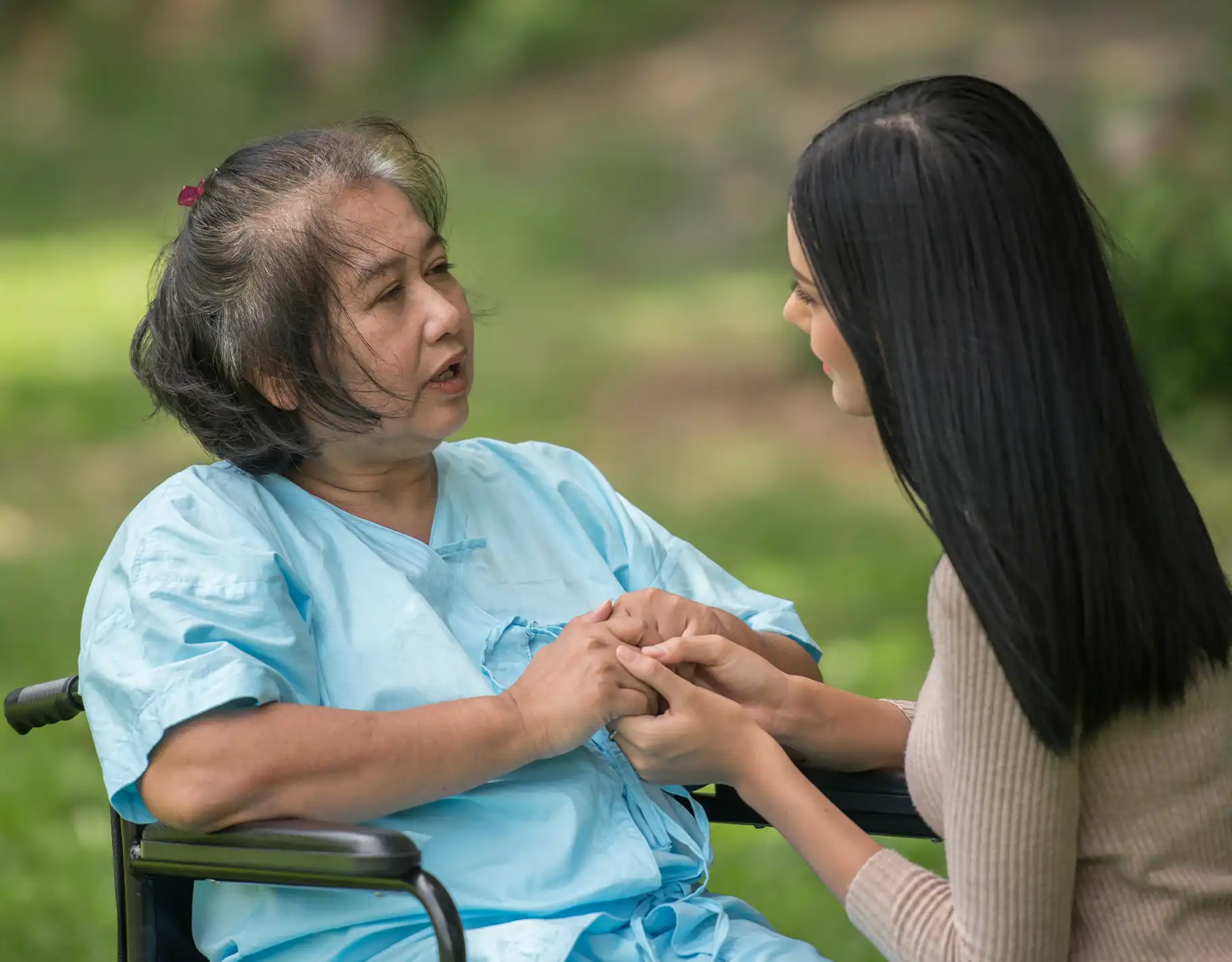
In an episode of Soulful Feasts hosted by Stephanie Zubiri, Charity Marahomesar—founder of the Better Days Wellbeing Center—shared how essential a lovegiver’s well-being is to the recovery and care of cancer patients.
“The hardest part is teaching them that they have needs, too, and that they have to take care of those needs,” Charity explained. “They have to do what anyone else would do: go out, physically remove themselves from the space where the patient is, and take time for themselves.”
Charity emphasized that taking care of oneself before tending to others isn’t selfish; it’s the only sustainable way to keep providing care.
Avoiding Caregiver Burnout in Family Dynamics
Without clear communication and delegated roles, family dynamics can easily become unbalanced, leaving one person carrying a disproportionate share of the weight.
“Part of our advocacy is teaching lovegivers how to find time for themselves,” Charity noted.
Host Stephanie Zubiri, the youngest among her siblings, resonated deeply with the experience. Caring for parents in their 80s led her to realize the importance of asking for assistance. She eventually wrote to her siblings, asking them to step in and share the responsibility.
“This isn’t just for caregivers of cancer patients,” Stephanie said. “You need to speak up and ask for support, because the people around you will step up when they know what you need.”
To prevent burnout early on, Charity’s team encourages families to come together immediately following a new diagnosis to assign clear roles—such as designated leads for medical visits or fund management.
“We’re the ones who open the conversation and ask: who will manage the funds?” Charity explained. “Managing funds means not just raising money, but allocating it properly. If you don’t speak up, your family won’t know what support you need.”

Making Memories Today and Honoring Your Boundaries
Caregiving also highlights the reality of time. Charity urges children to cherish moments with their parents, regardless of whether a health crisis is present.
“The window we have with our parents is quite short,” Charity shared. “Let’s not wait for them to fall ill before we gather and rally behind each other. Enjoy making memories now, because at the end of the day, those memories are what remain.”
At the same time, Charity acknowledges that family relationships can be complex, making boundaries necessary—especially for those who may not be on the best terms with their relatives.
“What is important to you? When providing care, what is your boundary?” Charity asked, adding that every caregiver has the right to define their own limits.
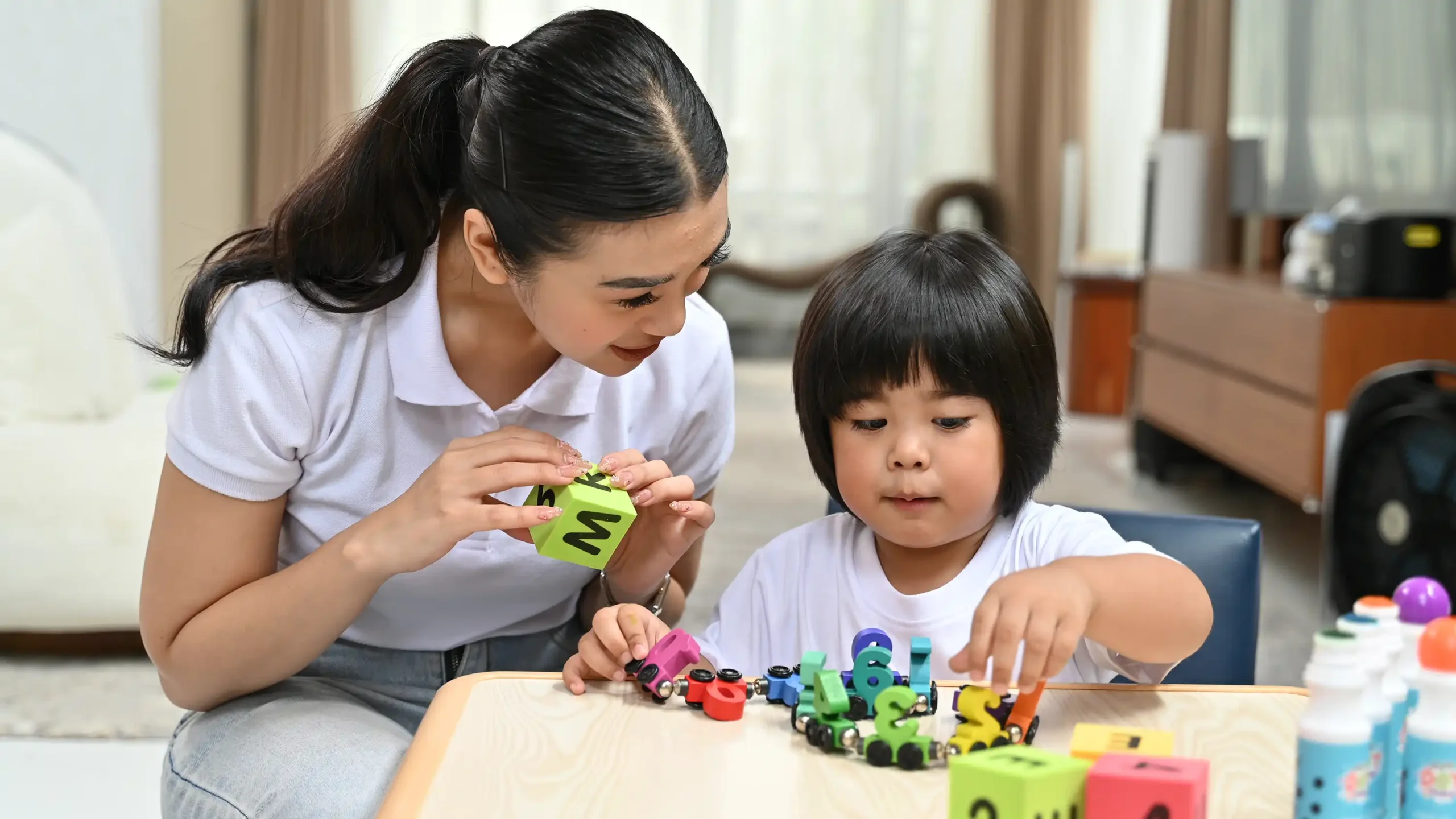
To all the lovegivers out there—whether you are supporting a parent battling cancer, a loved one with dementia, or a child with special needsSpecial NeedsA broad term for children with developmental, physical, learning, or behavioral differences who need extra support. Early assessment, therapy, inclusive schooling, and a loving family help each child reach their—you are allowed to feel exhausted, and you have every right to take time off. Remind yourself that you are doing your best, and remember that asking for care for yourself is just as important as giving it.
Frequently Asked Questions
A lovegiver is a family member or loved one—such as a child, parent, sibling, or partner—who steps in to provide emotional, physical, and administrative care for a family member battling an illness or condition.
Caregivers can protect their well-being by setting clear emotional boundaries, delegating tasks (such as managing funds or doctor visits) among other family members, step out of the caregiving space regularly, and taking dedicated time off without feeling guilty.
Families should sit down together early on to designate roles, discuss financial management, and ensure that caregiving responsibilities are shared equitably rather than falling on just one person.
More on caregivers and self-love
For the Tired but Loving: A Caregiver’s Reality Check
To the Caregivers Holding It All Together: This Is for You
Why Filipinos Willingly Care For Their Elderly Parents