Meaningful Undas Flowers Start at ₱100


A Wednesday walk through the Dangwa Flower Market shows what Undas flowers mean, which blooms families choose, and how much each one costs
Every November 1st, Filipino families bring more than candles, food, and prayers to the cemetery. They bring flowers: chrysanthemums, lilies, roses, and gladioli, set carefully before photographs and tombstones. Undas flowers are a quiet way of telling someone who has died that they are still seen, still loved, and still missed.
The short answer on cost: At Dangwa Flower Market in Manila, ready-made arrangements start at about ₱100. Roses start at ₱300 per bundle, and chrysanthemums start at ₱100.
What Do Flowers Mean During Undas?
Flowers have their own language, known as floriography. It became popular in the Victorian era, when people used blooms to say what social rules made hard to say aloud. At Undas, that language turns to remembrance.
The chrysanthemum is the most familiar choice. In many cultures, particularly across Europe and parts of Asia, it is tied to mourning, honor, and lasting memory. Its full, sturdy blooms hold up through the season’s heat and crowds.
White lilies say something different. They are linked to purity, peace, and the soul’s return to innocence, which makes them a fitting choice for families who feel both griefGriefThe deep sadness that follows the loss of a loved one, which children experience differently from adults. Parents can help by using honest, simple words, allowing tears and questions, keeping and hope at the same time.
Which Flowers Say What?
Other blooms carry their own meanings:
- Red roses: deep and enduring love
- White roses: reverence, innocence, and sincere remembrance
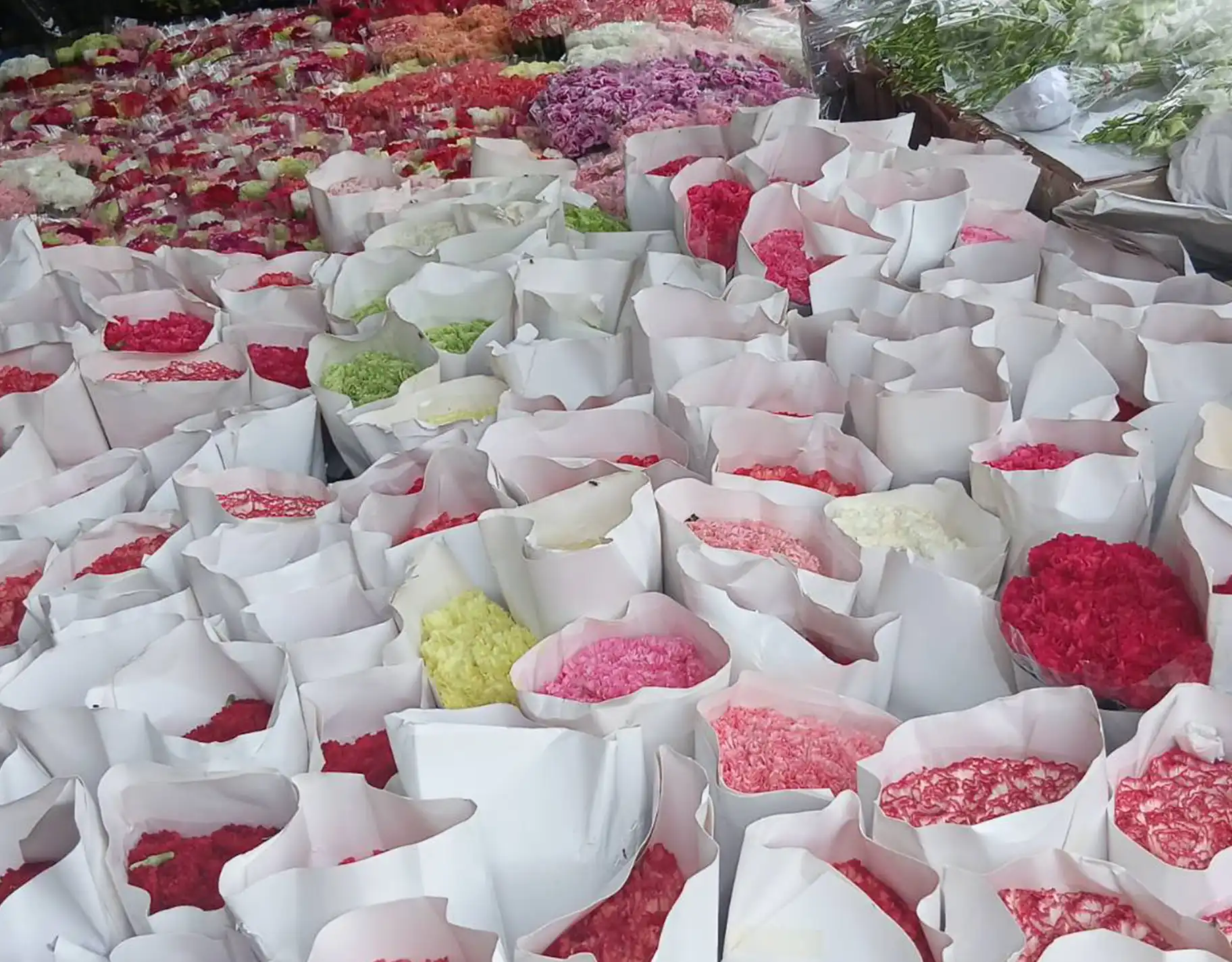
- Carnations: affection and remembrance; pink ones are often tied to a mother’s love
- Gladioli: strength of character and integrity
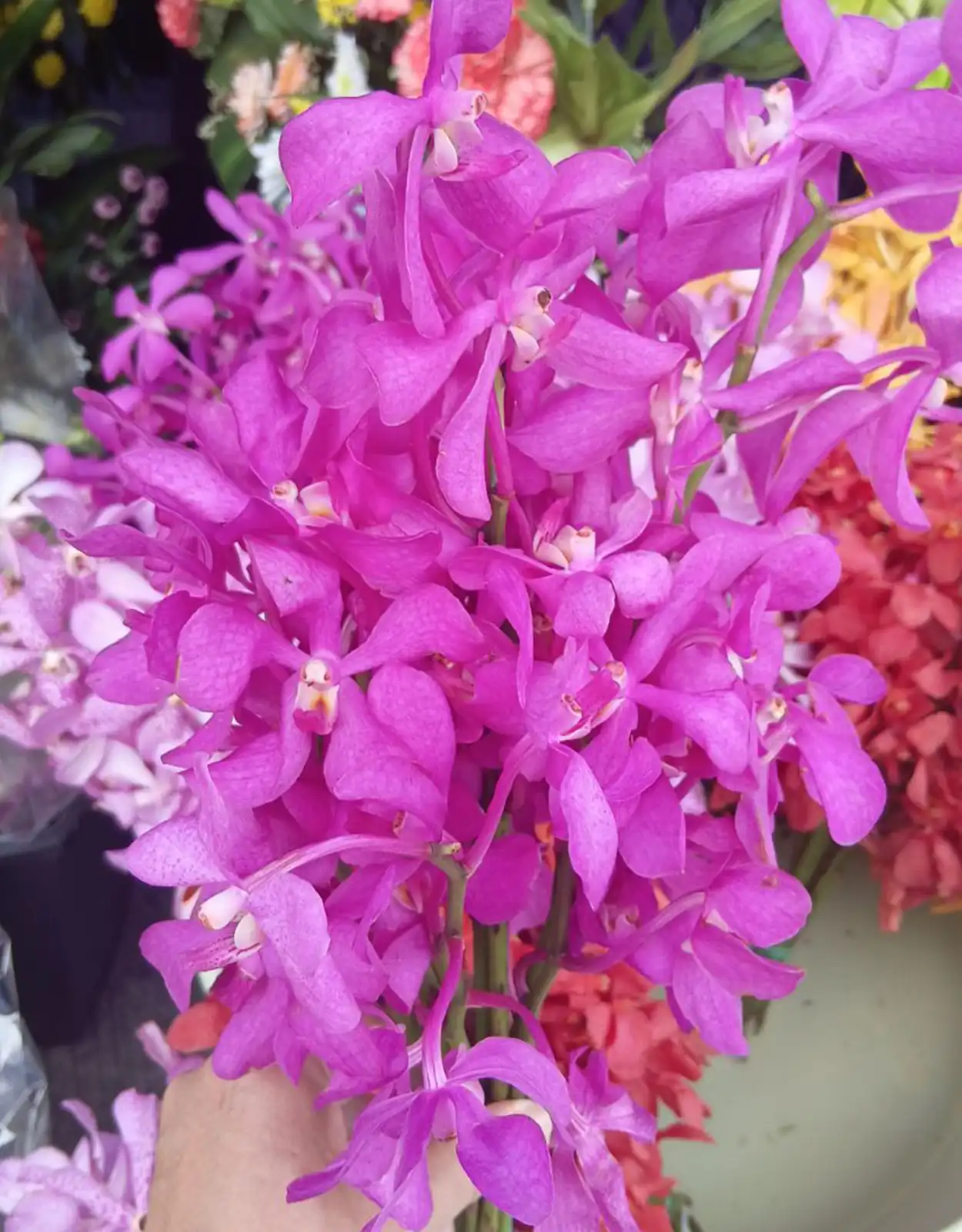
- Orchids: beauty, admiration, and lasting affection
There is no strict rule, though. A loved one’s favorite color can say more than any traditional arrangement. So can the flower that was always on Lola’s table. Children can help pick, too, which gives them an easy way to take part in remembering.
What is the Dangwa Flower Market?
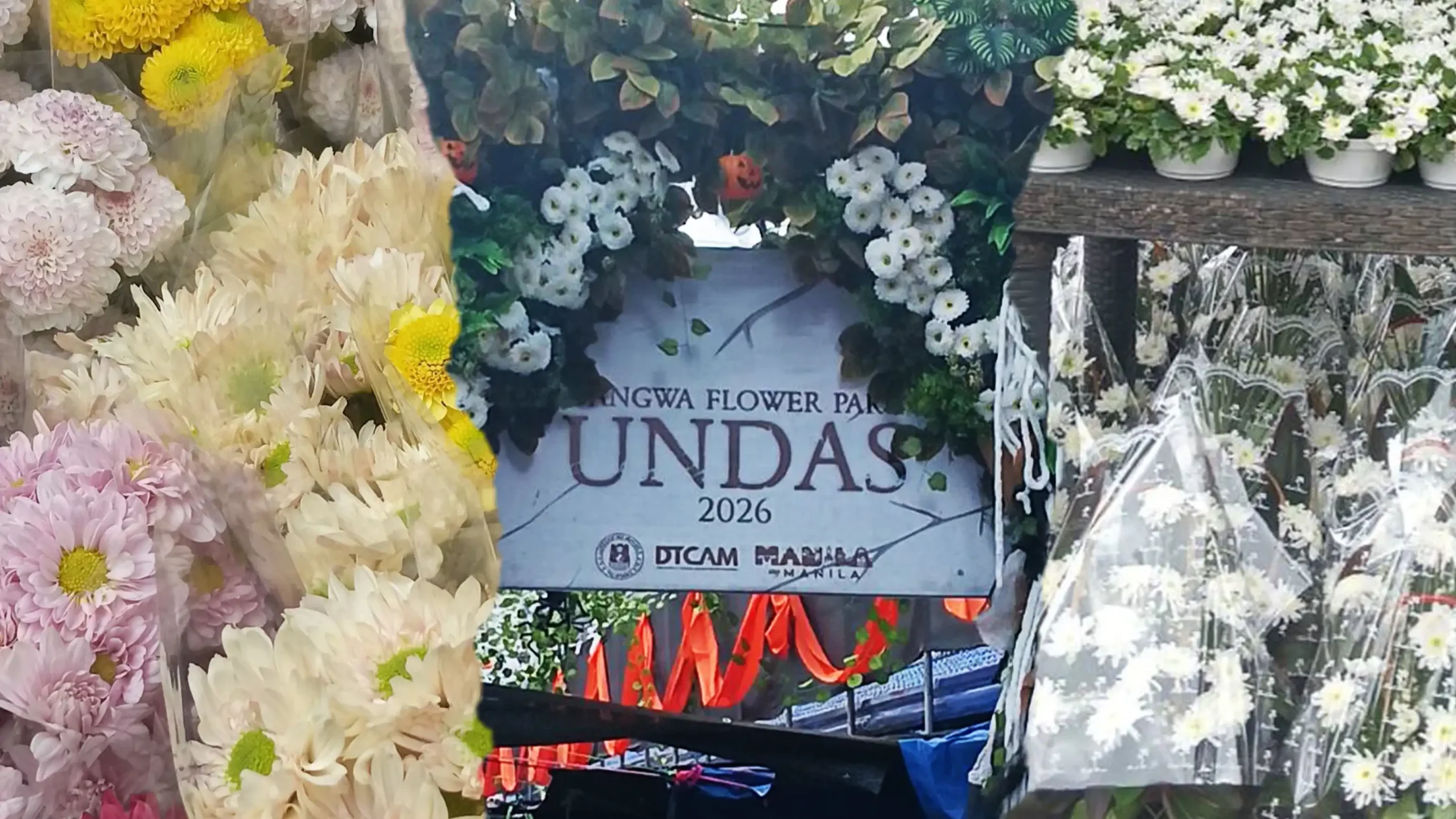
We visited Dangwa on Wednesday, Oct. 28, just days before Undas. The Sampaloc flower district was already busy. Vendors sorted bundles by color and size, wrapped bouquets in craft paper or clear plastic, and prepared wreaths and floral crosses.
Locals also call it the Bulaklakan ng Maynila. The name comes from the Dangwa Tranco bus terminal, which once carried produce, and later flowers, from Benguet down to Manila. What began as a drop-off point for highland blooms grew into one of the country’s busiest flower markets. Florists and families come from across Metro Manila.
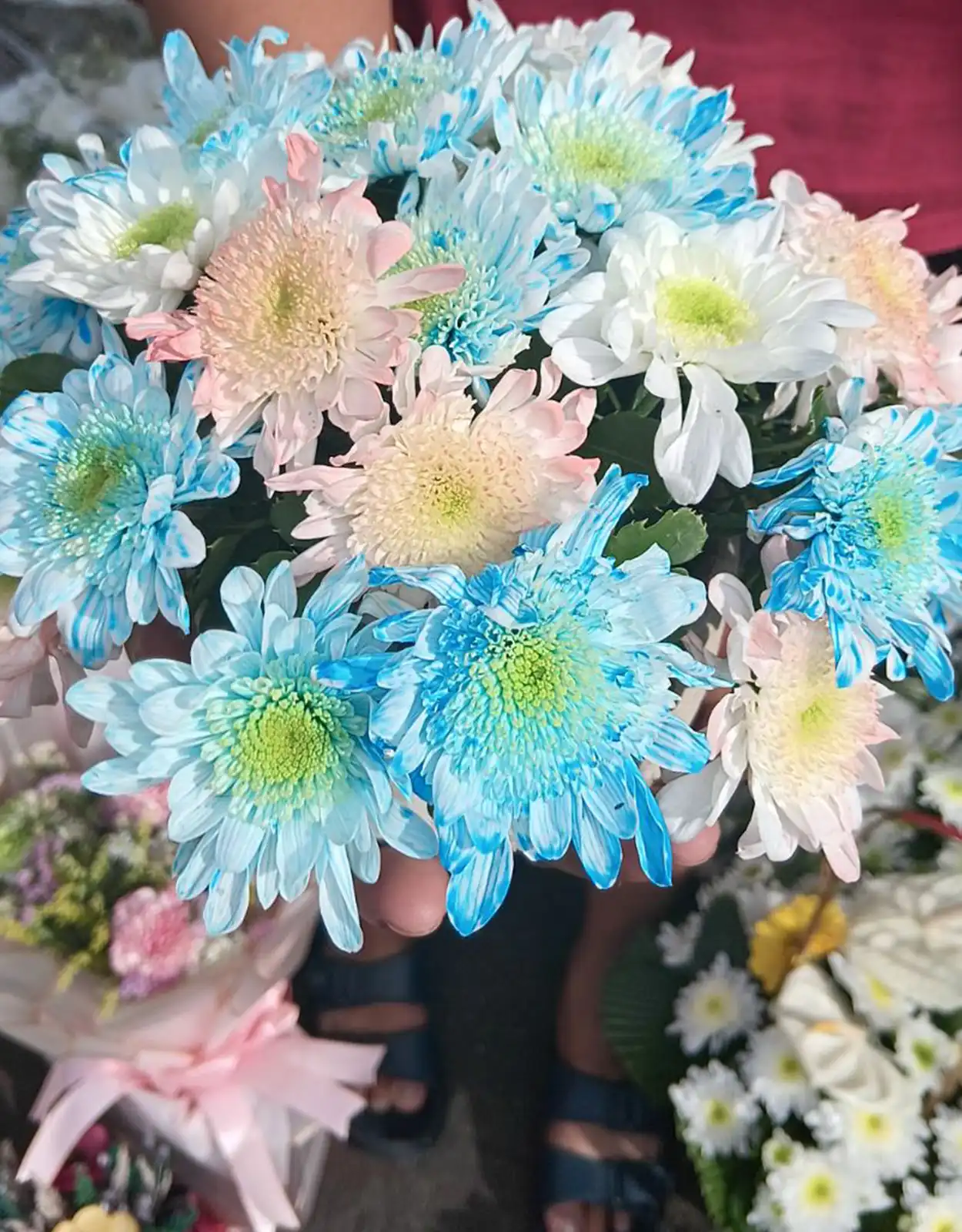
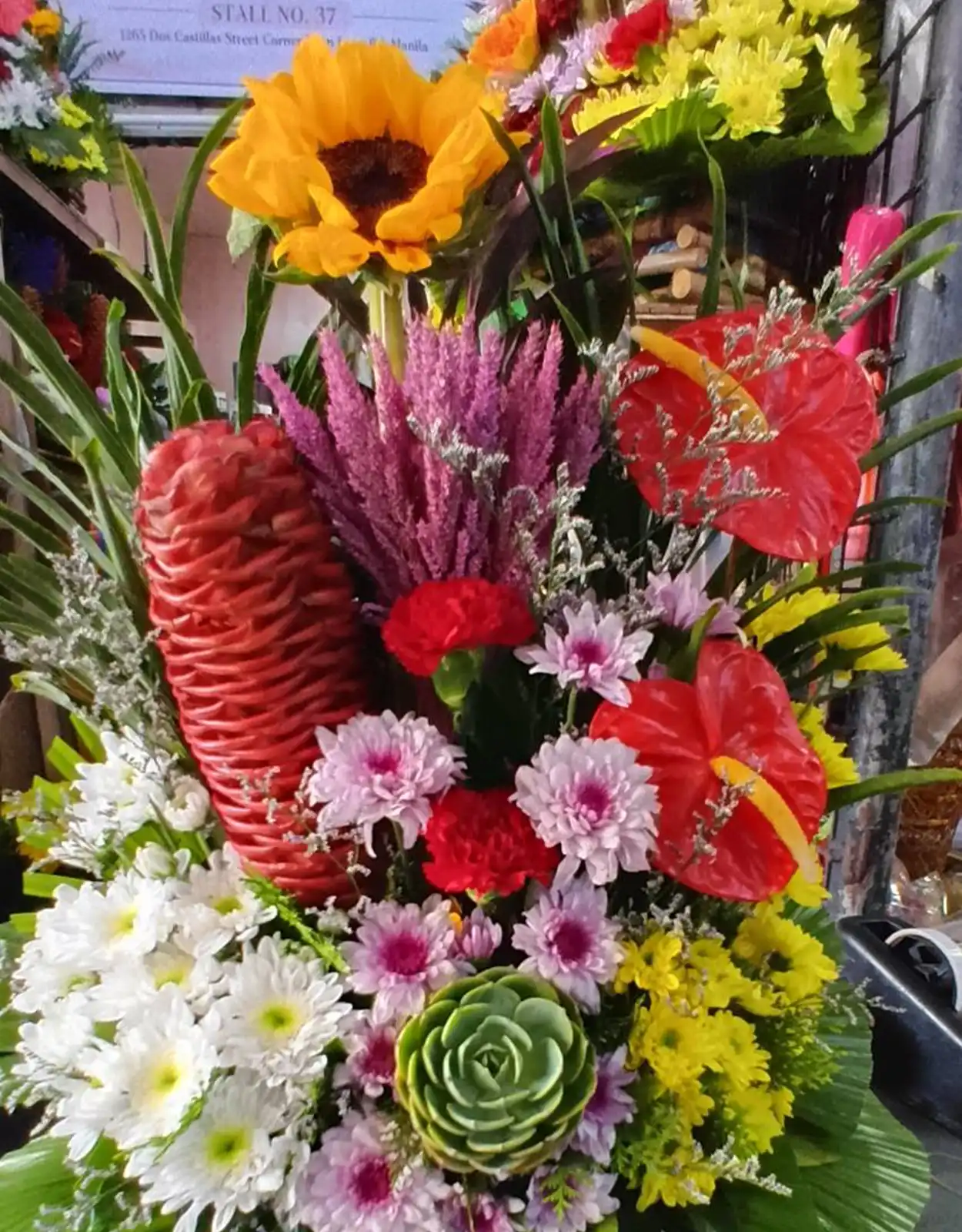
like this costs ₱750
How Much Do Flowers Cost at Dangwa?
A meaningful tribute doesn’t have to be expensive. Ready-made arrangements start at around ₱100, and the range runs from simple bouquets to larger displays. The biggest one we saw stood nearly 6 feet tall, with white lilies and orchids, and was priced at ₱2,000.
Buying by the bundle costs a bit more per stem but gives you more control. Roses start at ₱300 per bundle, and each bundle usually holds 10 to 12 stems. Chrysanthemums start at ₱100 per bundle, depending on size and color. Vendors often call them “radus,” so listen for the word as you walk the stalls. Orchids start at ₱850 per bundle, and accents such as button flowers start at ₱150.
For families who prefer to arrange their own flowers, native baskets with floral foam are available for as low as ₱50. They work well at home or at the cemetery, and children can add the last stems.
Note: Prices mentioned are accurate at the time of our visit
What Does a Bouquet Really Say?
At Dangwa, flowers are a business. For the families who buy them, they mean something more personal.
A chrysanthemum beside a photograph. A white lily against a tombstone. A bundle of carnations, chosen because they were once a favorite. Each one says what is hard to say aloud: we remember, and you are not forgotten.
Frequently Asked Questions
Dangwa is Manila’s best-known flower market. Its name comes from the Dangwa Tranco bus terminal, which once brought produce, and later flowers, from Benguet to the city.
“Radus” is what vendors call chrysanthemums.
There is no strict rule. Chrysanthemums, white lilies, roses, carnations, gladioli, and orchids are common choices. A loved one’s favorite flower or color can mean more than a traditional pick.
More on Flowers
How Filipinos Honor Undas: Remembering, Returning, and Remaining Close
More Than Just Roses: Flowers We Can Give on Valentine’s Day
Where To Buy Flowers Online in Manila: These Stores Deliver!