How Do We Keep Girls Safe?


At Girls Summit 2026 in Quezon City, young leaders shared how to keep girls safe at school, at home, and online
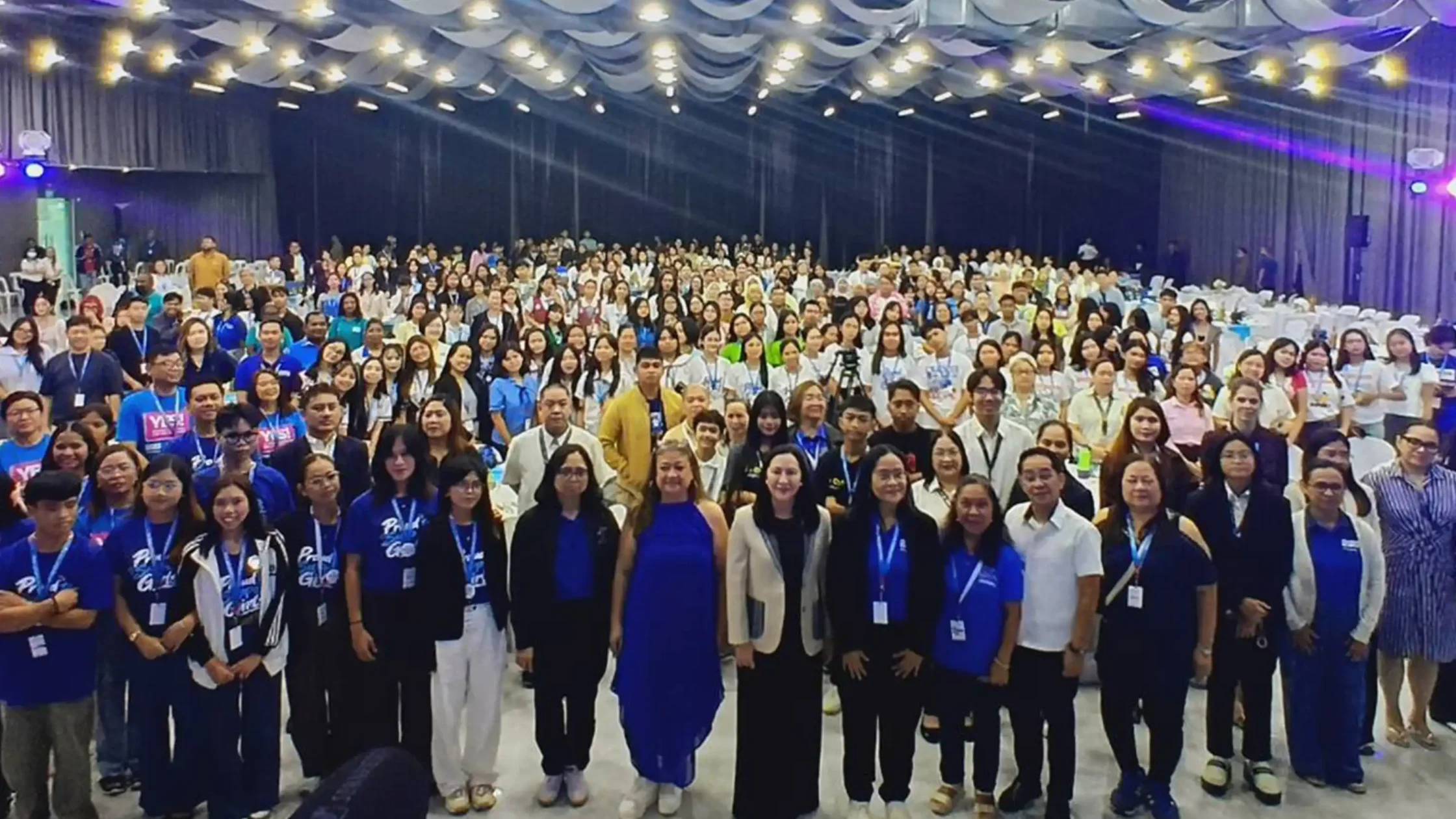
The participants at the Girls Summit 2026 in Quezon City asked local leaders one question: how can we keep girls safe at school, at home, and online? Plan International Pilipinas and the Quezon City Government organized the event for International Day of the Girl. Girls and young people from across the Philippines did most of the talking.
They spoke about school safety, online abuse, mental healthMental HealthA person's emotional, psychological, and social well-being, which affects how children and parents think, feel, and cope. Open conversations, regular routines, and timely help from professionals make it easier for, and climate-related risks. The theme was “Stand with Girls: Building the Future Girls Want.”
In her keynote, Plan International Pilipinas Program Director Cathy Seco said, “Girls are not merely beneficiaries of development. They are leaders, innovators, advocates, and changemakers.”
She added, “They already know what kind of future they want and deserve. Our role is to listen, support, and act alongside them.”
Seco also shared that she was once a sponsored child in Plan’s programs, from the 1980s to the early 1990s. Back then, adults made the plans and young people weren’t asked much. Today, young people share their ideas and help shape their own communities.
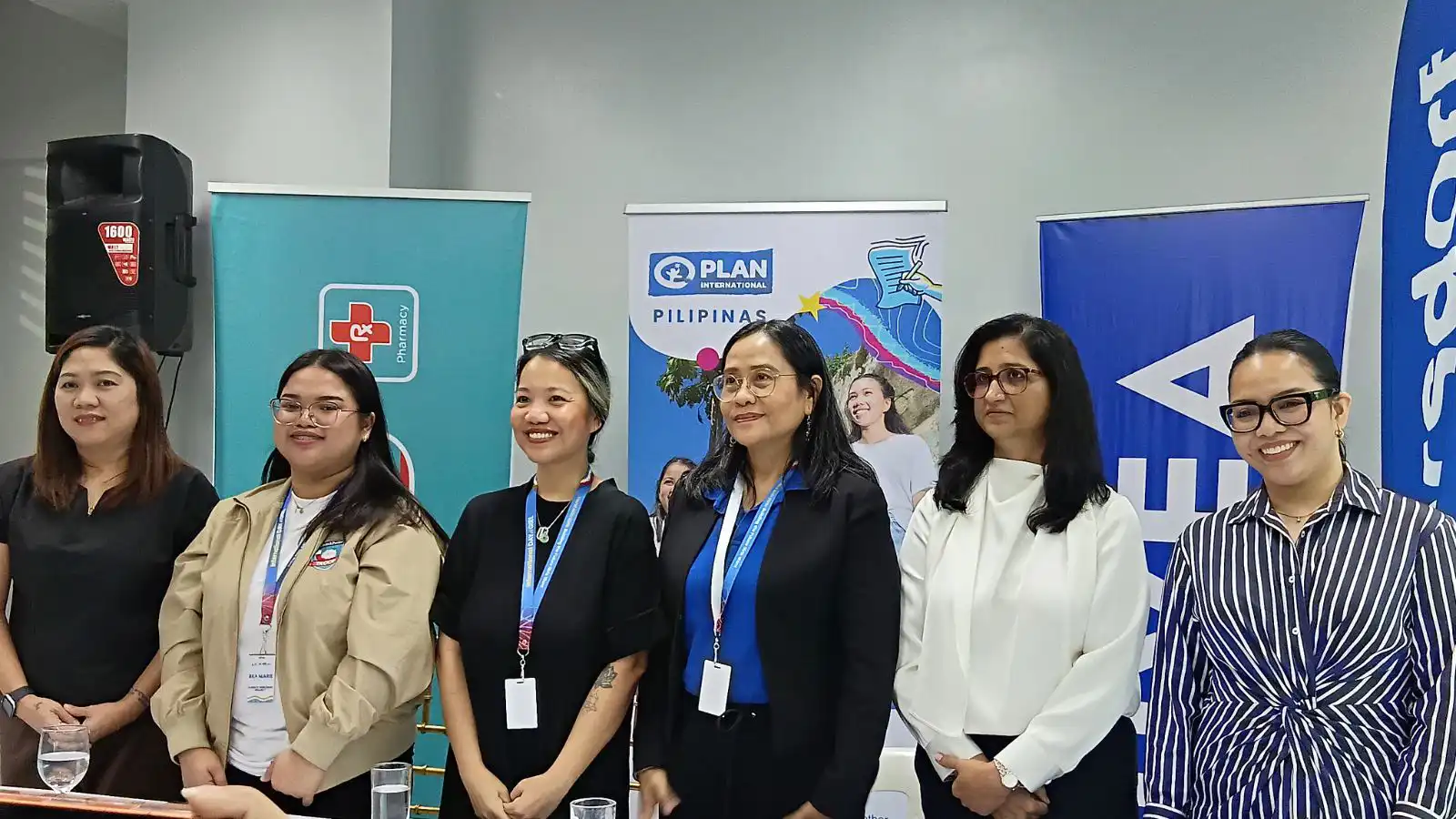
Bea Vicente – Youth Advocate & SK member; Twyla David – Country Program Manager for
Gender & Child Rights and Youth Focal, Plan International Pilipinas; Nimisha Jain – Country Manager,
Beiersdorf Philippines; and Alisandrea Coloma – Senior Manager for Sustainability
and Corporate PR, Watsons Philippines
The Girls’ Agenda in Plain Terms
A key feature at the summit is the Girls’ Agenda. Girls and young people wrote it themselves. It asks for stronger action on four concerns among young women:
- Protection from violence and abuse
- Access to health and support services
- Help for communities facing climate-related risks
- More chances at education and decent work
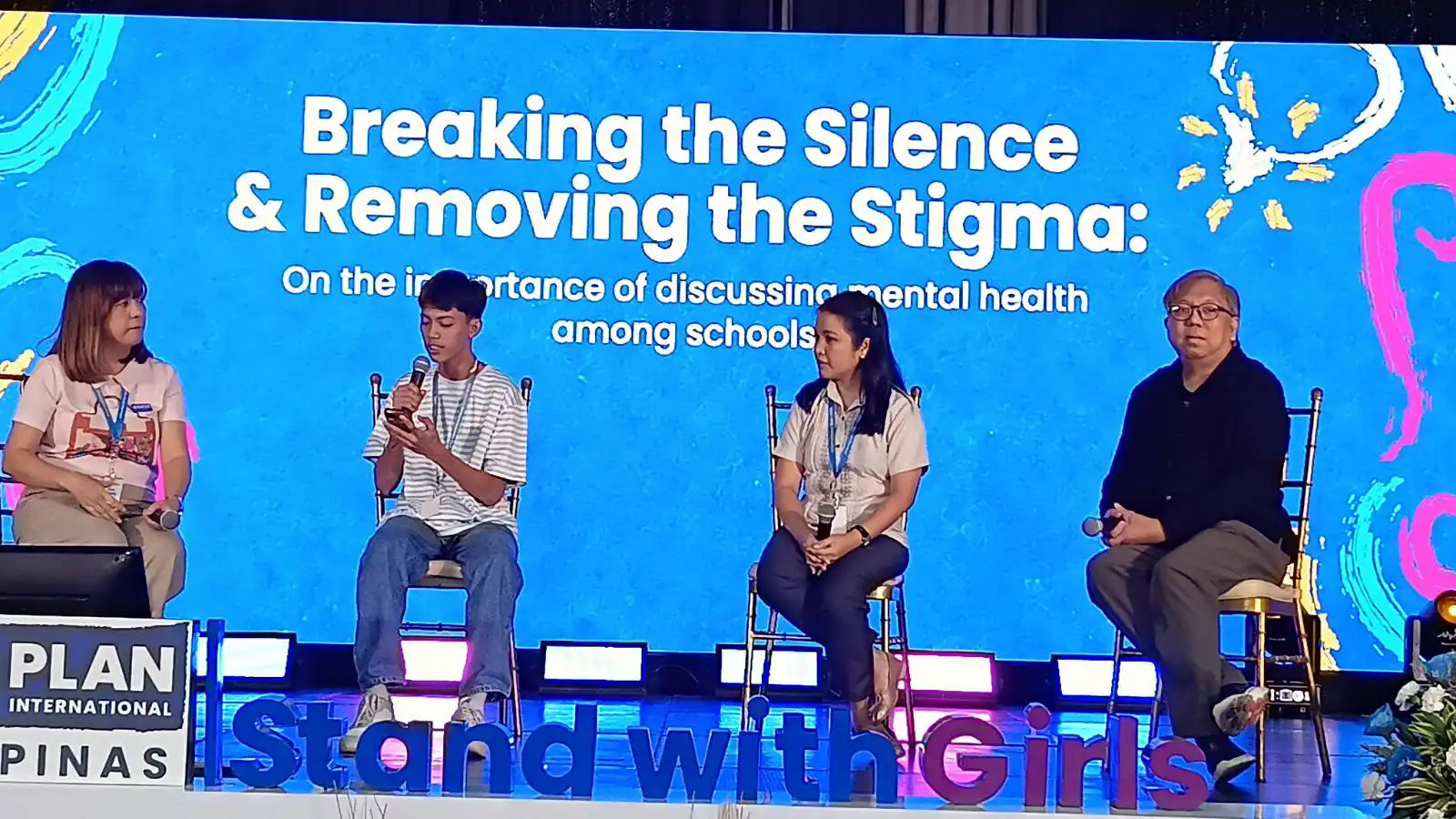
Five panel talks followed. They covered mental healthMental HealthA person's emotional, psychological, and social well-being, which affects how children and parents think, feel, and cope. Open conversations, regular routines, and timely help from professionals make it easier for in schools, local government efforts against online sexual abuse of children, how climate change affects girls’ health, child and forced marriage, and safe school buildings.
The Numbers Behind the Concern
The numbers show why parents and officials are paying attention. A 2020 Plan International study found that seven in 10 girls and young women in the Philippines had experienced online harassment. In 2024, the US National Center for Missing & Exploited Children received more than 1.7 million CyberTipline reports from the Philippines. Those are reports of suspected exploitation material, not individual children. Still, they show how much local systems have to handle.
Twyla David, Plan’s Country Program Manager for Gender and Child Rights and Youth Focal, pointed to another problem. Adults are having a hard time keeping up with new technology like deepfakes and AI. To her knowledge, no law yet protects young people from deepfakes. There is also little help for kids who get bullied online, where adults are rarely around.
Why Climate Is Part of the Safety Conversation
Floods and typhoons may not seem related to safety, but David explained the link. Citing UN Women, she said girls and young women are 40 times more likely to be affected during a crisis.
Plan’s global study “Change Her Forecast” surveyed more than 5,000 girls and young women in five countries. Here’s what they reported:
- 76% said girls in their communities struggled to reach at least one sexual or reproductive health service after climate-related events.
- 36% had seen more girls marry or enter a union before age 18.
- 33% had seen more unintended pregnancies.
This is why the summit kept coming back to schools. A safe, clean, well-built school gives kids a place to learn and a place to find help, even during a disaster.
Bea Vicente has seen this firsthand. She’s 22, an elected Sangguniang Kabataan (SK) member of Barangay Tanza 1 in Navotas City, and a youth advocate of Plan International Pilipinas. Her SK led the disaster risk reduction team during the 2024 and 2025 floods. Young men and boys in the community joined in to help run the evacuation center.
What Boys and Men Can Do
When a reporter asked what young men can do, the panelists said they can be allies. It means standing with girls and also speaking up when girls aren’t in the room. David added that working with boys is a planned part of Plan’s programs. She also raised a question for adults: who makes the decisions, and whose voices are always heard?
Vicente said, “Girls should feel safe at school, at home, and online. I want our leaders to make safety a real commitment, with systems that work, so that girls know where to go and who will help.”
Janete Oviedo, head of the Quezon City Gender and Development Council Office, shared what the city has been doing in schools. Students learn about gender equality and the services available to them. A program called Y-MOVE, short for Youth Men Opposed to Violence Everywhere, teaches boys about sexual harassment and bullyingBullyingRepeated, intentional harm toward another child through words, actions, exclusion, or online posts. Parents can help by listening without blame, documenting incidents, talking with the school, and reminding their child, and about breaking gender stereotypes.
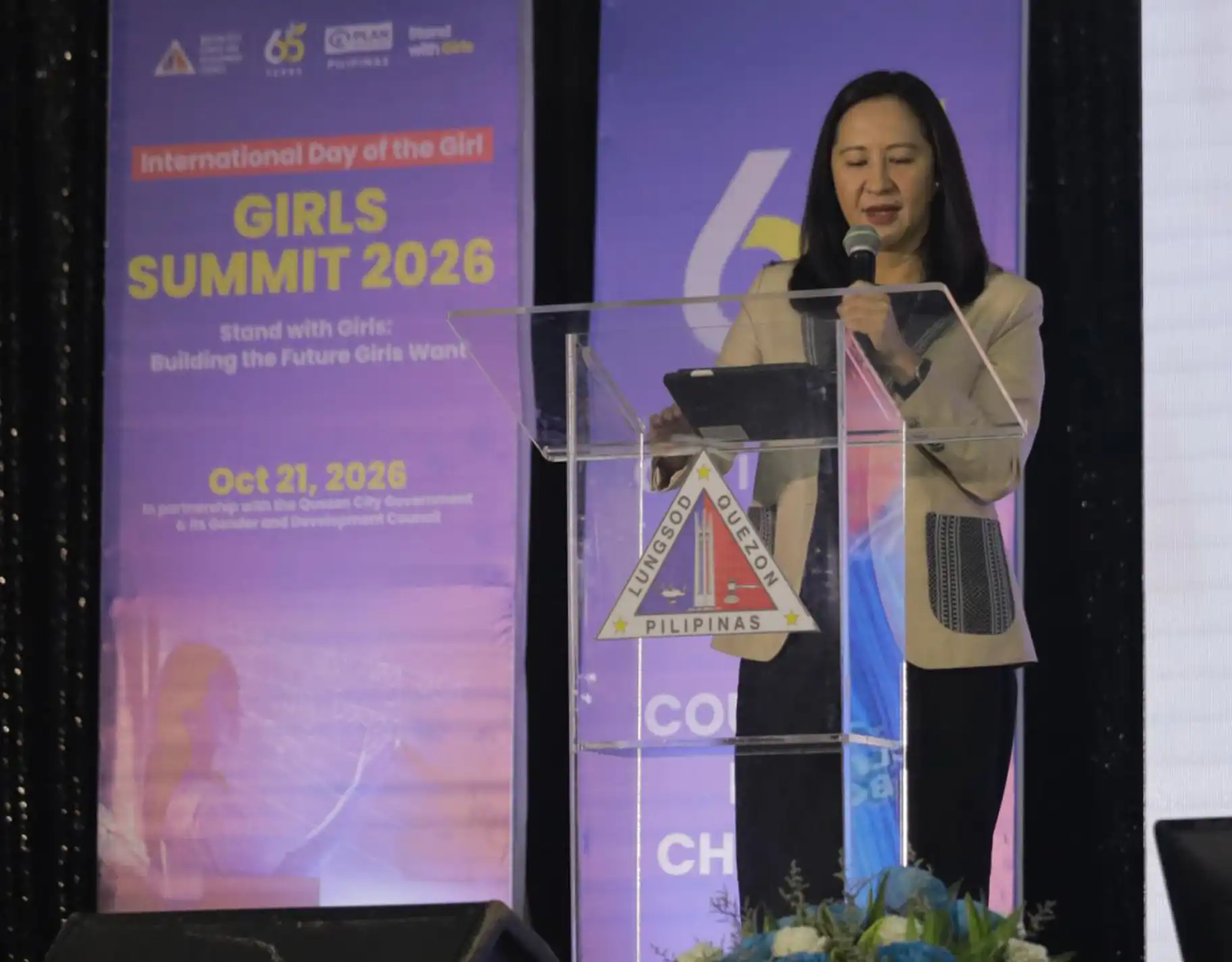
welcomes delegates to Girls Summit 2026 last October 21
What Quezon City Is Doing
Quezon City Mayor Joy Belmonte said, “A city is only as strong as the safety it gives its girls at home, in school, and online. Quezon City has taken steps to protect children from abuse and exploitation, and we are ready to share what works so other local governments can do the same.”
Oviedo said the city has already passed ordinances on sexual harassment and online abuse. They set out the role of each city department and partner group.
Her advice to other local governments was to listen to girls, then check their own numbers on jobs, mental healthMental HealthA person's emotional, psychological, and social well-being, which affects how children and parents think, feel, and cope. Open conversations, regular routines, and timely help from professionals make it easier for, and violence before making plans.
From Classroom to First Paycheck
Businesses also took part in the discussion. Watsons Philippines has been running a Pharmacy Assistant Apprenticeship Program since 2023, with partner schools like Punlaan. Beiersdorf Philippines, the maker of Nivea, supports it.
Alisandrea Coloma, Watsons’ Senior Manager for Sustainability and Corporate PR, said, “We believe that every girl can do great things when given the opportunity.” Girls in the program get free schooling and a direct path to a job in a Watsons store.
Some students come from provinces like Negros and leave their home area for the first time. The program also holds yearly sessions on topics like mental healthMental HealthA person's emotional, psychological, and social well-being, which affects how children and parents think, feel, and cope. Open conversations, regular routines, and timely help from professionals make it easier for and managing money. For many of the girls, withdrawing their own pay is a first.
Beiersdorf Philippines Country Manager Nimisha Jain said her company focuses on social isolation, especially in young girls. Young people are more connected online than ever, she noted, yet many still feel alone. The company says its programs reach almost 50 countries and have directly helped about 585,000 girls, children across the world.
Questions Worth Asking at Home
The summit wasn’t a parenting seminar, but its lessons apply at home. David said young people are often asked for their opinions and then never hear what happened with them. The same can happen in a family. A child shares a worry, and the conversation moves on.
You can start with a few simple questions:
- Where would you go if something felt wrong, online or at school?
- Who would you tell first?
- What would you want me to do when you tell me?
Then listen to the answers before offering a fix. Kids are more likely to come back to you if the first conversation goes well.
Panelists also said safety is a shared job. Schools, local governments, businesses, and families all have a part. At home, that job can begin with one conversation.
Frequently Asked Questions
Girls Summit 2026 is an event organized by Plan International Pilipinas and the Quezon City Government for International Day of the Girl. Girls and young people shared their concerns and ideas with government officials, business partners, and community groups.
The Girls’ Agenda is a list of recommendations written by girls and young people. It asks for action on safety, health and support services, climate-related risks, and education and work opportunities.
Janete Oviedo, head of the city’s Gender and Development Council Office, says Quezon City has ordinances on sexual harassment and online abuse. They set out the role of each city department and partner group. The city also teaches students, including boys, about gender equality and preventing violence.
Start by talking. Ask your child what she does online, who she would tell if something felt wrong, and what help she would want. Panelists at the summit stressed listening, and noted that laws and support are still catching up with problems like deepfakes and online bullying.
Citing UN Women, Plan International Pilipinas says girls and young women are 40 times more likely to be affected in a crisis. Plan’s “Change Her Forecast” study also found that disasters can cut off girls’ access to health services and lead to more early marriage and unintended pregnancy.
More on kids and family safety
Safer Screens: A Parent’s Guide to Kids’ Online Safety Part I
Safer Screens: A Parent’s Guide to Kids’ Online Safety Part II
Bullying Prevention: Why This Local Comic Strip is a Game-Changer for Families