A Beautiful Homecoming: Valerie Pawid West On Culture, the Filipina Identity, and Family



For Filipino-American Valerie Pawid West, coming home to know her mother’s roots meant stepping outside her comfort zone — and learning that identity is not something you choose, but something you grow into
Wherever Filipinos go, they find each other. In the United States, generations of Filipinos have migrated, built families, and raised children who grow up navigating two cultures at once. Many of those children eventually return to the Philippines — often for the first time as adults — to better understand the heritage passed down to them, usually through their mothers.
There is culture shock at first. But for many, it quickly turns into curiosity, connection, and a desire to know more.
For Valerie Pawid West, growing up between two worlds offered the best of both — and the familiar confusion that comes with it. Like many Filipino-American kids, she spent years trying to understand where she truly fit.
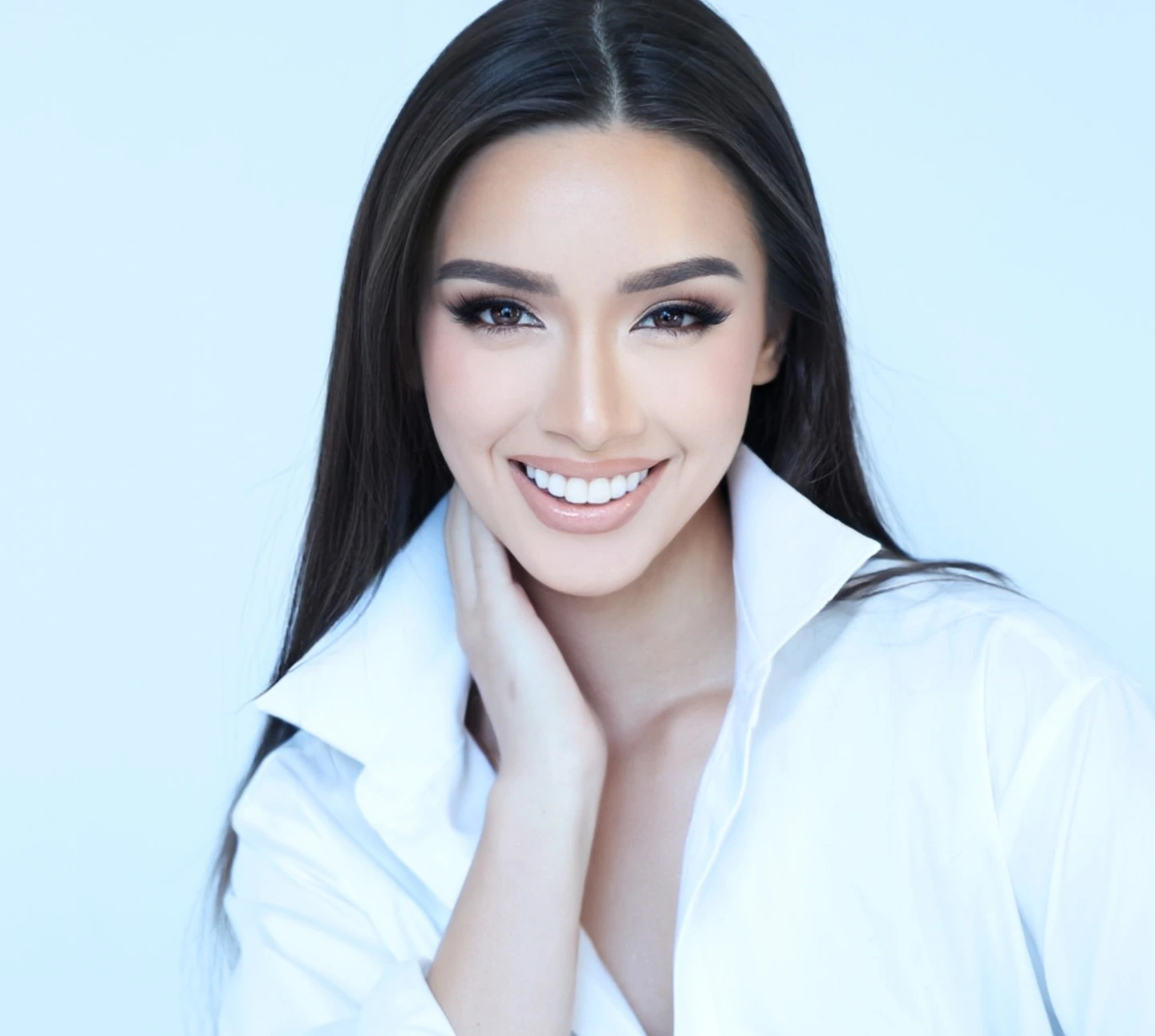
Photo by Fadil Berisha courtesy of Valerie Pawid West
The Asian-American Dilemma
Raised on the East Coast of the United States, Valerie recalls constantly being asked to explain who she was — without anyone ever quite getting it right.
“No one could ever pinpoint what ethnicity I was unless I openly said I’m half Filipino, half American,” she shared. “At first, it was discouraging because I felt like I didn’t truly fit in anywhere.”
That uncertainty followed her through her younger years. But with time, maturity, and distance, clarity arrived.
“As I got older, I understood my culture more,” she said. “I became a dual citizen, learned more about the Philippines, and eventually started traveling here.”
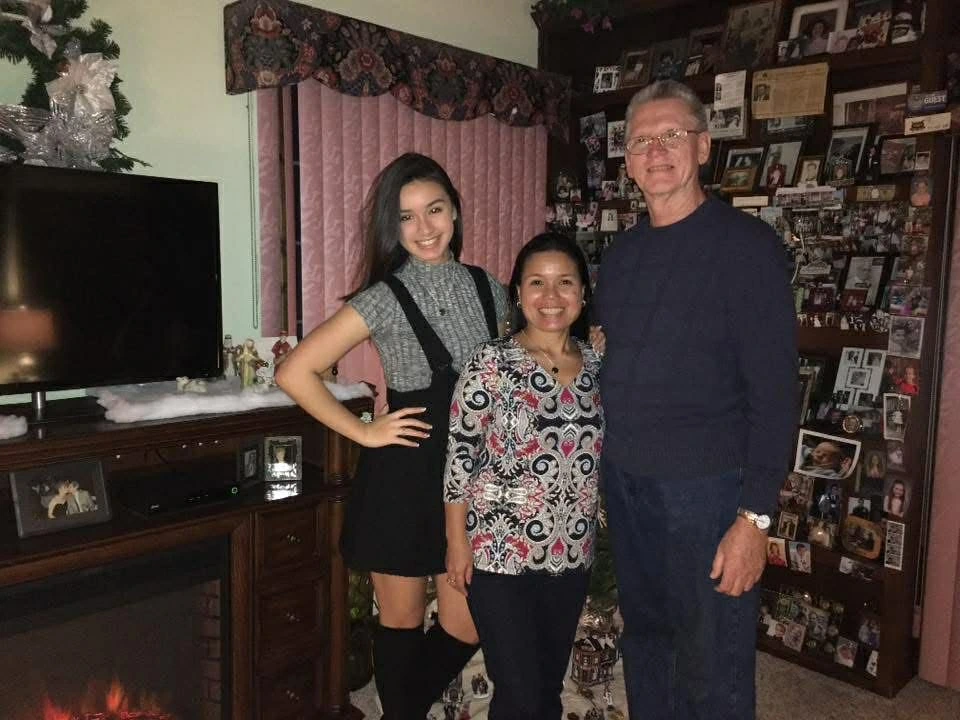
A young Valerie with her parents. Photo courtesy of Valerie Pawid West
Instead of feeling divided, Valerie learned to see her upbringing as something whole.
“I embraced it as my unique diversity,” she said. “I have the American independence and strength, the fast-paced hustle of life on the East Coast. But I was also raised with my mom’s family values, traditions, and deep faith. She’s from Ifugao — born and raised here in the Philippines.”
Growing up, Valerie often found herself asking questions — especially during trips back to the Philippines. What would she say if she were forced to choose?
“Am I Filipino? Am I American?” she remembered wondering. “I was told, ‘You’re both.’ You shouldn’t have to choose. I was raised by both my parents, and both of their identities are part of mine.”
Tracing Her Filipino Roots
That understanding deepened when Valerie returned to Manila to compete in the national pageants, representing her mother’s home province of Ifugao. She temporarily left her life in the U.S. and relocated to the Philippines — a move that brought culture shock but also clarity.
Spending time in Ifugao, especially with relatives, gave her insight into the way her mother raised her.
“We raise children differently in America,” she said. “And even differently if you’re born in Metro Manila versus Cordillera — or specifically in Ifugao.”
Seeing how her aunts and uncles raised their children helped things fall into place.
“When I went back and saw it firsthand, I finally understood. I thought, ‘Okay, I get it now.’”
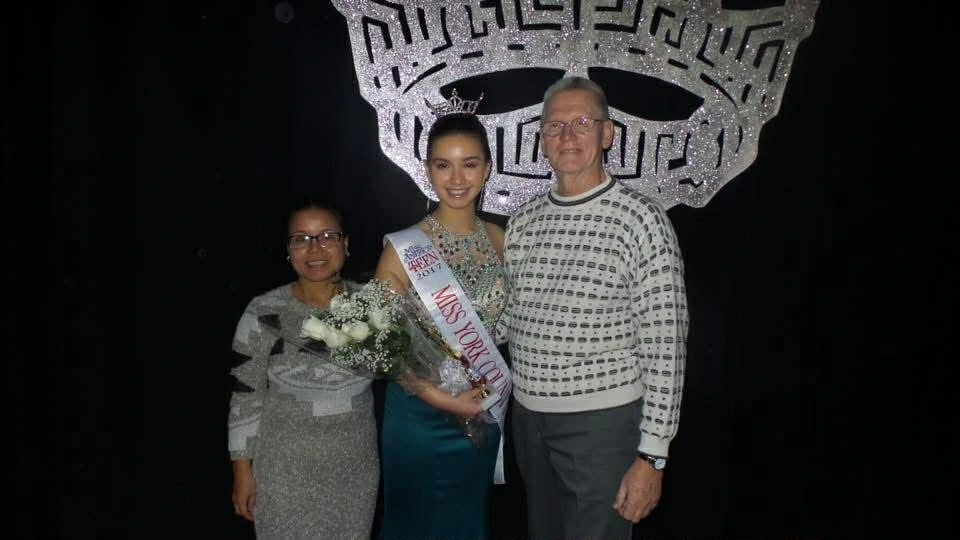
Valerie with her parents at one of the first beauty pageants she competed in. Photo courtesy of Valerie Pawid West
Getting it meant understanding expectations — being home at a certain time, eating meals together, knowing that presence mattered.
“That’s how children are raised in places like Ifugao,” she said. “I came to terms with those differences and learned to appreciate how different our culture is from the U.S.”
While Valerie values independence, she also began recognizing the importance of the values she hopes to carry into her own future family — even if that meant moments of friction.
“It was an adjustment,” she admitted. “But there’s beauty in it. It’s comforting to know people care about you so much that they want you to be safe. That they want to pass on traditions because they want you to be raised well.”
Having family close by changed her perspective.
“It’s heartwarming to be surrounded by people who want to build traditions with you,” she said. “I don’t feel alone here. I feel like I’m part of something.”
From Ifugao to the World
As Valerie prepares to represent Ifugao on the national stage through Miss World Philippines in February, she carries a responsibility she doesn’t take lightly.
“The longer I represent Ifugao, the more I realize how hard it is to showcase our culture in one package,” she said.
The province, which she described as “made up of 11 municipalities”, has its own dances, weaving traditions, and ways of life. Valerie has made it a point to visit as many as she can, learning as she goes.
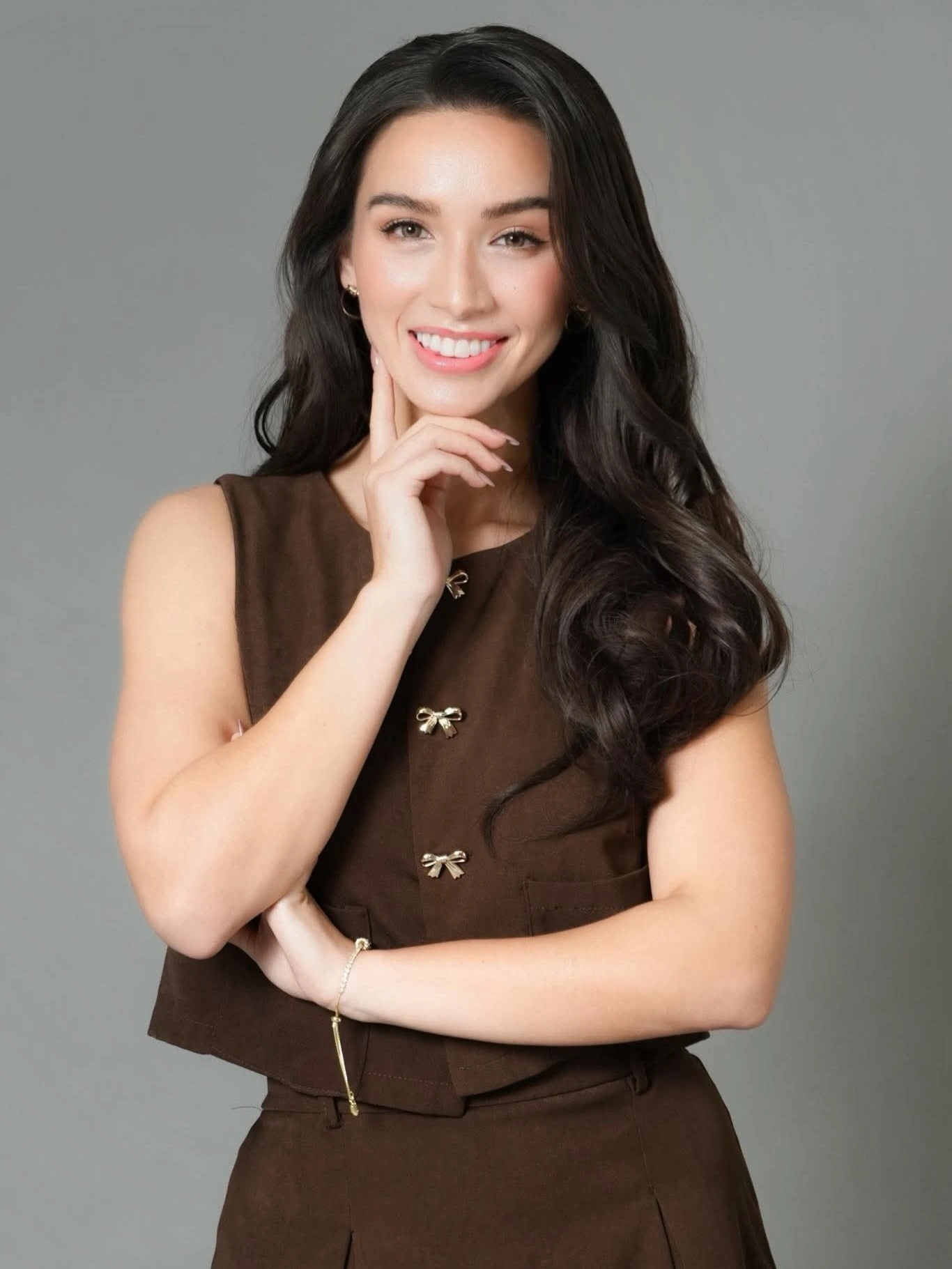
Photo by Jonathan Santos courtesy of Valerie Pawid West
“One thing I learned recently is that ‘tribes’ isn’t actually the correct word for us,” she explained. “We’re three different linguistic groups coexisting peacefully. Ifugao is known as a province where different language groups live in harmony, not in conflict.”
That unity, she believes, is something worth highlighting.
“Despite our differences, we’ve always found a way to coexist and learn from each other. That’s something beautiful — something others can admire.”
Some question why Valerie represents a province she didn’t grow up in. For her, that question misses the point.
“People don’t even know where Ifugao is,” she said. “So first, it’s important that it’s represented — that people know who we are, that we’re our own province with traditions distinct from the rest of Cordillera.”
She sees her background as a strength, not a limitation.
“I wasn’t born there, but I have deep roots,” she said. “I’m actively learning, actively discovering things every day. Choosing to know my identity more deeply gave me a different level of admiration for Ifugao.”
Finding Herself Through Music
Valerie also credits her mother — a pediatric nurse — for shaping her heart for service. From a young age, she’s been involved in charity work, including organizations like Best Buddies and the PUSA Foundation, which support integrated classrooms and libraries.
Music, however, is where she feels most herself.
“Singing gave me words I couldn’t speak on my own,” she said. “It gave me confidence.”
Through music, she processes emotions and finds release.
“I get lost in it,” she shared. “I can express things I don’t know how to say. Especially when I write my own music — it’s therapy for me.”
She listens to a wide range of genres and has recently grown to love OPM, becoming a fan of Orange & Lemons after their collaboration.
Learning to Stand on Her Own
Pursuing a pageant career meant leaving home — and certainty — behind. Valerie admits it hasn’t been easy, but she’s grateful for her parents’ support.
She also put aside her original dream of becoming a doctor, turning down post-college opportunities to fully commit to this chapter.
“I’m focusing on one thing at a time so I can give it my 100 percent,” she said.
The risks are real, she admits. But timing matters to her.
“I believe timing is everything,” she said. “Not everyone gets an opportunity like this.”
With school behind her and a clear purpose ahead, she chose to leap.
“I can always go back to my engineering life,” she said with a smile. “I can’t compete in Miss World Philippines forever. So go lang.”
Frequently Asked Questions
Valerie Pawid West is a Filipino-American who grew up in the United States and later returned to the Philippines to reconnect with her mother’s roots. She currently represents Ifugao in Miss World Philippines.
Valerie returned to the Philippines to represent Ifugao in a national pageant and to deepen her understanding of her heritage. The experience helped her make sense of her identity and her mother’s parenting style.
By spending time in Ifugao, Valerie gained insight into how her mother was raised and why certain family values—like togetherness, discipline, and tradition—were emphasized in her childhood.
The story highlights how parenting styles are deeply influenced by culture and place. It shows how understanding a parent’s background can help adult children better appreciate boundaries, expectations, and family traditions.
Ifugao is her mother’s hometown and a key link to Valerie’s Filipino heritage. Representing the province allowed her to explore her roots more deeply and learn about its culture, language groups, and traditions.
Music is Valerie’s form of self-expression and therapy. Through singing and songwriting, she processes emotions, builds confidence, and supports charitable causes she’s involved in.
More stories on Filipino identity abroad
Catriona Gray on Embracing the Filipino Identity
Moments Like This: Anna Gomez on Weaving Stories About Life Abroad
Why Miss Universe 2022 R’Bonney Gabriel is Proud of Her Filipino Roots