Screen-Free Activities for Kids Every Modern Parent Should Try



Looking for something for your kids to do instead of endlessly scrolling on their gadgets? You’re not alone—and the good news is, there are plenty of meaningful, fun alternatives that don’t involve a screen
Let’s face it: gadgets have become part of everyday family life. Tablets and phones can be helpful tools—sometimes even lifesavers during meltdowns or long waits. But most parents also know that too much screen timeScreen TimeThe hours a child spends on phones, tablets, TV, and games. Pediatric groups advise little to no screen use for toddlers and limited, high-quality content for older kids, with family can affect a child’s development, from attention span to social skills. That’s why experts continue to remind us to balance digital use with real-world play.
If you’re committing to cutting back on screen timeScreen TimeThe hours a child spends on phones, tablets, TV, and games. Pediatric groups advise little to no screen use for toddlers and limited, high-quality content for older kids, with family (even just a little), here are activities you can encourage your kids to enjoy—no gadgets required.

1. Enroll Them in Performing Arts Classes
Music, dance, acting, or learning an instrument opens up a whole new world for kids. Performing arts help children develop rhythm, coordination, listening skills, and self-expression—all while having fun.
Beyond the technical skills, these classes boost confidence and creativity. Kids learn how to interact with others, follow instructions, and express themselves freely. Whether your child is shy or naturally outgoing, performing arts offer a safe space to grow.
2. Introduce Them to the Board Games and Puzzles You Grew Up With
Before mobile games and consoles, families bonded over board games—and there’s no reason that tradition can’t continue.
Introduce your kids to classics like Monopoly, card games, or newer versions of familiar favorites featuring characters they love. Games like Uno Stacko or simple card games are great for all ages and perfect for family nights.
Puzzles are another excellent option. They strengthen fine motor skills, improve problem-solving abilities, and teach patience—one piece at a time. This is a perfect opportunity to test them with the Rubik Cube.
3. Take Them to Playgrounds—Outdoor or Indoor
Remember when kids played outside until the sun went down? While times have changed, playgrounds still offer that same joy and freedom.
If your neighborhood has a playground, make it a regular stop. Slides, seesaws, and monkey bars help kids build strength and social skills. Public parks—like those in Quezon City or Taguig—also give kids space to explore and connect with nature.
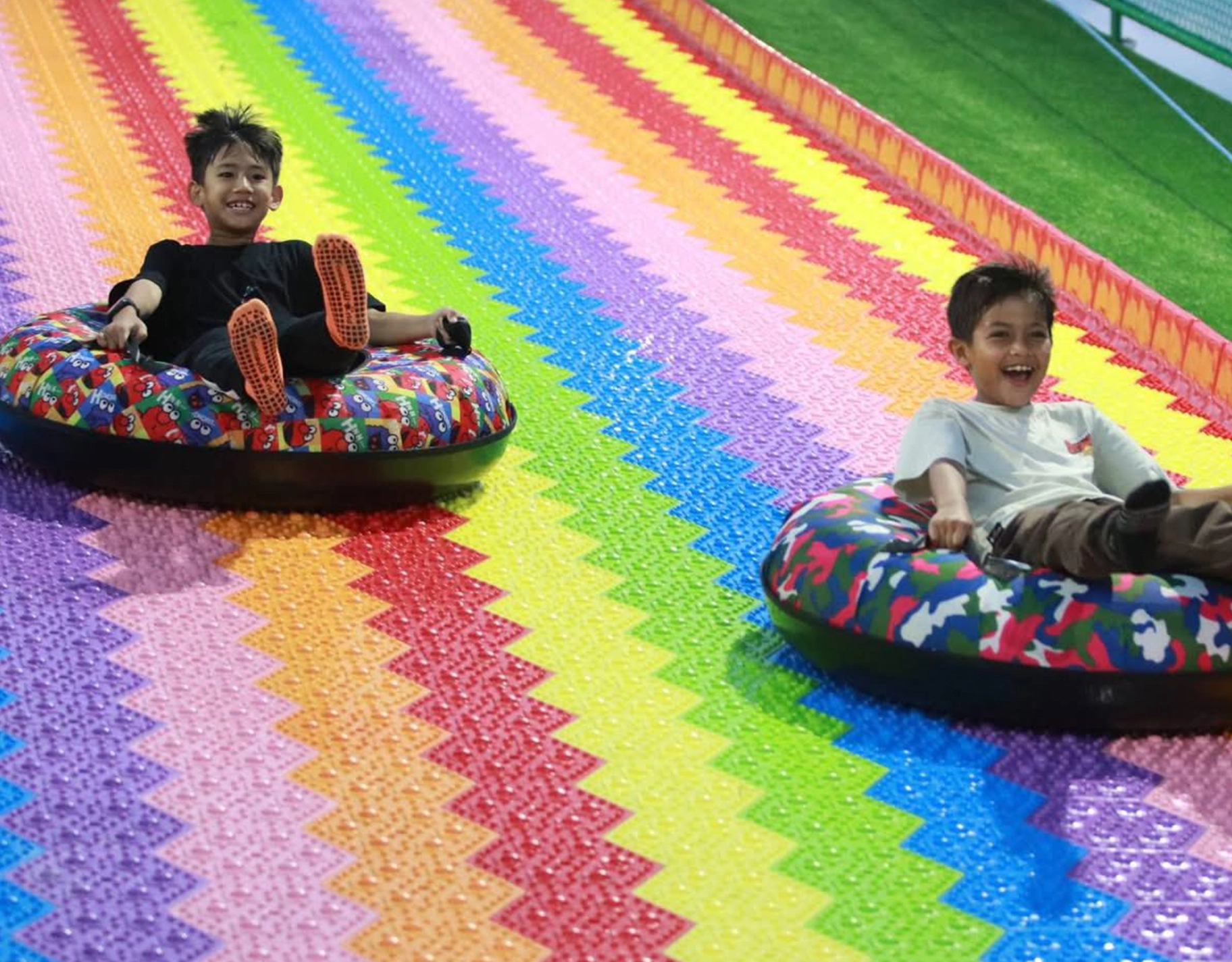
Mall day? Indoor playgrounds are a great alternative. From Kidzoona to Jollyland, many malls now offer safe, engaging play areas where kids can burn energy while parents watch from the sidelines.
4. Encourage Movement Through Sports
Almost all of us tried at least one sport growing up—and there’s a reason parents keep doing this for their kids.
From swimming to football and different contact sports, sports help children stay active while learning disciplineDisciplineTeaching a child self-control and acceptable behavior through guidance rather than fear. Effective discipline is consistent and calm, explains the reason for a rule, and uses consequences that fit the, teamwork, and resilienceResilienceThe ability to bounce back from setbacks, disappointment, and stress. Children build it through supportive relationships, chances to solve problems, and adults who show that mistakes are part of learning. It may take time for your child to find a sport they truly love, and that’s okay. What matters is that they learn important life skills like perseverance, sportsmanship, and respect—skills they’ll carry well into adulthood.
5. Teach Culture Through Heritage Tours and Museum Visits
One challenge today is helping kids appreciate culture and history in a fast-paced, digital world. Heritage tours are a wonderful way to bring history to life.
Groups like Rebirth Manila offer guided tours that explore places like Intramuros and stories about national heroes such as Jose Rizal. These experiences are educational, interactive, and a great bondingBondingThe emotional connection that forms between parent and child through touch, eye contact, voice, and responsive care. Skin-to-skin time, feeding, and simply talking to a baby all strengthen it, and opportunity for families.
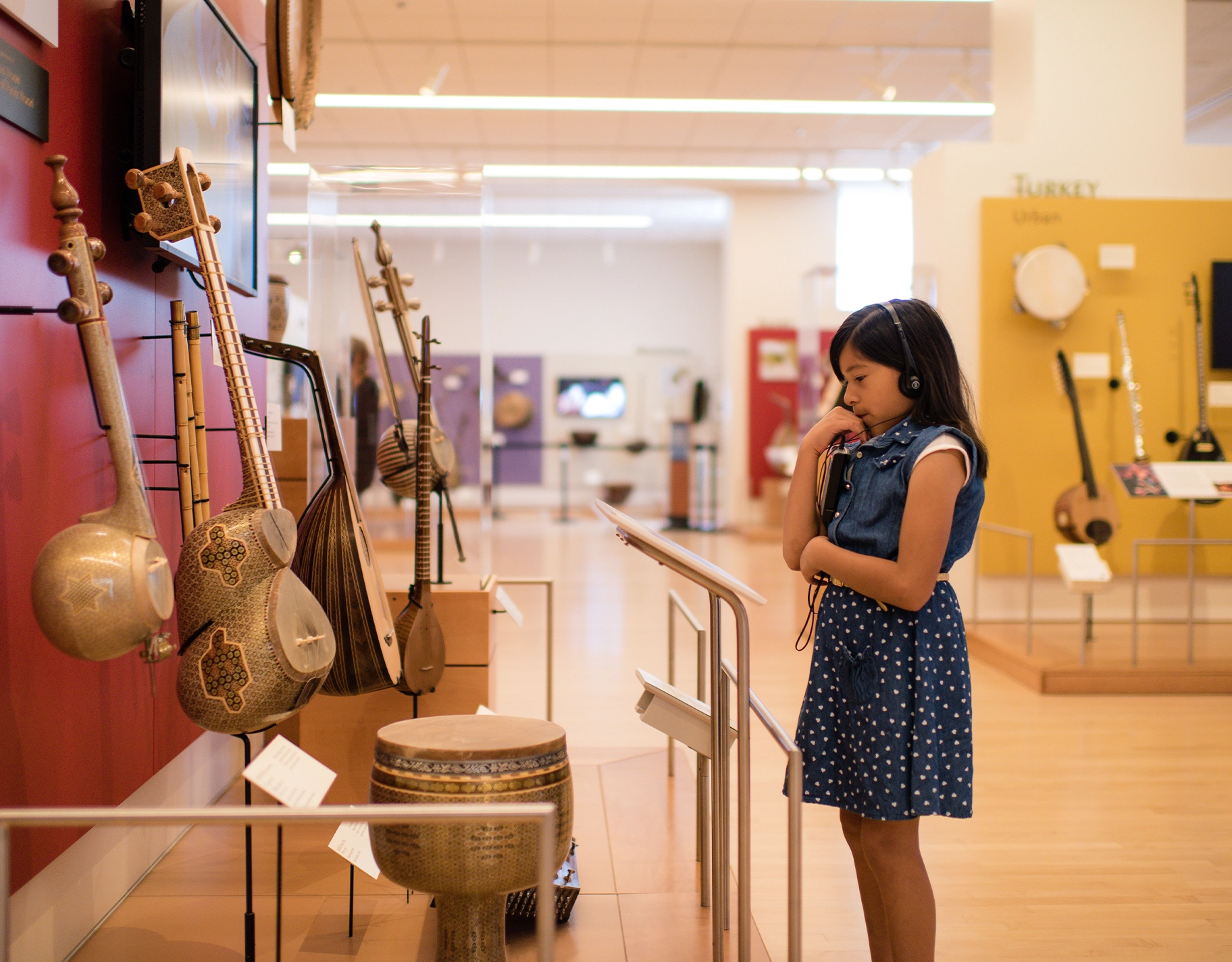
Museum visits also go a long way. Seeing artifacts and exhibits firsthand helps children connect with their identity beyond textbooks and screens—and fosters a deeper appreciation for their roots.
Consistency Is Key
Handing your child a gadget is often the easiest solution—but real-life experiences are what truly shape them. Learning, exploring, and connecting with others are things screens can’t replace.
As parents, our presence matters. Encouraging screen-free activities—even for a few hours a day—helps remind our kids that there’s a big, exciting world beyond the screen. And often, all they really need is us to guide them there.
Frequently Asked Questions (FAQs)
There’s no one-size-fits-all answer. Screen time depends on a child’s age, needs, and daily routine. What matters most is balance—making sure screens don’t replace sleep, physical activity, family time, or creative play.
Yes, but it doesn’t have to be all-or-nothing. Screens are part of modern life, and that’s okay. The goal is to create healthy boundaries and offer engaging alternatives so kids naturally spend time offline, too.
Lead by example and make offline activities part of your family routine. Join in when you can, keep activities age-appropriate, and give kids choices. When screen-free time feels fun and not like a punishment, kids are more likely to embrace it.
That’s a very real challenge—and you’re not failing as a parent. Start small: short screen-free activities, weekend plans, or shared moments like game nights. Even limited offline time can make a big difference.
More stories on screentime and other activities
Why We Should Let Kids Play The Classic Video Games
5 Books on Drawing for Kids to Learn From
Fun Party Games That Encourage Literacy In Kids