Christine Melody Taa: A Safe Online Playground for Every Kid



For Club Quokka Gaming’s Christine Melody Taa, video games can be a powerful and positive parenting tool in today’s world—especially when much socialization happens online
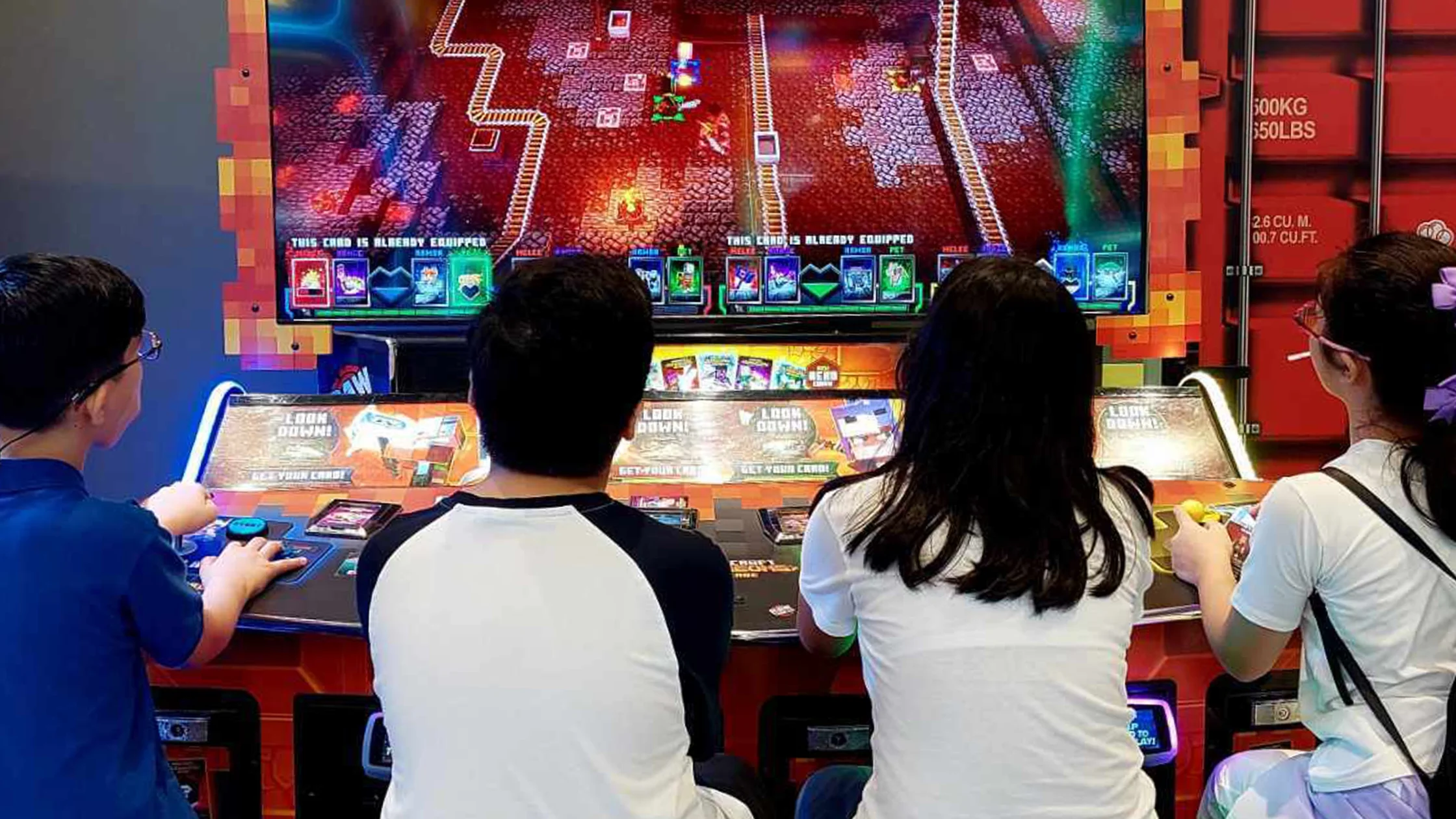
When kids couldn’t go to school or out of their homes, online gaming offered an avenue for socialization. It’s why games like Roblox and Minecraft became all the rage among kids. Even if some members of the gaming community were toxic. For many in the gaming community, cyberbullying and trash-talking were considered normal—something that Club Quokka Gaming founder Christine Melody Taa believes shouldn’t be the case.
Her nine-year-old niece had already become a target of her schoolmates’ cyberbullying. With online gaming as her only form of socialization and seeing that Roblox was no better, Melody actively searched for parents who wanted the same thing she wanted for her niece: friendly playmates of the same age.
As the group grew, she noticed the lack of communication between the parents and the kids. Many of them were also unaware of their kids’ online activities.
“It’s bad because we need the parents’ cooperation to keep the group as safe as possible. We have to restrict the group to those whose parents are willing to discipline them, as even the youngest gamer can bring toxicity if unchecked,” Melody shares.
Even she had to deal with some incidents of bullying and harassment on her server. With some intervention, most of the parents of the kids, fortunately, willingly took responsibility. “They even ended up being good friends afterward,” adds Melody.
Thus, Club Quokka Gaming dedicates itself to creating a safe and positive gaming environment for kids.
How Solo Gameplays into Playdates
Playing video games may appear isolating. But with all the progress made in multiplayer modes and features, video games have bridged the gap. No longer limited by wires and platforms, video games now usually have a multiplayer feature, which kids can access by connecting to the internet. Unfortunately, that same feature has also made kids more vulnerable targets. Using anonymity as a shield, predators and adults with bad intentions, and bullies have become bolder.
“During our time, if we get bullied at school, we can go home to our safe space,” explains Melody. “Nowadays, bullies can follow kids to their homes, on their computers and devices. We need to teach kids how to protect themselves as if they are out in the real world.”
How Melody Keeps Online Games Safe and Fun for Kids
As the server host for games like Minecraft and Roblox, Melody ensures the server stays private—providing access only for those who have been invited. But managing the server isn’t a one-parent job; every parent whose kids joined the server pitches in, too, to keep the game fun and safe for the kids.
“We have strict anti-bullying and no toxicity rules, and we ask the parents to please be responsible for their kids’ behavior and to regularly check their private chats as much as possible,” she explains.
Like any get-together, online gaming sessions do have their issues. Mismatched schedules, lack of techie know-how, and sometimes busy parents can make it hard for the kids to join.
But it’s not a one-time thing, Melody assures. Even with many of the older members graduating, Club Quokka Gaming has been exploring other possible communication hubs that are safe for the younger players and new kids to play in.
Video Games in the Filipino Family Scene
While enjoying video games has progressed globally as both a pastime and a professional job, it still faces roadblocks in the Philippines. Even if the Philippines has its own eSports teams competing on a global level. It’s still looked down on as a behavior that’s a sign of isip-bata. This stigma, Melody believes, is how most parents are left in the dark when their kids venture into the digital realm and the world of gaming.
“But video games are fun and relaxing for ALL ages!” She insists. “There are games for everyone!”
Unfortunately, most Filipinos are also unaware that non-violent video games exist. Games like Animal Crossing, Stardew Valley, and even the classic Harvest Moon are just some of those titles. Just like art and music, video games have genres—the one with “shooting guns” is just one of the many genres.
Are Video Games An “Addiction”?
Melody agrees that video games can be addictive. But, for her, it’s also a disservice to cut games out of kids’ lives completely. With tech-savviness and gaming as the privileges of kids today, she shares that seeing gaming as a possible tool for teaching and positive experiences can help parents connect with their kids.
“While it’s true that too much screen time is bad for young children, research shows that elementary-aged children who play video games in healthy amounts and in positive environments tend to have better reading comprehension, problem-solving skills, creativity, and critical thinking,” she adds.
According to Melody, what makes a video game addictive is how empowering it can be. When people feel useless or hopeless in real life, video games comfort them by offering avenues where they can achieve and accomplish things. Her advice? Explore the kid’s strengths and talents.
“Not just academics, but try other things as well, such as sports or arts,” she shares.
Celebrating their kids’ wins in-game is also another way parents can connect with them. Even if they just built a virtual castle in Minecraft or grew a thriving virtual farming business in Roblox’s Grow a Garden, Melody stresses that kids see these tasks as an achievement or an accomplishment.
“If your kid builds or creates something in a game, please do not treat it as frivolity,” Melody advises. “It took them real effort and ingenuity to navigate the game’s functions. Just like making a painting or crafting a hand-knit sweater.”
She elaborates, “If you ask them to delete the game, it’s like telling them to destroy the painting or throw away the sweater. It helps to learn and recognize which aspects of the game are not ‘just a game’.”
Are Video Games A “Waste of Money”?
Because video games take up time and effort to do more productive things, many Filipinos still believe that they’re a waste of money. But kids don’t ever think about being productive; they just want to play.
It’s why kids will always find a way to play video games, even if their parents won’t pay for them. With games like Roblox and Mobile Legends being “free-to-play,” they’ve become the more popular choice among kids. But Melody reveals the crux of these “free games:” these games’ easy accessibility is what makes them vulnerable to some of the more toxic members of the gaming community and “sneaky monetization tactics.”
“The truth is, if you can afford it, investing in premium games like Minecraft or buying a Nintendo Switch can provide your kids with a safer and better gaming experience. Besides, free games are not really free; accessing them means giving away your data and opening you to targeted ads, which may compel impressionable minds to purchase.”
How Video Games Can Bridge the Gap Between Kids and Parents
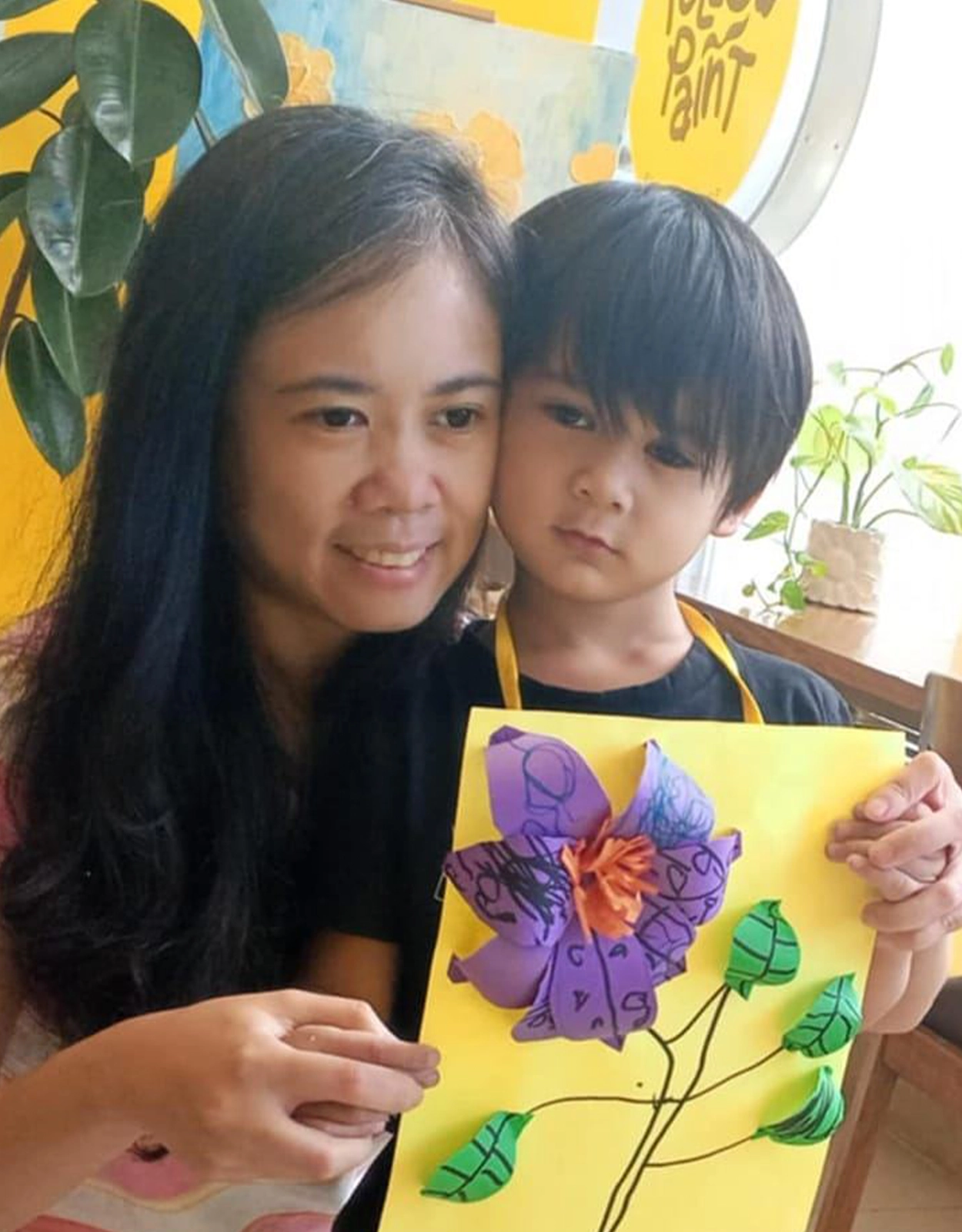
Because she grew up with fond memories of gaming with her dad, Melody hopes to share that experience with her son. Although he doesn’t play much, Melody enjoys the bonding they have as he cheers her on to triumph against the game’s challenges.
Gaming, for her, also allowed her to connect to other kids. She admits, “I noticed they are more open to me and my husband and are always excited to see us. They enjoy talking to us. Not just about games, but about things happening in their life as well, such as school and homework. They also often discover things in video games that they ask us about, which we can relate to real life.”
Video games might even be the parenting tool to help kids become more adventurous in real life. “When the club explored a Korean samgyup restaurant in Roblox, it had food items that accurately represented the ones you would see in a real-life samgyup. The game also lets you grill various ingredients or put them in a hotpot. Afterward, some parents said their kids got curious about going to a real-life samgyup and were now more willing to try the foods,” she recalled.
How Can Parents Help Kids Keep Playing Video Games a Positive Experience?
Like any tool, video games can be used for both good and bad. And for a gamer like Melody, she knows how quickly the drama in the gaming community spreads. Facebook groups, Reddit threads, and even Discord chat rooms become what netizens call a “dumpster fire” — or a big online fight or keyboard war.
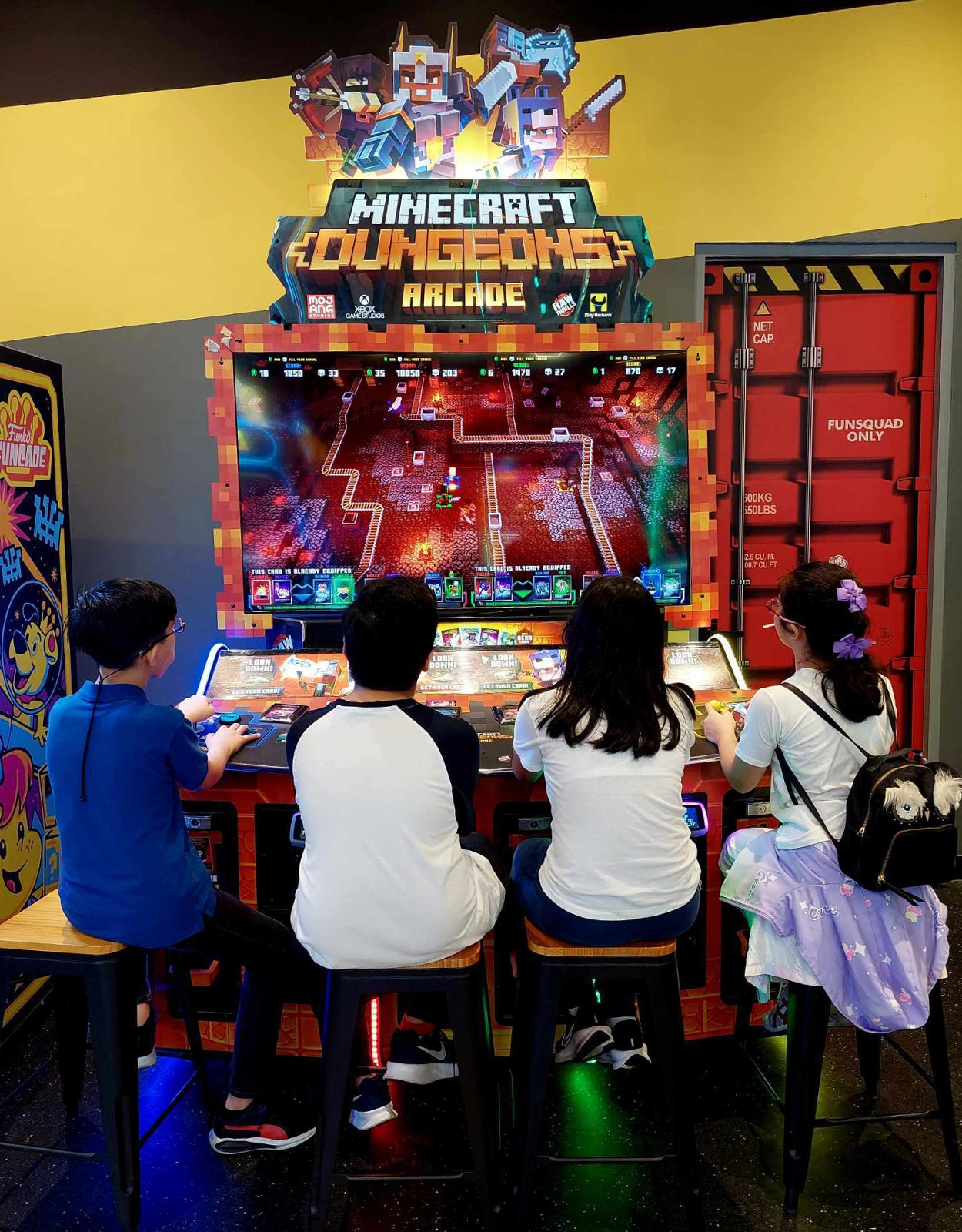
To protect the kids from those clashes, she believes that parents learning about or how to play the game can help. Talking to them about the game and asking how their day in-game went, what they’re currently working on in the game, and who they interacted with are just some of the small things that help. Watching them play also does wonders. It’s like watching them play at the playground or an arcade, Melody says.
“This ensures that your kid has a safe experience. You will also be able to step in when something happens, like bullying or if there’s an inappropriate stranger, or even guide them when their playmate is doing something bad,” she explains further. “More importantly, you might discover that your kid has been doing amazing things in the game. They could be a budding architect or entrepreneur, and the game gave them an outlet to explore this.”
Ultimately, video games can be an avenue for parents to find the “virtual village” that can help them raise their kids and navigate the new tech-reliant world. Though video games as a parenting tool may still be a novel idea, Melody foresees how it helps in the long run.
“Right now, there’s still a huge lack of awareness on video games in general,” Melody concludes. “But it takes a village to raise a child, both offline and online. And with games now having the ability to connect players all over the world, finding a group of like-minded parents and coordinating with them for playdates or gaming sessions will definitely ease our worries about the digital world out there.”
Is your kid into Roblox or multiplayer games? You can contact Club Quokka Gaming on Facebook to organize a gaming club to make sure your kids have a safe and positive gaming experience!
Frequently Asked Questions (FAQs)
Club Quokka Gaming, founded by Christine Melody Taa in the Philippines, is a safe online gaming community where kids can play and socialize under parental guidance.
Each server is private and strictly monitored by parents to prevent bullying, toxic behavior, and exposure to inappropriate content during games like Roblox and Minecraft.
By joining or watching their kids play, parents can ensure their safety, understand their interests, and use gaming as a bonding and learning experience.
Yes! In healthy environments, video games can improve problem-solving, creativity, and social skills while fostering confidence and collaboration.
Parents can reach out to Club Quokka Gaming on Facebook or connect with other like-minded parents to create supervised, child-friendly servers and online playdates.
More about gaming and kids?
A Gamer’s Guide On How Teens and Kids Can Cope With Gamer Rage
Real Life Counterparts To Roblox Games That Kids Love
10 Reasons Why Kids Love Minecraft