Decluttering After December: What to Keep, Donate, and Let Go



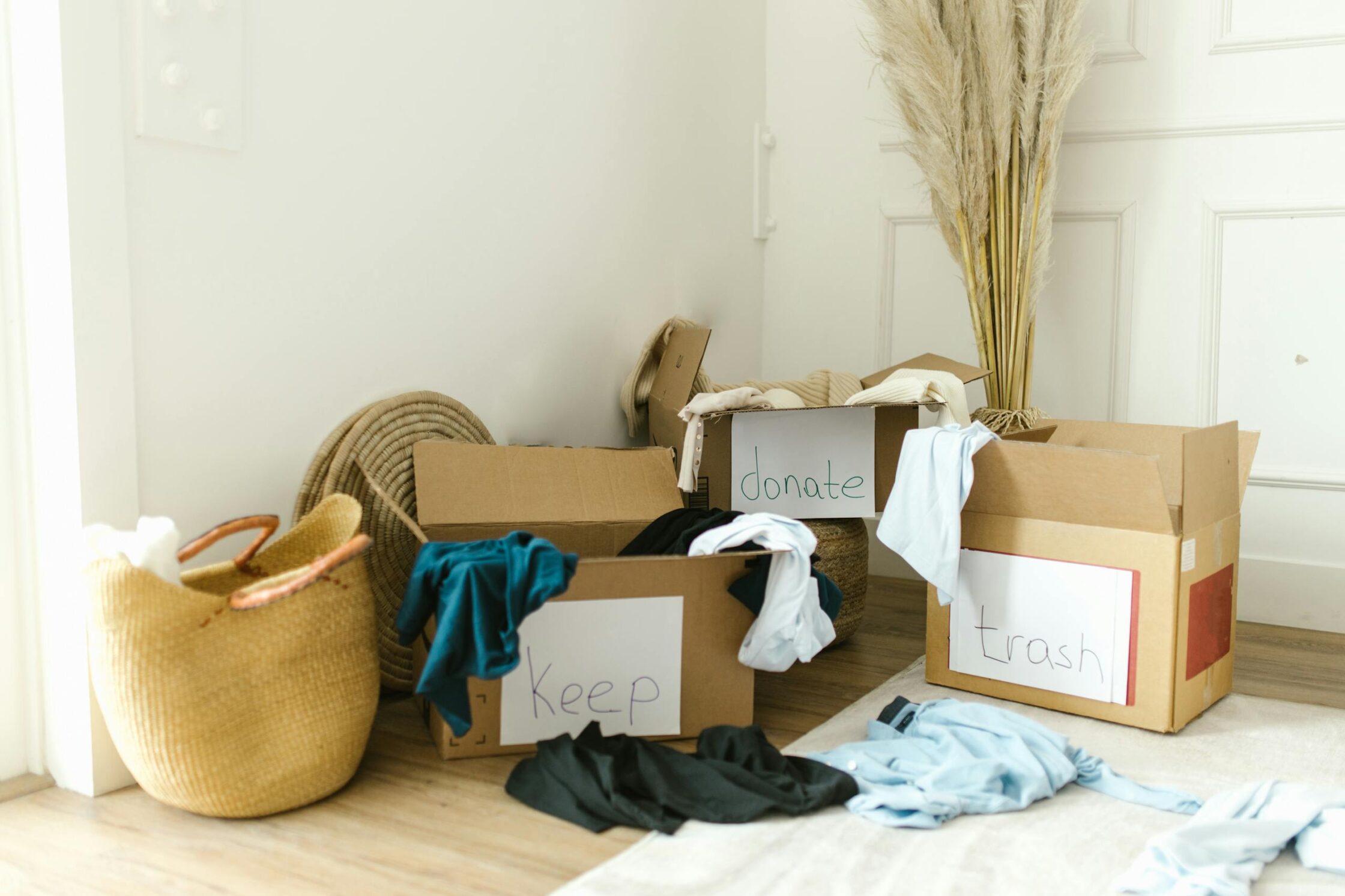
Here’s a family-friendly approach to decluttering that teaches kids responsibility and generosity after December.
Gifts for Christmas also mean it’s time for the annual decluttering. Gift-wrapping essentials collect dust in the closet. Impulse buys that we thought could make a nice gift, but forgot about. Food that’s been sitting in the pantry since World War II. The pile sometimes just keeps growing because we toss it somewhere, and it becomes a whole “out of sight, out of mind” issue.
So, if we’re getting overwhelmed with decluttering our homes after December, here’s a family-friendly guide of what to keep, donate, and let go:
Donate
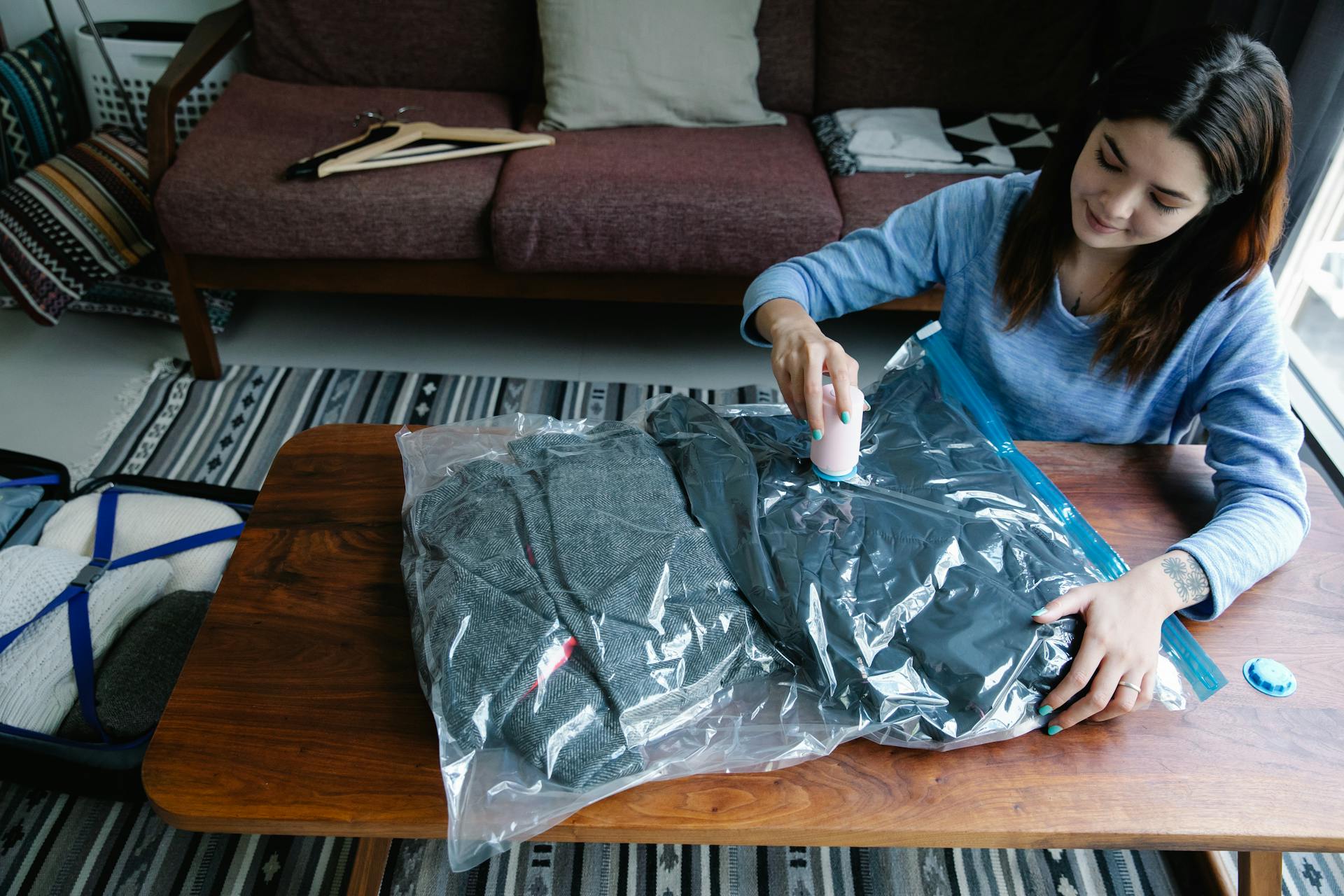
The season of giving doesn’t just end with Christmas; it can last all year round. When we declutter and donate, always ask ourselves the following question:
- Can it still be used despite how banged up it is?
- Do we know anyone who can use it?
- Is it still reparable? – This is most especially for appliances.
Here are some of the items that we can donate after the holidays.
Extra canned food
So long as it’s not expired and the can is not dented, canned food can go a long way for soup kitchens and orphanages. These are usually corned beef, sardines, or canned tuna—depending on who gave it.
Old corporate clothes
Most corporate clothes aren’t made with a stretchy fabric, so we often just replace them with a bigger size. Besides, if some of us are going into their entrepreneurial era, we’d probably need to focus on something more on-the-go, smart casual. But there are kids out there who are still working on their thesis defense who’ll need those corporate clothes. So, it’s a perfect time to declutter.
Shoes
Old heels, flats, boots, and rubber shoes that still look presentable always deserve a pair of feet that will love them. Although styles come back, some of us have feet that change in size. Or, we develop some sort of problem like plantar fasciitis, which can hurt unless we wear some special shoes.
Plastic takeout containers
These are the microwaveable ones, and we probably got a lot of these if we ordered takeout for Christmas. Some smaller carinderias and soup kitchens use them to pack food away for their patrons. Others sell these as junk per kilo, so they can be recycled and reused somewhere else.
Let Go
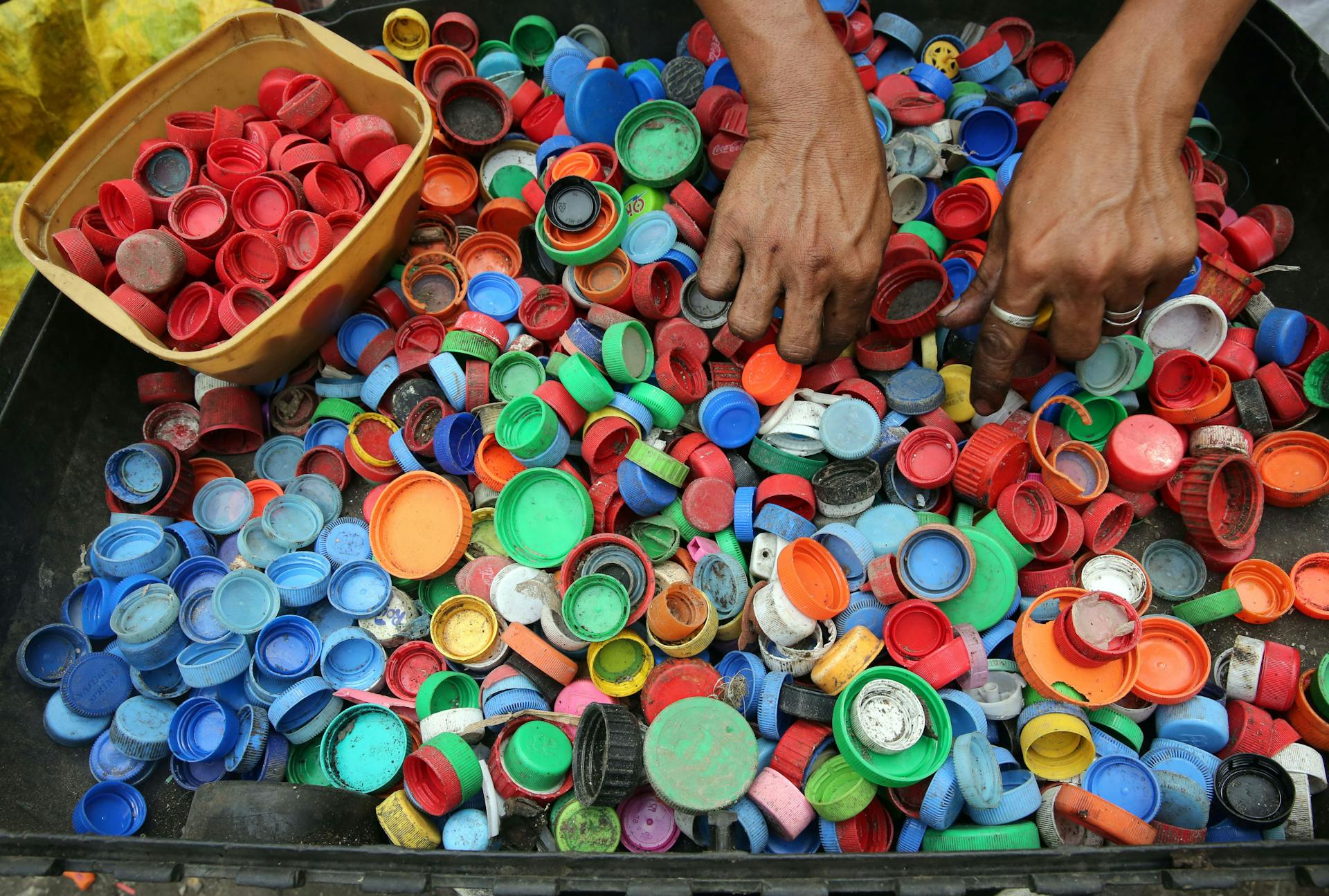
These are the items we just toss. No arguments. Keeping these can be a hazard, health-wise and home-wise.
Broken laptops
Although we can salvage them as much as we like, these models do get phased out. Considering how fast technology evolves, some laptops lose their value in two years, even if they can last for ten years. Laptops, unlike desktops, rely on specific parts, which make them more pricey to maintain and repair.
So, if one of the laptops has been repaired so many times already that the cost surpasses the amount we bought it for, toss it out. But make sure to extract the data drive to make sure there are no important documents in it. Most computer repair shops can do that.
Leftovers from Christmas 2024
No food, sauce, or soup lasts for two years unless it’s got that many preservatives. Don’t feed these to the strays or pets either. That’s poisonous.
What are some of the things worth keeping?

Things like clothes in our color and made of comfortable fabric, food items we know will disappear in a week, or just items that make parenting and our lives a whole lot better are always worth keeping.
Decluttering after December doesn’t have to feel like a punishment for surviving the holidays. When done as a family, it becomes a quiet reset—one that teaches kids discernment, responsibility, and generosity without a lecture. Keep what serves your home now, donate what can still serve others, and let go of what has overstayed its welcome. Homes, like parents, function best when they’re not carrying unnecessary weight. Start small. Start honest. Start together.
Frequently Asked Questions
January is ideal. The holiday rush is over, routines are restarting, and kids are more receptive to lessons about responsibility and giving.
Expired food, broken electronics, severely damaged clothes, and unsafe items should be responsibly discarded or recycled, not donated.
Give them simple choices: keep, donate, or let go. Limit the task to one category at a time—books, toys, or clothes—to avoid decision fatigue.
Parents can donate to local barangay drives, churches, orphanages, community pantries, and NGOs that accept food, clothes, and usable household items.
It’s okay if you can’t! Some parents use Grab or Lalamove to deliver the donations. Others usually post it on a Facebook group focused on decluttering to coordinate things better.
More about decluttering and cleaning?
Clear Your Space to Clear Your Mind
Decluttering With Ayessa Bautista
Declutter and Sell Pre-loved Items Through These Facebook Groups