
July In The Philippines: Diabetes Awareness Month 2025



Besides Food Nutrition Month 2025, the Philippines also celebrates Diabetes Awareness Month 2025 in July
Nutrition has been a long-standing problem in the Philippines, especially in the context of food security. While we try to find every way to keep our kids healthy, the trade-off isn’t always good. We often give our kids healthy and good food while sacrificing and eating sugar-laden food for energy to work and earn money to sustain a healthy lifestyle. It’s why diabetes is such a problem and why the Philippines’ Department of Health also celebrates July as Diabetes Awareness Month, usually celebrating an awareness week towards the end of the month.
So, when did Diabetes Awareness Month start in the Philippines?

When did Diabetes Awareness Month start?
It seems weird to many who look it up on the internet. Why does the Philippines celebrate Diabetes Awareness Month in July while other countries around the world do so in November? We still accept the international ruling, though. Former president Gloria Macapagal Arroyo proclaimed that the Philippines would still recognize World Diabetes Awareness Day on November 14.
Usually celebrated as Diabetes Awareness Week, the celebration began with a declaration on July 23, 1993. The late president, Fidel V. Ramos, signed Executive Proclamation No. 213 to officially declare the last week of July as Diabetes Awareness Week. In the same order, he also recognized the Philippine Center for Diabetes Education Foundation, Inc. as an organization that would help Filipinos survive and thrive amid the complications of diabetes. All this was to “educate people about the disease.”
Then, on June 11, 1996, the Philippines would establish Republic Act 8191 and also known as the “National Diabetes Act of 1996.” The act would then commission a council of nine individuals to serve as the members of the National Diabetes Commission. It would be composed of one (1) clinical diabetologist, one (1) licensed physician involved in research and education on diabetes, one (1) epidemiologist, one (1) a nutritionist with experience in the control of diabetes, one (1) social scientist, one (1) non-government organization member engaged in the prevention and treatment of diabetes, one (1) from the academe and one (1) diabetic with a record of public service in reducing the impact of the disease on affected individuals and their families.
Several efforts would soon follow, with several senate bills like the Diabetes Care Act of 2016, authored by Antonio V. Trillianes during the 17th Congress of the Republic. The bill focused on getting diabetes patients the care they needed while also streamlining and collaborating with the healthcare industry to further “educate” the public. Diabetes Philippines, an NGO, has also been spreading awareness.
The Life of A Diabetic In The Philippines
It’s hard to be a diabetic in the Philippines — any Filipino will agree. From the mildly sweet kakanin to the rice meals that fuel the motivation to work, sugar has been the long-time source of energy for Filipino families. Unfortunately, eating sugar isn’t something that can be done long-term. Based on a survey done by the International Diabetes Federation (IDF), in 2024, the Philippines had around 4,726,300 and a prevalence of 7.5% which means around seven to eight Filipino adults in the Philippines (Jimeno et. al, 2021; Robredo & Cembrano, 2022).
Most families suffer from diabetes mellitus, or more commonly known as type 2 diabetes. It’s also known as adult-onset diabetes; adults are the ones who usually have this kind after their bodies are unable to break down sugar for energy.
Moms are also prone to diabetes, usually known as gestational diabetes. However, it usually goes away on its own after they give birth. Because the hormones are fluctuating or all over the place, sometimes, the body becomes more sensitive to sugar. It’s manageable as a condition, so long as there’s a healthy diet and good exercise.
Unfortunately, diabetes — being a hormone disease — deeply affects the liver. Pre-existing liver diseases like Fatty Liver (both the alcohol and non-alcohol variant) can also make people more susceptible to diabetes and vice versa (Ornos, Murillo, and Ong, 2023).
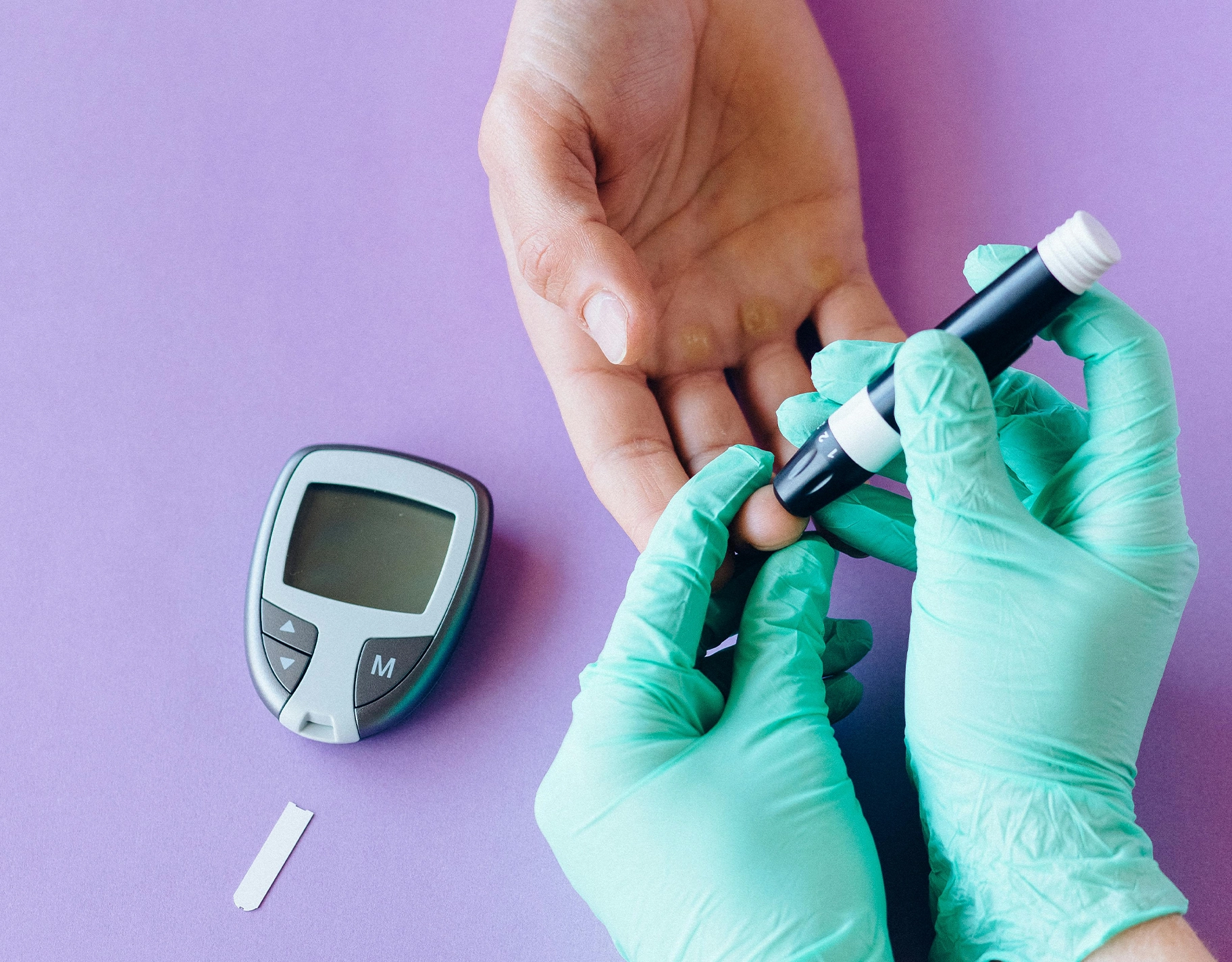
Are there any resources available for diabetics?
Due to diabetes becoming more common, the government removed VAT and taxes from some maintenance medicines used to handle diabetes and high blood pressure. Sugar-free alternatives have also become more accessible, revealing ingredients like erythritol and stevia.
Managing diabetes means balancing out natural sugars and swearing off processed sugars. Some sugars found in fruits, milk, and rice are unavoidable. However, if we can go a week or a month without some soda or our favorite chocolate bar then, we’ll hopefully not be part of the statistic.
References
Jimeno, C., Sy, R. A., De La Pena, P., Cipriano, C., Tan, R., Panelo, A., & Ng, J. Y. S. (2021). Direct medical costs of type 2 diabetes mellitus in the Philippines: findings from two hospital databases and physician surveys. BMJ open, 11(10), e049737.
Ornos, E. D., Murillo, K. J., & Ong, J. P. (2023). Liver diseases: perspective from the Philippines. Annals of Hepatology, 28(3), 101085.
Robredo, J. P. G., & Cembrano, D. L. D. (2022). Out on a limb: living with diabetes in the Philippines during the pandemic. The Lancet Diabetes & Endocrinology, 10(11), 771-772.
More about diabetes and family life?
Double Whammy: When Both Sides Of The Family Have Diabetes
The Truth About Diabetes
Dear Families, Beware Metabolic-Associated Fatty Liver Disease (MAFLD)!