
Doomscrolling: The Digital Time Sink and How To Stop Yourself



What was supposed to be five minutes turn into hours with doomscrolling. Here’s how to avoid it.
“Just five more minutes”—it’s every parent’s famous last words as they scroll through their phone. While there’s nothing wrong with doing so while waiting for the rice cooker to click off or the kids to finish brushing their teeth, suddenly, we find ourselves spending hours on it. Many call it a time sink; others like to call it: doomscrolling—one of the most exhausting bedtime rituals.
For moms and dads juggling work, caregiving, and the emotional labor of holding a household together, doomscrolling isn’t about curiosity. It’s about control—trying to stay informed in a world that feels increasingly unstable.
But here’s the hard truth: staying constantly plugged in doesn’t make us better parents. It makes us more anxious.
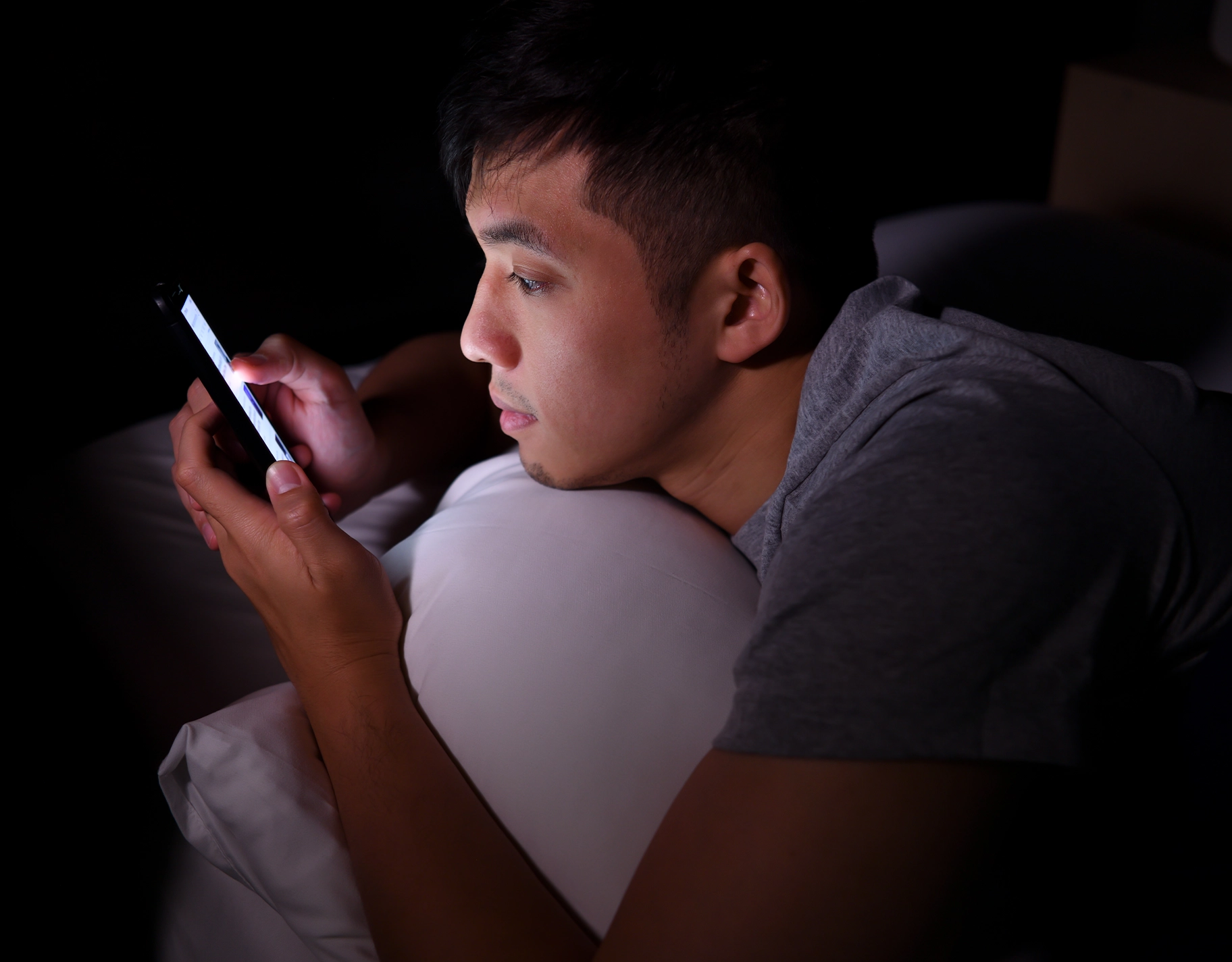
What Is Doomscrolling?
Doomscrolling is the habit of endlessly consuming negative news or distressing content—often late at night or during moments meant for rest.
For parents, it usually looks like:
- Scrolling through bad news after the kids fall asleep
- Consuming alarming health, crime, or economic updates
- Jumping from one crisis headline to another “just to be prepared.”
It can feel productive. Responsible, even.
But neurologically? It’s stress on a loop.
Why Doomscrolling Hits Parents Harder
1. Your Brain Is Wired for Threat Protection
Parents are biologically tuned to spot danger. Doomscrolling hijacks that instinct and convinces your brain everything is a threat—right now.
2. You’re Already Mentally Overloaded
Work deadlines. School emails. Doctor’s appointments. Doomscrolling adds emotional noise to an already crowded mind. It just doesn’t look that obvious since most reels run for 15 seconds or lower.
3. Doomscrolling Masquerades as “Staying Informed.”
Many parents believe scrolling equals preparedness. In reality, after a point, it stops being information and starts being anxiety fuel.
4. It Steals Rest—Your Rarest Resource
After watching those videos, the brain stays awake. Even as we stare aimlessly at the ceiling, our brains run because of all that content. So, yes, it does steal rest because we’re actually thinking too hard.
5. Kids Absorb What You Don’t Say
Children notice when parents are distracted, tense, or mentally elsewhere—even if no words are spoken.
How Parents Can Break the Doomscrolling Cycle (Without Going Offline)
1. Set a “News Window,” Not a Ban
Choose one or two specific times a day to catch up on news. Outside that window? Close the apps.
2. Replace Night Scrolling With “Soft Content.”
Swap breaking news for low-stakes content before bed—books, light podcasts, or calming videos.
3. Turn Off Push Notifications
If it’s truly urgent, you’ll hear about it. Constant alerts train your brain to stay on edge.
4. Ask: “Is This Helping Me Parent Better?” or “Is It Helping Me Be Better?”
If the answer is no, scroll away—without guilt.
5. Model Healthy Digital Boundaries
Kids don’t need parents who know everything. Sometimes, the greatest thing a parent can do is tell their kid to just “look it up.”

The Bigger Picture: Digital Wellness Is Parenting Wellness
Doomscrolling isn’t a moral failure. It answers the need to always stay informed or to “be in the know,” which, survival-wise, isn’t always a bad thing. Knowledge is power after all.
But when parents are constantly bracing for disaster or just consume content that does not affect their lives whatsoever, family life shrinks. Conversations shorten. Patience thins. Joy gets postponed.
And if we’re finding ways to fall asleep, don’t doomscroll. Read a book instead. Saves our eyes from damage, too.
Frequently Asked Questions
No. Staying informed has an endpoint. Doomscrolling doesn’t.
Yes. Kids sense emotional tension and distraction.
Studies consistently link excessive negative media consumption to increased stress, anxiety, and sleep issues.
Only if it’s not doing anything good for our brains. But, boundaries are still the best.
Turning off notifications and setting time limits—small changes, big relief. Or turn off your phone’s connection to the internet. Putting it on silent helps too.
More about digital wellness?
How YouTube Strengthens Parental Authority in The Digital Space
These Celebrity Moms Talk About Raising Kids in the Digital Age
Maez De Guzman: Weaving Tech Into The Home