How Emotional Safety Becomes a Child’s First Love Language



Here’s how emotional safety becomes a child’s first love language
While Filipinos have “mahal kita” as the direct expression of “I love you,” we can all bet an arm and a leg that our parents never said that to us. Instead, they said things like, “Kumain ka na ba?” or “Asan ka na ba?” or even “Uuwi ka pa ba?”
Other times, they don’t say anything. We just find a packed lunchbox or our favorite meal on the table. Or our laundry, freshly washed, ironed, and folded.
Some parents are louder. They kick doors open to get you out of bed to wake up because school starts at 8 AM. They also sometimes drag their kids everywhere with them, even if it’s not their thing, because they want to connect.
With so many ways to express, we forget to ask: do the kids feel emotionally safe when all this happens?
Before kids understand words like care or commitment, they understand how safe it feels to exist around the people they love most. And that safety, or lack of it, becomes the language through which they interpret love for years to come.
Here’s why emotional safety matters deeply—and how it shapes the way children grow, relate, and thrive.
What is Emotional Safety?
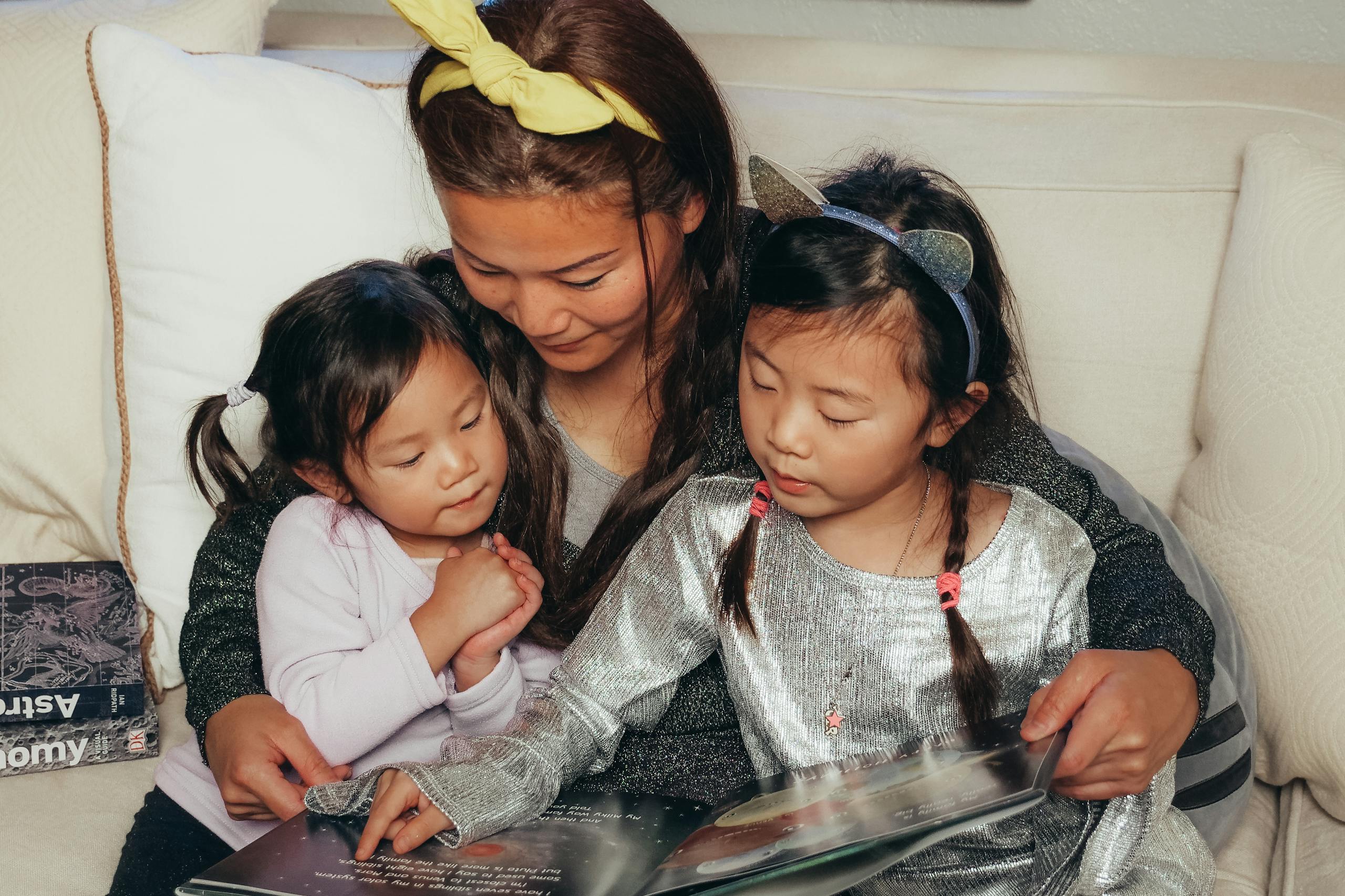
A child who feels emotionally safe knows one thing early: “I don’t have to perform to be loved.”
In Filipino households where respect, obedience, and pakikisama are emphasized, kids often learn to read the room quickly. Emotional safety gives them permission to speak without fear of being shamed, dismissed, or scolded for being “bastos” or “salbahe” for expressing feelings.
When children are allowed to feel sad, angry, confused, or even wrong and learn how to deal with issues that make them feel that way, they’ll realize emotional safety. They learn 1) things do get frustrating, and 2) there’s always a solution to it anyway.
That lesson lasts longer than any lecture.
Parents Become a Child’s Emotional Blueprint
Children don’t learn emotional regulation from instructions. They learn it from exposure.
When we respond to stress with shouting, silence, or emotional withdrawal, children internalize that emotions are dangerous or inconvenient. When parents pause, breathe, and respond—even imperfectly—kids learn that feelings can be handled, not feared.
In a culture where many parents are juggling work, traffic, finances, and extended family expectations, calm can feel like a luxury. But even small moments of emotional steadiness tell children:
“You’re safe with me—even when things are hard.”

Emotional Safety Makes Discipline About Guidance, Not Fear
Many of today’s parents are tired of disciplining. Sometimes, it can be so difficult when the kids press every button. Rage comes out, and when the words “generational trauma” haunt us, we just throw our hands up in the air and say, “We’ll do this another time.”
But that’s the thing: no form of discipline is comfortable. It’s not supposed to be; that’s how they learn. What differentiates the discipline from its traumatic cousin, named abuse, is how related it is to the problem and if it has a precedent.
Abuse is shouting at the kids for spilling milk without actually cleaning it up. As if the milk will magically clean itself up after screaming at it.
Discipline is still getting mad, but instead, pointing at the towel and telling them firmly, “Clean that up. We will not leave this room until you clean every little drop.”
The correction will always feel like rejection at first. But kids eventually learn that it didn’t cost them love. It might have cost them their eardrums temporarily, but they’re not loved any less. They now learned something new: how to clean up after themselves.
Unfortunately, it gets hard to balance that because Filipinos weaponize hiya (shame)—unintentionally—as a teaching tool. Emotional safety reframes discipline from “What will people think?” to “What can we learn from this?”
The result? Kids who grow up accountable, wear their flaws like armor, and say, “So?” at anyone who tries to shame them.
It Shapes How Children Ask for Help—Or Don’t
Emotionally safe children ask for help.
They declare it to their parents with no problem. Struggling in school? “Mom/dad, school’s hard.” Overwhelmed? “Mom/dad, ayoko na.” Problems that somehow don’t make sense? “Mom/dad, what’s this?” It’s so easy for them to ask for help that even adults can go green with envy over it.
However, a lot of kids who grew up in emotionally dangerous environments become excellent social chameleons. To them, every interaction is a hunt. They stay silent, watching every person’s mannerisms. Any mistake is buried or solved before anyone can notice. They prefer to work alone because everything’s under their control. These are also the kids who are “magaling magtantsa ng tao.”
Other kids have a moniker for these kinds of people: doormats.
For Filipino parents raising kids in a world of academic pressure, online noise, and social comparison, that emotional safety becomes the bridge that keeps communication open—long after childhood.
Emotional Safety Teaches Kids What Love Feels Like in the Real World
Children carry their first experiences of love into every relationship they form.
If love felt conditional, they chase approval.
If love felt volatile, they normalize chaos.
If love felt safe, they seek respect, consistency, and care.
Emotional safety doesn’t mean perfect parenting. It means children grow up knowing that love isn’t something they earn—it’s something they can trust.
And in a world that will test them endlessly, that trust becomes their anchor.
How Parents Can Provide Emotional Safety To Kids
Providing emotional safety doesn’t require more money, more time, or more parenting books.
Sometimes, it means being willing to be a “villain” in their little quests so they can grow.
It can also mean being vulnerable with oneself and others, so they can see it’s okay.
Or it can mean showing that it’s okay to live in our little world for a bit.
In Filipino homes where love has always been expressed through sacrifice, emotional safety is sometimes best learned through modelling. And for children, that’s probably how they’ll remember it the best.
Frequently Asked Questions
Seeing their own parents safely express their feelings all the while giving them that space too. Because when parents accept that all emotions are acceptable, they feel safe with it too.
Yes because anger is a typical emotion. It’s what you do with and after the anger that counts.
Spoiling a child means taking every discomfort from them. Emotional safety can mean letting them face the discomfort but not letting it rattle you.
Give them the tools to survive. The more they know, the calmer and safer they’ll feel.
Everything is happening all at once, all at the same time. Teaching them how to navigate themselves and the world around them helps them stay emotionally safe.
More about emotional wellness?
Truths About Seeking Mental Health Help
Mental Health Begins Within the Family
How Kids Understand The 5 Love Languages