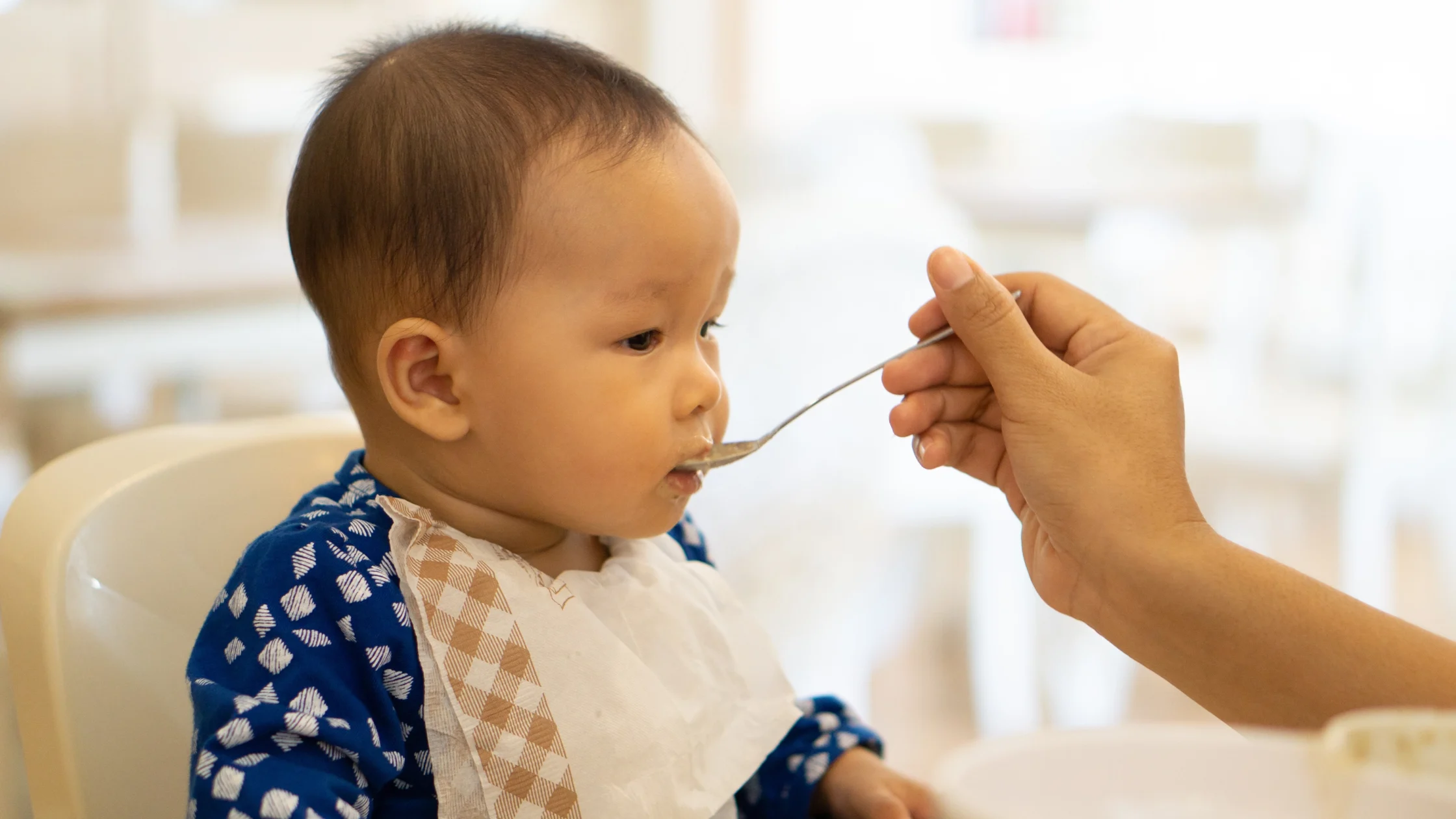
Filipino Recipes That Can Be Pureed Into Baby Food



Here are some Filipino food recipes that can be turned into baby food
Every parent’s greatest frustration is finding food that their baby can eat. A lot of times, we just hear pureed squash and call it a day. But squash isn’t exactly the easiest thing to prepare. Besides having to skin it and remove the seeds, we have to boil and blend it until smooth. That’s on top of cooking meals for the rest of the family. Plus, nobody likes having to pull out so many kitchen appliances when there’s no one willing to do the washing.
So, what do some parents do? They just serve the baby the same food everyone’s eating, but pureéd. Fewer things to worry about and more opportunities to develop our baby’s taste buds. Here are some of the Filipino dishes that can be pureéd for the baby:
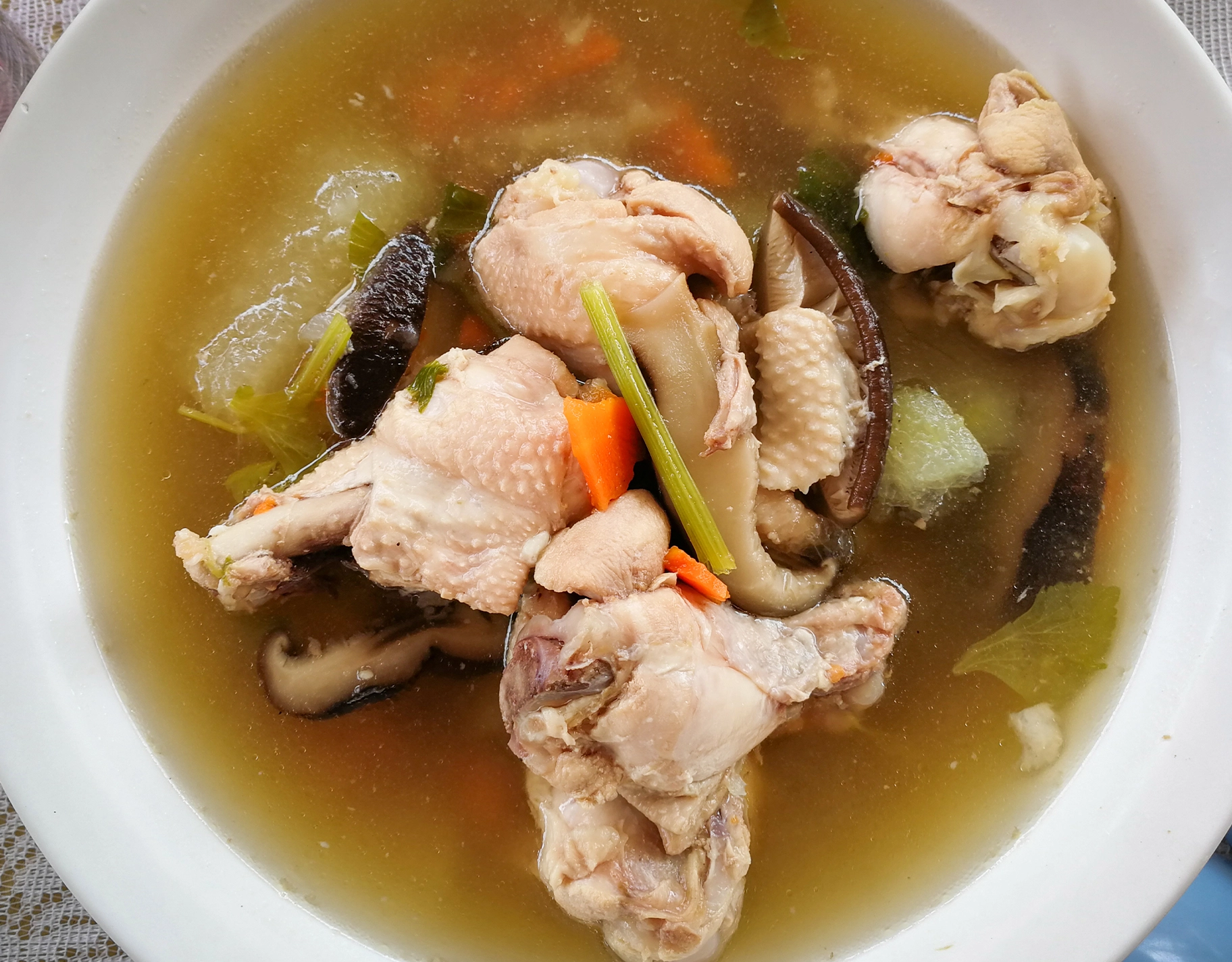
Tinolang Manok
One of the healthiest Filipino food dishes, Tinolang Manok has been the food for champions and also one of the easiest to cook. The best part is—sayote is rich in fiber, folate, and vitaminsVitaminsNutrients such as vitamin A, C, D, and iron that support growth and immunity. Most children get them from a balanced diet, and parents should ask a pediatrician before giving. For babies, simply boil the sayote, garlic, and onion until it’s mushy enough to smash and blend. Add the chicken soup for liquid. Maybe hold off on the malunggay unless it’s so small and soft to not cause choking.
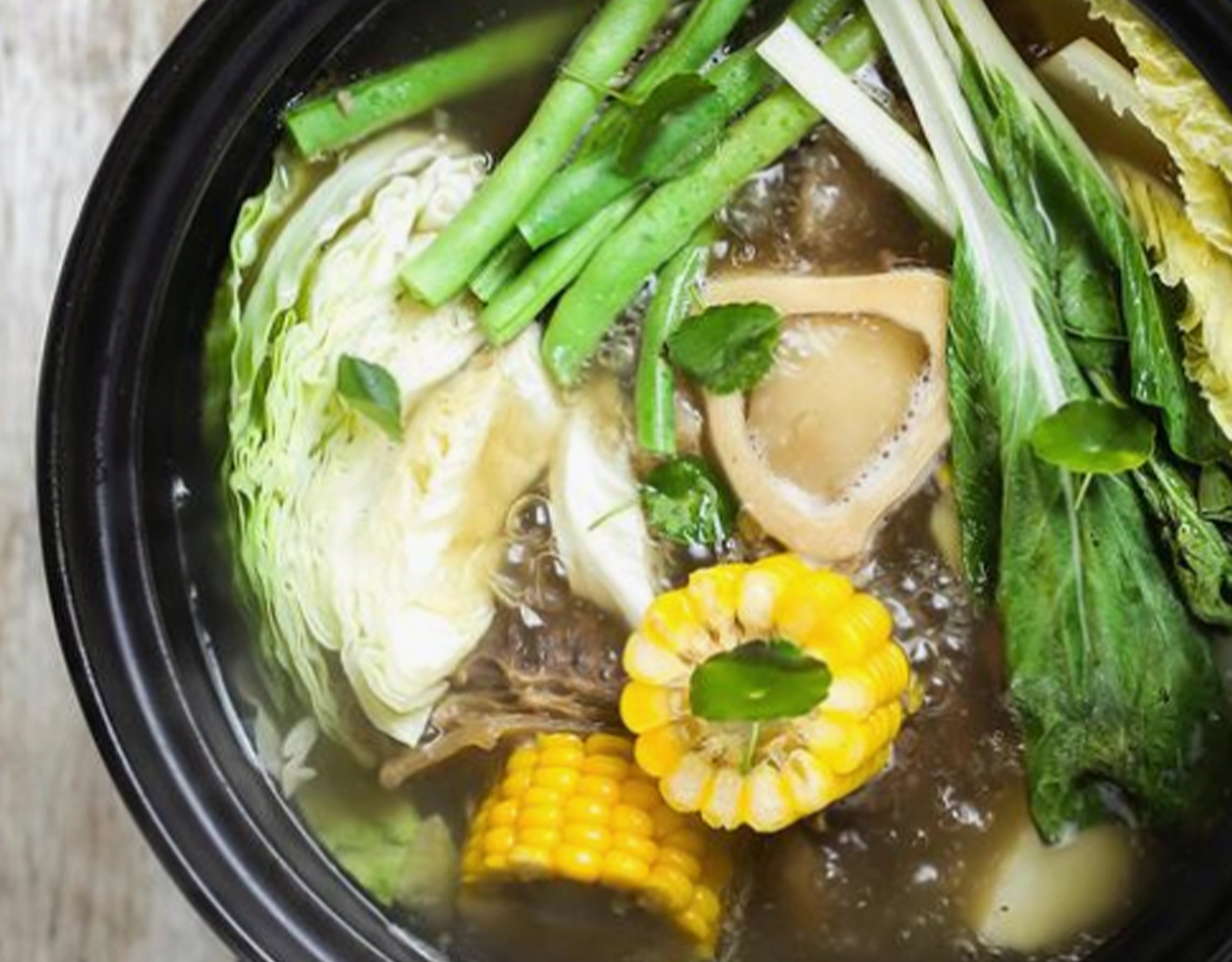
Bulalo
The hearty Bulalo has always warmed the soul. Besides the cabbage, corn, garlic, and onions, Bulalo has fat from the shank part or the bone marrow. Put a tiny scoop of bone marrow (maybe the thickness of a coin) and then mix it in the broth with the veggies. Avoid the black peppercorns—those can be choking hazards.

Pochero
What makes Pochero tasty for Filipinos is the presence of banana. And let’s be honest: a banana has such a strong flavor that it’ll overwhelm everything else. Most Filipinos (especially Cebuanos) put a saba banana or two in their Pochero or Kaldereta, making it sweet. Don’t blend the whole banana, though. Maybe just half or one-fourth of the banana, so it’s not too sweet.
Bananas are known to be loaded with potassium.
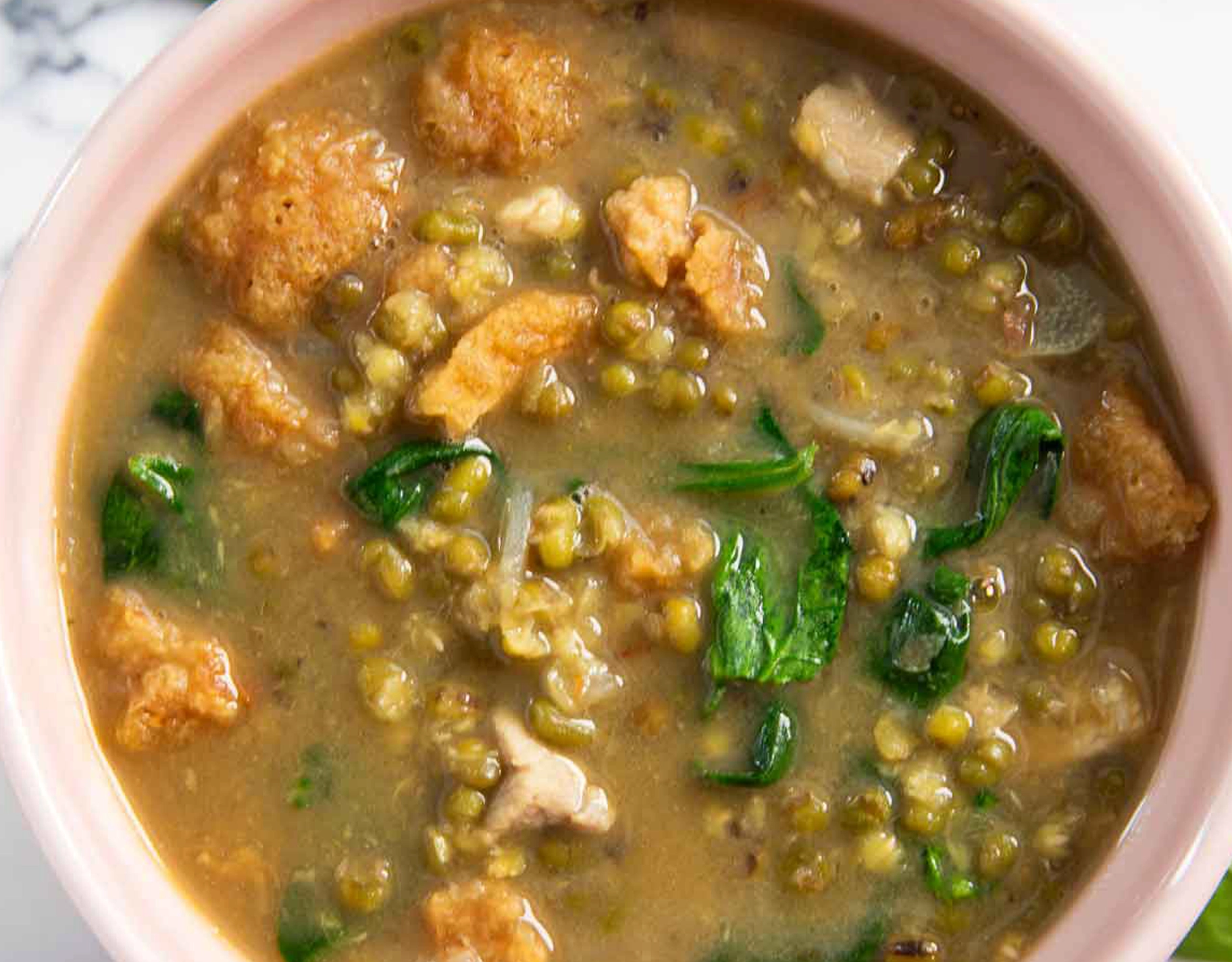
Ginisang Monggo
Some parents swear by giving their ten-month-old or one-year-old baby Ginisang Monggo because of how mushy it is. What they do is they reduce the salt by not using bouillon cubes since babies can’t have too much sodium yet. The best part about Ginisang Monggo is that the beans themselves are already so mushy that they’re just a reheat away from being liquefied.
Munggo is known to be rich in iron, fiber, and other proteins.
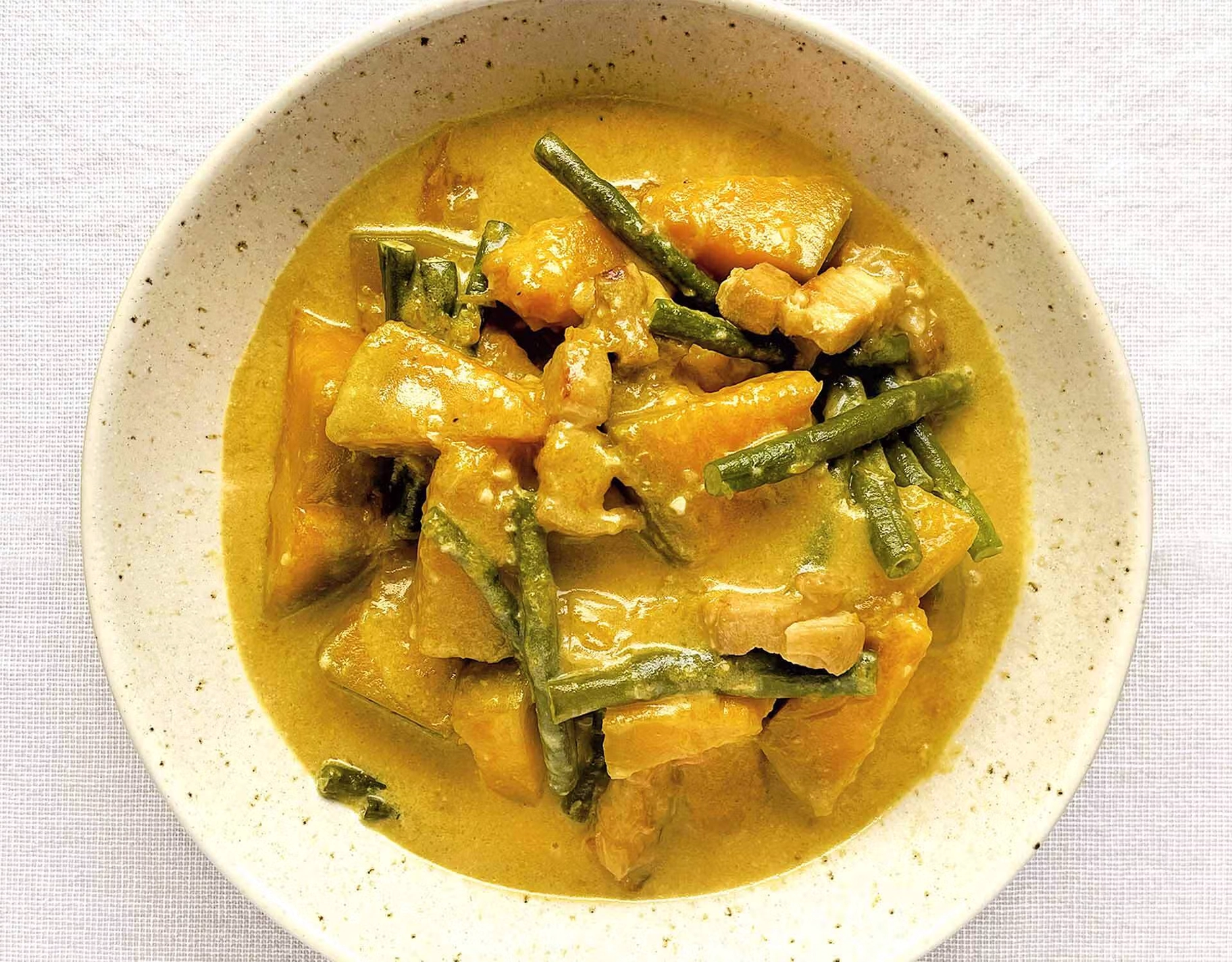
Ginataang Kalabasa
We know we just shot down the idea of squash, but if we’re already eating Ginataang Kalabasa for dinner, why not? Squash has already been proven to be good for babies, and coconut milk just adds more flavor. What some parents do is they don’t put the powdered coconut milk, electing to make coconut milk from scratch. They also skip the bagoong or salt for the baby.
Filipino Food Into Baby Food: Just Remove The Salt
The best part about turning Filipino food into baby food is that we just have to follow a simple rule: little to no salt. Which, let’s be honest, is pretty okay—since salt can just be added later.
Usually, Filipino parents start doing this around at least six months. By introducing the baby to new foods before they hit a year old, they have lower chances of becoming picky eaters. They would be at least more familiar with some flavors instead of the usual sweetness that comes from baby formula.
Of course, this doesn’t completely replace breastfeedingBreastfeedingFeeding a baby with milk from the mother's breast, recommended by health authorities as the sole food for about the first six months. It supports immunity and bonding, and Philippine. But it does help. Most Filipino stews are nutrient-dense, and the best part is—it makes cooking or meal prepping for the baby a whole lot easier. Just make sure to always check for allergiesAllergiesAn overreaction of the immune system to a harmless substance such as food, dust, pollen, or pet dander. Common childhood triggers include eggs, milk, peanuts, and seafood, so parents should and consult the pedia if there are any dietary needs.
Frequently Asked Questions
Yes. Many Filipino dishes like tinola, monggo, and ginataang kalabasa can be pureed into baby-friendly meals by just reducing the salt (sodium) or sugar.
Reduce or remove salt, avoid strong seasonings, and make sure everything is mushy and almost liquid. Babies need low-sodium meals for safe and healthy development.
Most parents start feeding their babies this kind of food when they’re around six months old, once they begin solids and are ready for soft, blended foods.
Soft, nutrient-rich dishes like tinolang manok, bulalo broth with vegetables, ginisang monggo, and squash-based meals work well. Most Filipino dishes can be adjusted but require more prep work compared to the ones mentioned.
It can help. Early exposure to different flavors and textures may make babies more open to a wider variety of foods as they grow.
More about Filipino food?
Filipino Food Month 2026: Why Food Still Brings Filipino Families Together
Picky Eaters, Meet Filipino Food: How to Introduce Kids to Local Dishes
10 Local Brands in the Philippines to Support: Food Edition