How Filipinos Honor Undas: Remembering, Returning, and Remaining Close



Like many traditions in the Philippines, family lies at the core of Undas
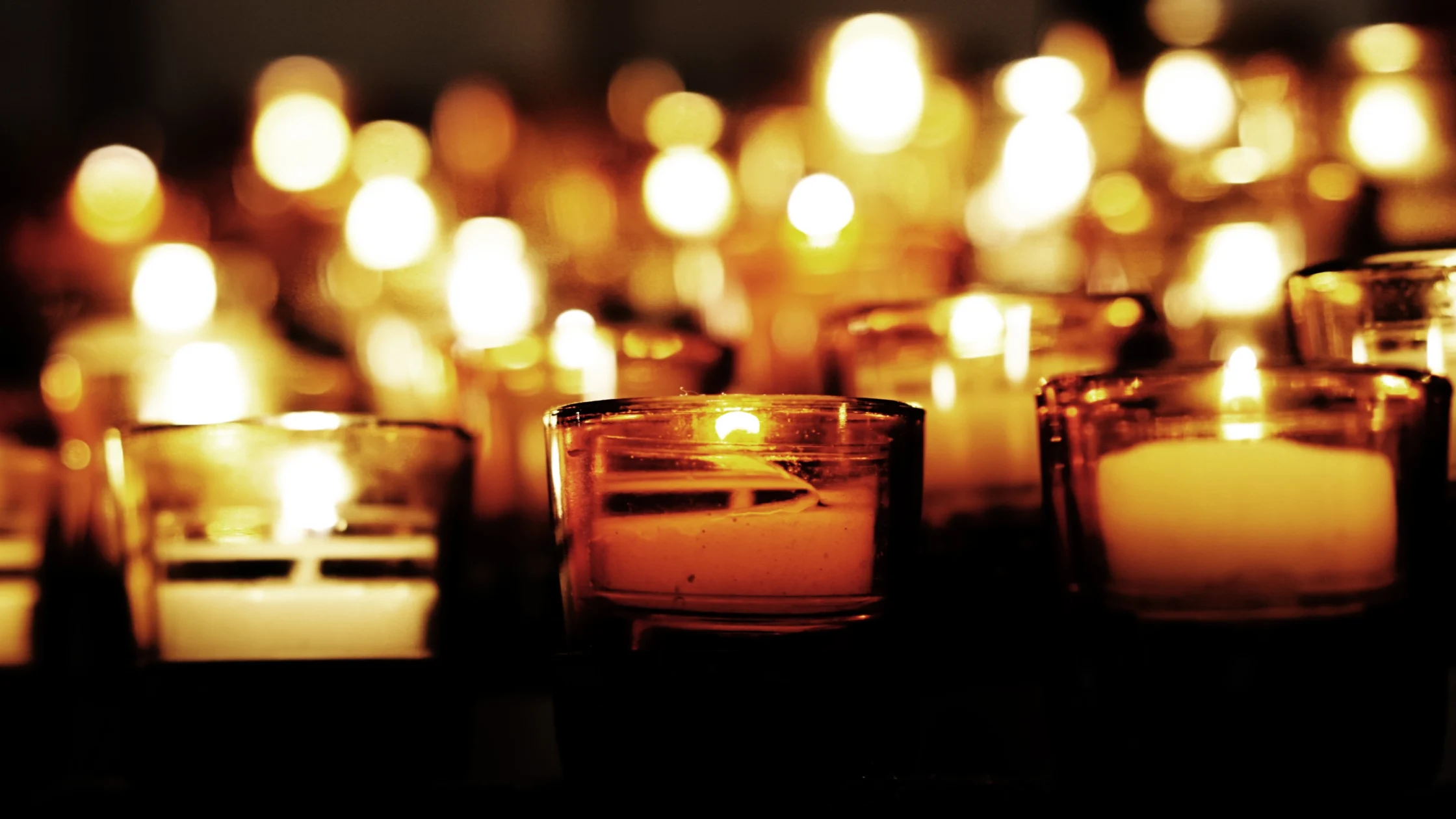
By the time October slips into November, a familiar rhythm begins to hum across the Philippines. Buses brim with homebound families, flower vendors fill street corners, and the scent of melted candles mingles with prayers. Undas, also known as a fusion of All Saints’ and All Souls’ Day, is here, bringing the country into collective remembrance.
In this uniquely Filipino observance, grief and joy intertwine. Families gather not to mourn, but to remember together. It’s a time when stories are passed down beside candlelight, laughter rises among gravestones, and love — steadfast and cyclical — comes home once more.
What Makes Undas Enduring
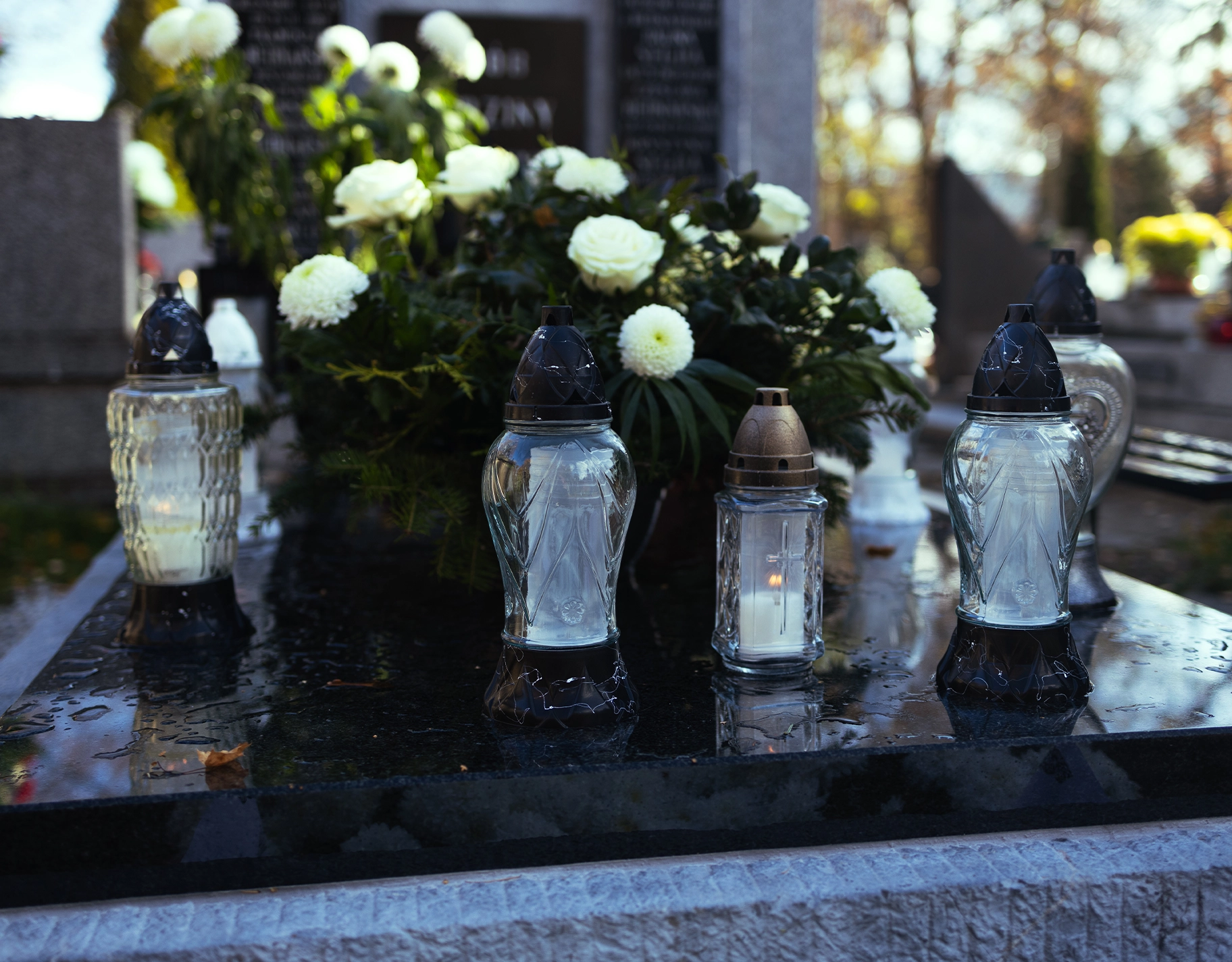
At its core, Undas is a family affair. Tombs are scrubbed clean, flowers are carefully arranged, and food — always food — is shared in abundance. There’s adobo for comfort, kakanin for sweetness, and sometimes even a round of cards or music. Cemeteries glow with candles and conversation, transforming spaces of loss into gatherings of life.
To outsiders, it may seem unusual — this celebration among the departed — but to Filipinos, it makes perfect sense. Death does not sever bonds here; it simply changes the way we stay close.
The Psychology Behind Undas: Sikolohiyang Pilipino
To understand why Undas resonates so deeply, we turn to Dr. Virgilio Enriquez, the pioneer of Sikolohiyang Pilipino or Filipino Psychology. He believed that the Filipino sense of self is woven through kapwa — shared identity and interconnectedness.
Undas, through this lens, becomes an act of pakikipagkapwa-tao — a way of affirming that we are never alone. We honor our loved ones not out of obligation, but from utang na loob (debt of gratitude) and paggalang (respect). These values, passed through generations, remind us that remembrance is not just a ritual — it’s a reflection of who we are as a people.
Modern Expressions of an Ancient Tradition
Even as lifestyles change, the meaning of Undas endures. Some families light candles at home, others create online memorials or visit cemeteries early to avoid the rush. The form may evolve, but the intention — love, remembrance, and connection — remains the same.
In essence, Undas adapts because Filipino love does too. It learns new languages — digital, distant, or quiet — but never disappears.
Why Undas Still Matters
Undas is not about death. It’s about continuity — the invisible thread between generations, stitched with stories and songs, prayers and laughter. In remembering our dead, we remember the best of what it means to be Filipino: devoted, resilient, and rooted in kapwa.
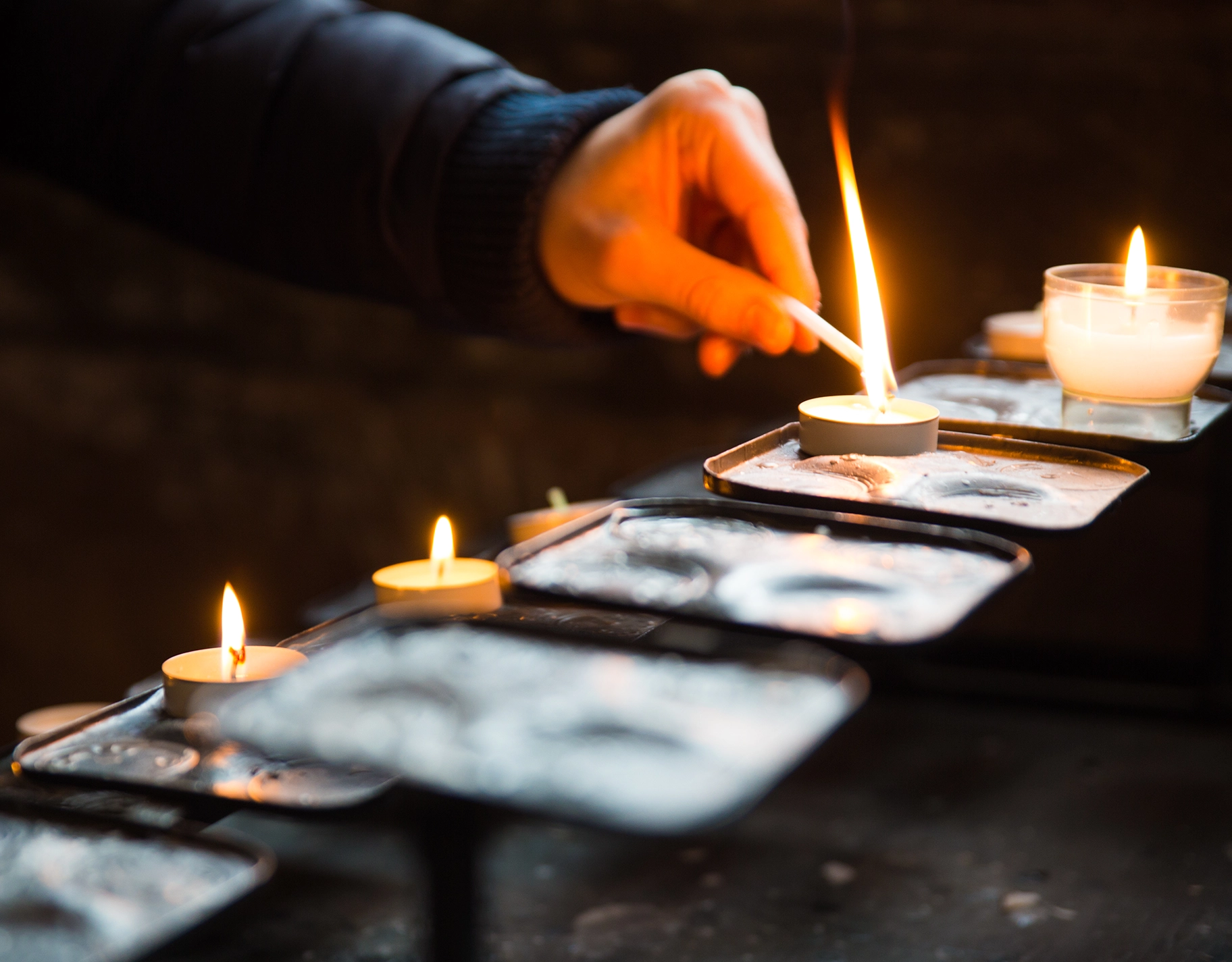
Every November, as candlelight flickers against the dark, the message remains clear — love, like memory, does not fade. It simply changes form.
Frequently Asked Questions (FAQs)
Undas is the Filipino observance of All Saints’ Day and All Souls’ Day, celebrated every November 1 and 2. It’s a time when families visit cemeteries, light candles, offer prayers, and remember loved ones who have passed away. For Filipinos, it’s less about mourning and more about reconnecting — with family, memory, and shared stories.
Filipinos celebrate Undas to honor the dead while reaffirming the bonds of the living. Rooted in Sikolohiyang Pilipino (Filipino Psychology), it reflects kapwa — a shared sense of humanity. The act of remembering is not simply cultural; it’s emotional and spiritual, expressing gratitude (utang na loob) and respect (paggalang) toward ancestors and loved ones.
Families gather at cemeteries to clean tombs, decorate with flowers, light candles, and share food. It’s common to see relatives spending the whole day — or even the night — together, reminiscing over meals or laughter. Others may now observe Undas at home or online, but the heart of the tradition remains the same: remembrance through togetherness.
While cemeteries remain central, modern families are finding new ways to celebrate — from early cemetery visits to lighting candles at home or creating online memorials. Despite these changes, the meaning of Undas stays constant: honoring the unbreakable bonds between generations.
Absolutely. Many Overseas Filipino Workers (OFWs) light candles at home, visit local churches, or create small memorial corners to honor their loved ones from afar. In the spirit of Sikolohiyang Pilipino, distance doesn’t diminish kapwa — the sense of shared connection. Wherever they are in the world, Filipinos carry the memory of family in their hearts.
More about grief and love?
Finding Love and Strength in Grief
Dear Parents, Please Allow Yourselves To Grieve
Life After Death: A Husband’s Story about Love, Life, and Loss