Generation Alpha and Beyond: What the Future of Childhood Looks Like



How AI, climate change, and tech are shaping Generation Alpha— and what parents in the Philippines can do today
Picture this: a child born in 2025 steps into a world where voice assistants already know their name, virtual classrooms are the norm, and climate warnings come with their breakfast. Welcome to the lived reality of Generation Alpha. Born from around 2010 to 2024, they’re the generation that will define what childhood means in a world where tech and climate co-exist.
As Filipino parents, we’re used to adapting. We tie rakets and piano lessons around school hours, we join in the tambay of family gatherings, and we juggle homework and household duties with ease. But Gen Alpha is both our children and the pioneers of tomorrow’s world. Here’s what that means — for them, for us — and how we can help them thrive.

1. Digital Natives from Day One
From the first lullaby to the first steps, Generation Alpha has lived in a world where screens, smart devices, and AI assistants are familiar — not foreign. According to Dataconomy, many of them already rely on tablets or apps for both learning and entertainment.
What this means for parents in the Philippines: the “just one more show” moment is not just about passing time — it’s part of how your child interacts with the world. It’s why intentional digital habits matter now more than ever. Teaching them autonomy, balance, and how to co-exist with technology is as essential as teaching them to tie their shoelaces.
2. Climate-Aware and Earth-Effortful
These children will inherit a planet already in flux. Studies show many kids in Gen Alpha are aware of climate change and feel both responsibility and anxiety about it.
In the Philippines, where typhoons, floods, and weather changes are part of family conversations, our kids are already witnessing the effects. But alongside the challenge comes opportunity: as parents, we can guide them toward hopeful engagement — packing reusable lunch boxes, joining community clean-ups, or even school projects around local environmental action. Because childhood here won’t just be about play — it may include guardianship of the earth.
3. Learning, Not Like Yesterday
While schools in the Philippines still insist on face-to-face classes, many kids from Generation Alpha don’t see school like that. They don’t “sit in rows.” Google has become their best friend as they use laptops, smartphones, and tablets to take notes.
Simulations are more common, too. Alternate Reality (AR) and Virtual Reality (VR) have replaced real-life labs. Most millennials would even joke, “Where’s the fun in that?”
Filipino families today are called to know both manual and automatic: pens and books for manual, and computers for automatic. But the approach to learning still remains the same: with curiosity, flexibility, and the acceptance that it is a life-long process. Encourage our kids to ask “why,” open explorations outside the usual curriculum, and use gadgets as tools, not just entertainment.
4. The Balancing Act: Screen Time, Real Time
Technology is normal for them. Anything manual or mechanical will probably be deemed “ancient.”
But human connection, messy play, outdoor explorations, and family stories still matter deeply. Too much screen time? We’ve heard too many studies that say screen time does more damage than good.
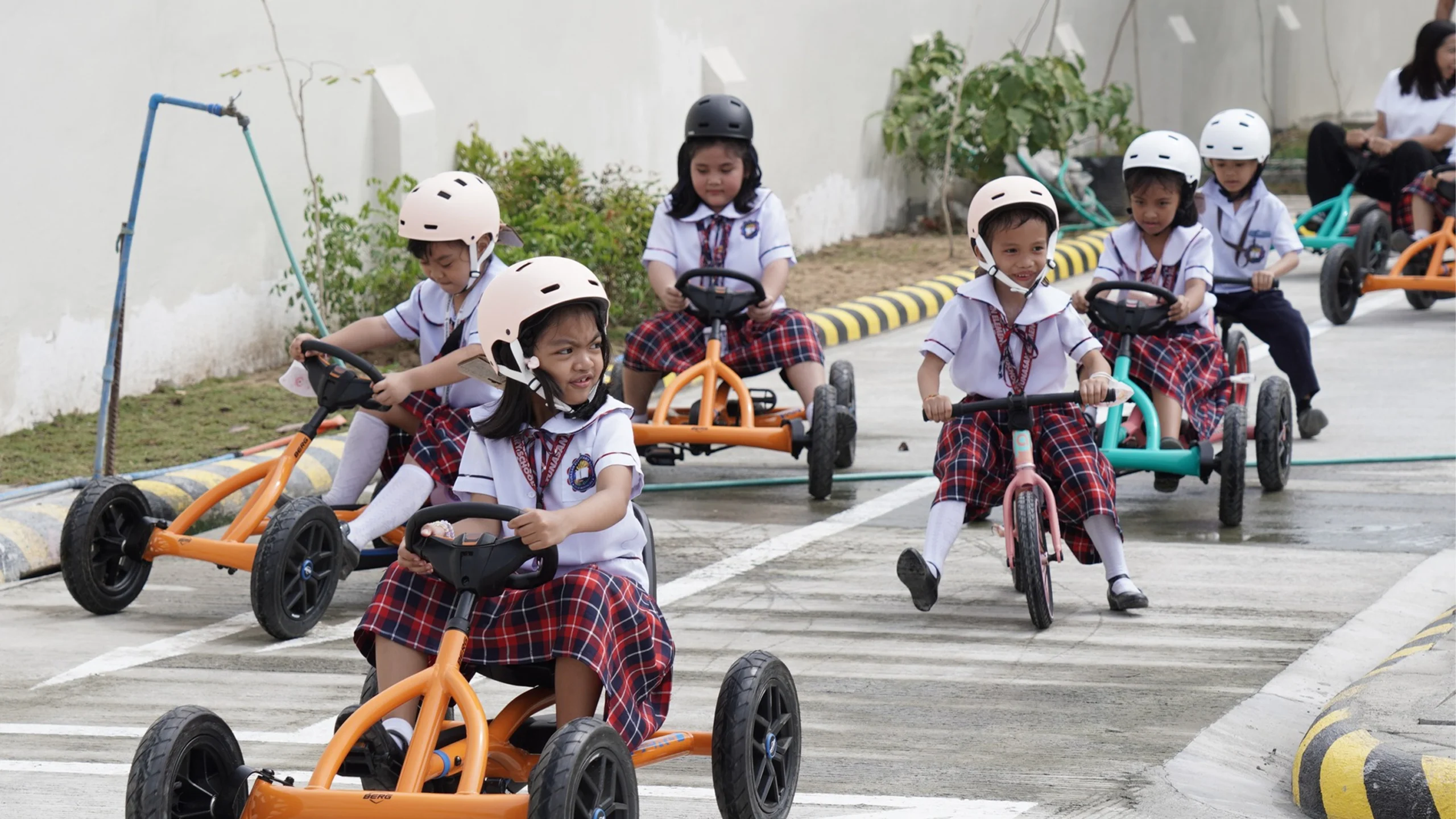
That doesn’t mean we can’t blend the best of both worlds: maybe a screen-free Sunday morning, a garden project, or family board games beside digital games. We’re not supposed to fight tech; we’re advocating for humanity within it.
5. Parenting for the Possible Future
We don’t know what the Generation Alpha kids will face tomorrow. The only thing we can do, as parents of today, is to prepare them with the tools. Not necessarily the knowledge.
- Teach them the basics. Whether it’s plugging a device, looking for a word through a dictionary, and writing on paper, they need the basic mechanical skills to cope with today’s advancing technology.
- Model adaptability. We can’t be too resistant to technology. They live in a world full of it; so it’s time we learned so they can see how we adapt.
- Set values: Tech, yes — but also empathy, resilience, and responsibility for the planet.
- Encourage agency: Gen Alpha wants voice, choice, and meaning.
- Stay connected: Outside the device. Hold dinners, share stories, and make space for conversations they can’t Google.

Welcome to the Age of Generation Alpha
Generation Alpha may grow up faster, play differently, and face different realities, but the fundamentals of a good childhood remain: belonging, exploration, love, and safety. In the Philippines, we all live in a reality where anything can happen. Weathers change in the blink of an eye. Internets crash out of nowhere. And with the hair-trigger response of cancel culture, our kids need to develop both social and mental agility.
In a world shaped by AI, climate change, and digital tides, our children will be the ones who live it, lead it, and transform it. We get to walk alongside them — hand in hand, tablet in one hand and hope in the other. After all, the future is not just for them. It begins with us.
Frequently Asked Questions (FAQs)
Generation Alpha refers to children born from 2010 to 2024. They are the first generation to grow up entirely in the digital age, surrounded by smart technology, social media, and global connectivity.
Unlike Millennials or Gen Z, Generation Alpha’s world is shaped by artificial intelligence, virtual learning, and real-time global issues like climate change. They’re digital-first, globally aware, and highly adaptable — but they also face new challenges around screen time, attention, and mental wellness.
Parents can help by encouraging curiosity and adaptability. That means balancing technology use with real-world experiences — from outdoor play to community involvement — and fostering values like empathy, resilience, and responsibility for the planet.
Technology offers incredible learning opportunities through interactive and personalized education. However, it also demands balance. Too much screen exposure can limit creativity and social interaction, so parents should guide children toward mindful tech use rather than total restriction.
Build a home culture that blends the digital with the human. Have screen-free moments, eat meals together, share stories, and stay curious about the world. The goal isn’t perfection — it’s connection and presence in a changing world.
More about kids and tech?
10 Commandments for Every Kid and Teen Netizen
Christine Melody Taa: A Safe Online Playground for Every Kid
Maez De Guzman: Weaving Tech Into The Home