Habagat, LPA, Storm, or Typhoon? A Parent’s Guide to PAGASA Weather Reports



Here’s a simple guide to understanding the typhoon terminologies—and knowing when to prepare for more serious conditions.
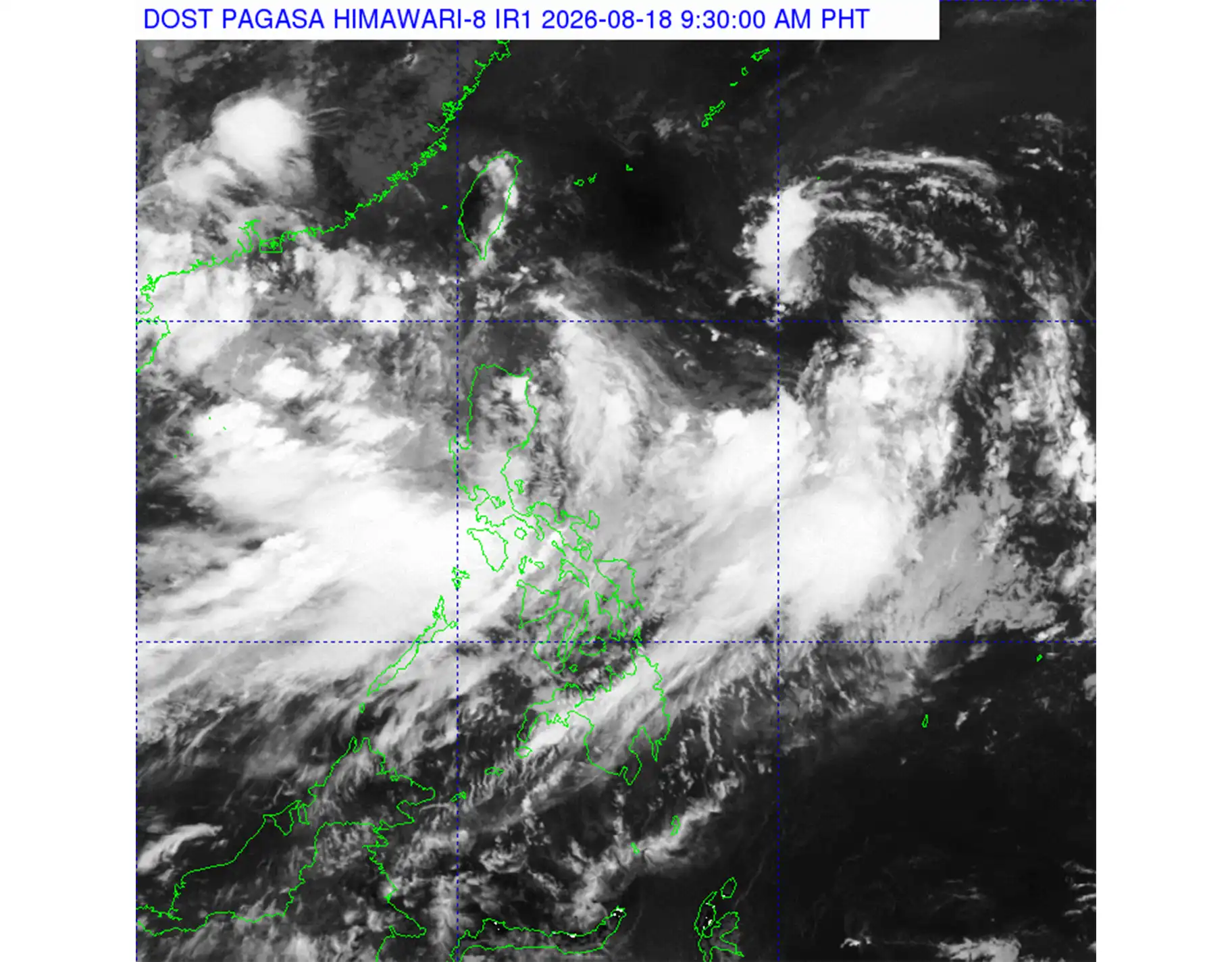
If you live in the Philippines, you’ve probably seen weather reports from PAGASA mention a Habagat, Low Pressure Area (LPA), storm, or typhoon. They all involve crazy rainfall, but they are not the same weather system.
The easiest way to understand them is to remember this: Habagat is a seasonal wind pattern, an LPA is an area of low pressure, while a storm and typhoon are stages of a tropical cyclone based on wind strength.
Knowing the difference can help us decide whether to simply bring umbrellas, start preparing the emergency kit, or fortify the house.
Major Differences Between Them
Habagat
Habagat, or the Southwest Monsoon, is a seasonal wind pattern that brings warm, moist winds from the southwest. It commonly causes rain over the western Philippines, particularly during the rainy season.
It can also become stronger when influenced by a tropical cyclone, leading to widespread rain even in areas far from the storm itself.
Low Pressure Area (LPA)
An LPA is an area where atmospheric pressure is relatively low. It is commonly associated with cloudy skies and rain showers and can sometimes develop into a tropical cyclone.
An LPA is not automatically a typhoon. Think of it as a weather disturbance that PAGASA watches for possible development.
Tropical Storm
A tropical storm is already a tropical cyclone with maximum sustained winds of 62 to 88 km/h, according to PAGASA’s current classification.
Typhoon
A typhoon is a stronger tropical cyclone with maximum sustained winds of 118 to 184 km/h. Stronger than a typhoon is a super typhoon, with winds of at least 185 km/h.
In short: not every rainy day means a typhoon, and not every LPA becomes one.
Always Be Prepared
For parents, the most important thing isn’t memorizing every weather term. It’s knowing what PAGASA is warning about and what your family should do next.
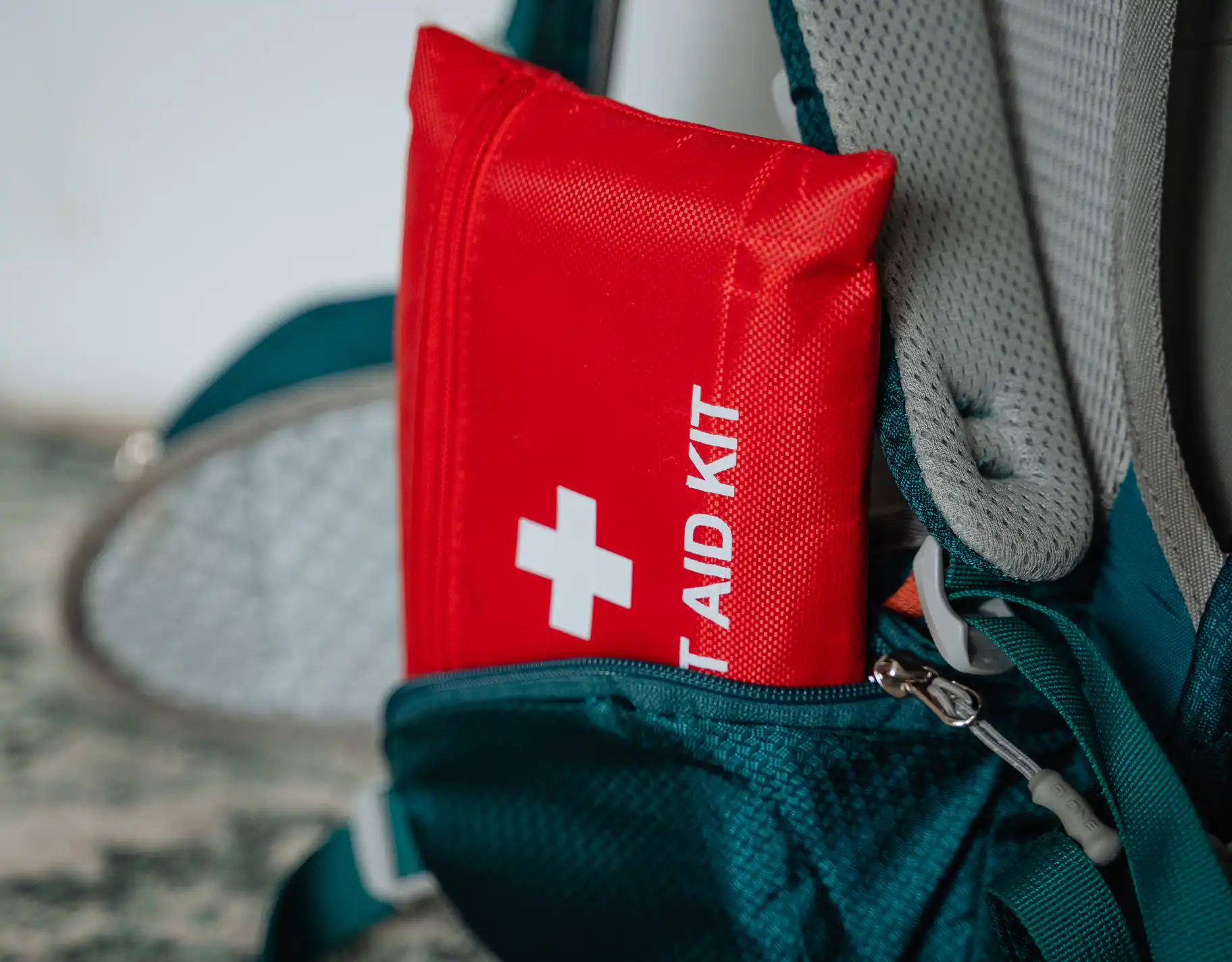
Keep an emergency kit ready, charge phones and power banks, secure loose objects, and monitor official PAGASA updates as severe weather approaches.
Most importantly, don’t wait for the word “typhoon” before taking heavy rain seriously. Habagat and LPAs can also cause flooding and landslides.
Frequently Asked Questions
No. Habagat is the Southwest Monsoon, a seasonal wind pattern.
Yes. Some LPAs can develop into tropical cyclones, although not all do.
Yes. In Philippine weather reports, “bagyo” can refer to tropical cyclones, including tropical storms and typhoons.
A typhoon is stronger. PAGASA classifies tropical cyclones according to their maximum sustained winds.
Follow official DOST-PAGASA forecasts, warnings, and advisories rather than relying solely on social media posts.
More about rainy days?
How Parents Can Turn Typhoons Into Teachable Moments
Leptospirosis in the PH: Prevention is Better Than Cure
5 Tips To Prepare Kids During Rainy Season