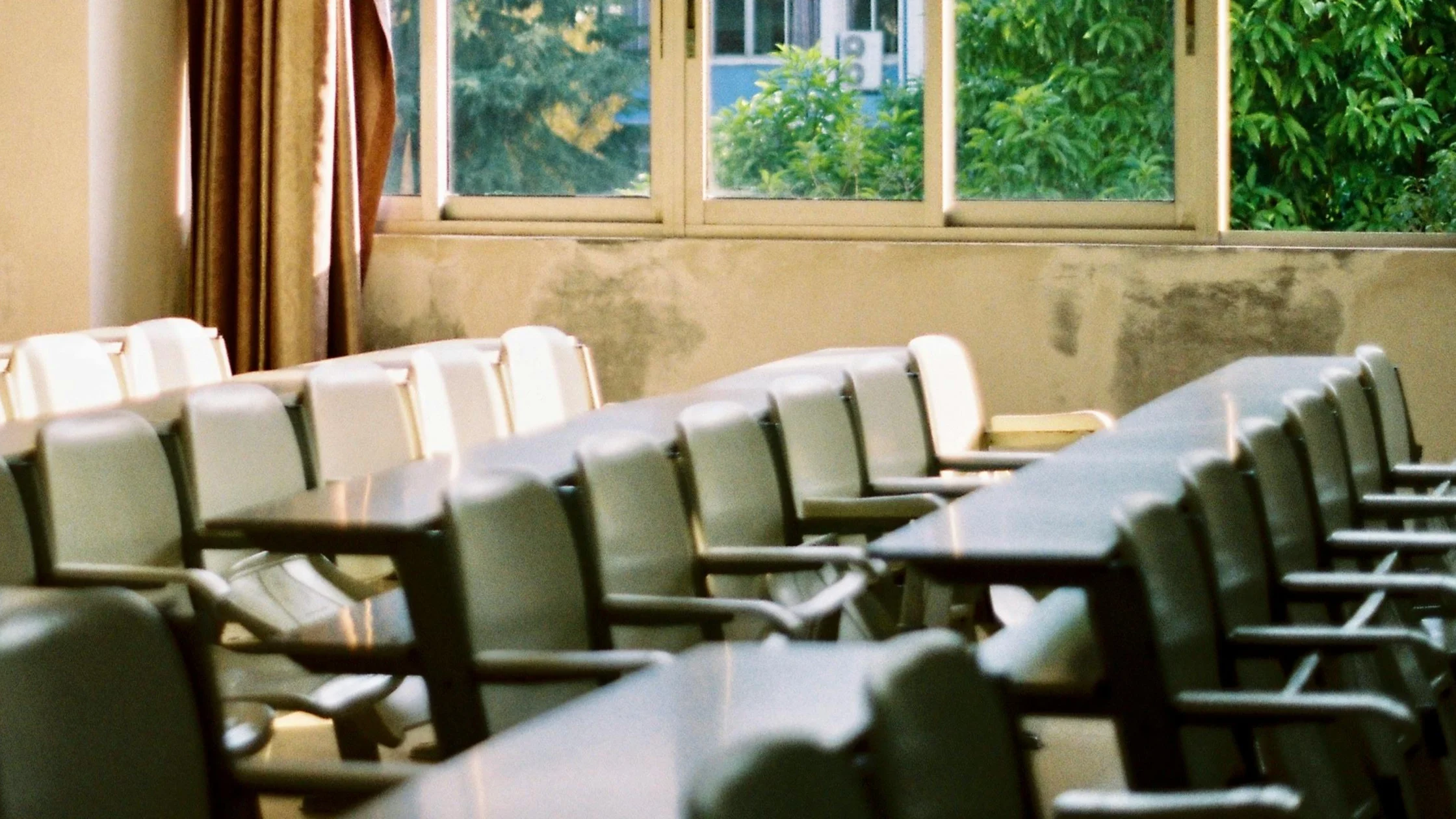
How Parents Can Help Build More Classrooms for Kids



From scholarships to spare spaces, here’s how families can play a key role in rebuilding classrooms for kids to thrive
In the Philippines, damage to schools is not just a headline—it directly affects our children’s right to learn. Following the Department of Education (DepEd)’s data, nearly 16,000 classrooms were damaged in one recent event alone. The good news? Parents and families can be part of the solution. These five practical ways invite you to step in—hand in hand with schools and communities—to help create the spaces our children deserve.
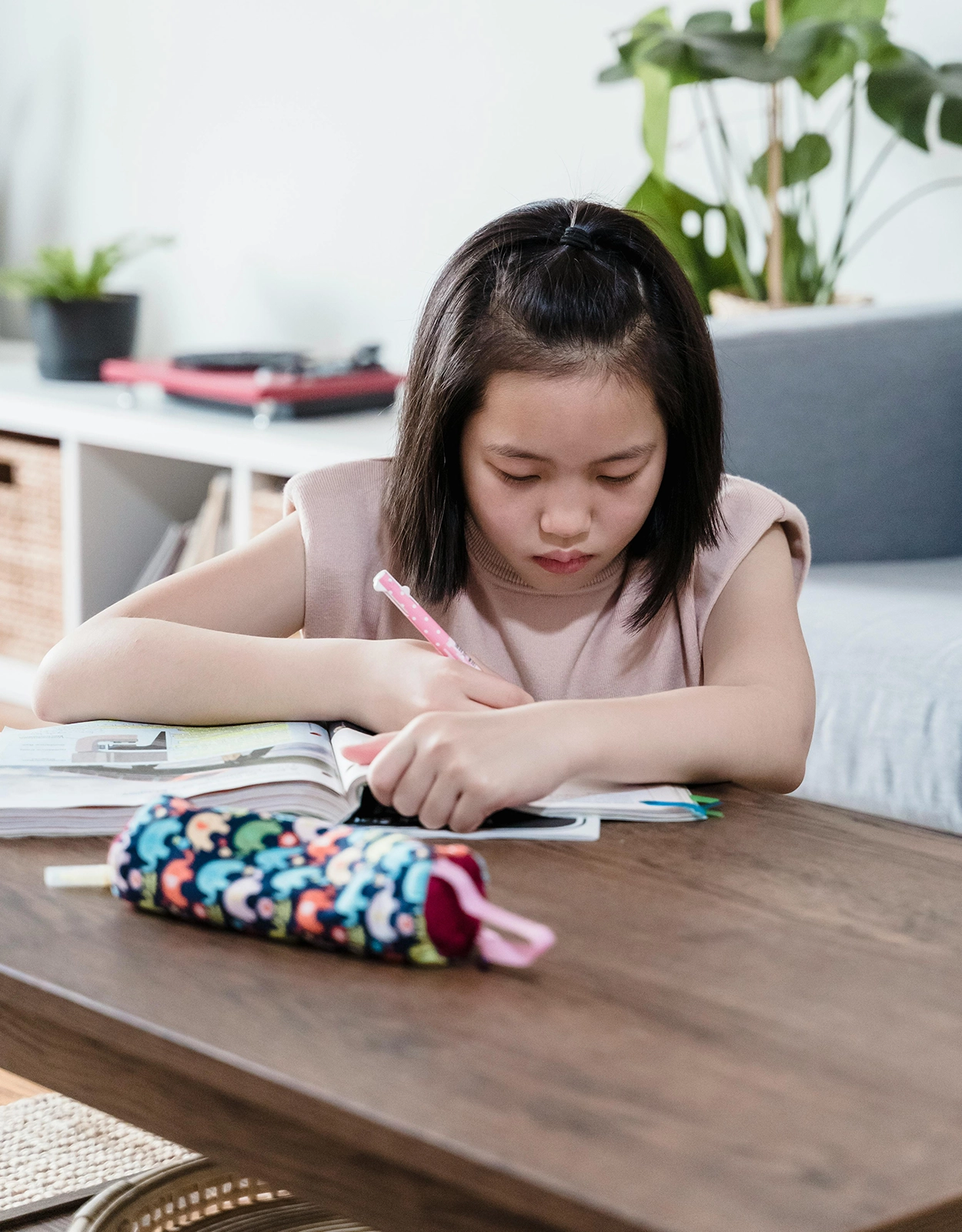
1. Support Scholarship and School-Building Programs
When you donate or partner with organizations like Build Hope Foundation, the National Bookstore Foundation, or the Philippines Business for Education (PBEd), you’re helping fund both learning and infrastructure. These groups link giving to real-world school projects: new classrooms, desks, or library corner upgrades. It’s a smart way to channel generosity into building futures.
2. Turn Your Space Into a Temporary Classroom
If you own real estate—be it a vacant shopfront, rooftop terrace, or community hall—offer it as a temporary learning zone until permanent classrooms are ready. Schools often scramble for safe space after damage. One month of “pop-up classroom” use can make a difference between staying on hold and standing today.
3. Join or Launch a “Adopt-A-Classroom” Initiative
Families, parent-teacher groups, even siblings can partner with one classroom: fund its repair, repaint it, bring in supplies, or sponsor a cleanup day. Focused, measurable action ensures things get right back on track and prevents shifting the entire school year for renovation.
4. Volunteer Your Skills and Connections
It doesn’t always take concrete. Lawyers, artists, small business owners, weekend welders, people within the local government unit to expedite things—your skills matter. Mentor a school’s facility planning, host equipment drives, or coordinate logistics. When parents step in, it lightens the school’s load and elevates the message: education is everyone’s responsibility.
5. Advocate for Learning-Friendly Policies and Awareness
Parents can be change-agents. Write to local officials about classroom shortages. Share stories on social media of children in makeshift learning areas. Encourage your child’s school to track its infrastructure needs. Awareness becomes action when voices are added to reports, budget hearings, and community forums.
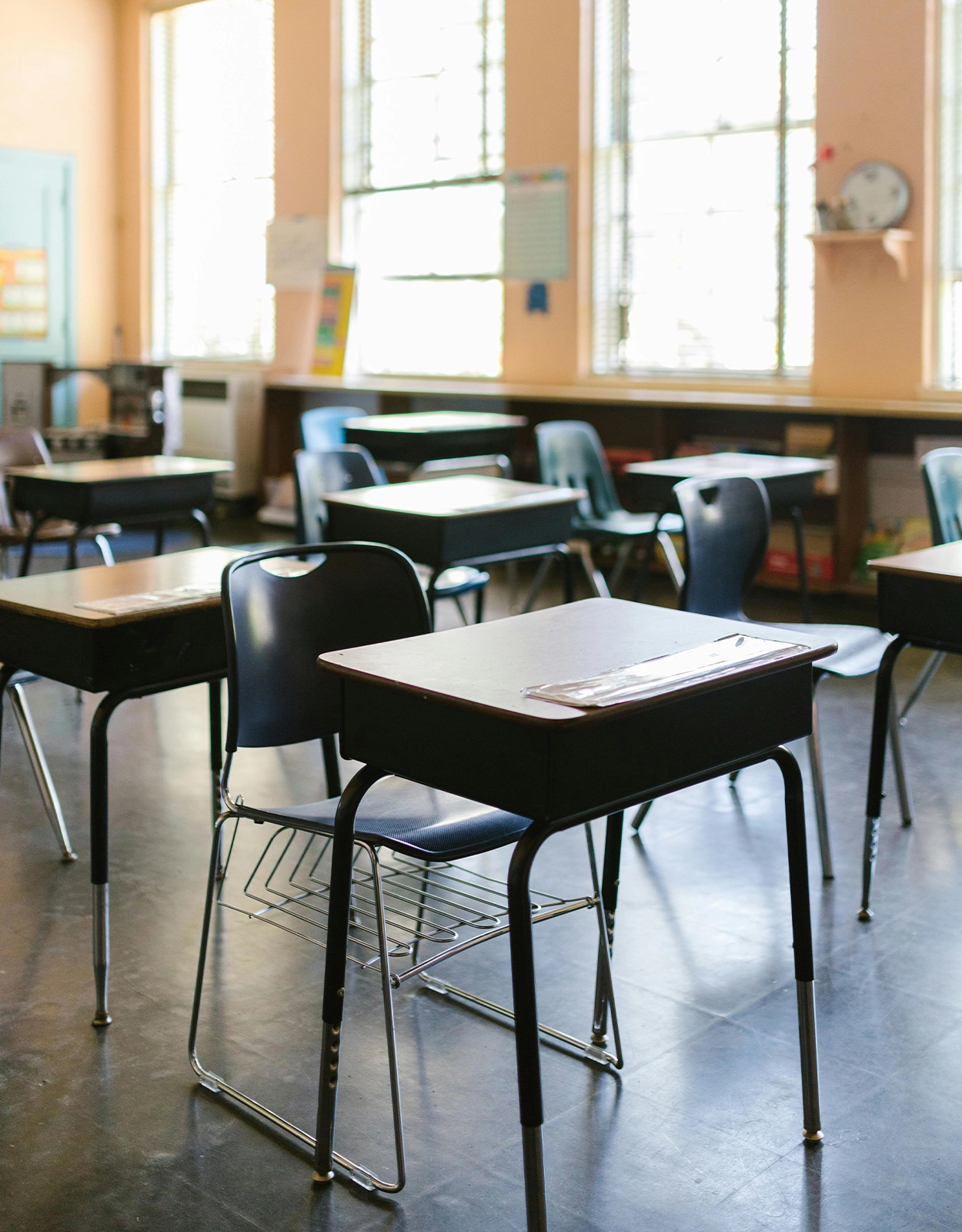
Investing in a Classroom for the Future
While online learning is an alternative, not all areas are equipped with consistent and high-quality internet to sustain the process.
Creating better classrooms is a long-term investment that helps parents everywhere. When we pool our time, space, and resources together for education, we show others that learning matters. Even before concrete is poured, the “hands-on” effort shows our kids that every little one matters. Because every classroom we help build is a message: you belong, we believe in you, and we choose your future.
Frequently Asked Questions (FAQs)
Start by asking around the bookstores or even your kids’ school if they partner with affected schools. Some require temporary learning spaces, others need building materials or volunteer support. Even small acts—like donating fans, chairs, or art materials—lighten the load and help classes resume smoothly.
Yes. Groups like PBEd, World Vision Philippines, and community-led rebuilding initiatives often fund repairs, construct temporary learning spaces, or provide scholarships. Donating or partnering with these organizations ensures your help goes exactly where it’s needed.
It is possible, but make sure to go through the proper channels and foundations to ensure everything proceeds smoothly.
Families or parent groups partner with a specific classroom to fund improvements: repainting, repairs, cleaning drives, or purchasing essential supplies. It’s a simple, high-impact way to see exactly how your contribution helps.
Your time and voice matter. Volunteer in school cleanups, help coordinate drives, offer professional skills, or advocate for safer and better classrooms through social media or local government meetings. Every effort—big or small—helps build a better learning space for every child.
More about classrooms and schools?
Homework Without Tears: Turn Study Time Into Bonding Time
Here Are 5 Benefits of Learning Outside the Classroom
School Hacks: Back-to-School Budgeting For The SY 2025-2026