Navigating the Social Norms of the Online World: Why Learning Online Culture Is A Must For Parents



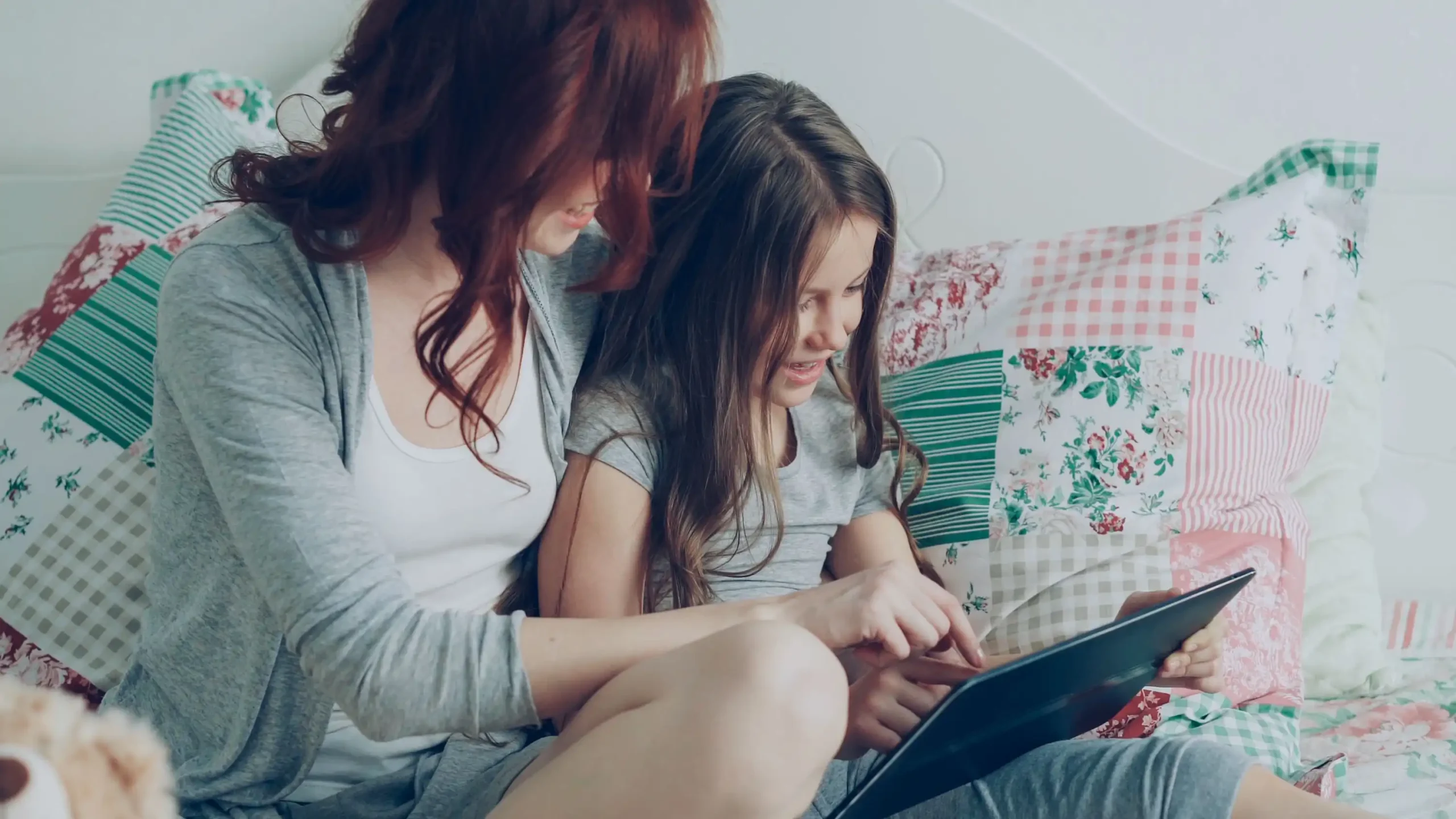
The Philippine Pediatric Society is urging parents to guide—not simply hand over—social media access to children under 16. Understanding kids’ online behavior can help families recognize warning signs, build trust, and encourage healthier digital habits.
Following renewed conversations about children’s online safety in the wake of the Tacloban school shooting, the Philippine Pediatric Society (PPS) has recommended that children aged 16 and below should not have unsupervised access to social media. The discussion has also sparked calls to ban violent video games, with some believing digital entertainment is driving youth violence. However, educators, lawmakers, and child advocates continue to stress that kids’ online behavior is influenced by far more than a single app, game, or platform.
Instead of simply banning technology, experts encourage parents to understand how children behave online—from the communities they join and the content they consume to the friendships they build in digital spaces. Children still need trusted adults beside them as they learn to navigate an increasingly connected world.
Why Parents Need to Understand Kids’ Online Behavior
Children today are growing up in a world that is as digital as it is physical. Friendships begin in group chats, hobbies develop through YouTube tutorials, online games become social spaces, and social media often shapes the conversations they bring into school the next day. Understanding these everyday experiences is now an important part of understanding kids’ online behavior.
That is why the Philippine Pediatric Society’s recommendation isn’t simply about limiting screen timeScreen TimeThe hours a child spends on phones, tablets, TV, and games. Pediatric groups advise little to no screen use for toddlers and limited, high-quality content for older kids, with family—it’s about guided social media use. Parents don’t have to become gamers, influencers, or technology experts overnight. But learning how today’s digital platforms work can make a tremendous difference in recognizing healthy online behavior, identifying harmful influences, and knowing when a child may need help.
In the wake of the Tacloban school shooting, discussions have naturally turned toward the internet, social media, and violent games. Yet many experts caution against treating technology as the sole culprit. Education advocate Bam Aquino said that “video games should not become the convenient scapegoat for school violence,” stressing that there is no single factor behind tragedies of this scale.
He pointed instead to the many possible influences behind such incidents, including bullyingBullyingRepeated, intentional harm toward another child through words, actions, exclusion, or online posts. Parents can help by listening without blame, documenting incidents, talking with the school, and reminding their child, mental healthMental HealthA person's emotional, psychological, and social well-being, which affects how children and parents think, feel, and cope. Open conversations, regular routines, and timely help from professionals make it easier for concerns, family dynamics, access to firearms, and failures in intervention. Technology may shape certain behaviors, but understanding kids’ online behavior requires looking at the bigger picture rather than searching for one simple cause.
That is precisely why digital literacy has become an essential parenting skill. Parents who understand the norms of today’s online culture are better equipped to recognize sudden changes in their kids’ behavior. They can distinguish between ordinary gaming with friends and unhealthy isolation, between supportive online communities and harmful echo chambers, and between harmless memes and content that promotes violence, self-harm, exploitation, or extremism.
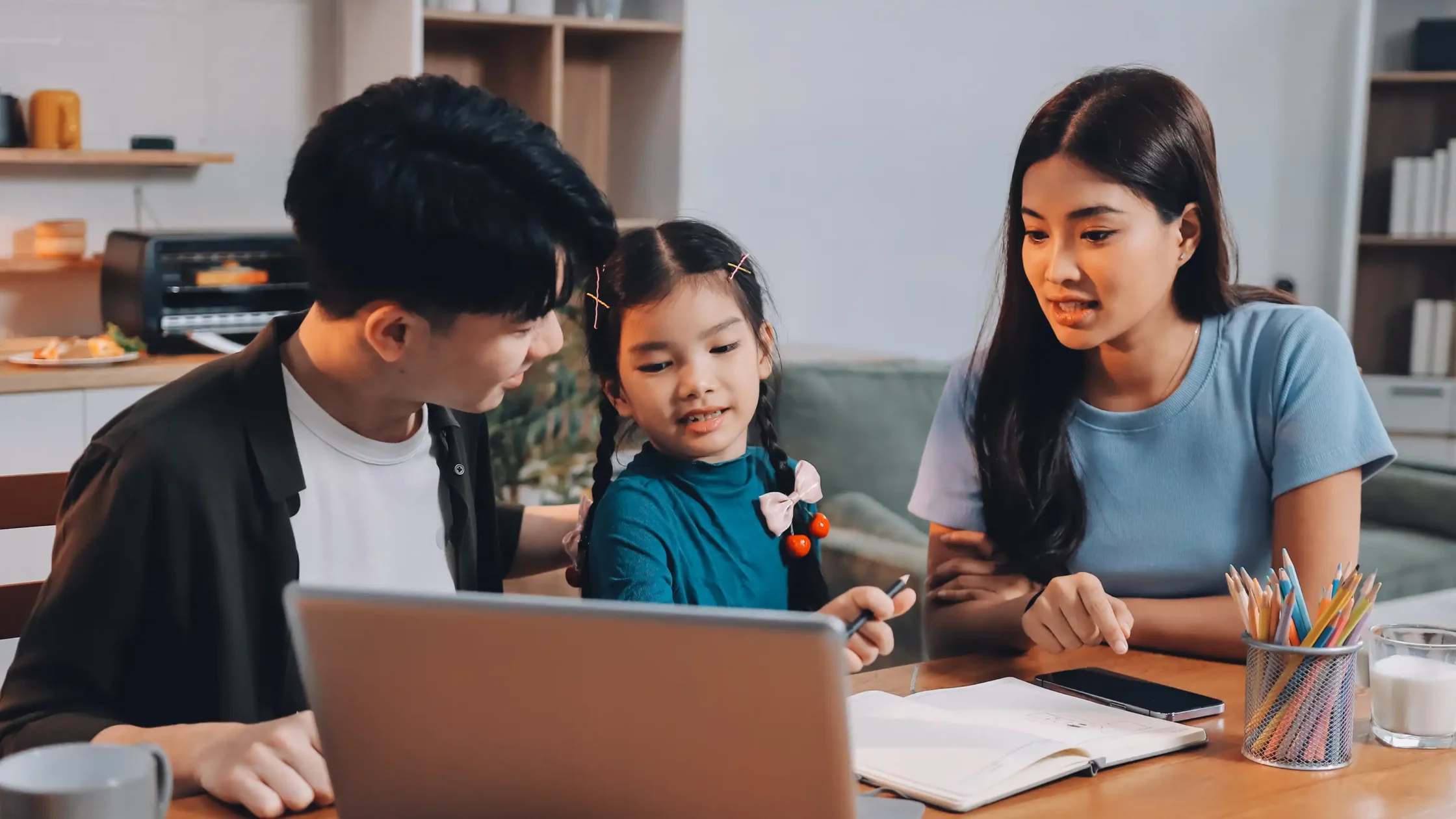
More importantly, children are far more likely to approach adults who show genuine curiosity instead of immediate judgment. Asking what game they’re playing, who they enjoy watching on YouTube, why they like a particular creator, or what makes a Discord server enjoyable creates conversations that naturally build trust. Those same conversations also make it easier for parents to understand kids’ online behavior before small concerns become serious problems.
Signs Your Child’s Online Behavior May Be Changing
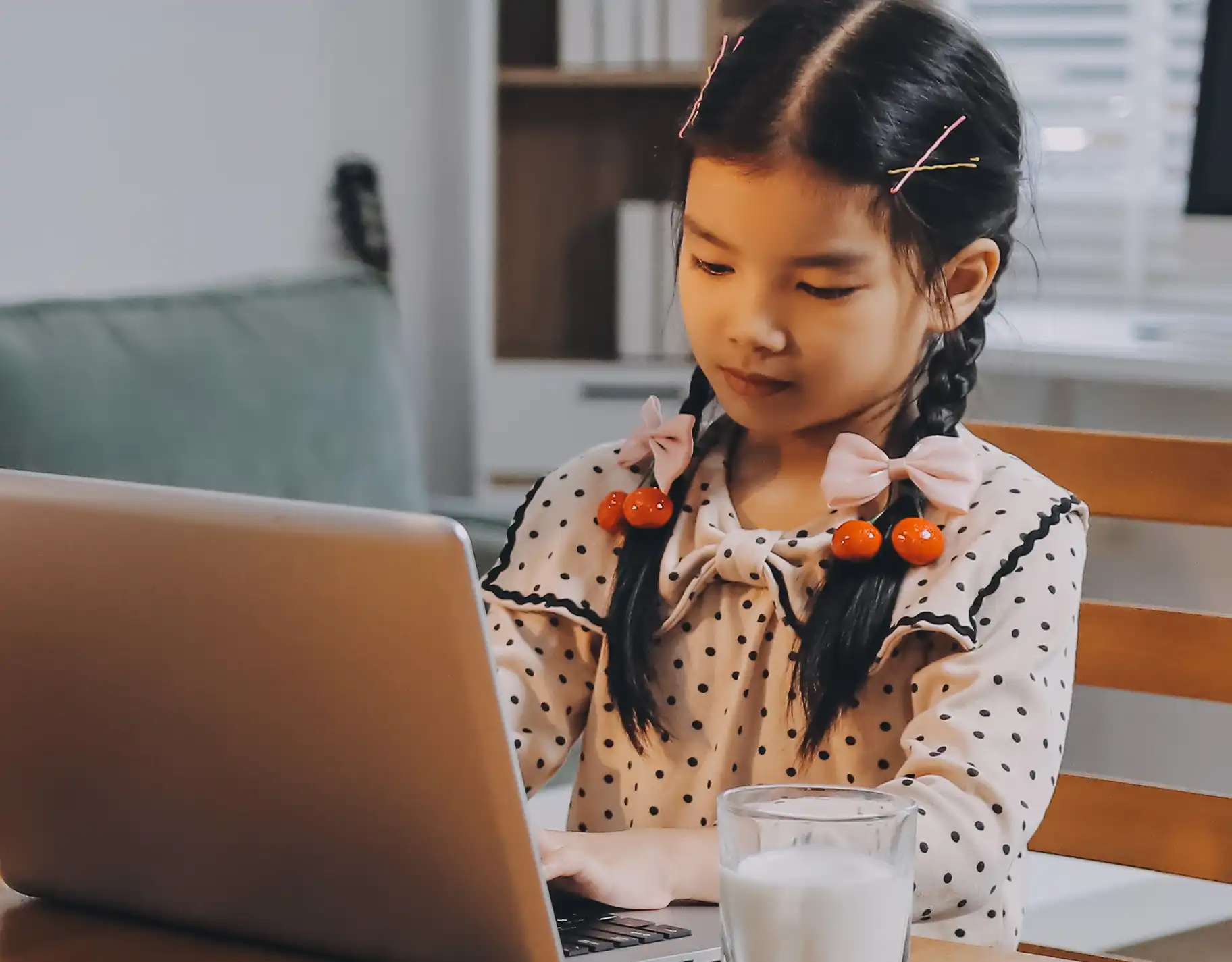
Not every child who spends time online is in danger. However, parents should pay attention to sudden changes in kids’ online behavior, including:
- Becoming increasingly withdrawn from family and friends
- Obsessive secrecy around devices or online activities
- Drastic personality changes or unusual aggression
- Exposure to extremist, violent, or harmful online communities
- Sleep problems, declining school performance, or loss of interest in hobbies
Rather than confiscating devices outright, experts encourage parents to build trust through regular conversations. Ask children about the creators they follow, the games they play, and the communities they interact with. Setting screen-time limits, using parental controls, and consuming online content together can help children develop healthier online behavior and stronger digital citizenship.
The Philippine National Police has likewise urged parents and teachers to treat children’s digital lives with the same attention they give their physical safety, noting that changes in kids’ online behavior may reveal early warning signs when something is wrong.
A New Culture Parents Need to Learn
The goal isn’t to ban technology or fear it. It’s to understand it well enough to guide kids’ online behavior with confidence and empathy. Just as parents teach children how to cross a busy street instead of forbidding roads altogether, today’s digital world calls for the same kind of guidance—one built on communication, curiosity, digital literacy, and consistent supervision.
Whether or not the Philippines eventually adopts stricter age limits for social media, one message is becoming increasingly clear: healthy kids’ online behavior starts with informed parenting. Supervision isn’t about distrust—it’s about helping children develop the judgment, resilienceResilienceThe ability to bounce back from setbacks, disappointment, and stress. Children build it through supportive relationships, chances to solve problems, and adults who show that mistakes are part of learning, and digital skills they’ll need to navigate the online world safely on their own.
Frequently Asked Questions
Children and teenagers are still developing emotionally and cognitively. Supervision helps protect them from cyberbullying, harmful content, online exploitation, and unhealthy digital habits while teaching responsible internet use.
Currently, there is no nationwide ban. However, proposals have been filed in Congress, while the Philippine Pediatric Society recommends guided—not unsupervised—social media use for children under 16.
Watch for social withdrawal, secrecy around devices, mood changes, declining grades, disrupted sleep, increased aggression, or obsessive online behavior.
Keep communication open, set family screen-time rules, use parental controls, follow age recommendations, and regularly discuss the content your child watches instead of relying solely on restrictions.
Stay calm, talk with your child without judgment, document any threats or exploitation, report harmful content to the platform if necessary, and seek help from school counselors or mental health professionals if you notice significant behavioral changes. But most of all, teach them to be aware that there are those who really are crazy enough to create this kind of content and that it’s still their choice whether to follow it or not.
More about online behavior?
Online Gaming Safety Rules Filipino Kids Should Follow
A Parent’s Guide to Trash-Talking in Online Gaming
How Online Gaming Stays Safe with Club Quokka Gaming