Why Do Children Resort to Violence? Understanding the Roots of Aggression



Children do not become violent simply because they see violence. They become vulnerable when violence becomes the only solution they feel is right. Understanding what fuels aggression helps parents guide children toward healthier ways of handling anger, conflict, and pain.
Violence is one of humanity’s oldest instincts. It is part of our survival system—the fight response that tells us to protect ourselves when we feel threatened. While the impulse may be natural, choosing violence as a solution is shaped by experience, environment, and the tools a child learns to handle conflict.
When children lash out, adults often ask, “Why would they do that?”
The answer can go deeper than an underdeveloped brain.
A young child hitting during a tantrum and a teenager planning an attack after a grievance are not experiencing the same thing. One is reacting before they have learned emotional regulation. The other may have spent time building a belief that hurting others is the only way to regain control.
Recent incidents involving youth violence, including the Tacloban City school shooting and school stabbing incidents in Cavite, have raised difficult questions for many Filipino parents: How does a child reach a point where violence feels like an answer?
The important question is not only:
“Why did the child become violent?”
but also:
“When did violence start feeling like a reasonable option?”
When Does Violence Become a Viable Solution for a Child?
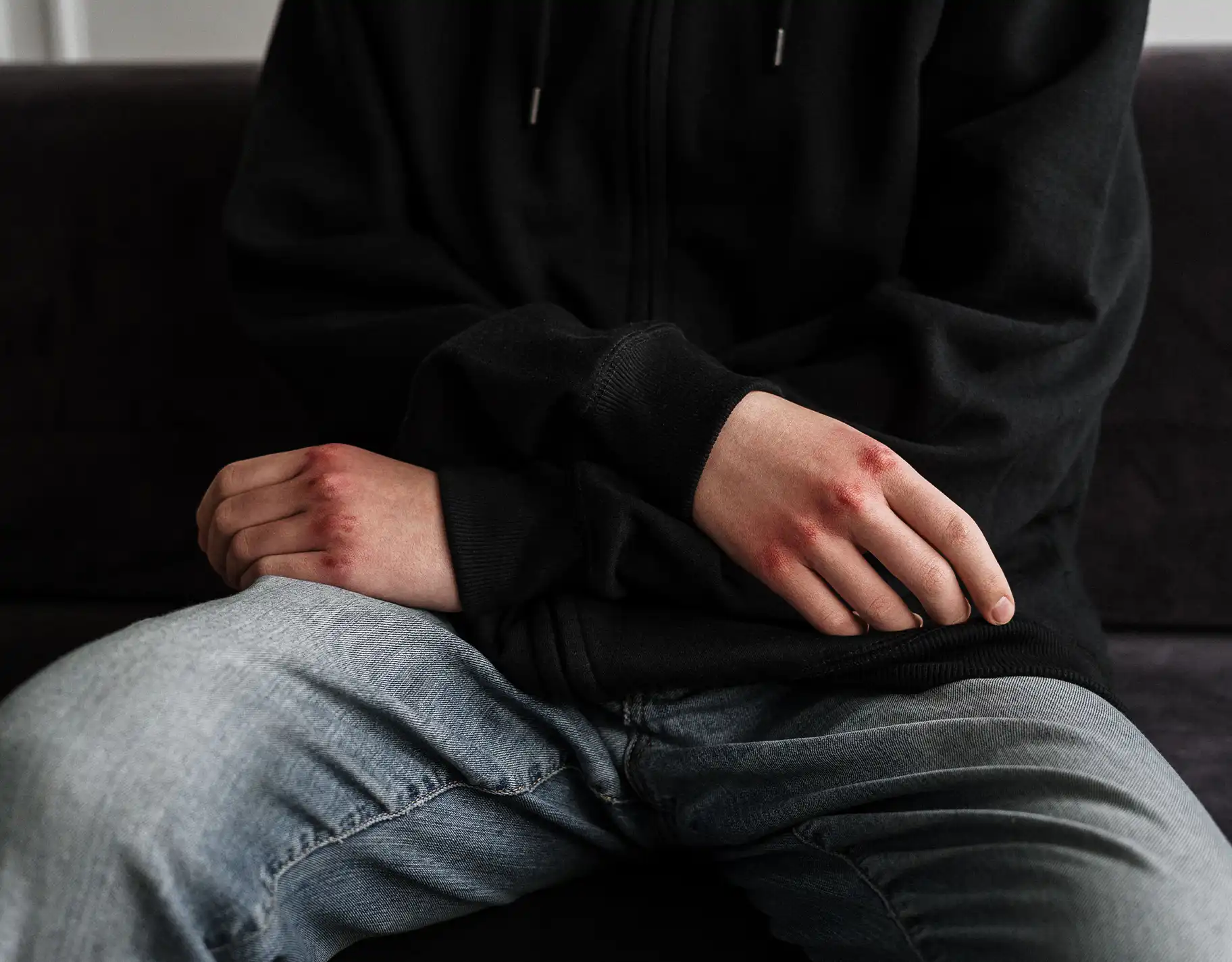
A child begins seeing violence as a possible answer when they repeatedly learn that aggression works—or when they cannot find another way to solve a problem.
For some children, violence begins with the environment around them. A household where shouting, intimidation, or physical aggression is common can unintentionally teach a child that conflict is something people win through force.
This does not mean every child exposed to conflict becomes violent. Many children experience hardship and still choose compassion. The difference often comes from having protective factors: supportive friendships, hobbies, mentors, creativity, and at least one person who makes them feel seen.
A child who feels unheard may also begin withdrawing. Not every struggling child screams, fights, or rebels. Sometimes the warning sign is silence: the child who stops explaining, stops sharing, and only answers with “yes, Mom” or “yes, Dad” because they no longer believe conversations will change anything.
It’s why planned violence is different from a simple emotional outburst. Reports surrounding the Tacloban shooting indicated investigators were looking into signs that the incident may have involved planning beforehand, including questions about access to firearms and possible online activity. It reminds parents of an important reality: violence does not always begin at the moment it happens. Sometimes, the behavior is the final chapter of a story that started much earlier.
Social environments can reinforce these beliefs. According to ecological systems theory by psychologist Urie Bronfenbrenner, children are shaped by connected systems—family, school, peers, and society. When these systems repeatedly communicate that aggression is acceptable, violence becomes easier to justify.
This is also where online spaces enter the conversation. Violent games, videos, and communities do not automatically create violent children. Many people engage with fictional violence without harming anyone. (Baudin, 2024; Oliverio, 2024).
The concern comes when a child already struggling with anger, isolation, or resentment finds online spaces that validate retaliation and make harmful ideas feel normal.
How Does Mental Health Play a Role in Violence?
One of the biggest misconceptions about violence is that it is always caused by a mental disorder. The reality is more complicated: most people with mental healthMental HealthA person's emotional, psychological, and social well-being, which affects how children and parents think, feel, and cope. Open conversations, regular routines, and timely help from professionals make it easier for conditions are not violent, and not every child who struggles with aggression has a serious disorder.
Conditions often portrayed in media, such as Antisocial Personality Disorder, are often sensationalized. In clinical discussions, persistent violence is usually examined alongside a larger pattern: repeated harm toward others, disregard for consequences, and little to no remorse—something that requires proper professional assessment. (Tully et al, 2023). According to the DSM-5, the following are what constitute to anti-personality disorder:
- The presence of a pervasive pattern of disregard for and violation of the rights of others. This behavior begins by age 15 and is present in various contexts. Clinical features include ≥3 of the following:
- Failure to conform to social norms concerning lawful behaviors, such as performing acts that are grounds for arrest.
- Deceitfulness, repeated lying, use of aliases, or conning others for pleasure or personal profit.
- Impulsivity or failure to plan.
- Irritability and aggressiveness, often with physical fights or assaults.
- Reckless disregard for the safety of self or others.
- Consistent irresponsibility, failure to sustain consistent work behavior, or failure to honor monetary obligations.
- Lack of remorse, indifference to, or rationalizing having hurt, mistreated, or stolen from another person.
- The individual is at least age 18.
- There is evidence of conduct disorder with onset before age 15.
- The occurrence of antisocial behavior is not exclusively during the course of schizophrenia or bipolar disorder.
There is also a difference between a violent choice and a survival response.
A child experiencing hallucinations, for example, may act aggressively because they genuinely believe they are under attack. Similarly, some non-verbal neurodivergent children may resort to physical reactions because their brain recognizes a threat before they can communicate what they need.
The question parents should ask is not only:
“Why did my child do this?”
but also:
“What was happening inside them that made this feel like their only option?”
Understanding the cause does not remove accountability. It helps parents find the right response: safety, boundaries, and support—not fear or labels.
What Can Parents Do to Help Reduce the Chances of Their Kids Resorting to Violence?
The goal is not to erase anger from a child’s life. Anger will exist. Conflict will exist. Violence exists in the world.
The goal is to make sure violence is not the child’s first tool.
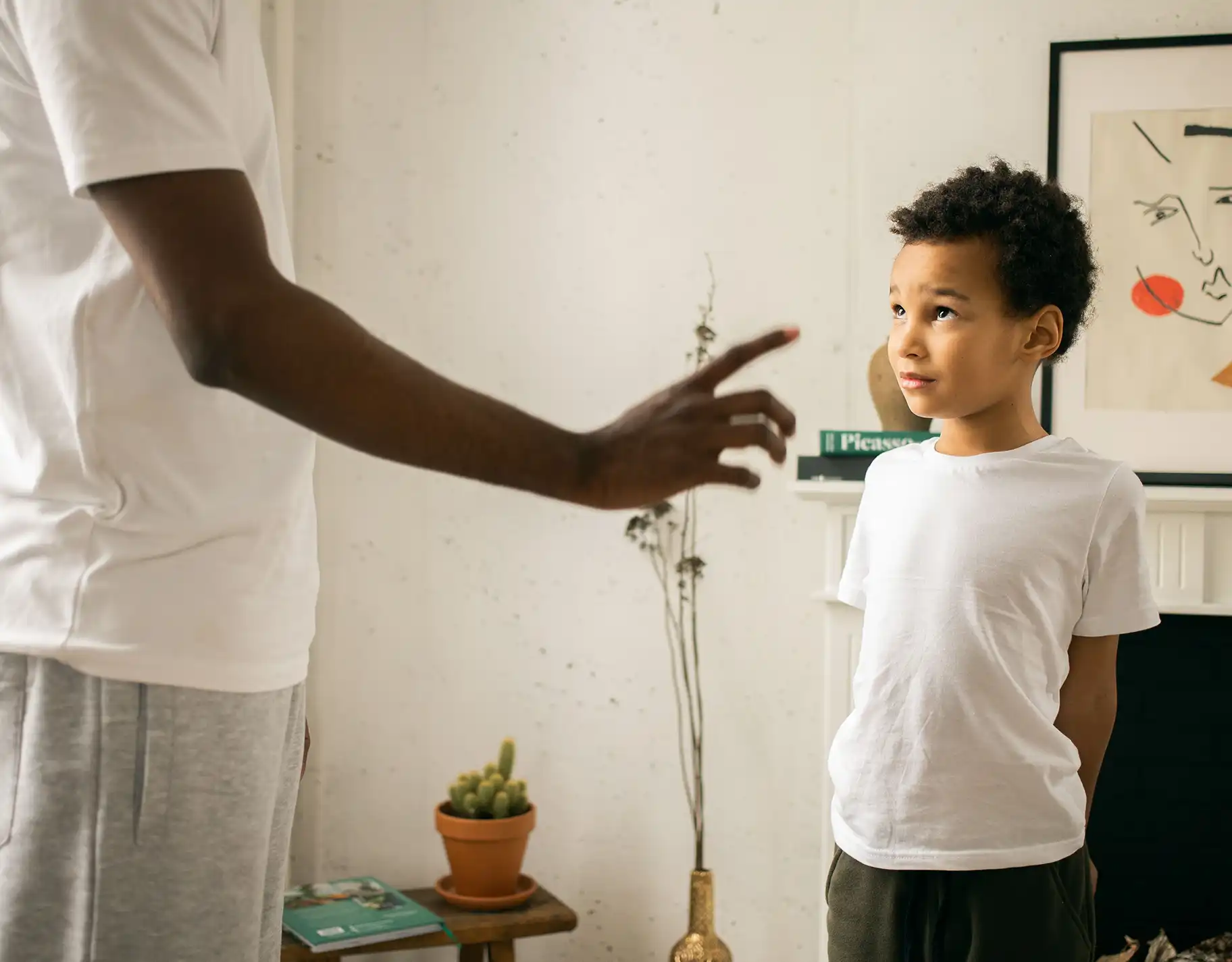
First, parents need to learn the difference between understanding behavior and excusing behavior. A child can have a reason for being angry while still needing boundaries for harmful actions.
During aggressive moments, the priority is safety and de-escalation. Meeting aggression with more aggression often creates a cycle where the child learns that power decides who wins. A calm adult presence teaches a different lesson: strong emotions can be handled without causing harm.
Second, parents need to teach alternatives. Children are not born knowing how to process rejection, humiliation, frustration, or disappointment. They learn through guidance.
Instead of only saying, “Don’t hit,” children need tools:
- “If you need help, ask mommy or daddy.”
- “If someone hurt you, let mommy and daddy know.”
- “What are you trying to make this thing or person do?”
- “What do you need?”
Reinforce it also by showing how we ask for help from our own family members, particularly our spouses.
Children do not need an immediate lecture. They need someone willing to sit beside them and say: “I’m here. Tell me what happened.”
A child who feels heard is more likely to seek help before reaching a breaking point.
The Goal Is Not a World Without Anger—It Is a World With Better Choices
Parents cannot remove every violent influence from a child’s life. Violence exists in news, history, entertainment, and society. Hiding it completely does not prepare children to face it.
But normalizing violence is not the answer either.
Children need adults who can acknowledge that anger and conflict are real while teaching them that there are other ways forward. Aggression can become passion. Anger can become creativity. Frustration can become determination. And spite can turn into a drive to succeed.
So maybe instead of shielding them from the anger, let them feel it. But guide it towards something that will make things better, not worse.
References
Baudin, J. S. P. (2024). Screen TimeScreen TimeThe hours a child spends on phones, tablets, TV, and games. Pediatric groups advise little to no screen use for toddlers and limited, high-quality content for older kids, with family on Multiplayer Online Battle Arena (MOBA) as Mediator Between Trash-Talking and Aggressive Behavior of Esports Players. JOURNAL OF EDUCATIONAL, HEALTH AND COMMUNITY PSYCHOLOGY Учредители: Universitas Ahmad Dahlan, 1606-1634.
OLIVERIO, S. F. V. (2024). Understanding Toxic Gaming Behavior and the Use of Profanity-Laced Language Among Rural Adolescents in Baybay City, Leyte (Doctoral dissertation, Visayas State University).
Tully, J., Cross, B., Gerrie, B., Griem, J., Blackwood, N., Blair, R. J., & McCutcheon, R. A. (2023). A systematic review and meta-analysis of brain volume abnormalities in disruptive behaviour disorders, antisocial personality disorder and psychopathy. Nature Mental HealthMental HealthA person's emotional, psychological, and social well-being, which affects how children and parents think, feel, and cope. Open conversations, regular routines, and timely help from professionals make it easier for, 1(3), 163-173.
Frequently Asked Questions
Usually, children may resort to violence because of difficulty managing emotions, exposure to aggression, feeling unheard, peer influence, or lacking healthy ways to solve conflicts. However, anti-social behavior has a different criteria according to the DSMV.
Violent media alone does not automatically create violent behavior. The bigger concern is how a child interprets it, the communities they engage with, and whether violence is already being reinforced in their environment.
Signs may include extreme aggression, withdrawal, sudden changes in behavior, repeated threats, fixation on revenge, or difficulty expressing emotions without hurting others.
Children need boundaries and accountability, but punishment via aggression not solve the problem. Parents should also understand what fuels the behavior and teach healthier coping skills.
Parents can model calm communication, listen without immediate judgment, teach problem-solving skills, encourage healthy outlets, and create a home where children feel safe asking for help. However, should aggression be unavoidable, do not attempt to shirk or run away from the consequences—especially if the victim of the aggression was the child.
More real talk?
5 Ways Parents Can Talk to Kids About Violence in Schools
Senate Bill No. 1474: The Bill Inspired by Emman Atienza
Why We Need to Teach Kids to Be Kind to Animals